






The biggest disasters that ever happened on Earth were not volcanoes, earthquakes, or tsunamis.
The real destroyers came from the sky.
Some of the biggest shifts in Earth’s history, the biggest extinctions, even the ending of certain geological ages, happened because of enormous meteor impacts.
When people hear “meteor impact,” most of them think about “the rock that killed the dinosaurs,” but the truth is way bigger. Earth experienced impacts so massive that:
- they boiled oceans,
- fractured continents,
- melted millions of cubic kilometers of rock and threw it into the atmosphere,
- reset the entire biosphere,
- and even created some of the mineral deposits we use today.
This list is not “the biggest 10” impacts…
This list is “the 10 impacts that changed Earth’s destiny.”
The ones that changed evolution, re-shaped the planet, and pushed history in a totally different direction.
Let’s start.
1. Chicxulub Impact – The Dino Killer (66 million years ago)

Everyone knows this one.
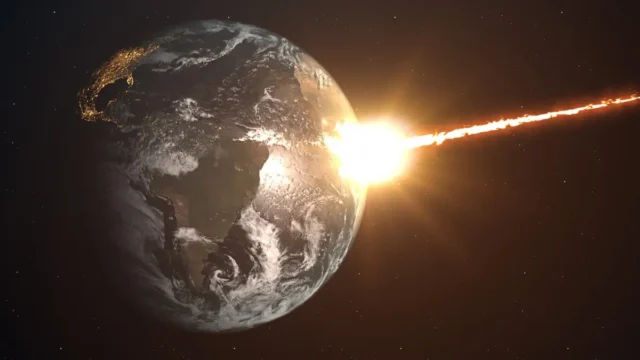
A roughly 10–12 km wide asteroid hit the Yucatán Peninsula in Mexico and released energy equal to melting a whole continent.
What it caused:
- 100 million megatons of energy (1 billion times humanity’s nuclear arsenal)
- sulfate + dust in the atmosphere → years of “eternal night”
- collapse of photosynthesis → collapse of food chains
- 75% of all species, including all non-avian dinosaurs, went extinct
But most people don’t know the real twist:
This impact opened the door for mammals.
So in a way, Chicxulub is the impact that allowed humans to exist.
2. Vredefort Dome – The Largest Known Impact Structure (2 billion years ago)
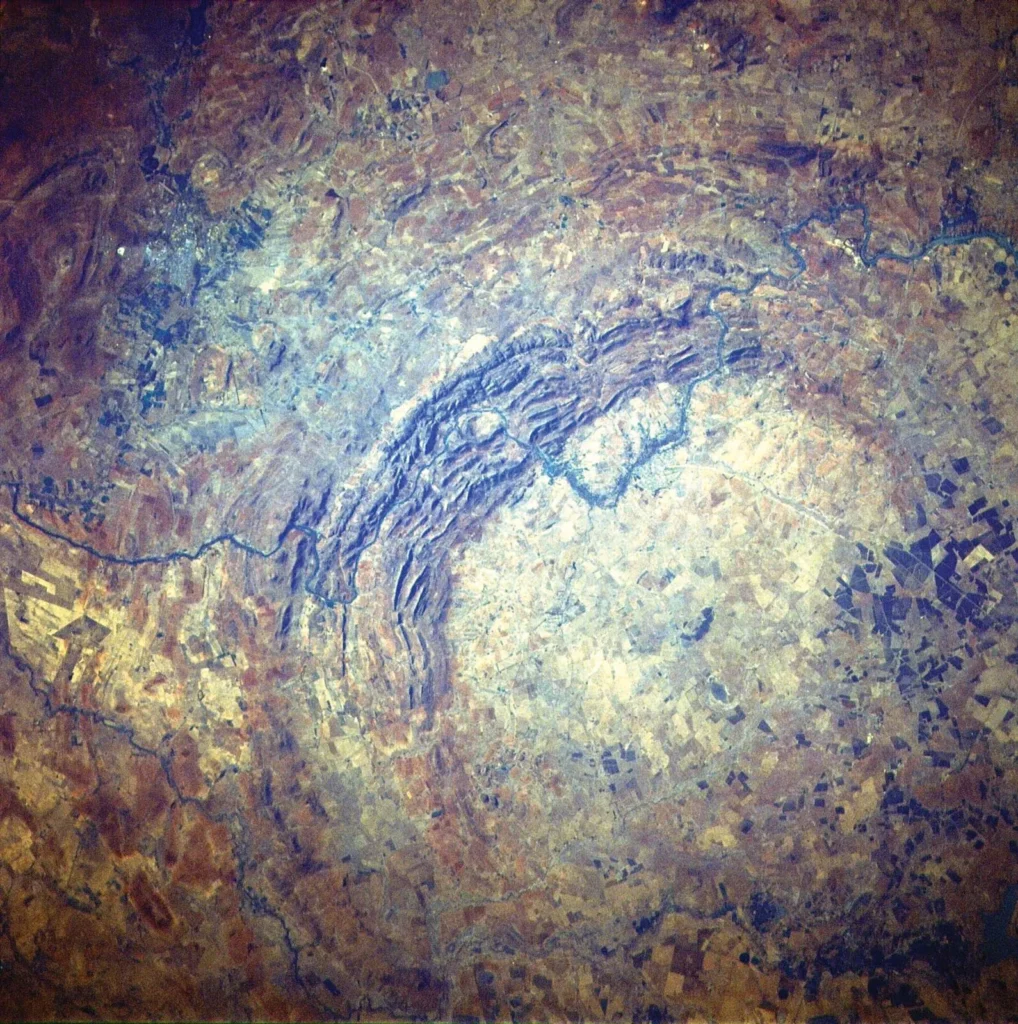
Vredefort in South Africa is one of the biggest meteor impacts ever recorded on Earth.
Original crater diameter: ~300 km (only 160 km remain after erosion).
Asteroid diameter: probably 20–25 km.
This impact was so powerful that it:
- pushed continental crust downward,
- then caused it to rebound upward (that’s why it’s called a “Dome”),
- metamorphosed billions of tons of rock,
- reorganized many mineral deposits like gold.
Without Vredefort, South Africa’s gold industry wouldn’t exist at this scale.
3. Sudbury Impact – The World’s Nickel Source (1.85 billion years ago)
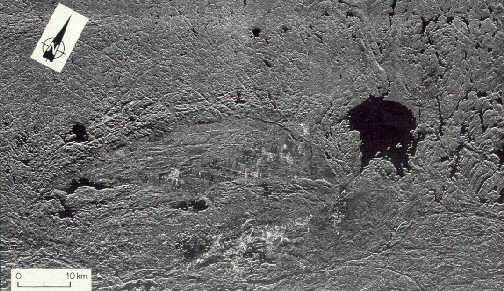
The Sudbury Basin in Canada is the result of a gigantic meteor impact.
The crater was about 200 km wide.
The biggest effect was geological:
- huge pools of molten rock
- metal-sulfide deposits forming
- massive nickel-copper-platinum ore bodies created
Today Sudbury is one of the world’s largest nickel producers.
Your phone, your computer, and even electric vehicle batteries exist because of this impact.
4. Manicouagan Impact – The “Eye of Quebec” (214 million years ago)
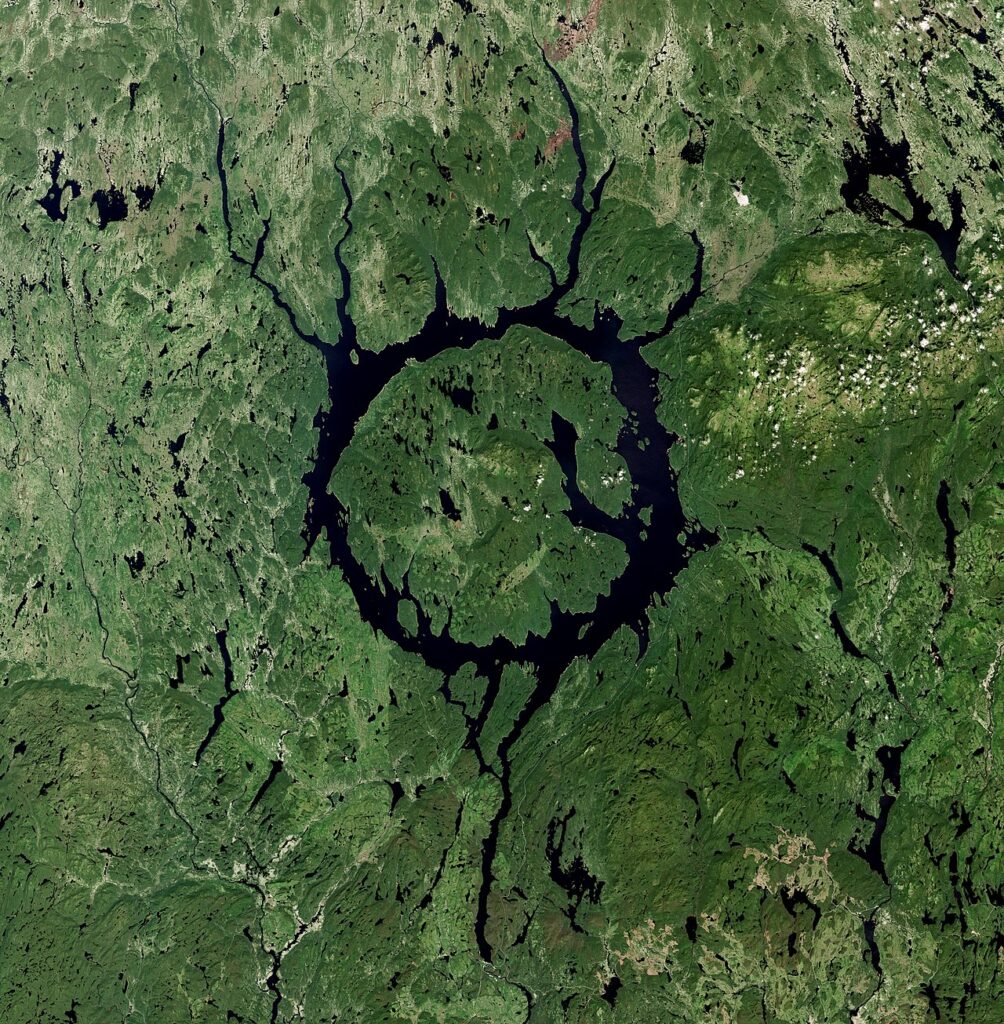
One of the best-preserved impact structures on Earth: Manicouagan.
The huge circular lake is easily visible from space.
Impact results:
- tons of dust injected into the atmosphere
- short-term climate cooling
- changes in Triassic biodiversity
This impact happened just before dinosaurs became dominant.
Some scientists think this ecological shift helped dinosaurs rise.
5. Popigai Impact – The Diamond Factory (35 million years ago)
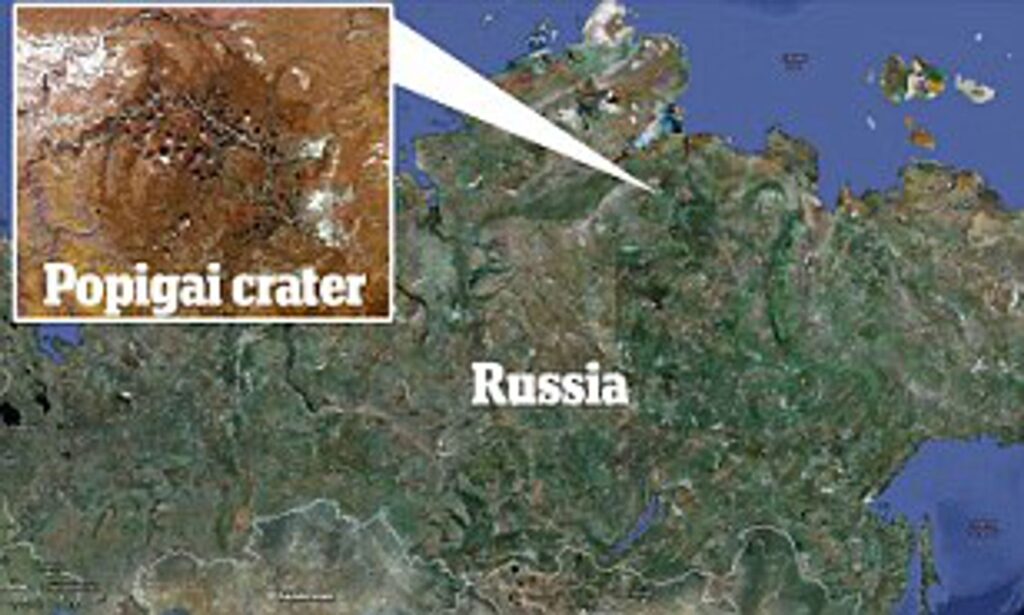
Popigai crater in Siberia has a very strange feature:
This impact turned local graphite into diamonds.
Millions of tons of diamond.
The pressure was so extreme that graphite → industrial diamond.
The total economic value of Popigai diamonds is almost impossible to calculate.
6. Tunguska Event – The Meteor That Exploded in the Air (1908)
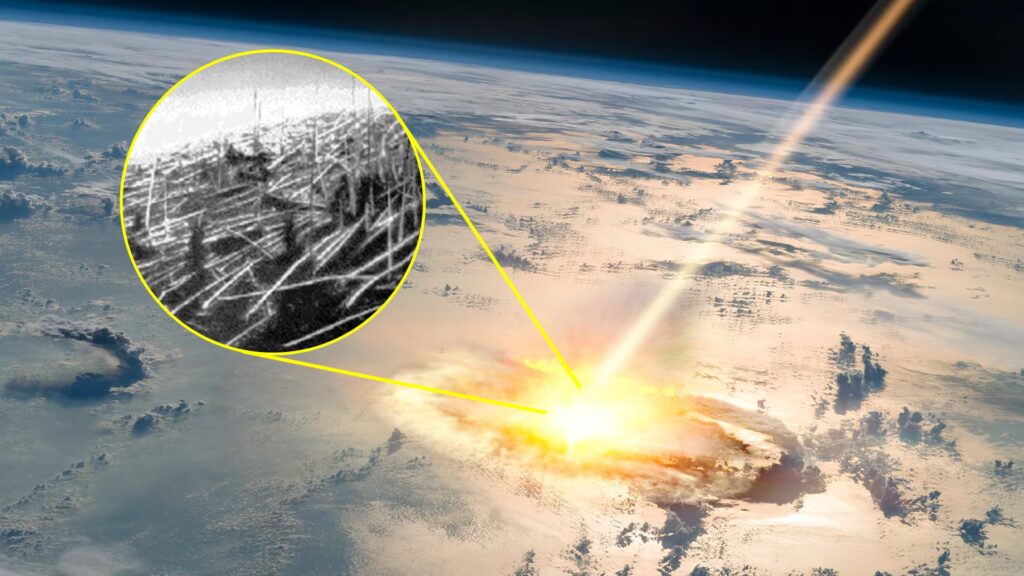
A more “recent” impact-like event.
A 60–100 meter object entered the atmosphere and exploded above Tunguska, Russia.
Results:
- 2,000 km² of forest flattened
- energy equal to 15 megatons
- luckily no settlements nearby, or hundreds of thousands would have died
This event reminds us that even relatively small meteors are dangerous.
7. Chelyabinsk Meteor – A Modern Warning (2013)
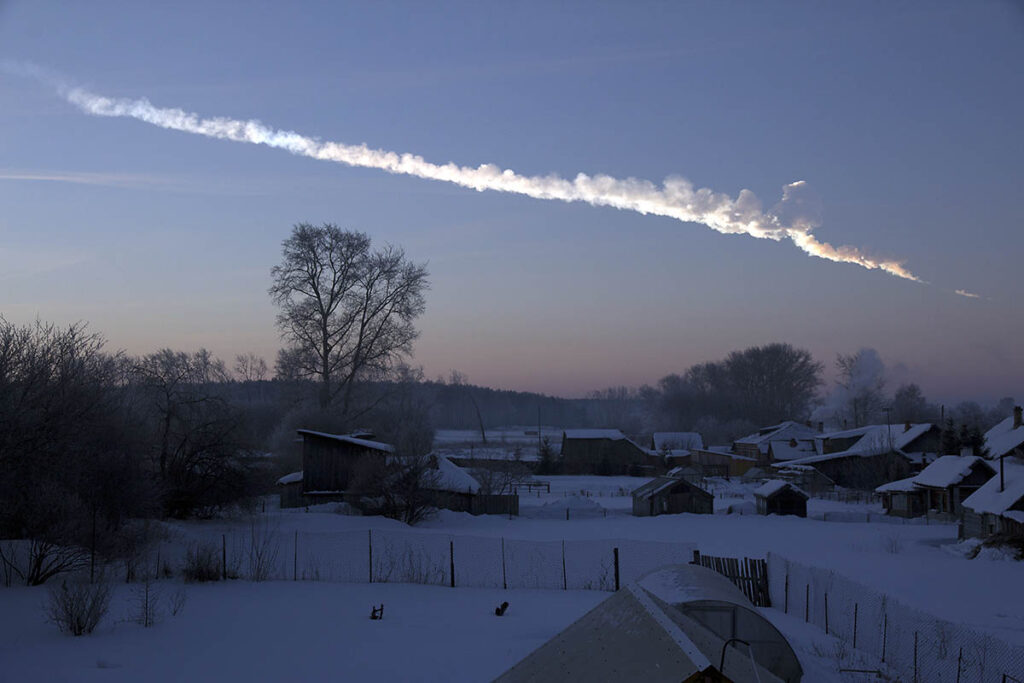
We literally watched this one on camera.
A ~20 meter meteor exploded over Chelyabinsk, Russia:
- 30 times the energy of Hiroshima
- 1,500 people injured by shattered glass
- more than 7,000 buildings damaged
This meteor is one of the most powerful objects to enter Earth’s atmosphere in modern times.
8. Chesapeake Bay Impact – The Meteor That Shaped the U.S. Coast (35 million years ago)
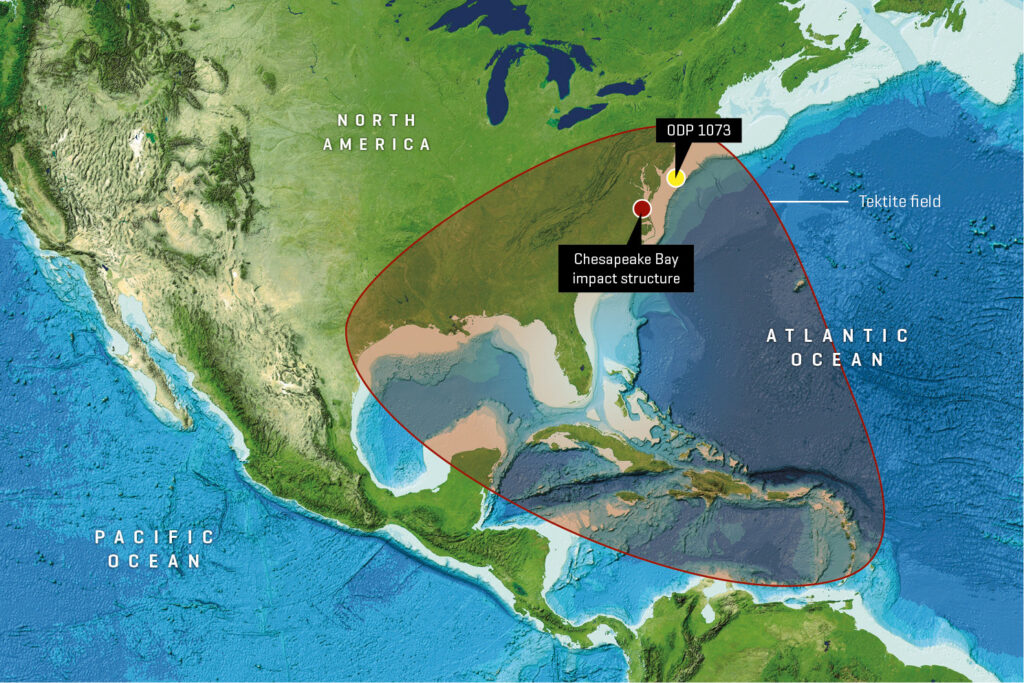
The modern Chesapeake Bay coastline sits on top of a giant buried impact crater.
Diameter: 85 km.
This impact:
- salted regional groundwater
- reorganized coastal geology
- changed the local ecosystem completely
The entire Atlantic coast of that region is still influenced by this ancient event.
9. Woodleigh Impact – The Atmospheric Disruptor (364 million years ago)
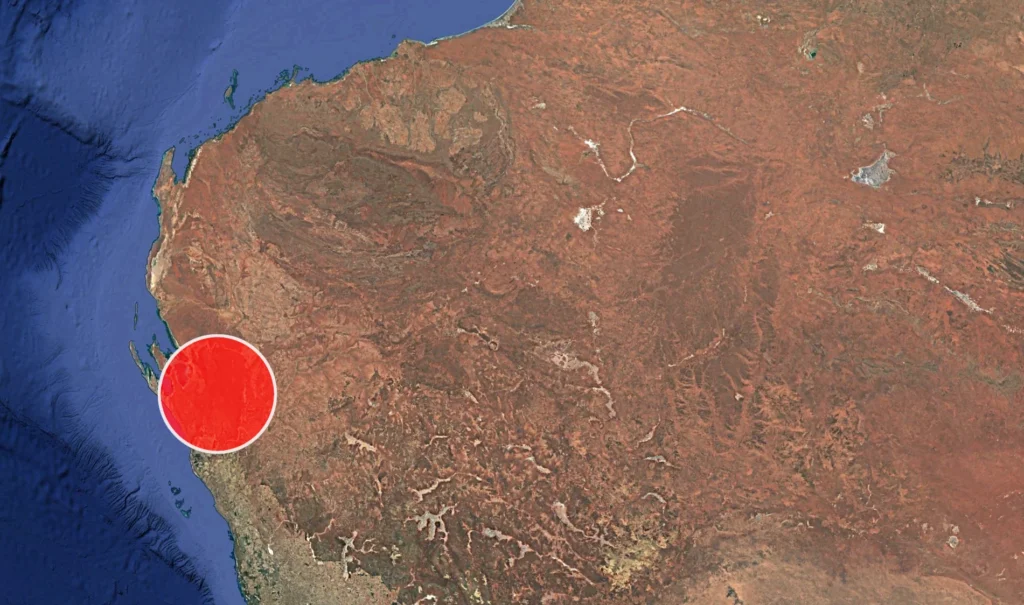
This Australian impact is linked to major ecological changes in the Devonian period.
Possible effects:
- triggering volcanic activity
- global temperature changes
- sea-level fluctuations
- disappearance of certain species
The crater’s exact size is uncertain, but the global impact is obvious.
10. Morokweng Impact – The Hidden Giant Under a Continent (145 million years ago)
This crater lies buried beneath South Africa and may be close to 340 km wide.
The shocking part:
Researchers found a piece of the original asteroid inside the crater.
That almost never happens — most impacts vaporize the meteor completely.
Conclusion: Meteorites didn’t just hit Earth… they rebooted it
These 10 impacts didn’t leave just a crater.
Some changed the shape of continents.
Some transformed the atmosphere.
Some wiped out life.
Some created the mineral deposits we depend on today.
Some made it possible for humans to appear.
Every rock that fell from the sky became a turning point in Earth’s history.