



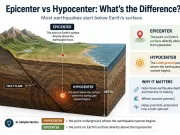


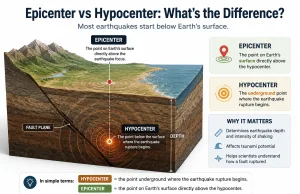
Epicenter vs Hypocenter: What’s the Difference?
When an earthquake is reported, one of the first locations mentioned is usually the epicenter. It appears as a point on a map and...
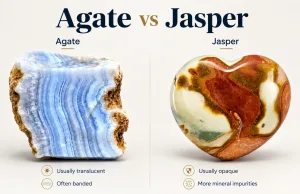
Agate vs Jasper: What’s the Difference?
Agate and jasper can look like completely different stones at first glance. Agate is often recognized by its translucent appearance, colorful bands, and ability...
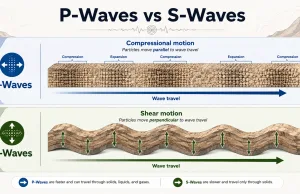
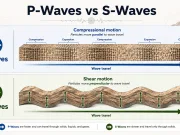
P-Waves vs S-Waves: What’s the Difference?
When an earthquake occurs, the ground does not shake in just one way. The energy released at the earthquake source travels through and along...


LATEST VIDEOS BY SUBSCRIBING TO OUR YOUTUBE CHANNEL!
White Sands, New Mexico: How the World’s Largest Gypsum Dune Field Formed
03:01

Waitomo Glowworm Caves: Geology and Glowworms
04:44
Shiprock, New Mexico: Geology of an Ancient Volcano
03:36
Hierve el Agua: Mexico’s Petrified Waterfalls
03:47

White Sands: A Dream Carved by Geology #Shorts
00:23
Black Sand Beach or Reynisfjara Beach: Geological Wonders Documentary
02:08
White Pocket, USA : A Geological Marvel Documentary
03:49
Paint Mines Interpretive Park, USA : Geology, Formation
02:48

Fagradalsfjall Volcano, Iceland : Eruptions and Formation
03:41
Canada's Cheltenham Badlands, Geology and Formation
03:21
GEOLOGICAL WONDERS
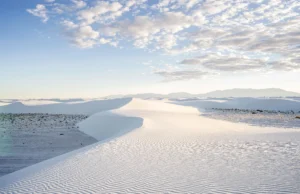
The White Sands National Monument, New Mexico, USA
Nestled in the Tularosa Basin of southern New Mexico, White Sands National Monument is a breathtaking landscape of rolling white gypsum dunes that seem...
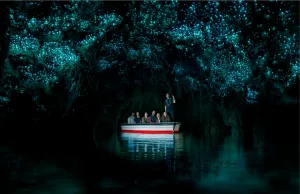
Waitomo Glowworm Caves, New Zealand: Geology, Formation and Glowworms
Beneath the green hills of New Zealand’s North Island, there is an extraordinary place where the ceiling of a cave looks like a night...
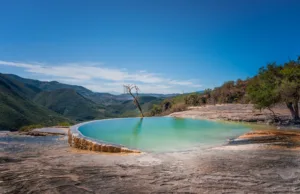
Hierve el Agua, Mexico: The Geology Behind Oaxaca’s Petrified Waterfalls
Among the dry mountains of Oaxaca, Mexico, there is a huge formation that looks like a waterfall flowing down a cliff. White and cream-colored...





ListS
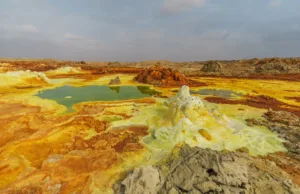
10 Places That Look Like Other Planets
Earth is generally referred to as the Blue Planet, but within its familiar landscapes there are places so alien that they can easily be...
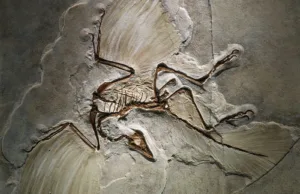
10 Places Where Fossils Tell Ancient Stories
Fossils are more than ancient remains—they are windows into vanished worlds. Each fossil preserves a moment in time, capturing organisms that lived millions of...
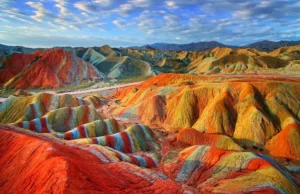
10 Rock Landscapes That Look Like Art
Nature has been shaping the Earth's surface for billions of years. However, this shaping is not random, chaotic or unplanned. On the contrary; factors...

ORE MINERALS

Braches of Geology
Tunnel Construction
Introduction to tunnel construction involves understanding the purpose, history, and basics of tunnel construction.A tunnel is an underground passageway that is excavated through soil,...
The Geological Evolution of Continents
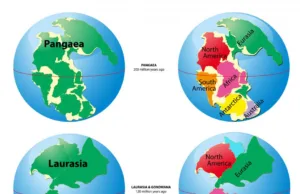
Continents are large, continuous landmasses that make up the Earth's surface. They are primarily composed of continental crust, which is distinct from oceanic crust....
Hydrogeology
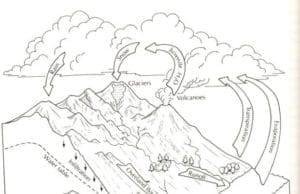
Hydrogeology is a branch of geology that deals with the study of the distribution, movement, and quality of water in the subsurface. Hydrogeology is...






GENERAL GEOLOGY CONTENTS
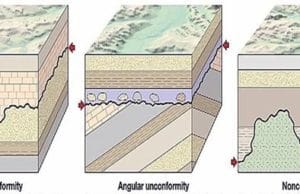
Unconformities
An unconformity is contact between two rock units.Unconformities are typically buried erosional surfaces that can represent a break in the geologic record of hundreds of millions of years or more. It it called an unconformity because the ages of the layers of rock that are abutting each other are discontinuous at the unconformity. An expected age of layer or layers of rock is/are missing due to the erosion; and, some period in geologic time is not represented.