





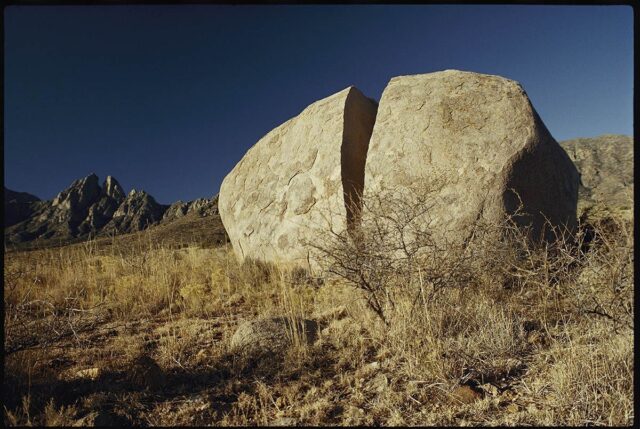
You take a stone in your hand. An ordinary stone. Neither has special color nor eye-catching shape. It falls to ground, makes short sound and breaks in way you didn’t expect. At same time only thing passing through person’s mind is this: “How fragile it was.”
Then you take another stone. Size is almost same, maybe even looks thinner and more delicate. You drop it too. This time nothing happens. You hit once more, treat bit harder, but still doesn’t break. As if it’s being stubborn. Right at this point mind automatically reaches conclusion: “So this one is harder.”
But nature doesn’t work this simple. In fact most of time, explanation that seems most logical to us is completely wrong. Because whether stone breaks or not is not related to how hard it is, but related to what kind of structure it carries inside.
Hardness and Durability Are Not Same Thing
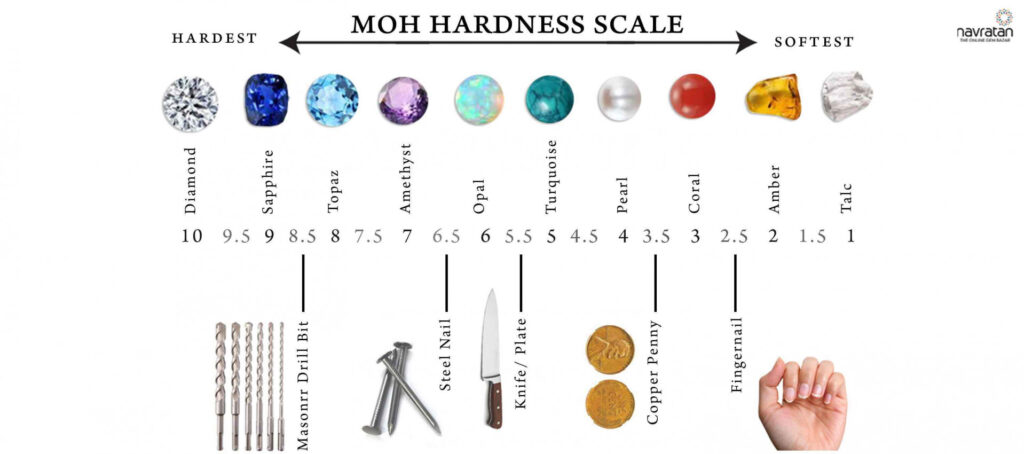
Hardness word is used very comfortably in daily life. Hard table, hard floor, hard stone… But in geology hardness doesn’t mean “solidity” in sense people think.
Hardness of mineral expresses only this: How much resistance it shows against being scratched by another thing.
So this property is only about stone’s surface. Says almost nothing about internal structure. That’s why mineral can be extremely hard but still can crack or split in two with small impact.
This situation seems illogical at first. Because human mind thinks that something hard should also be resistant to breaking. But nature works according to physics rules, not according to our intuitions.
Real Thing That Breaks Stone: Internal Structure
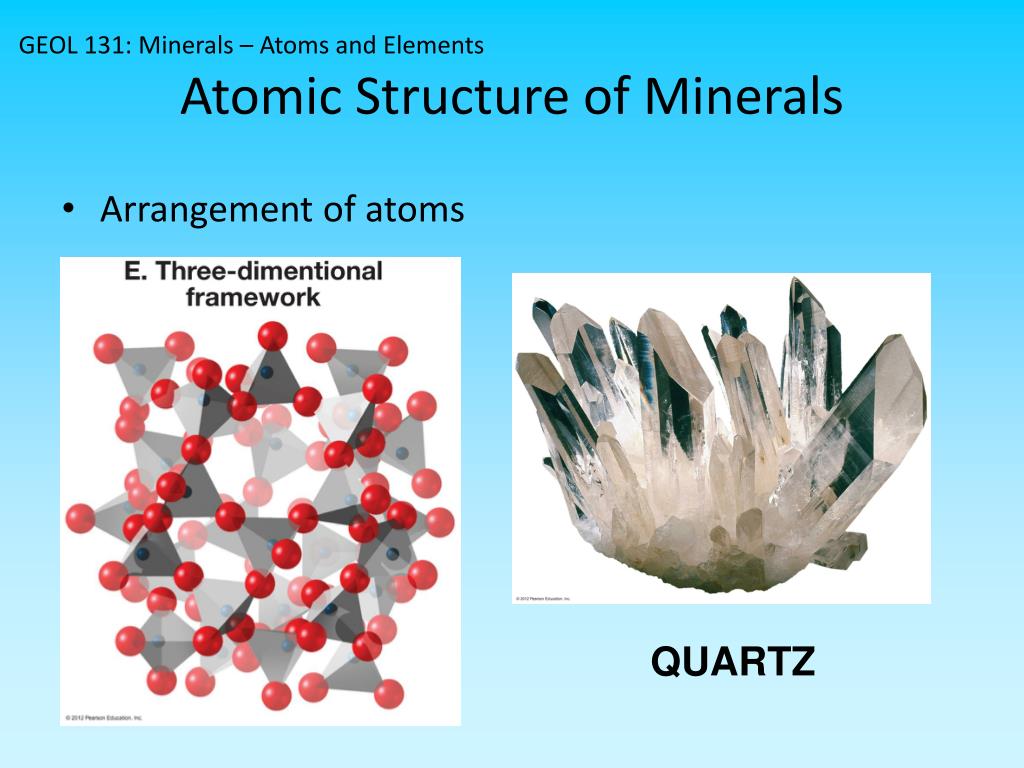
Fate of stone starts with how atoms forming it are arranged. Atoms don’t come together randomly. They establish certain bonds, repeat in certain directions and over time form regular structure.
In some minerals this order is extremely clear. Atoms are like arranged layer by layer. This situation provides big advantage during stone’s formation process. But at same time there’s price.
This layered order creates natural separation surfaces inside stone. Stone looks like single piece when looked from outside, but from inside it already knows where to separate. When impact comes it doesn’t break randomly; it follows those ready surfaces.
That’s why some stones seem like “they break easily”. Actually they’re not breaking; they’re just separating in more orderly way.
Cleavage: Stones’ Hidden Breaking Map
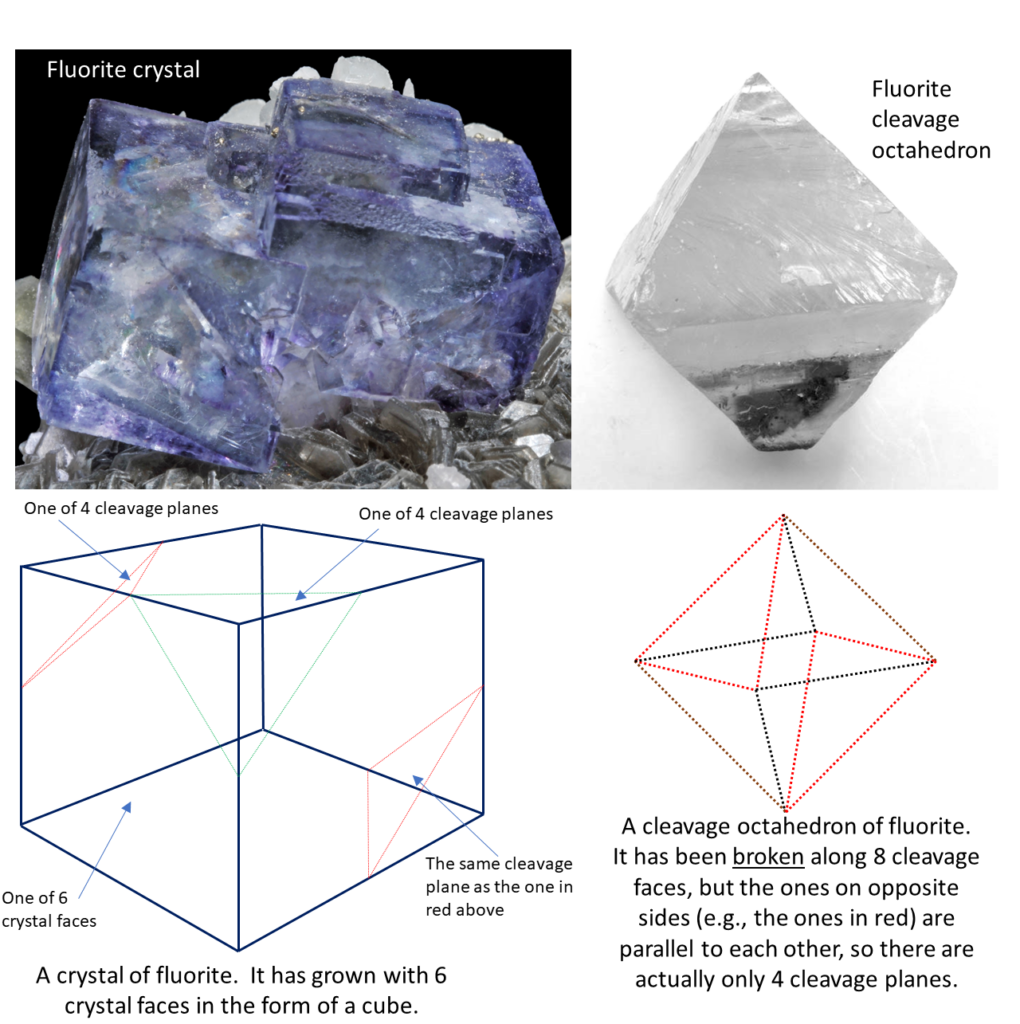
In geology there’s special name given to this situation: cleavage.
Cleavage is mineral’s separation by forming smooth surfaces along certain directions. This is not weakness; it’s result of atomic order.
When these type of stones fall to ground they generally:
Form flat surfaces
Separate at certain angles
Break repeatedly in similar shapes
That’s why some stones look as if cut with knife when they break. Human eye interprets this as “broke easily” but actually stone just followed its own internal architecture.
Fracture: Random But Resistant Breaking
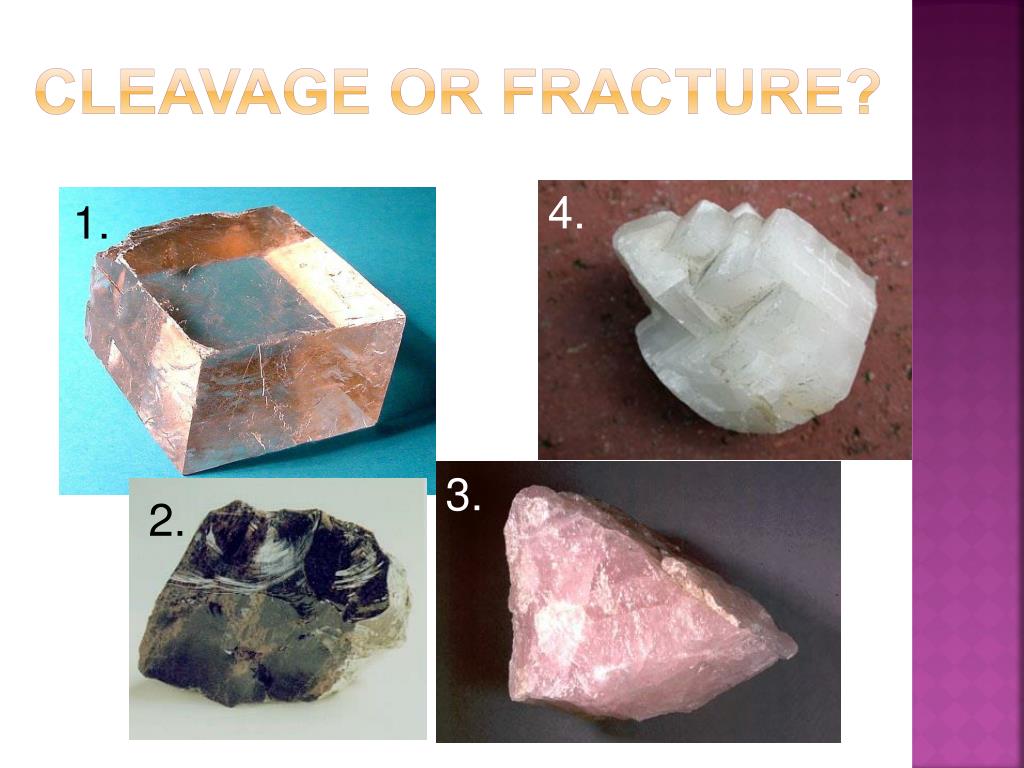
Not every stone has such ready separation surfaces. In some minerals atoms hold on with more complex bonds. Clear layers, smooth planes don’t form.
When these type of stones break:
Don’t form flat surfaces
Curved or irregular shapes emerge
Breaking direction cannot be predicted beforehand
This is called fracture.
Interesting thing is this: These stones are often harder to break. Because impact energy cannot be directed to specific plane. Energy scatters inside stone, spreads and complete breaking of stone becomes harder.
That’s why some stones are surprisingly resistant to impacts even if they’re weak against scratching.
Why Is Difference Between Rock and Mineral Important?
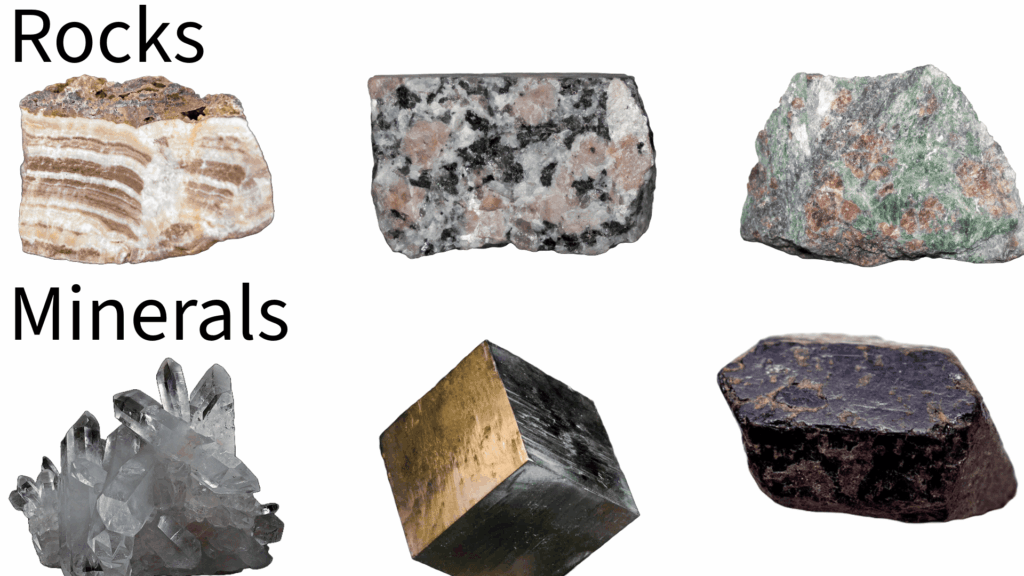
Here there’s very critical distinction that most people don’t notice. What we take in hand is not always mineral. Most of time we hold rock.
Mineral is single structure. Rock is combination of more than one mineral.
Whether rock breaks easily or not depends on:
Type of minerals inside it
How these minerals are interlocked
Whether there’s space or crack between them
That’s why two rocks can behave completely differently even if they look same from outside. One stands like single piece while other can scatter with small impact.
Grain Size and Bonding Strength
Some rocks consist of coarse grains. These grains have interlocked well to each other over time. Such rocks are generally resistant to impacts.
Some rocks are fine-grained or bond between grains is weak. These type of rocks disintegrate rather than break. Crumbles like sand in hand, pours from edges.
This situation is very evident especially in sedimentary origin rocks. Even if rock seems hard, if internal structure is not solid enough it cannot endure in long term.
Cracks: Stone’s Invisible Weak Points
Inside stone there can be micro cracks that cannot be seen with eye. These:
During cooling
With pressure changes
As result of ground movements
form.
These cracks are hidden inside stone. Stone seems solid. But when impact comes, breaking follows these old wounds. As result stone is perceived as “broke easily”.
Heat, Pressure and Traces of Past
To understand how stone behaves today, need to know what it experienced in past. Stones exposed to extreme heat, shaped under high pressure or experienced stress repeatedly can be tired from inside even if they look solid from outside.
Stones hold memory. Everything they experienced in past determines how they will break today.
Conclusion: Fragility Is Not Weakness
Some rocks break easily. Some don’t break. This difference doesn’t come from one being “bad” other being “good”.
This difference comes from nature building stones in different ways.
Breaking of stone is not end of its story; it’s reflection of internal structure.