




Yooperlite: The Story Behind Michigan’s Glowing Beach Rocks
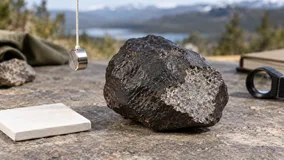
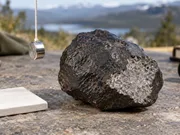
At first glance, Yooperlites just look like ordinary gray pebbles on a cold Lake Superior beach.
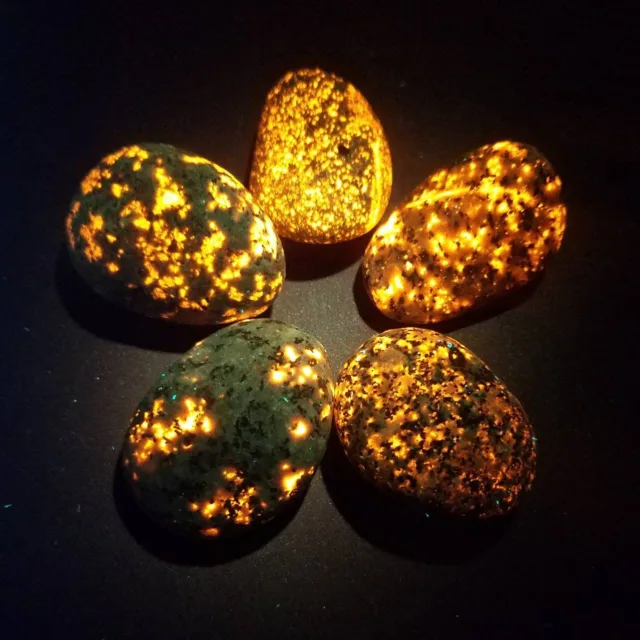
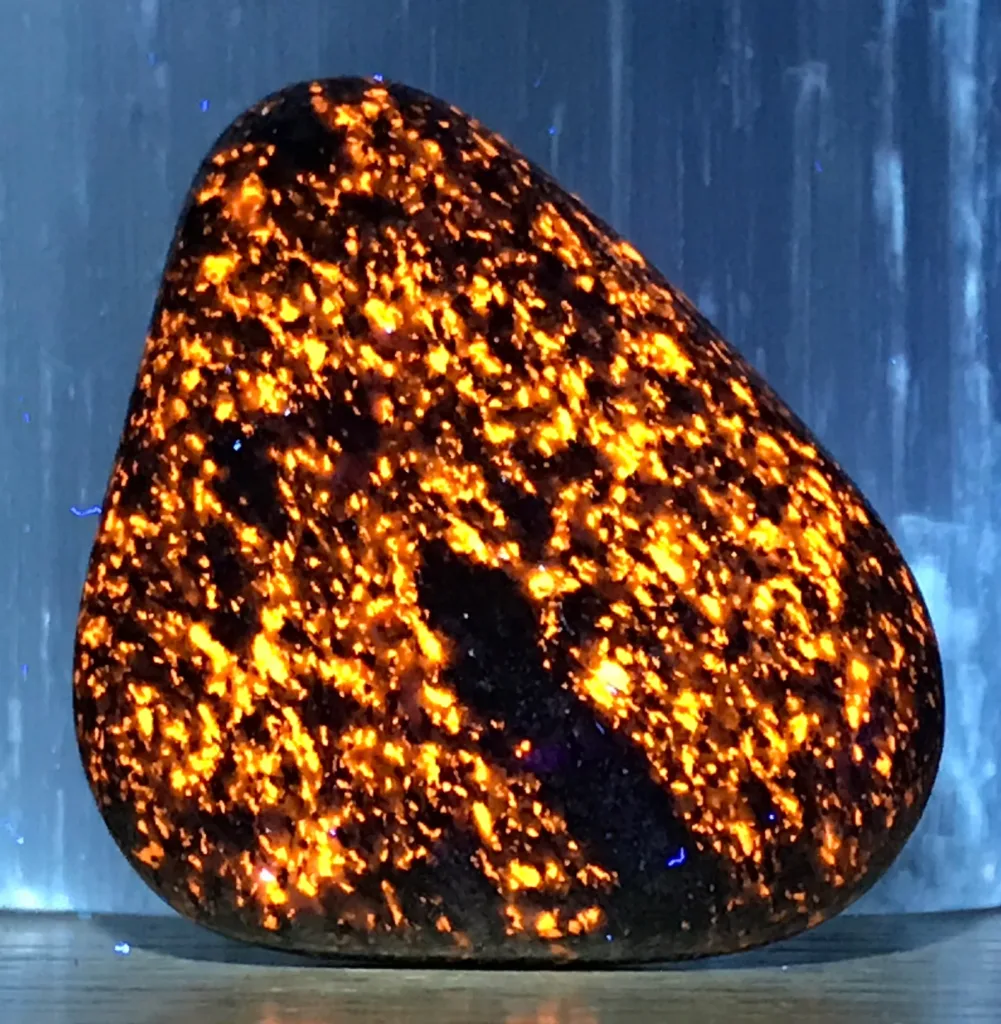
But hit them with a UV flashlight, and they explode in neon orange and yellow patches like burning embers in the dark.
“Yooperlite” is the trade name given to sodalite-rich syenite cobbles that fluoresce under long-wave UV light. They are most famously found along the shores of Lake Superior in Michigan’s Upper Peninsula (U.P.), especially from Whitefish Point to the Keweenaw region.
These glowing rocks are not a separate mineral species. Geologically speaking, they are syenite clasts containing fluorescent sodalite, most likely transported into Michigan as glacial erratics originating from large alkaline complexes in Ontario, Canada.
Discovery and Name “Yooperlite”
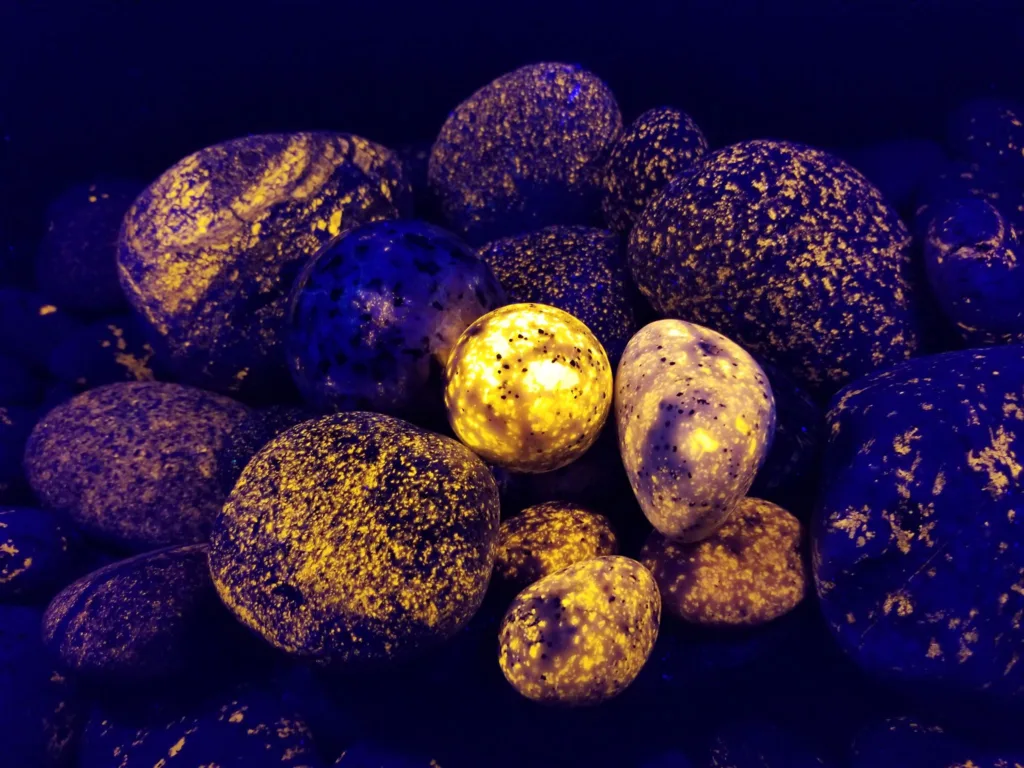
Yooperlites were first publicly recognized in 2017 by Erik Rintamaki, a rockhound from Michigan’s Upper Peninsula. While scanning the shoreline at night with a UV light, he noticed that certain beach stones suddenly glowed in intense orange patterns.
University and laboratory analysis identified them as sodalite-bearing syenite. Rintamaki coined and later trademarked the name:
- “Yooper” – nickname for residents of Michigan’s Upper Peninsula
- “-lite” – echoing mineral naming plus the idea of glowing light
Since then, Yooperlites have become a regional phenomenon, sparking UV tours, social media trends, and a new niche in the rockhounding world.
What Kind of Rock Is Yooperlite?
From a geological perspective, Yooperlites are:
- Rock Type: Sodalite-bearing syenite
- Rock Family: Alkaline intrusive igneous rock
- Texture: Coarse- to medium-grained
- Setting: Glacially transported cobbles deposited along Lake Superior
Main Mineral Components
- Sodalite – fluorescent zones
- Nepheline – typical in nepheline syenite
- Alkali feldspar – major framework mineral
- Amphibole / pyroxene – darker speckled components
- Accessory phases – occasional natrolite or alteration minerals
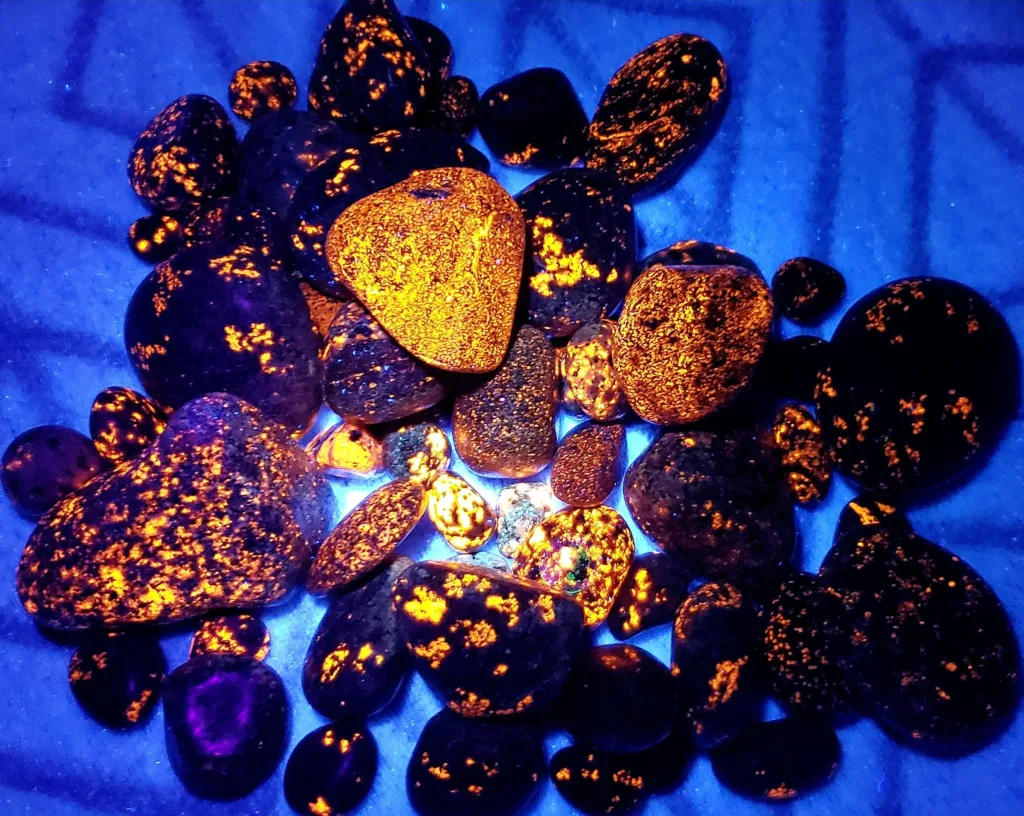
In daylight Yooperlite looks like an ordinary gray syenite. Under long-wave UV, sodalite-rich patches flare in bright orange to yellow-orange.
How and Where Yooperlites Form
Geological Source
Most evidence suggests Yooperlites originate from alkaline intrusive complexes in Ontario, Canada, especially around the northern shore of Lake Superior. Glaciation transported fragments of these rocks southwards.
Journey to Michigan
- Intrusion: Alkaline magma crystallizes into sodalite-bearing syenite.
- Glacial Erosion: Ice sheets erode and move this syenite.
- Transport: Rocks are carried south by continental ice.
- Deposition: Erratics are left behind when glaciers retreat.
- Wave Action: Lake Superior rounds and concentrates them along beaches.
This combination of igneous origin + glacial transport + shoreline reworking created the Yooperlite deposits known today.
Why Yooperlite Glows Under UV Light
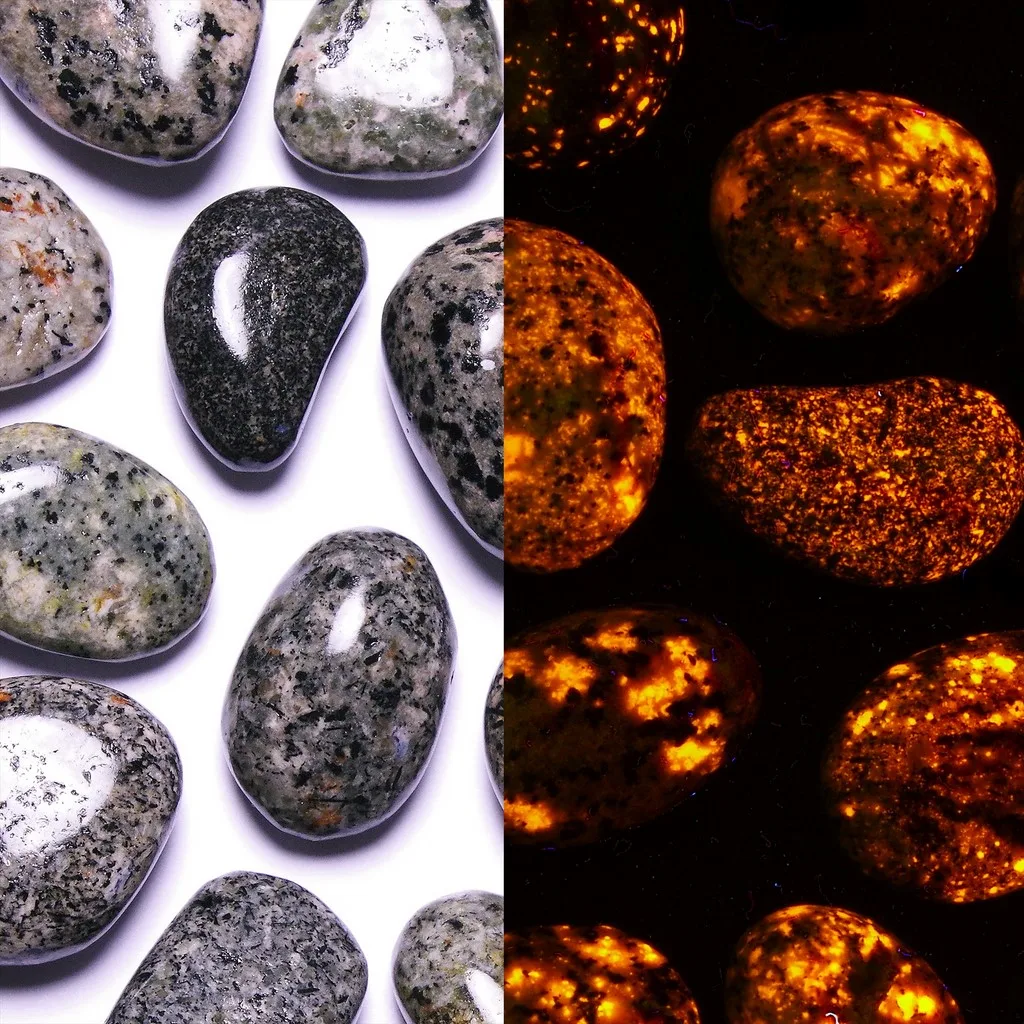
Fluorescence in Yooperlite is caused by impurities in the sodalite structure, especially disulfide ions (S₂²⁻). These act as chemical activators.
Under long-wave UV (365–395 nm):
- Electrons are excited
- They return to lower energy states
- The energy difference is emitted as visible orange-yellow light
Key characteristics:
- Fluorescence type: Long-wave UV
- Color: Bright orange/yellow
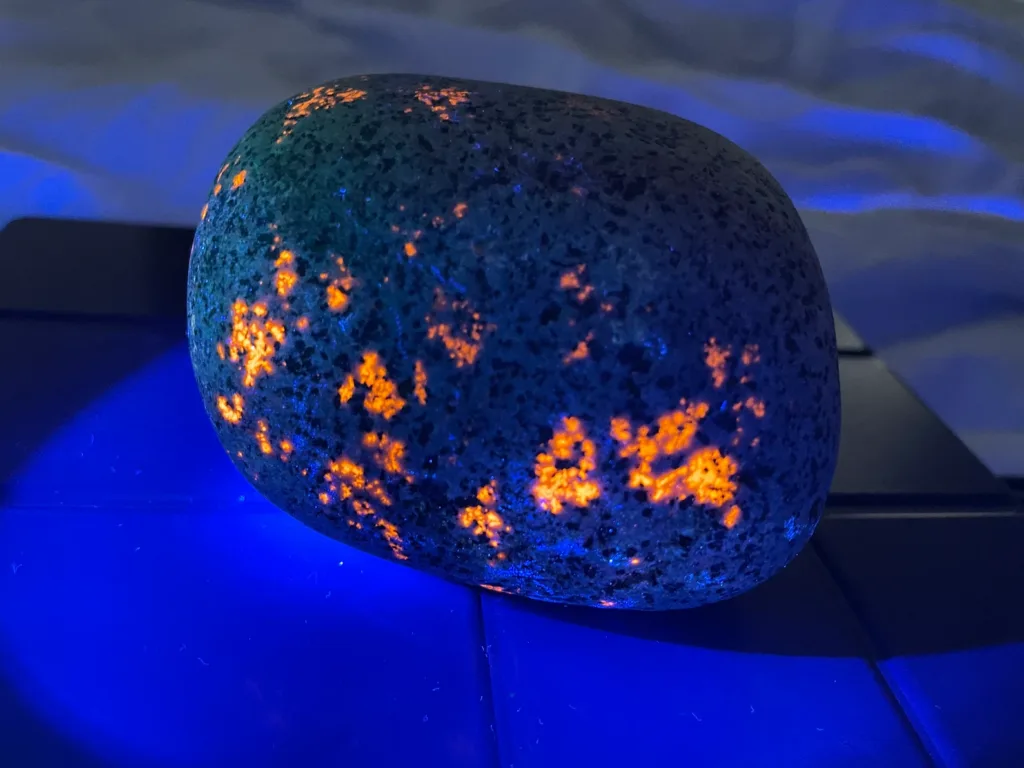
- Pattern: Patchy or mottled
- Behavior: Immediate glow; no long-lasting phosphorescence
Physical and Visual Characteristics
Daylight Appearance
- Gray to brownish-gray cobbles
- Speckled texture
- Resembles ordinary granite-like stones
Under UV Light
- Bright orange patches
- Strong contrast with dark matrix
- Very dramatic, ember-like glow
Other Properties
Durability: Good for decorative use and jewelry but can chip on hard impactes.
Hardness: ~5.5–6 (depends on mineral mix)
Luster: Dull to sub-vitreous; polished material becomes vitreous
Where to Find Yooperlites
Primary collecting areas include:
- Lake Superior beaches in Michigan’s Upper Peninsula
- Especially between Whitefish Point, Grand Marais, and the Keweenaw Peninsula
Because they are glacial erratics, they may also appear in:
- Gravel pits
- Inland glacial deposits
Tips for Searching
- Go at night with a strong 365–395 nm UV flashlight
- Avoid rough waves and slippery rocks
- After storms, new stones often appear
- Wear eye protection when using UV lights
Uses of Yooperlite
1. Collecting & Display
Collectors love Yooperlite because the glow effect is instant and dramatic. Museums use them to demonstrate mineral fluorescence.
2. Jewelry & Crafts
Polished Yooperlite is used for:
- Beads
- Cabochons
- Decorative slabs
- Lamps and home décor items
3. Education
Excellent for teaching:
- Fluorescence
- Igneous petrology
- Glacial processes
- Lake Superior geology
4. Metaphysical Use (Non-Scientific)
Some people believe Yooperlite represents:
- Inner fire
- Emotional transformation
- Hidden energy
These claims are cultural, not scientific.
Care, Authenticity & Buying Tips

Buy from trustworthy sellers
Genuine Yooperlite shows strong long-wave UV fluorescence
Clean gently with warm water and mild soap
Store jewelry separately to avoid scratches
FAQ
Is Yooperlite a mineral?
No. It is not a mineral species; it’s a trade name for sodalite-bearing syenite.
Is it rare?
Not extremely rare geologically, but the combination of fluorescent sodalite + Lake Superior history is unique.
What UV light works best?
A 365–395 nm long-wave UV flashlight gives the strongest glow.
Are similar rocks found elsewhere?
Yes, sodalite-syenite occurs worldwide, but the name Yooperlite is tied to Michigan.