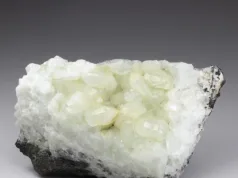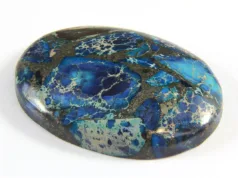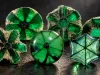







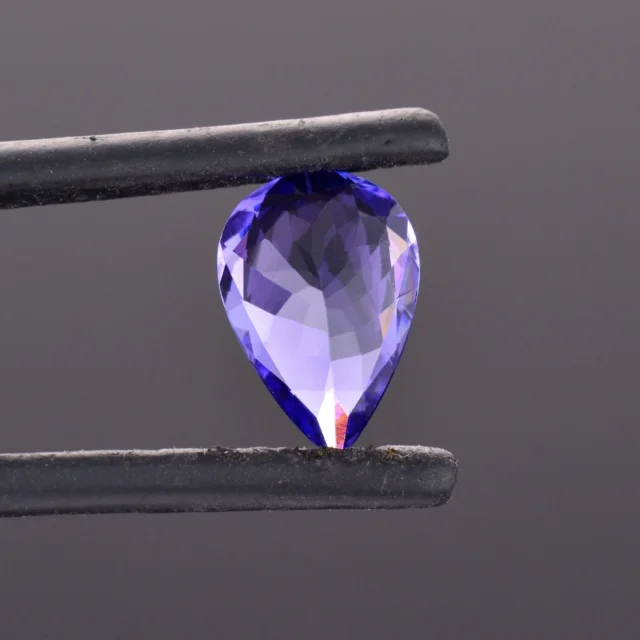
Tanzanite is one of the most captivating gemstones ever discovered — admired for its rich blue-violet color and remarkable rarity. Scientifically known as the blue-violet variety of the mineral Zoisite, tanzanite is found in only one small area of northern Tanzania, near Mount Kilimanjaro.
Its limited geographic occurrence and stunning color make it a thousand times rarer than diamond. Since its discovery in 1967, this gem has captured the attention of geologists, gemologists, and jewelry lovers around the world.
Geological Origin and Discovery
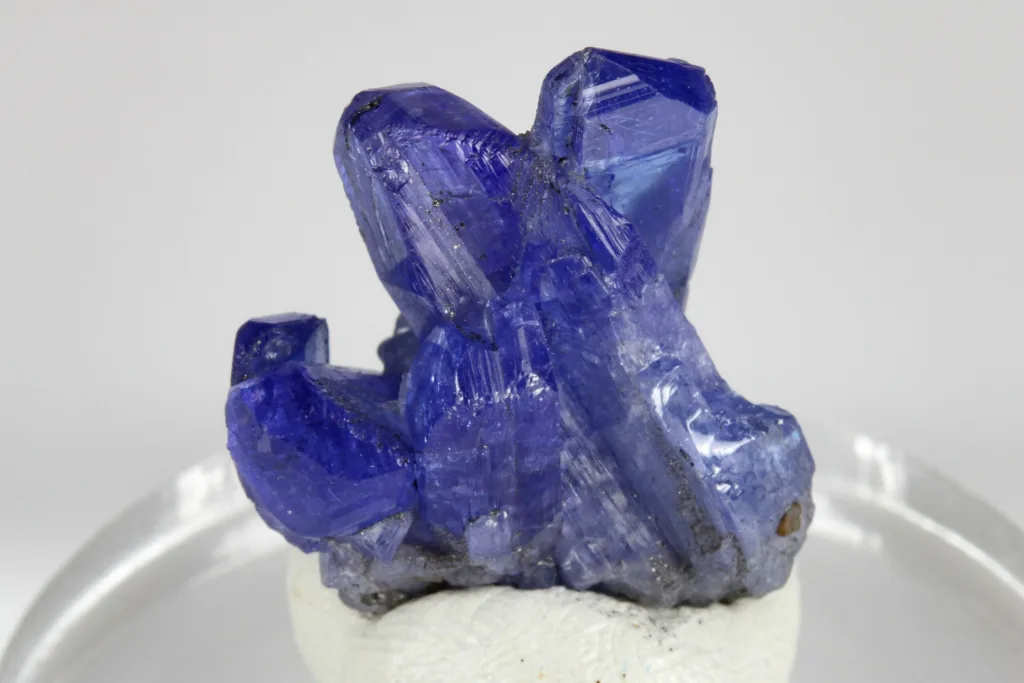
Tanzanite was discovered accidentally in Merelani Hills, Arusha Region, Tanzania in 1967. Local Maasai herders noticed brilliant blue crystals lying on the ground after a lightning-induced bushfire. Later studies confirmed that these crystals were a rare variety of the mineral zoisite, colored by trace amounts of vanadium (V³⁺).
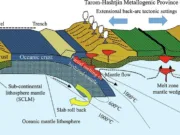
The mineral forms in metamorphic rocks, particularly within graphite-bearing gneisses and schists, under high temperature and pressure conditions. Its formation is associated with regional metamorphism and metasomatic alteration processes.
Key geological facts:
- Host rock: Graphitic gneiss and quartzite
- Formation temperature: 600–700 °C
- Associated minerals: Grossular garnet, diopside, tremolite, and graphite
- Geological age: Precambrian (approximately 585 million years)
Chemical Composition and Structure
Tanzanite belongs to the sorosilicate mineral group and shares the same structure as zoisite.
Chemical Formula:Ca₂Al₃(SiO₄)(Si₂O₇)O(OH)
Crystal System: Orthorhombic
Color Cause: Vanadium (V³⁺) substituting for aluminum within the crystal lattice
Tanzanite’s most striking feature is its strong pleochroism — it shows three distinct colors depending on viewing direction: blue, violet, and burgundy-red. This optical effect makes each gemstone unique.
| Property | Description |
|---|---|
| Mineral group | Sorosilicates (Zoisite variety) |
| Formula | Ca₂Al₃(SiO₄)(Si₂O₇)O(OH) |
| Crystal system | Orthorhombic |
| Color | Blue-violet, violet-purple, burgundy (trichroic) |
| Hardness | 6.5 – 7 on Mohs scale |
| Cleavage | Perfect in one direction |
| Luster | Vitreous (glass-like) |
| Specific gravity | ~3.35 |
| Transparency | Transparent to translucent |
Heat Treatment and Color Enhancement
Most natural tanzanite crystals appear brownish or dull blue before treatment. Heating them to around 500–600 °C in a controlled environment removes brown tones and enhances the vivid blue-violet color.
This treatment is stable and permanent — almost all tanzanites in jewelry are heat-treated. The color improvement process mimics the natural heating that occurred in geological time.
Note: Untreated tanzanite is extremely rare and valuable among collectors.
Physical and Optical Properties
Tanzanite’s optical brilliance and vibrant color make it one of the most desirable gemstones in the world. However, it is also relatively delicate compared to other gems like sapphire or diamond.
- Hardness: 6.5–7 → softer than quartz
- Cleavage: Perfect, so it can split easily if struck
- Refractive Index: 1.691–1.700
- Birefringence: 0.008–0.013
- Optical character: Biaxial positive
Because of its cleavage, cutting tanzanite requires exceptional skill. Expert lapidaries must orient the crystal to maximize color and minimize fragility.
Tanzanite Mining and Rarity
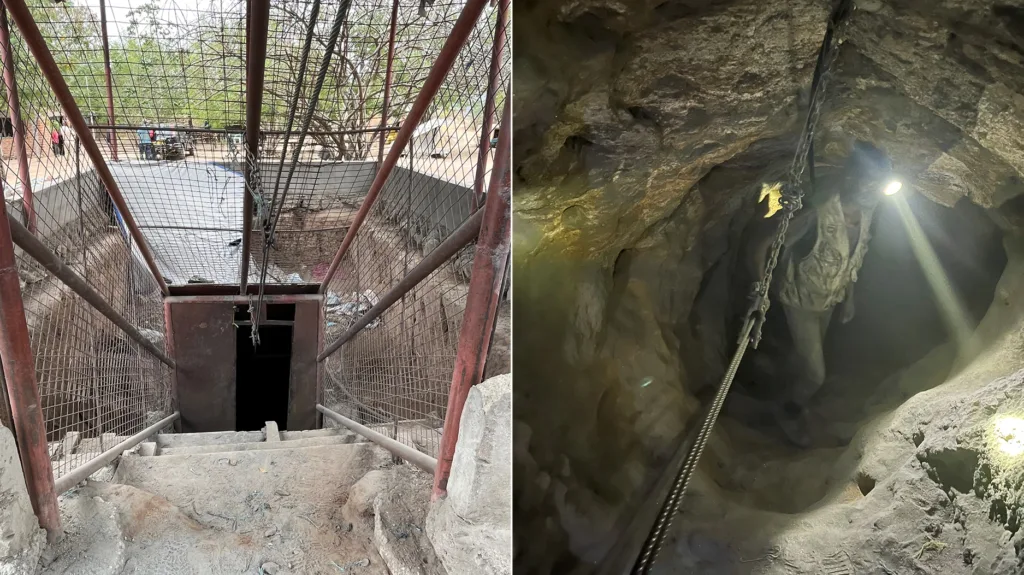
Tanzanite is mined exclusively in a 4 km-long and 2 km-wide area in Merelani Hills, near Arusha, northern Tanzania.
This small mining area is divided into four main blocks (A, B, C, and D) controlled by different mining operations, including artisanal miners and large companies.
The rarity of tanzanite comes from:
- Single geographic origin – only one known source in the world.
- Limited supply – the deposit may be exhausted within a few decades.
- High demand – global popularity in jewelry markets.
Value Factors and Grading
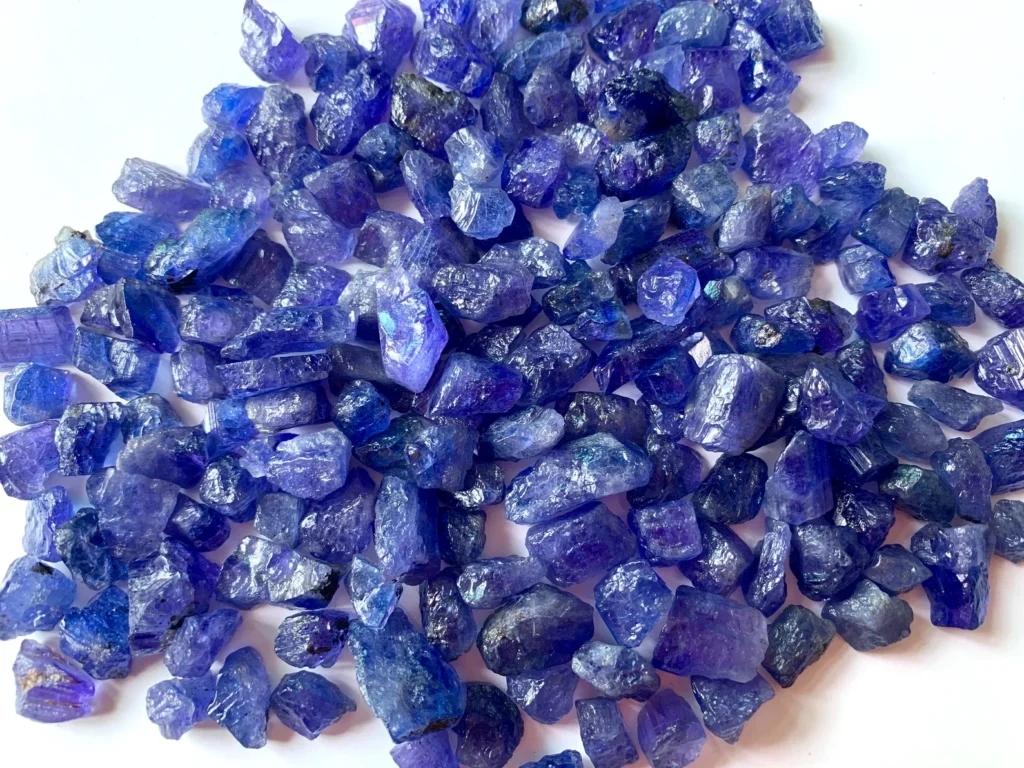
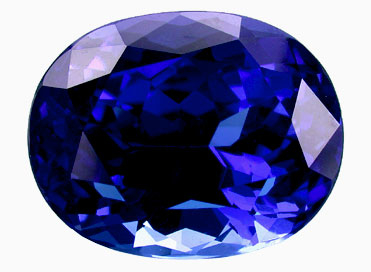
Like other gemstones, tanzanite’s value depends on the four Cs: color, clarity, cut, and carat weight.
- Color: Deep violet-blue with slight purple undertones is most valuable.
- Clarity: Eye-clean stones command higher prices.
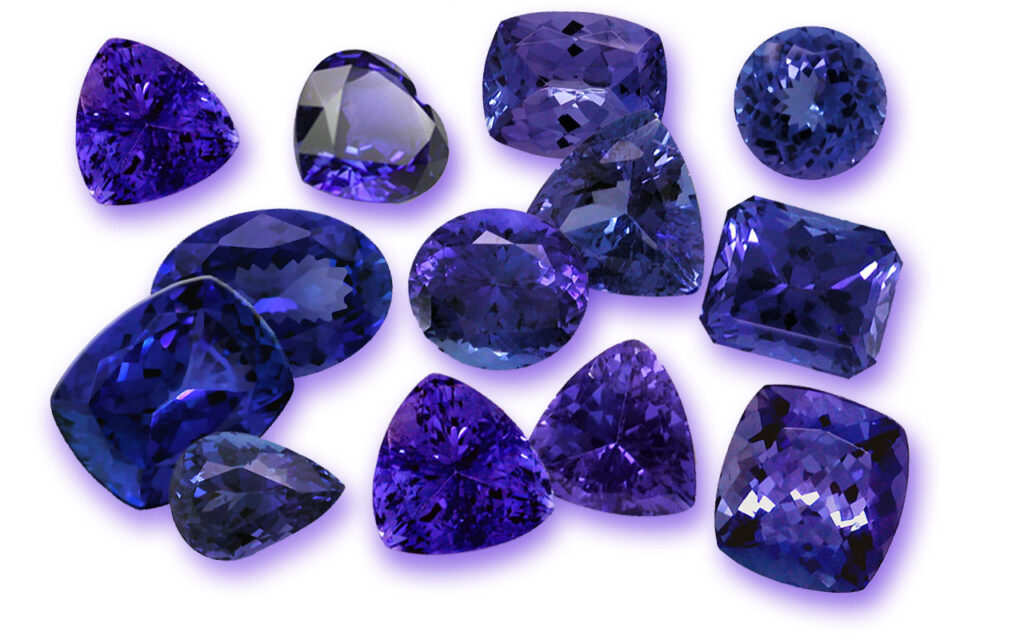
- Cut: Well-cut gems enhance brilliance; cushion and oval cuts are most popular.
- Carat weight: Larger stones (over 5 carats) are significantly rarer.
As of recent years, fine-quality tanzanite may reach prices between $500–$1500 per carat, depending on intensity and clarity.
Factors Contributing to Tanzanite’s Rarity

Several factors contribute to the rarity of tanzanite:
- Geological exclusivity: Tanzanite is only found in a small region of Tanzania, making it geologically rare compared to other gemstones found in multiple locations.
- Limited supply: The finite nature of tanzanite deposits means that its availability is limited, with estimates suggesting that the current supply may be depleted within a few decades.
- Unique conditions: The specific geological conditions required for tanzanite formation occur in a limited geographic area, further contributing to its rarity.
Comparison with Other Gemstones
Tanzanite is often compared to other blue gemstones like sapphire, but its unique color and properties set it apart. While sapphire is more durable with a higher Mohs hardness of 9, tanzanite’s distinctive trichroic color and rarity make it equally desirable.
In terms of exclusivity, tanzanite is more geographically restricted than most other gemstones, such as diamonds, rubies, and emeralds, which are found in various parts of the world. This exclusivity enhances its allure and makes it a sought-after gem for collectors and jewelry enthusiasts.
In conclusion, tanzanite’s geological formation, unique composition, and limited geographic availability make it a gemstone of exceptional rarity and exclusivity. Its captivating beauty and rich color, combined with its rarity, continue to fuel its demand and value in the global gemstone market.
Uses in Jewelry
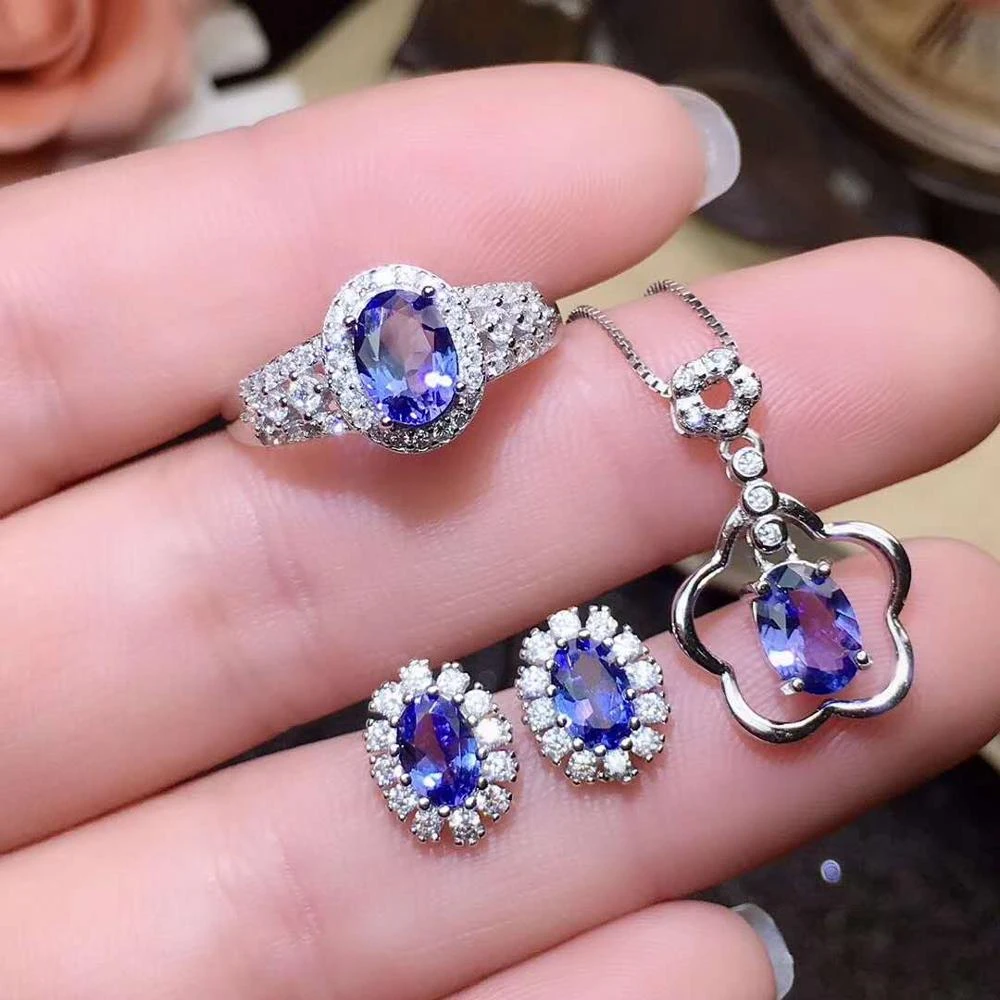
Tanzanite is prized in rings, earrings, pendants, and bracelets. Its unique color shifts between blue and violet under different light sources, adding to its visual appeal.
However, due to its moderate hardness and perfect cleavage, it requires careful handling. It’s best used in pendants or earrings rather than daily-wear rings.
Jewelry design tip: Setting tanzanite in white gold or platinum enhances its blue tones; yellow gold emphasizes the violet hues.
Care and Maintenance
Tanzanite should be treated gently:
- Avoid ultrasonic and steam cleaners.
- Clean with warm soapy water and a soft brush.
- Store separately to prevent scratching.
- Avoid sudden temperature changes and high heat.
Ethical and Sustainable Mining

The Tanzanian government regulates tanzanite mining to ensure fair trade and environmental responsibility. Initiatives like the Tanzanite Foundation promote community benefits and transparency in the gemstone trade.
When purchasing tanzanite, consumers should look for:
- Certified origin (Merelani Hills, Tanzania)
- Ethical mining documentation
- Responsible supply chain sourcing
Interesting Facts

- It’s often called the “Gemstone of Transformation”, symbolizing new beginnings and spiritual growth.
- Tanzanite is 1,000 times rarer than diamond.
- It was named by Tiffany & Co. after its country of origin.
- It exhibits trichroism — showing blue, violet, and burgundy depending on light direction.
- It’s considered a birthstone for December, along with turquoise and zircon.
FAQ About Tanzanite
Q1: Is Tanzanite a natural gemstone or man-made?
Tanzanite is completely natural, though most crystals are heat-treated to enhance color.
Q2: How rare is Tanzanite compared to Diamond?
It’s up to 1,000 times rarer because it occurs only in a small region of Tanzania.
Q3: Does Tanzanite fade over time?
Under normal conditions, no. But extreme heat or sunlight exposure can alter its color slightly.
Q4: What’s the best way to clean Tanzanite jewelry?
Use mild soap, warm water, and a soft cloth — avoid ultrasonic or steam cleaning.
Q5: Is Tanzanite good for engagement rings?
It can be used, but with protective settings and occasional wear — not ideal for everyday rings.
Major Tanzanite Mining Areas

Tanzanite is mined exclusively in a small area of northern Tanzania, near the foothills of Mount Kilimanjaro, within the Merelani Hills (also spelled Mererani Hills), located about 40 kilometers southeast of Arusha. This is the only known source of gem-quality tanzanite in the world.
The entire tanzanite deposit covers only about 8 square kilometers, making it one of the most geographically restricted gemstone deposits on Earth.
1. Mererani Hills, Arusha Region
This is the heart of all tanzanite mining activity. The deposit lies within a Precambrian metamorphic belt, characterized by graphite-rich gneisses, quartzites, and schists. The gem-bearing layers are found at depths ranging from 100 to over 800 meters below surface.
The Tanzanian government has divided the mining area into four main blocks (A, B, C, and D) to organize operations and improve regulation.

| Block | Operator Type | Description |
|---|---|---|
| Block A | Artisanal & small-scale miners | Shallow workings and manual mining methods; produces small to medium-quality stones. |
| Block B | Medium-scale miners | Semi-mechanized operations; consistent production of commercial-grade stones. |
| Block C | Large-scale mining company (TanzaniteOne Mining Ltd.) | Deep underground mining using modern equipment; produces the majority of fine gem-quality tanzanite. |
| Block D | Local miners’ cooperative (Tanzanian citizens) | Managed by local associations; focuses on sustainable small-scale extraction. |
Famous Tanzanite Jewelry Pieces
Tanzanite’s mesmerizing blue-violet color has inspired some of the world’s most spectacular jewelry creations. From royal collections to Hollywood red carpets, this rare gemstone has become a modern icon of luxury and elegance.
Below are some of the most famous and historically significant tanzanite jewelry pieces ever crafted.
1. The Queen of Kilimanjaro Tiara

One of the largest and most famous tanzanite jewelry pieces in the world, the Queen of Kilimanjaro Tiara features a magnificent 242-carat tanzanite set in a platinum and diamond tiara.
Designed by Le Vian Jewelers, the tiara includes 803 tsavorite garnets and 913 diamonds, symbolizing the rich gem diversity of East Africa.
It’s named after Mount Kilimanjaro, the iconic landmark near the gemstone’s only source in Tanzania.
2. The Majestic Tanzanite Necklace by Tiffany & Co.
Tiffany & Co., the company that named tanzanite after its country of origin in 1968, remains one of its greatest promoters.
The Majestic Tanzanite Necklace, introduced in the early 2000s, features a deep violet-blue 175-carat tanzanite surrounded by brilliant-cut diamonds.
The necklace represents the perfect blend of American jewelry artistry and African gemstone heritage, and it helped establish tanzanite as a global luxury gemstone.
3. Kate Winslet’s Tanzanite Red Carpet Jewelry
At the 2010 Oscars, actress Kate Winslet appeared wearing tanzanite and diamond earrings designed by Tiffany & Co.
The striking violet-blue gemstones perfectly complemented her silver gown and caught the attention of media worldwide.
This event significantly boosted public interest in tanzanite as a red-carpet gem rivaling sapphire and aquamarine.
4. Elizabeth Taylor’s Tanzanite Suite
The legendary actress and jewelry collector Elizabeth Taylor owned one of the earliest custom-made tanzanite suites — consisting of a necklace, earrings, and ring gifted to her by Richard Burton in the 1970s.
This set featured vivid violet-blue tanzanites totaling over 120 carats, surrounded by diamonds and set in yellow gold.
Taylor’s love for colored gemstones helped introduce tanzanite to Western jewelry culture.
5. The Tanzanite One Royal Collection
Created by TanzaniteOne Mining Ltd., this collection includes several award-winning jewelry designs showcasing top-quality stones from the Mererani Hills.
Each piece is handcrafted by local Tanzanian artisans and set in ethical gold, combining luxury with sustainability.
Highlights include:
- The Kilimanjaro Pendant – featuring a flawless 60-carat tanzanite.
- The Merelani Star Ring – a deep violet stone surrounded by diamond rays symbolizing the African sky.
6. The “Poseidon” Tanzanite Pendant
Unveiled in 2019, the Poseidon pendant holds one of the largest faceted tanzanites ever cut — weighing 735 carats.
The gem’s intense blue hue and exceptional clarity make it a true masterpiece of lapidary art.
Designed by Tsavorite USA, this pendant showcases the gemstone’s brilliance under ocean-inspired lighting, highlighting tanzanite’s unique trichroic colors.
7. The Duchess of Cambridge Tanzanite Set
In 2015, Catherine, Duchess of Cambridge (Kate Middleton), wore a tanzanite and diamond jewelry set at a London charity gala.
Designed by G. Collins & Sons, the royal jeweler, the set included earrings, a pendant, and a matching ring featuring vivid blue-violet stones.
After this appearance, global searches for “tanzanite jewelry” surged dramatically, reaffirming its popularity in the luxury market.
Why These Pieces Matter
These famous creations highlight how a gemstone discovered only in 1967 rapidly became one of the most desirable in modern history.
Each masterpiece tells a story of rarity, artistry, and the deep geological roots of East Africa.
Whether displayed in royal collections or Hollywood showcases, tanzanite continues to represent elegance, transformation, and the mystery of the Earth’s hidden beauty.
It’s important to note that while these gemstones share some similarities with Tanzanite in terms of color, they may differ in other characteristics such as hardness, brilliance, and rarity. When considering alternatives to Tanzanite, it’s advisable to choose a gemstone that aligns with your preferences, budget, and desired qualities.
References
- Deer, W.A., Howie, R.A., & Zussman, J. (1992). An Introduction to the Rock-Forming Minerals (2nd ed.). Longman Scientific & Technical. — Detailed mineralogical description of Zoisite and its varieties including Tanzanite.
- Hughes, R.W. (2017). Tanzanite: Gemology, Mines and Market. Lotus Gemology. — Comprehensive study on tanzanite’s gemological properties and its commercial importance.
- Pohl, W. (2020). Economic Geology: Principles and Practice. Wiley-Blackwell. — Discussion on the economic geology and rarity of Tanzanite deposits in Tanzania.
- Laurs, B.M., & Zwaan, J.C. (2006). “Gem Localities of East Africa: Tanzania and Kenya.” Gems & Gemology, 42(4), 290-310. — Peer-reviewed article on gemstone occurrences including tanzanite.
- Zwaan, J.C., Kanis, J., & Kersten, F. (1997). “Geology and Mineralogy of the Merelani Tanzanite Deposit.” Journal of Gemmology, 25(6), 385-400. — Authoritative source on the geological setting and mineral formation.
- Simonet, C., et al. (2008). “Gemstone Resources of Tanzania.” Geology of Gem Deposits, 2nd ed., Mineralogical Association of Canada. — Explains host rocks, metamorphic processes, and genesis.
- Shigley, J.E., et al. (2001). “The Gemological Characteristics of Tanzanite.” Gems & Gemology, 37(4), 274-295. — Optical, chemical, and treatment studies of tanzanite specimens.
- Keller, P.C. (1981). Gemstones of East Africa. Geoscience Press. — Classic overview of East African gemstones and their geological origin.
- Tanzanian Ministry of Minerals (2022). Annual Mining Report. Dodoma, Tanzania. — Official data on tanzanite production and regulation.
- Tiffany & Co. Archives (1968). Press Release on Tanzanite Launch. — Historical record of the gemstone’s introduction to the global jewelry market.