






The Geological Origin, History, Layered Structure and Why This Dark, Banded Stone Has Been Valued for Centuries
Onyx is a stone that leaves a heavy, solid, stable feeling the moment you hold it in your hand; its dark colors, sharp bands, and smooth polish make it instantly recognizable. Some stones show off with brightness, some catch light, some have rainbow effects. Onyx is the opposite: it has a strength that comes from simplicity, a calm and confident look. Maybe that’s why it has held a special place both in ancient jewelry and modern decorative objects, as well as in semi-precious stone collections.
But there is so much misinformation about onyx…
Is it natural?
Is it dyed?
Is it chalcedony?
Is it agate?
Why is it sometimes fully black, sometimes white-banded?
How do you tell real onyx?
All these answers actually lie in geology itself. Because onyx is chemically simple at first glance, but its formation process and varieties belong to a much broader stone family.
This article explains how onyx forms, which minerals it consists of, why it is sometimes black-white banded or sometimes single-colored, in which countries it is found, how it is valued, and how to distinguish real vs treated onyx, in the clearest and most human-flowing way.
1. What Is Onyx? – The Banded Member of the Chalcedony Family
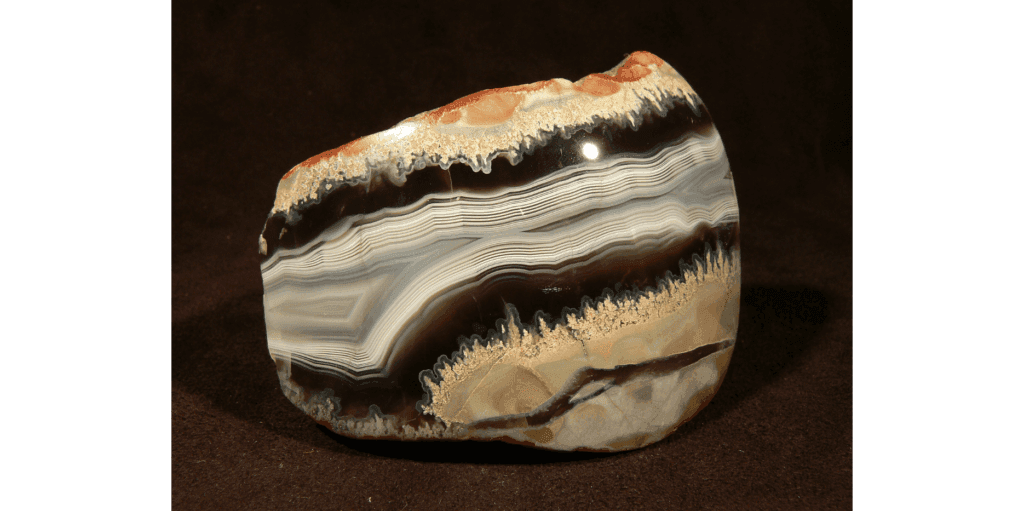
Onyx technically belongs to the chalcedony group.
Chalcedony is:
- microcrystalline quartz
- usually banded
- opaque to translucent
- hardness 6.5–7 Mohs
- chemically SiO₂
What separates onyx from other chalcedonies is its band structure.
The bands of onyx:
- thin
- parallel layers
- black–white or brown–white
- very ordered
- give a layered, tabular appearance
This ordered structure is what separates it from agate.
Agate has wavy, chaotic bands.
Onyx has ruler-straight bands.
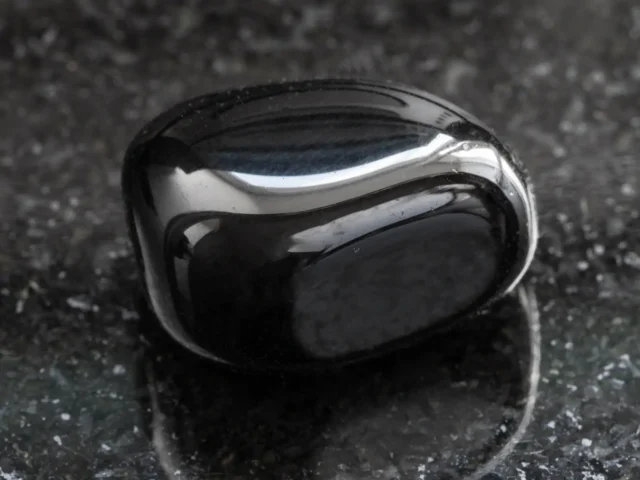
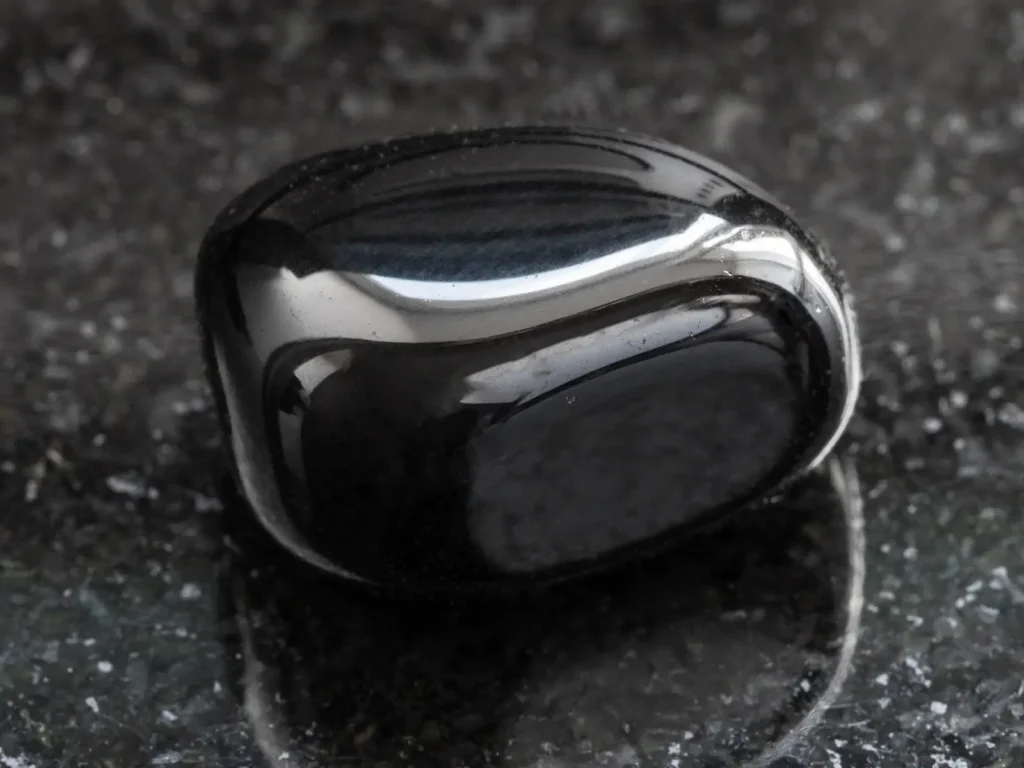
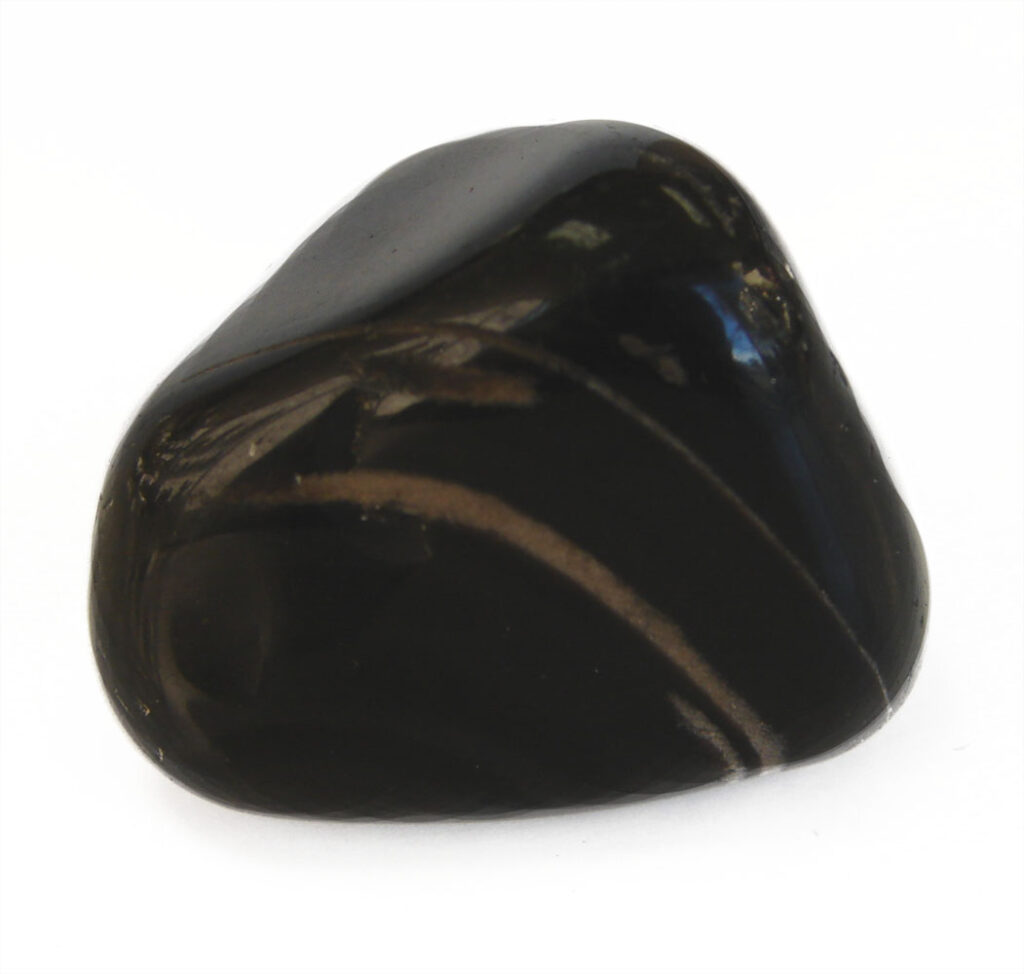
Natural onyx is usually black-white banded. Fully black varieties on the market are mostly treated. This is important because most “jet black onyx” sold today is dyed.
2. How Does Onyx Form? – Layered Silica Deposition
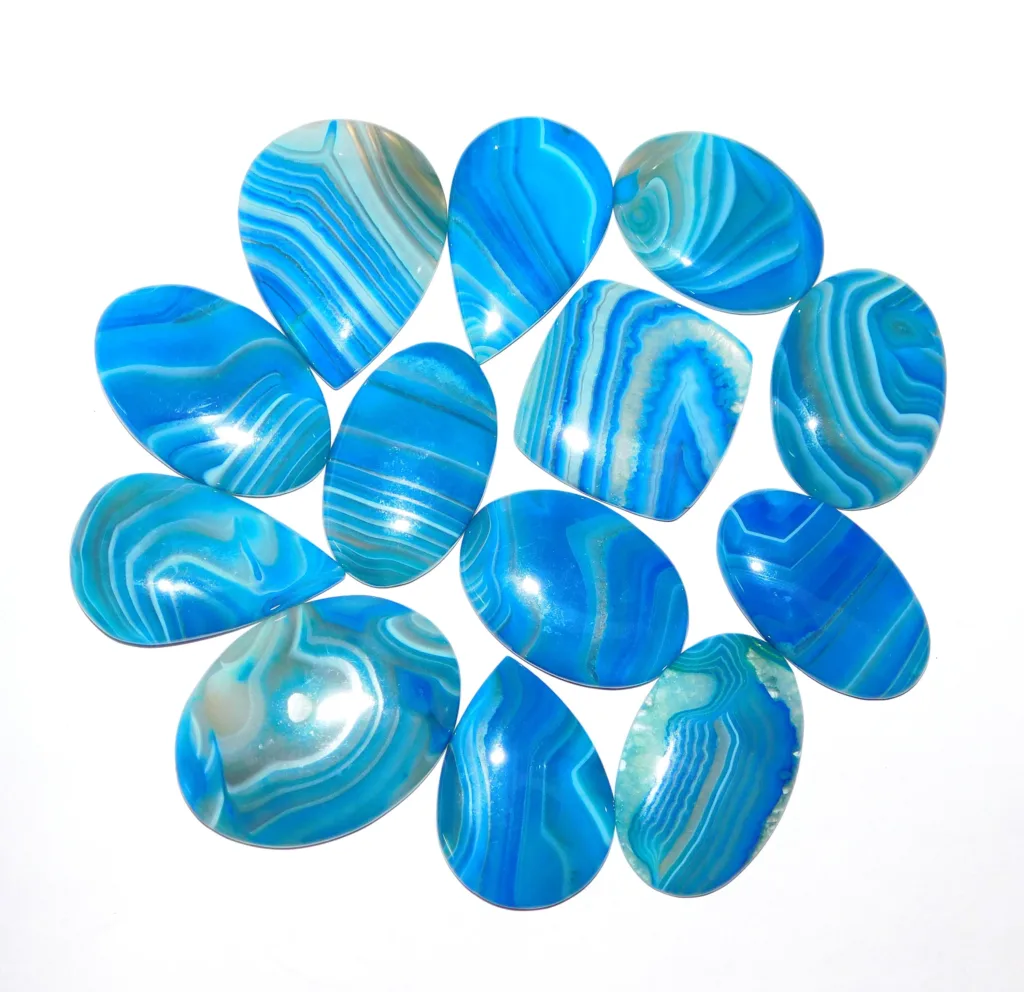
The formation of onyx is similar to chalcedony, but the deposition is more organized. This organized structure develops when silica-rich groundwater deposits layer after layer inside cracks and voids.
More understandable steps:
1. Underground waters become enriched with silica.
Very common in volcanic regions.
2. These silica-rich waters fill rock fractures.
3. With changes in temperature and pressure, silica begins to precipitate.
4. Each deposition cycle forms a new layer.
White, black, brown, gray… depending on the chemistry of that period.
5. These layers repeat for years or thousands of years, creating parallel bands.
The beauty of onyx comes from this slow, patient process. Every band carries the memory of a period.
3. Why Does Onyx Have So Many Colors?
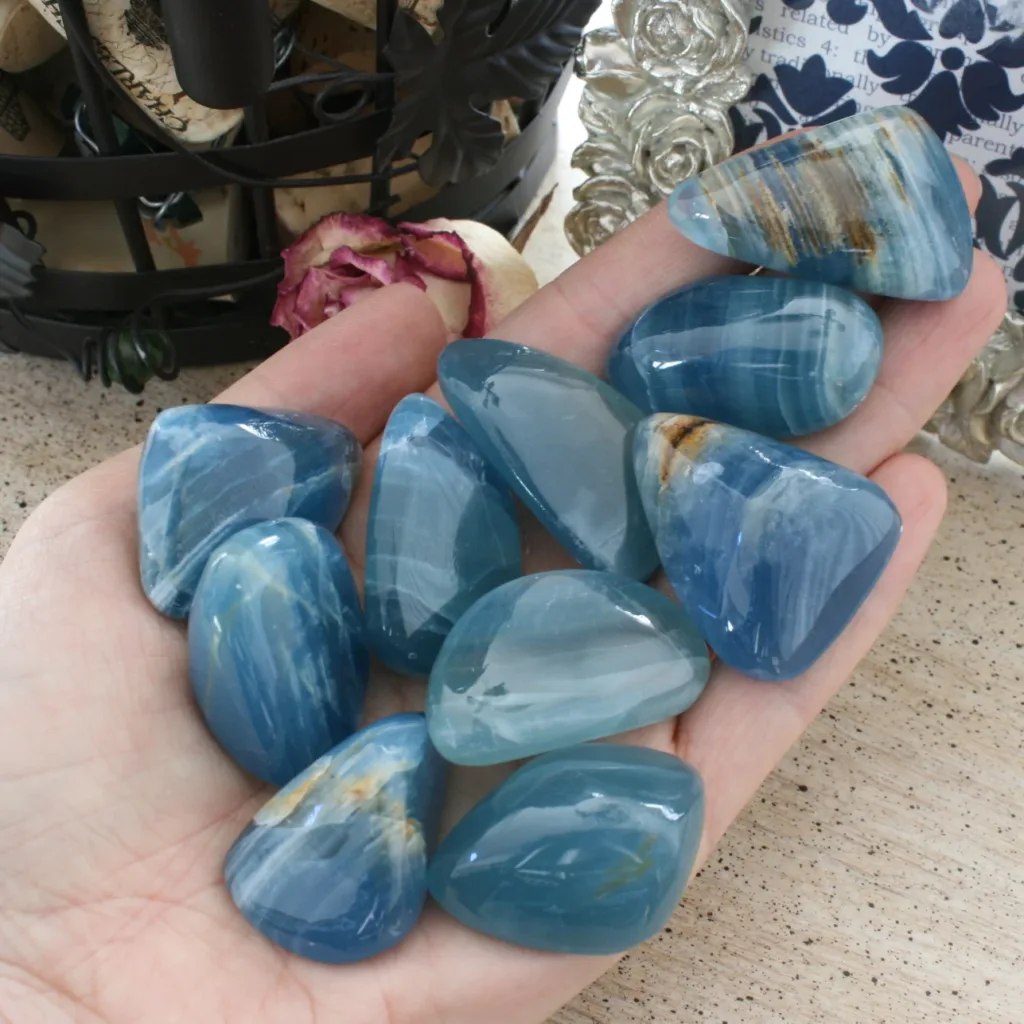
Natural onyx is mostly black–white banded.
But on the market you may see:
- completely black
- blue-black
- reddish
- brown
- green tones
These colors come from one of three sources:
1. Natural mineral inclusions
Iron oxide → brown
Carbon → deep black
Organic residues → gray tones
2. Heat treatment
3. Dyeing
Most “jet black” onyx pieces are dyed chalcedony.
The most natural form of onyx is actually “sardonyx,” the brown-white banded variety. In Roman times this was the most commonly used stone in rings and seals.
4. The Difference Between Onyx and Sardonyx
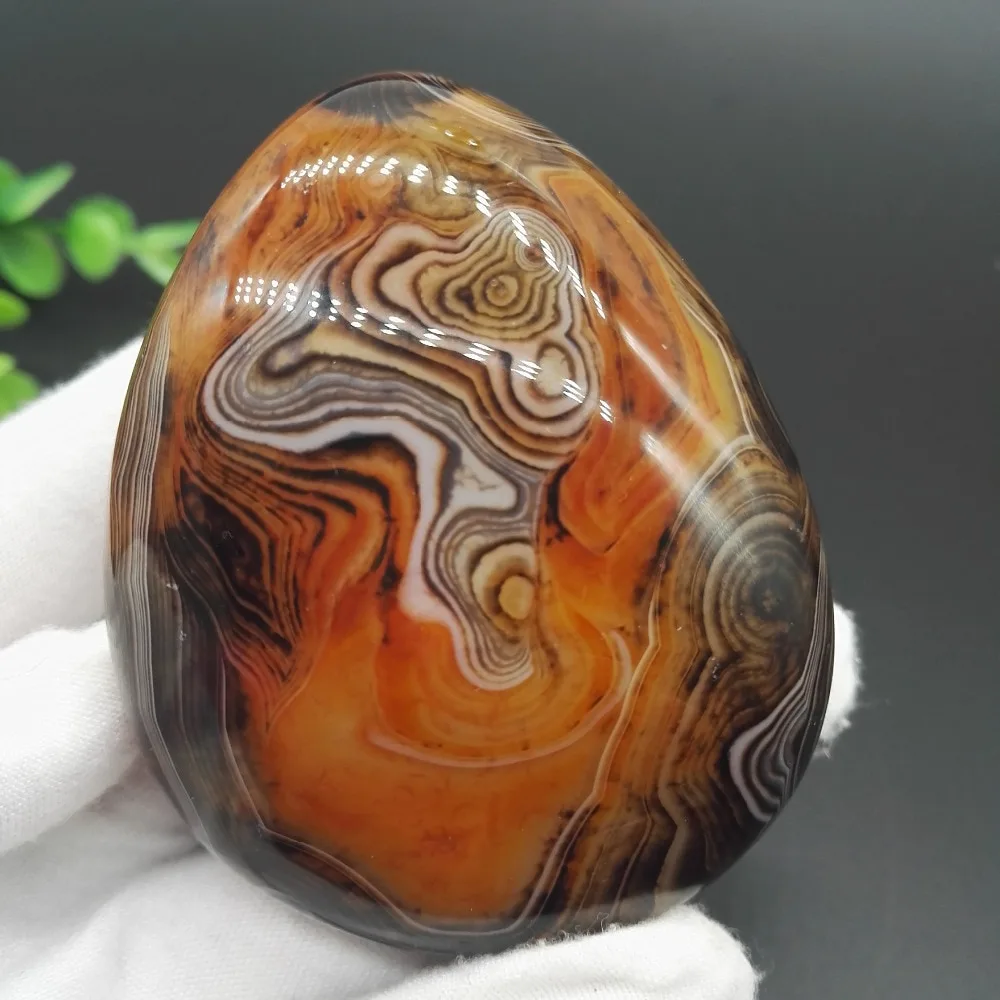
A very common confusion, so here is the clear explanation:
Onyx:
Black–white parallel banded chalcedony.
Sardonyx:
Brown–reddish–white banded chalcedony.
Contains “sard” (brown quartz), which changes the color.
Both belong to the same family, only color differences separate them.
5. Where Is Onyx Found?
Onyx is not extremely rare but also not very common. Important deposits include:
- India → center of natural black-white banded onyx
- Brazil → strong producer of chalcedony and sardonyx
- Pakistan → brown and green onyx types
- Mexico → decorative onyx slabs and carvings
- Yemen → historically famous for black onyx
- Turkey (Çankırı, Eskişehir, Kütahya) → banded chalcedony
- USA (Arizona, California) → decorative onyx varieties
Large decorative “onyx slabs” come mostly from Mexico and Pakistan, but jewelry-grade onyx beads mostly come from India and China.
6. Physical Properties of Onyx
- Chemical formula: SiO₂
- Hardness: 6.5–7 Mohs
- Density: 2.55–2.65
- Crystal system: Cryptocrystalline
- Transparency: Opaque to translucent
- Luster: Vitreous
- Banding: Parallel and sharp
This makes onyx durable and suitable for jewelry.
7. Is Black Onyx Real? (Most Asked Question)

Short answer:
Most of the time, NO.
Most black onyx on the market is:
- banded onyx that has been dyed
or - a different chalcedony that has been heat + dye treated to appear black.
Natural black onyx is rare and more expensive.
Natural black onyx:
- has faint veins
- is not perfectly uniform
- has very slight gray or uneven shading
- is more matte
If a stone is perfect black and very polished, it is likely treated.
8. Common Uses of Onyx
1. Jewelry
Rings, pendants, bracelets, earrings.
Extremely popular in men’s jewelry.
2. Decorative objects
Vases, lamps, carved ornaments.
3. Carving work
Sardonyx has been used in ancient seal rings.
4. Energy stones
Meditation, grounding rituals.
5. Architecture
Large translucent onyx panels in luxury interiors.
9. How Is Onyx Valued?
Its value depends on:
1. Band quality
Sharp, parallel bands are valuable.
2. Color stability
Uniform black or uniform brown increases price.
3. Natural vs treated
Natural onyx can be 3–5 times more expensive.
4. Cutting and polish
A smooth, flawless surface adds value.
5. Size
Large, perfect pieces are rare.
10. How to Tell Real Onyx From Fake?
✔ If it is too perfect black → likely dyed
✔ If it scratches easily → could be glass
✔ If there are round bubbles inside → definitely glass
✔ Temperature test → real stone feels colder
✔ Price test → cheap “black onyx” cannot be natural
11. The History of Onyx – From Ancient Times to Today
Onyx was extremely popular in Roman times, mainly because:
- it was easy to carve
- perfect for seal rings
- color contrast allowed detailed engravings
Roman soldiers often carried sardonyx rings.
In medieval Europe, it was considered a protection stone.
Today, minimalistic modern jewelry revived its popularity again.
12. Is Onyx Natural? Does It Have “Energy”?
In spiritual communities onyx is considered:
- a protection stone
- an absorber of negative energy
- a stone for focus
- a symbol of strength
These are not scientifically proven.
But many people simply like its weight, contrast, and calming dark tone.
13. Other Onyx Varieties
- Black Onyx → mostly dyed
- Sardonyx → brown-white
- Green Onyx → often marble, not true onyx
- Honey Onyx → yellow decorative stone
- Onyx Marble → travertine/marble, not real onyx
Onyx marble ≠ Onyx gemstone.
A very common misunderstanding.
Conclusion – Onyx Is a Stone That Draws Power From Simplicity
Onyx is one of the most recognizable members of the chalcedony family.
Its beauty comes from the orderly banding and long geological timeline.
Even though most black onyx today is treated, natural banded onyx still holds cultural and aesthetic value.
Onyx’s strength lies in its simplicity.
It doesn’t shine too much, it doesn’t show rainbow colors… but when you hold it, you feel its weight and timeless character.