
















A Rock That Shapes Landscapes and Records Earth’s Past
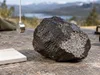
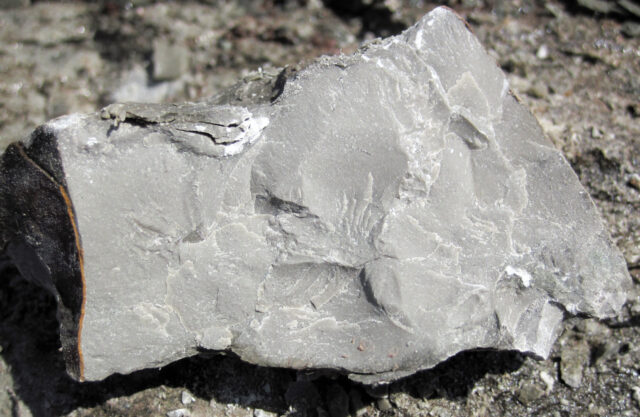
Limestone is one of the most abundant and widely used sedimentary rocks on Earth. Formed primarily from the skeletal fragments of marine organisms such as corals and mollusks, this rock tells the story of ancient oceans and the dynamic processes that shape our planet’s surface.
From the towering cliffs of Dover to the intricate karst caves of Vietnam, limestone is both a building block of civilization and a key player in Earth’s natural carbon cycle.
What is Limestone?
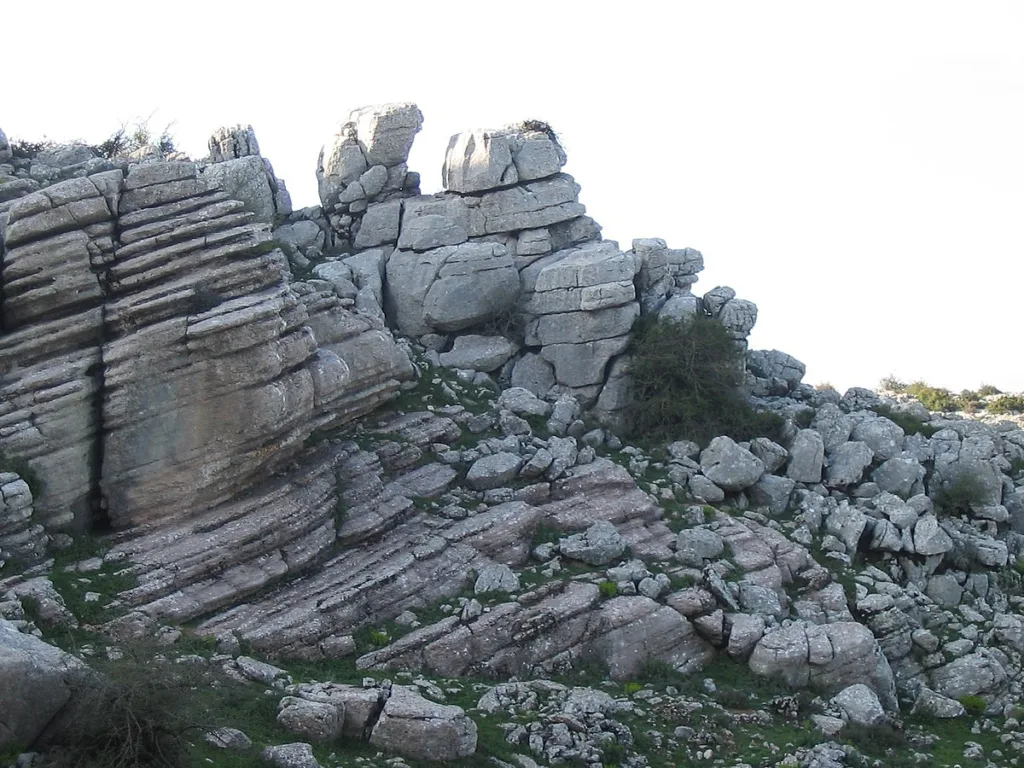
Limestone is a carbonate sedimentary rock composed mainly of calcium carbonate (CaCO₃), most commonly in the mineral form calcite, and less frequently aragonite. It forms through two main pathways:
- Biological accumulation of shells, corals, algae, and microorganisms
- Chemical precipitation of calcium carbonate from water
Depending on impurities and depositional conditions, limestone may appear white, gray, yellow, brown, or bluish, with textures ranging from fine-grained mudstone to coarse crystalline rock.
Physical Properties of Limestone
| Property | Description |
|---|---|
| Rock Type | Sedimentary (carbonate) |
| Main Minerals | Calcite, aragonite |
| Chemical Formula | CaCO₃ |
| Mohs Hardness | ~3 |
| Density | 2.7–2.9 g/cm³ |
| Texture | Clastic or crystalline |
| Color | White, gray, yellow, brown |
| Fossil Content | Common |
| Solubility | High in weak acids |
These properties make limestone relatively easy to carve, chemically reactive, and highly sensitive to weathering—especially in humid climates.
Formation of Limestone

Limestone forms primarily in warm, shallow marine environments, typically less than 100 meters deep, where calcium carbonate production exceeds sediment dilution.
1. Biochemical Formation
Marine organisms such as corals, foraminifera, mollusks, and algae extract calcium carbonate from seawater to build shells and skeletons. After death, these remains accumulate on the seafloor, compact, and lithify over time.
2. Chemical Precipitation
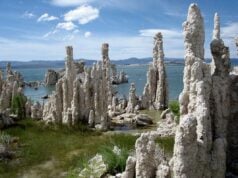
In supersaturated waters, calcium carbonate may precipitate directly, forming rocks like oolitic limestone, travertine, or tufa—often around springs, caves, or evaporative settings.
3. Diagenesis
Compaction, cementation, and recrystallization transform loose sediment into solid limestone. Magnesium-rich fluids may alter limestone into dolomite, increasing hardness and resistance to weathering.
Composition and Mineralogy
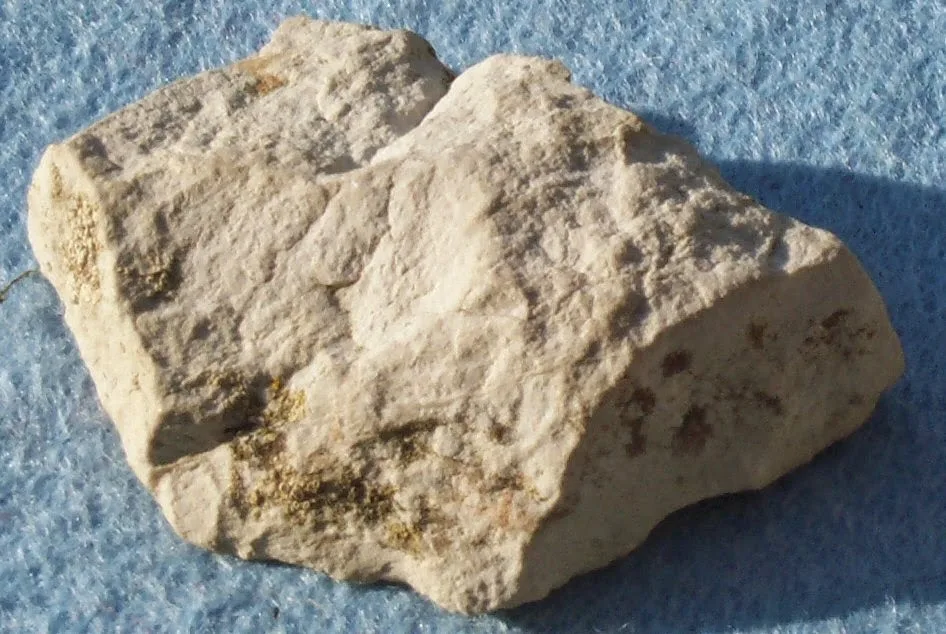
The dominant mineral in limestone is calcite, but additional components may include:
- Aragonite – same chemistry, different crystal structure
- Dolomite (CaMg(CO₃)₂) – magnesium-rich carbonate
- Clay minerals and quartz – from terrestrial input
- Organic matter or pyrite – in low-oxygen environments
These variations control limestone’s strength, porosity, and weathering behavior.
Types of Limestone
- Chalk – Soft, fine-grained limestone made of microscopic plankton
- Coquina – Loosely cemented shell fragments
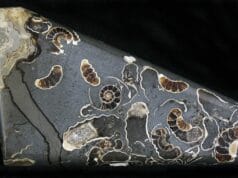
- Fossiliferous Limestone – Visible shells and skeletal remains
- Oolitic Limestone – Small spherical carbonate grains formed in agitated water
- Travertine – Banded limestone from hot springs and caves
- Tufa – Highly porous limestone from cool freshwater systems
Each type reflects a specific depositional environment.
Sedimentary Structures and Textures
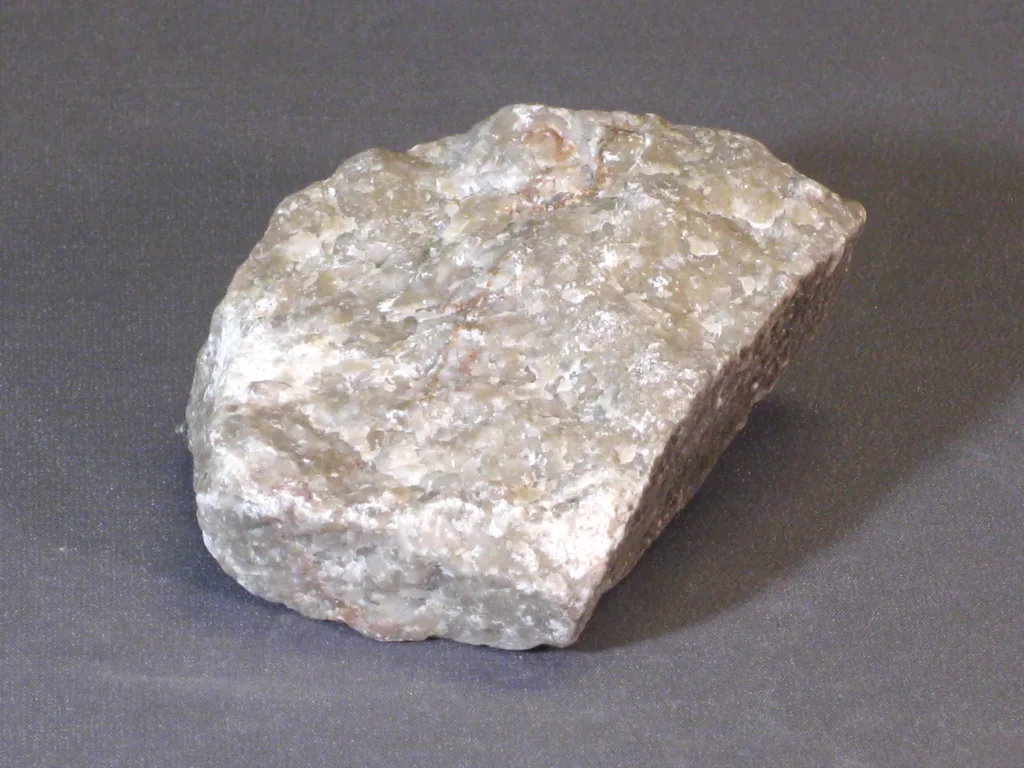
Limestone often preserves features that reveal past environments:
- Bedding and lamination – changes in sediment supply
- Ripple marks and cross-bedding – wave or current activity
- Ooids and fossils – shallow marine conditions
- Stalactites and stalagmites – secondary cave deposits
These textures allow geologists to reconstruct ancient seas with remarkable accuracy.
Karst Landscapes and Caves
Limestone dissolves easily in weakly acidic water, leading to karst topography—one of the most distinctive geological landscapes on Earth.
Karst features include:
- Sinkholes
- Underground rivers
- Extensive cave systems
- Limestone pavements
Famous examples include Mammoth Cave, Yucatan Peninsula, and Ha Long Bay.
Fossils and Geological Time
Limestone is one of the most fossil-rich rock types. It commonly preserves:
- Foraminifera
- Mollusks
- Corals
- Bryozoans
- Crinoids
These fossils provide vital information about:
- Ancient climates
- Sea levels
- Biological evolution
- Geological age (index fossils)
Limestone in the Carbon Cycle
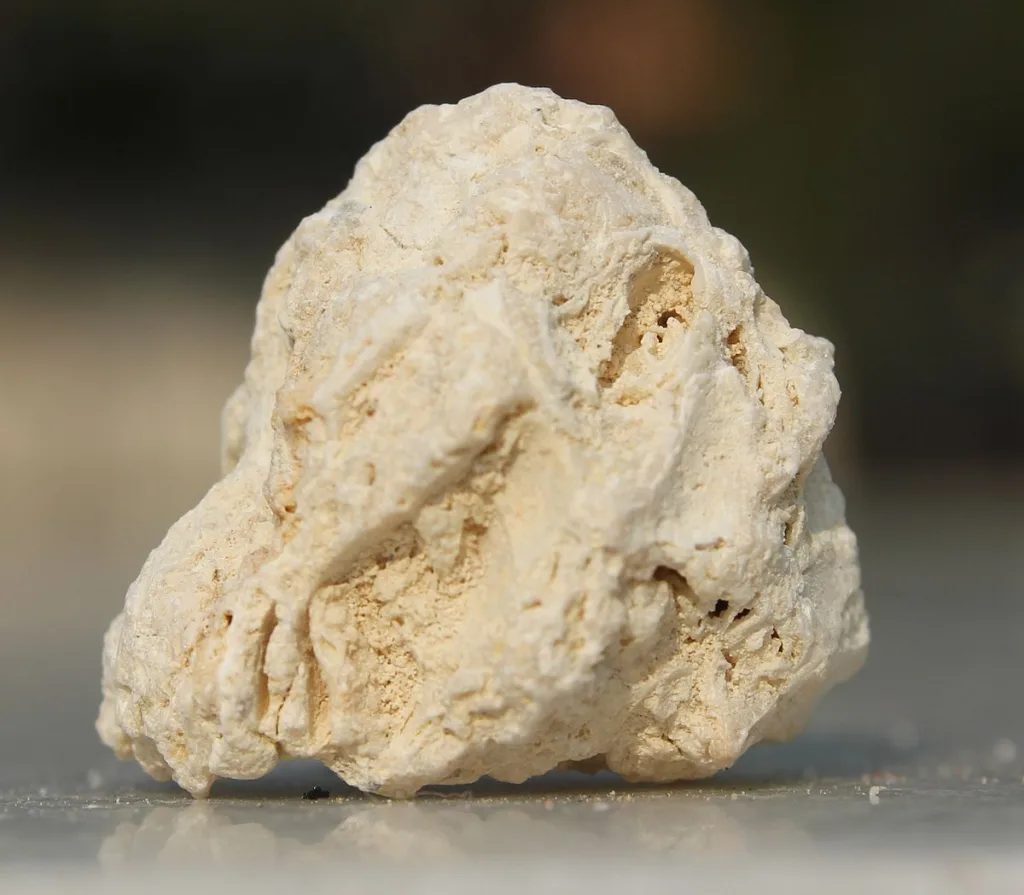
Limestone plays a central role in Earth’s long-term carbon cycle. When organisms build calcium carbonate shells, atmospheric CO₂ becomes locked into solid rock—often for millions of years.
However:
- Cement production releases CO₂
- Acid rain dissolves limestone, returning carbon to water and air
Modern research explores carbon capture in carbonate minerals, potentially turning limestone into a climate solution rather than a liability.
Uses of Limestone
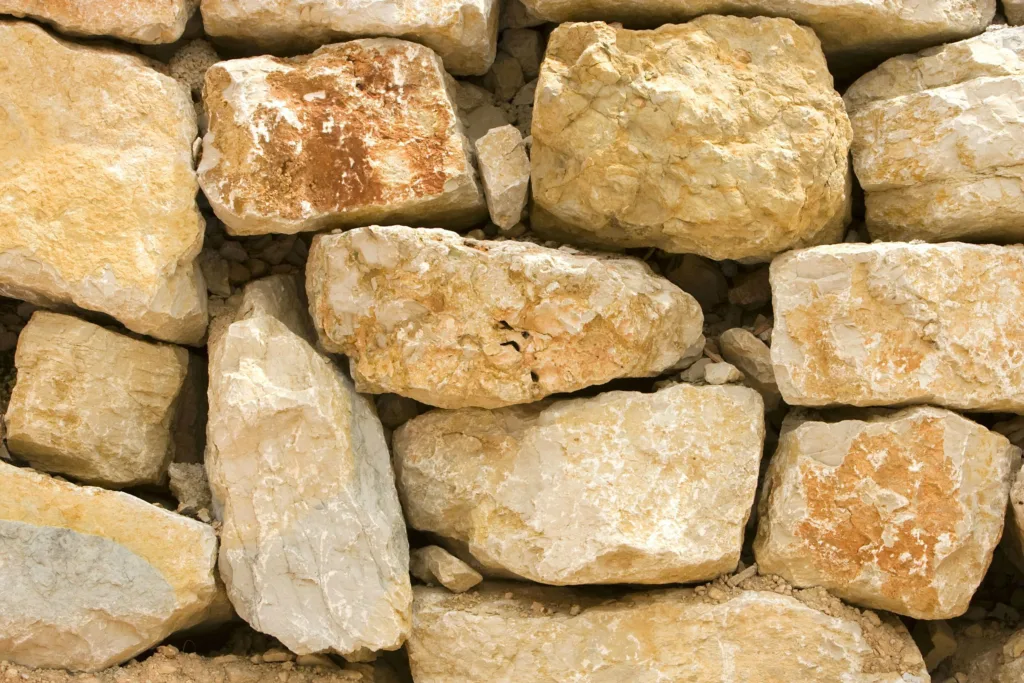
Construction: Used for buildings, roads, monuments, and architectural stone.
Cement and Lime: Heated limestone produces quicklime (CaO)—essential for cement.
Agriculture: Crushed limestone neutralizes acidic soils and supplies calcium.
Industry: Used in glass, steel, plastics, paint, toothpaste, and water treatment.
Environmental Applications: Removes sulfur dioxide from emissions and purifies water.
Global Distribution of Limestone
Limestone occurs on every continent, especially in:
- Continental shelves
- Coastal regions
- Mountain belts
- Karst plateaus
Notable limestone regions include:
- United States (Florida, Kentucky)
- United Kingdom
- France
- China
- Turkey
- Mediterranean Basin
Classification of Limestone
Limestone classification is essential for interpreting depositional environments, diagenetic history, and reservoir properties. Two widely used classification systems dominate carbonate geology: Folk Classification and Dunham Classification.
Folk Classification System
The Folk classification system, developed by Robert L. Folk, emphasizes rock composition rather than texture. It is particularly useful when thin-section petrography is available.
This system classifies limestone based on three main components:
- Allochems – transported carbonate grains (ooids, fossils, pellets)
- Micrite – microcrystalline calcite matrix
- Sparite – crystalline calcite cement
Rock names are formed by combining grain type and matrix/cement, such as:
- Biomicrite
- Oosparite
- Fossiliferous micrite
The Folk scheme is highly detailed and favored in academic and research settings, especially for carbonate microfacies analysis.
Dunham Classification System
Introduced by Robert J. Dunham, the Dunham system focuses on depositional texture, making it ideal for hand samples and fieldwork.
Dunham classifies limestone based on:
- Grain support
- Mud content
- Original porosity
Main categories include:
- Mudstone
- Wackestone
- Packstone
- Grainstone
- Boundstone
Unlike Folk, Dunham classification provides direct insight into energy conditions of the depositional environment and is widely used in petroleum geology and carbonate reservoir studies.
Limestone in Agriculture and Soil Stabilization
Limestone plays a critical role in agriculture due to its chemical reactivity and mineral content.
Soil pH Regulation
Crushed limestone, known as agricultural lime, neutralizes acidic soils by reacting with hydrogen ions. This improves nutrient availability and root development.
Nutrient Supply
Limestone provides:
- Calcium – essential for cell wall strength
- Magnesium (in dolomitic limestone) – vital for chlorophyll formation
Soil Structure Improvement
In clay-rich soils, limestone reduces plasticity, improves aeration, and enhances drainage—reducing waterlogging and root stress.
Engineering Soil Stabilization
In construction, limestone is mixed with soil to:
- Increase shear strength
- Reduce settlement
- Improve bearing capacity
This makes it valuable in road bases, embankments, and foundation layers.
Limestone and Climate Change
Limestone has a dual role in climate systems.
Carbon Storage
Biological limestone formation locks atmospheric CO₂ into solid carbonate minerals for geological timescales, making limestone one of Earth’s largest long-term carbon sinks.
Carbon Emissions
Cement production releases CO₂ through:
- Limestone calcination (CaCO₃ → CaO + CO₂)
- Fossil fuel combustion
Emerging Technologies
Research now focuses on:
- Carbon mineralization – binding CO₂ into carbonate rock
- Bio-cementation – bacteria-induced calcite precipitation
- Low-carbon cement alternatives
These innovations aim to reduce limestone’s environmental footprint while preserving its industrial importance.
Famous Limestone Formations Around the World

- White Cliffs of Dover – Chalk limestone from planktonic remains
- The Burren – Classic limestone pavement
- Ha Long Bay – Tower karst formations
- Pamukkale – Chemical limestone deposition
- Dolomites – Magnesium-rich carbonate peaks
These formations illustrate limestone’s ability to create some of the planet’s most dramatic landscapes.
Interesting Facts About Limestone
- Limestone makes up ~10% of all sedimentary rocks on Earth
- Most cave systems worldwide form in limestone
- Ancient civilizations favored limestone due to its workability
- Many drinking water aquifers flow through limestone karst systems
- Marble is metamorphosed limestone
Conclusion: The Rock That Breathes Carbon and History
Limestone is more than a sedimentary rock—it is a geological diary of oceans, life, and climate. Each layer records an ancient environment; each fossil captures a moment in Earth’s biological past.
From caves beneath our feet to monuments shaping civilizations, limestone remains one of the planet’s most influential and revealing rocks.t information about the environment in which the rock formed, and can aid in the interpretation of the geologic history of a region.
References
- Bonewitz, R. (2012). Rocks and minerals. 2nd ed. London: DK Publishing.