






Clastic Sedimentary Rocks
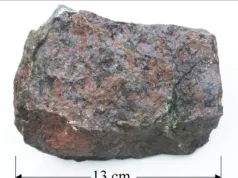
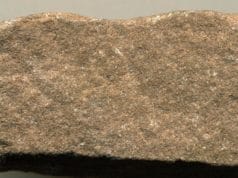
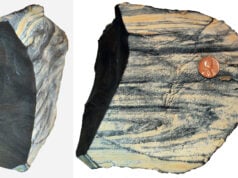
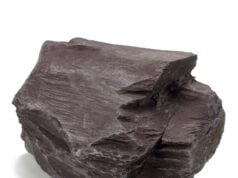
Clastic sedimentary rocks come from the broken pieces of older rocks or minerals—weathered, eroded, transported by water, wind or ice, and finally deposited, compacted and cemented into solid rock. Whether it’s a coarse conglomerate made of rounded gravel, a sandstone formed from sand grains, or a fine-grained shale composed of silt and clay, each variant reflects the story of transport distance, energy of the depositing environment and subsequent burial history. Because the size, shape, sorting and composition of the clasts matter, geologists can read clues like “Was this deposited rapidly in a river?” or “Did this accumulate quietly in a deep basin?” Clastic rocks matter not just in pure geology but especially for engineers and site practitioners: their porosity, grain-framework, cement type and lamination all influence foundation behavior, permeability, slope stability, excavation approach and even groundwater flow. In this category you'll discover how clastic sedimentary rocks form, how to distinguish types (e.g., breccia, conglomerate, sandstone, siltstone, shale), how their textures and fabrics tell us about ancient environments, and why when you’re on a construction site, drilling, or doing geological mapping you shouldn’t lump “sedimentary rock” into one bucket—clastics carry their own rules and risks.

Sandstone
An Ancient Record Written in StoneSandstone is one of the most widespread sedimentary rocks on Earth, formed through the accumulation and cementation of mineral...
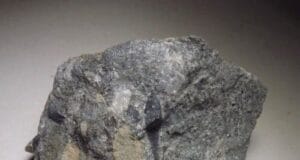
Greywacke
Greywacke is variation of sandstone that saperate from other to hardness, dark color, and poorly sorted angular grains of quartz and feldspar. Generally found in Palezoic strata. Generally larger grain can be sand clast. Matrix material more than 15%.

Limestone
A Rock That Shapes Landscapes and Records Earth’s PastLimestone is one of the most abundant and widely used sedimentary rocks on Earth. Formed primarily...
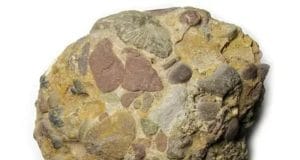
Conglomerate
Conglomerateis a sedimentary rock shaped from rounded gravel and boulder sized clasts cemented collectively in a matrix. The rounding of the clasts indicates that they've been transported a long way from their authentic source (e.G. Through a river or glacier), or that they've resided in a high energy surroundings for a while

Breccia
Breccia is a rock shaped from angular gravel and boulder-sized clasts cemented collectively in a matrix. The angular nature of the clasts suggests that they have now not been transported very far from their source. There are numerous modes of formation for breccia. Some constitute consolidated material accumulated on steep hill slopes or on the foot of cliffs.