






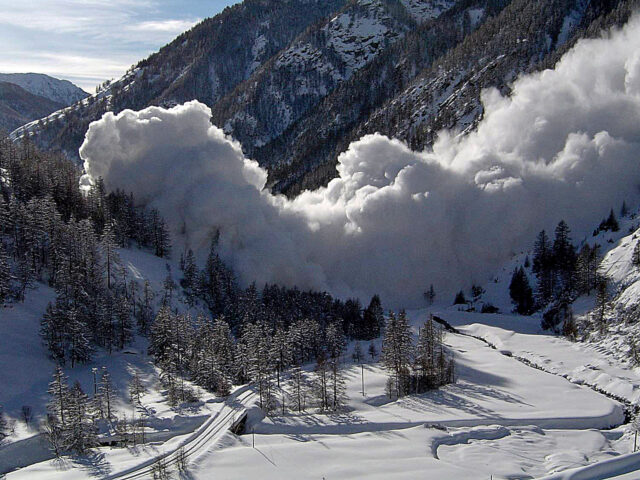
When you look at a mountain covered in snow, your first impression is usually peace. Snow is quiet. The landscape is smooth, calm, untouched. But the same mountain that looks harmless can swallow an entire valley in a matter of seconds. That’s the paradox of avalanches: a silent white surface hiding enormous stress, weight, and a breaking point just waiting to be triggered.
Most people think an avalanche is simply “snow sliding down a slope,” but in reality the mechanism is much more complex. An avalanche is a geologic process—because snow interacts directly with the mountain’s surface, forms layered structures, weakens under specific conditions, and finally fails under gravity. The snowpack behaves like a geological material: layered, unstable, sensitive to temperature, and heavily influenced by terrain.
This article explains the real triggers behind avalanches—how snow weakens, why certain slopes collapse, what environmental factors push the system to failure, and how geology plays a huge role in determining where and when avalanches happen.
1. What Is an Avalanche?
Scientifically, an avalanche is:
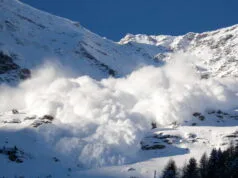
A rapid, sudden movement of snow down a slope when one or more layers lose stability under gravity.
And it’s not only snow. A moving avalanche can also contain:
- air
- ice chunks
- soil
- rock fragments
- debris from the slope
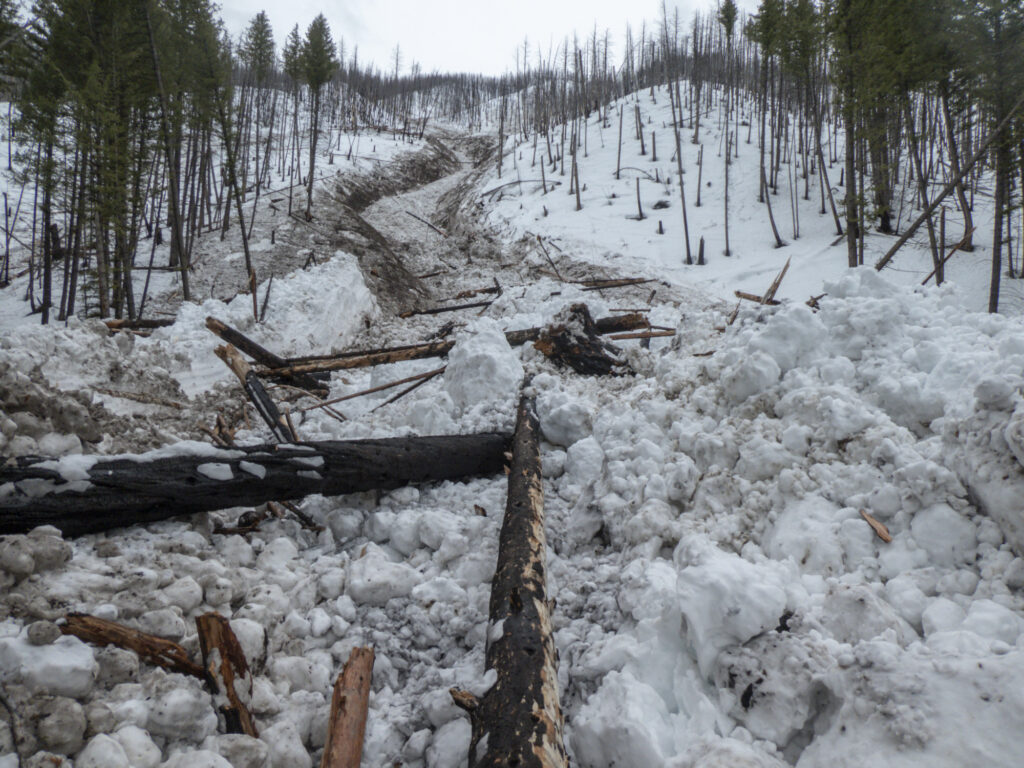
So an avalanche is not just “snow sliding.” It’s sometimes a full-scale surface failure, similar to a landslide but made of snow.
2. The Three Conditions Required for an Avalanche
Every avalanche, big or small, requires three core conditions:
1) A steep enough slope
The “danger zone” is between 30° and 45°.
This angle is steep enough for gravity to pull snow down but shallow enough for snow to accumulate.
2) A weak snow layer
Snow never falls the same way twice. Its crystals vary in size, shape, density, and bonding strength.
Avalanches happen when a weak, fragile layer sits underneath a heavier, stronger slab.
3) A trigger
This can be extremely small:
- the weight of a skier
- vibrations from wind
- a sudden temperature increase
- new snowfall
- or even a distant shock wave
When these three combine, the snowpack becomes a loaded gun.
3. Snow as a Geological Material: Layers Within Layers
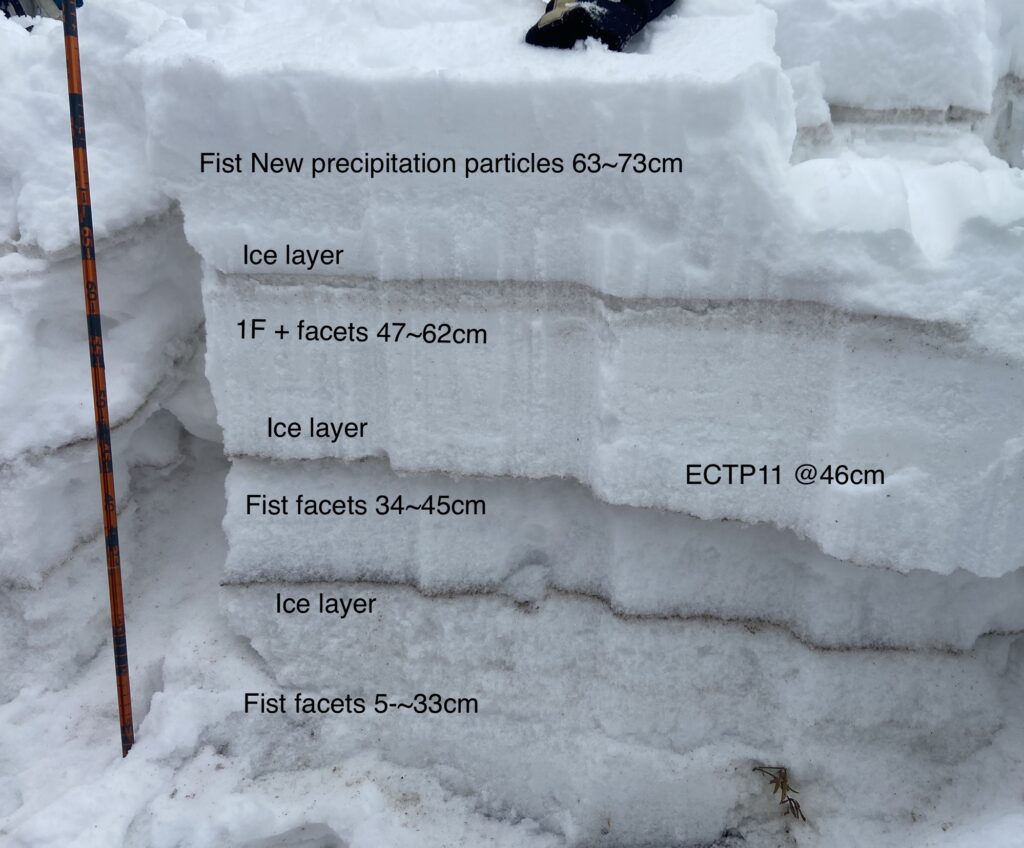
Snow builds up in distinct layers, each formed under different weather conditions. Some layers bond tightly; others remain loose and weak.
How weak layers form:
- Very cold nights grow “sugar snow” crystals → they don’t bond well.
- Wind transports snow and deposits it loosely.
- Melt–freeze cycles form icy crusts that act as slippery beds.
A weak layer beneath a heavy slab is the classic recipe for an avalanche.
4. The Three Main Types of Avalanches
Not all avalanches behave the same. These are the most common types seen in real mountains.
1) Slab Avalanche (The Deadliest Type)
A solid, connected block of snow cracks and slides as a single unit.
Why so dangerous?
- moves as one giant slab
- accelerates incredibly fast
- extremely destructive
- impossible to escape once the fracture occurs
Most fatal avalanche accidents involve slab avalanches.
2) Loose Snow Avalanche
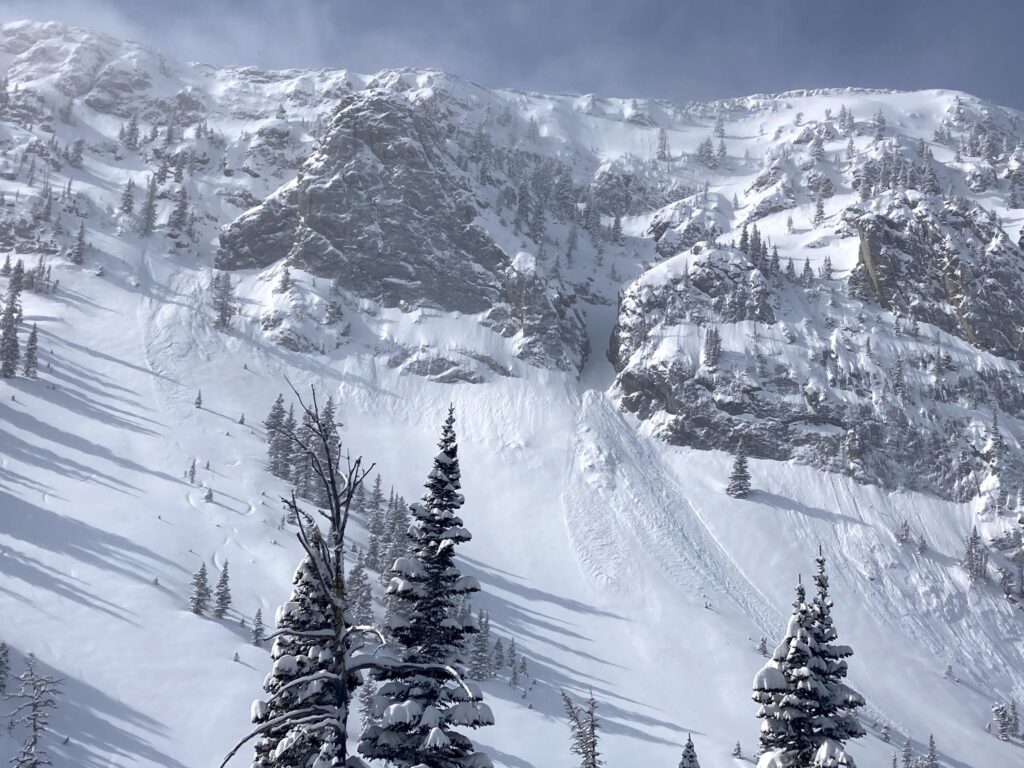
Begins at a single point and grows wider as it descends.
Forms a cone-shaped path.
Generally less deadly but can accelerate on steep slopes.
3) Wet Snow Avalanche
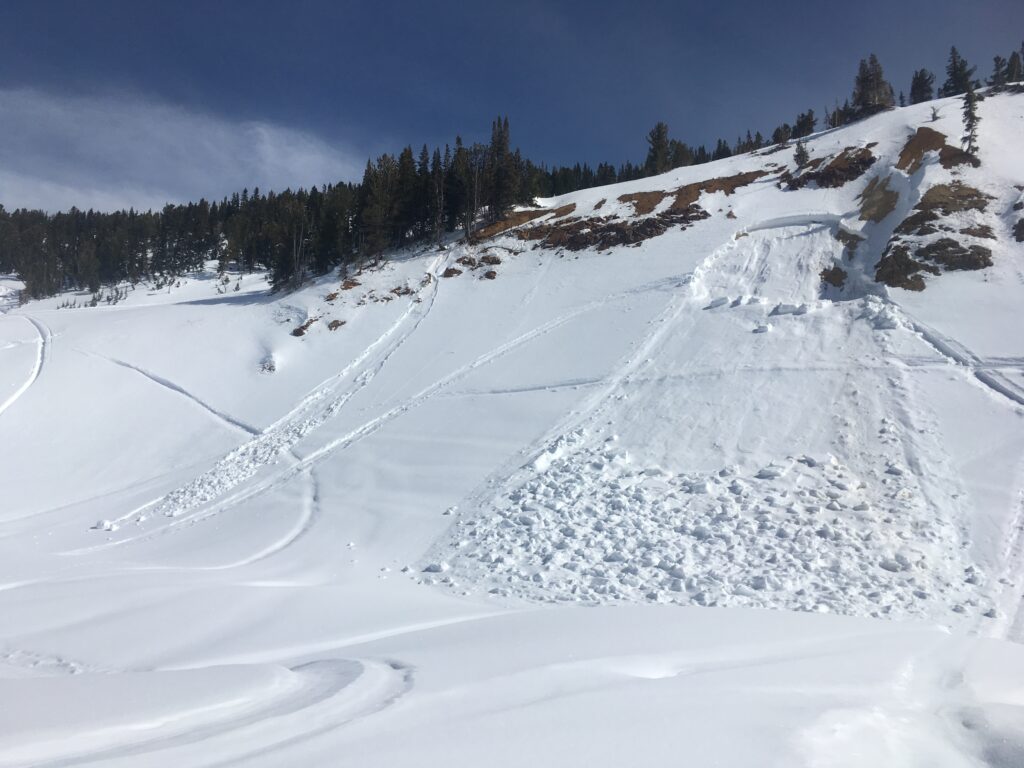
Happens when snow becomes saturated with water during warm periods.
Characteristics:
- very heavy
- slow but extremely destructive
- capable of uprooting trees and crushing structures
Wet avalanches are most common in late winter and spring.
5. Environmental Triggers
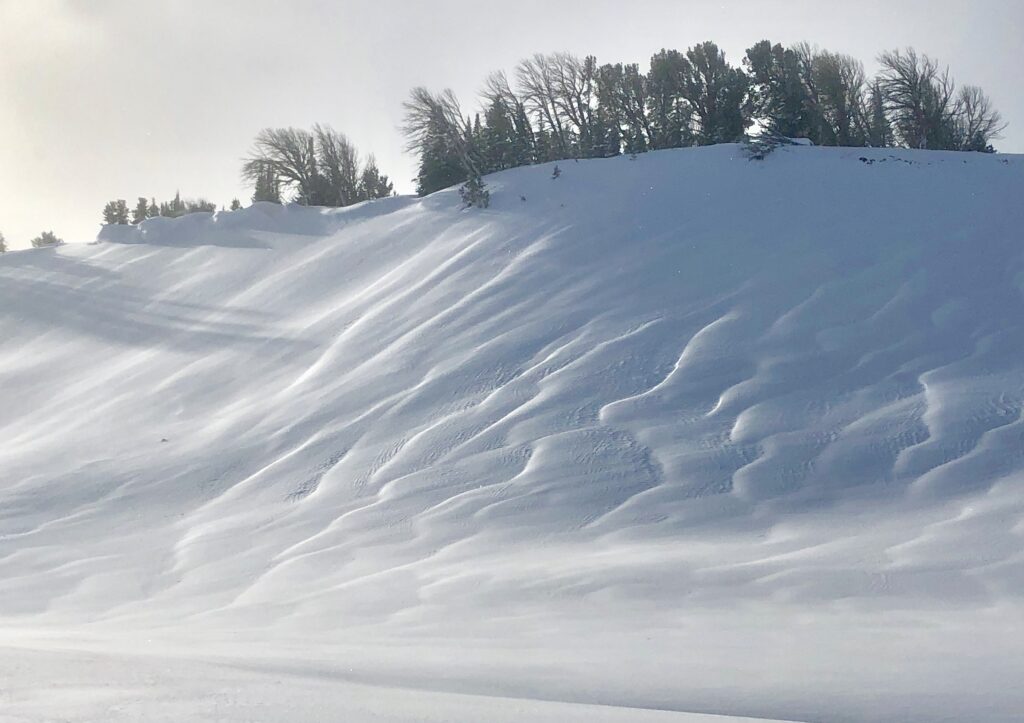
Avalanches often need only the smallest push to start moving.
1) Heavy Snowfall
A sudden load overwhelms the weak layer.
The slab collapses.
2) Wind Loading
Wind piles snow on leeward slopes, adding asymmetric weight.
A dangerous, invisible risk.
3) Rapid Temperature Rise
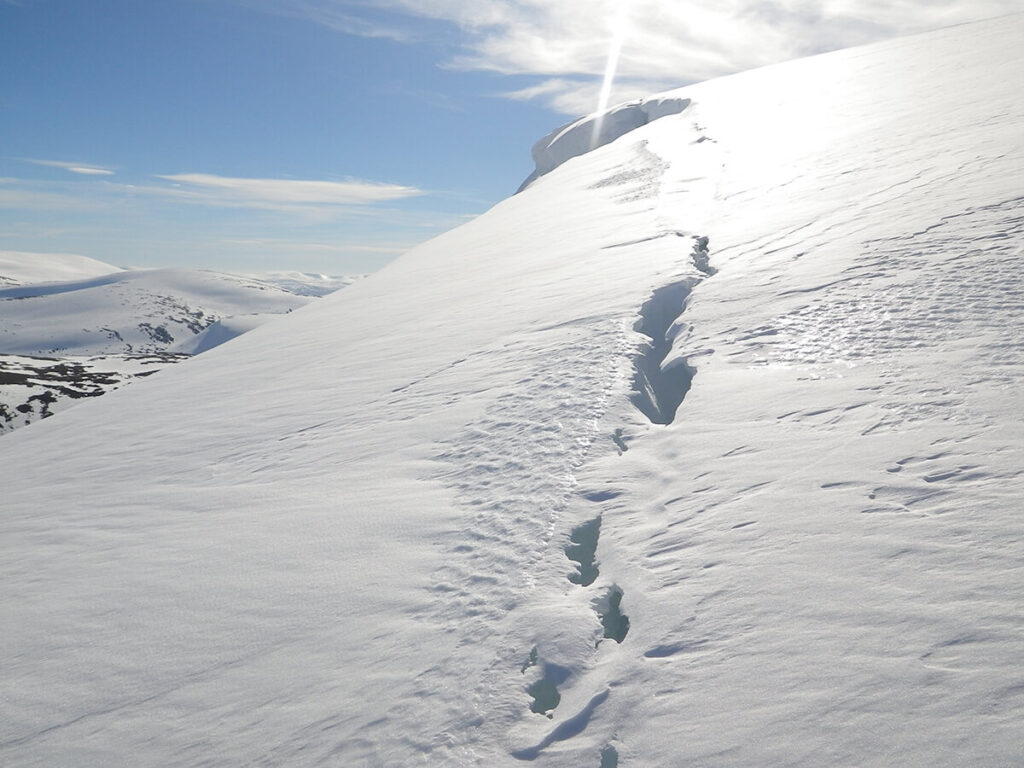
When the sun hits the slope:
- bonds weaken
- crystals melt
- snow becomes heavier
- water lubricates the weak layer
Collapse becomes inevitable.
4) Ground Vibrations
Even small tremors—from rocks falling or distant explosions—can trigger slab failures.
5) Human Triggers
A skier, hiker, snowmobile, or snowboarder can apply just enough additional weight to break the weak layer.
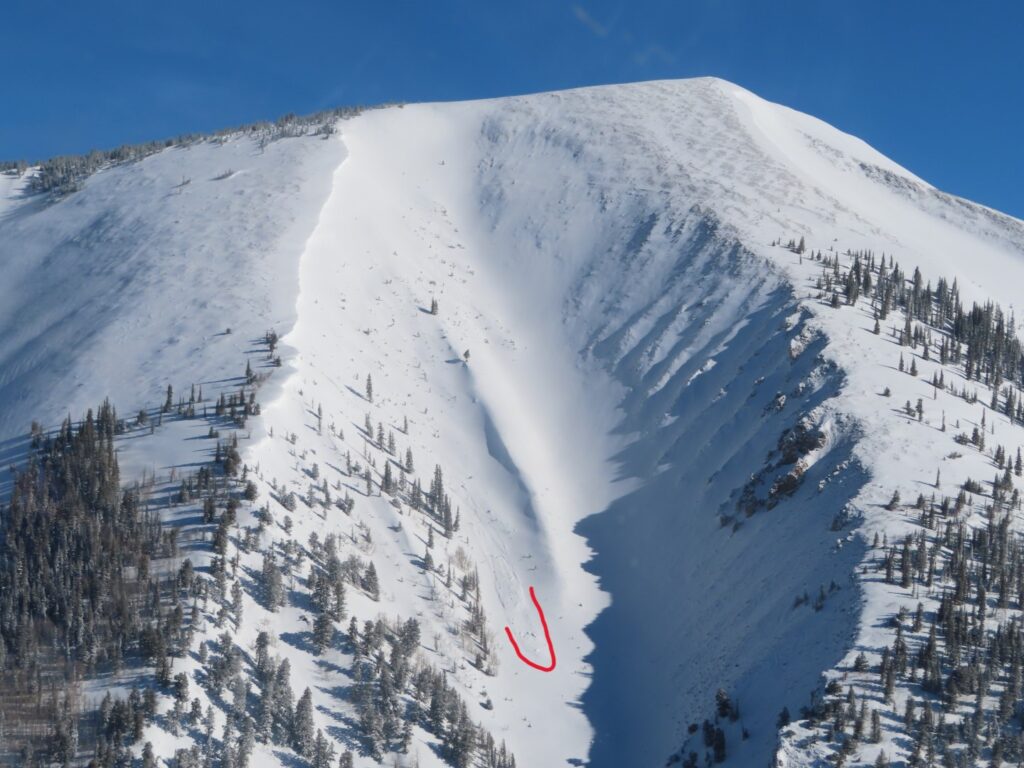
6. Geological Factors (The Mountain Itself Creates the Risk)
Avalanche danger is not just about snow. The mountain’s geology is equally important.
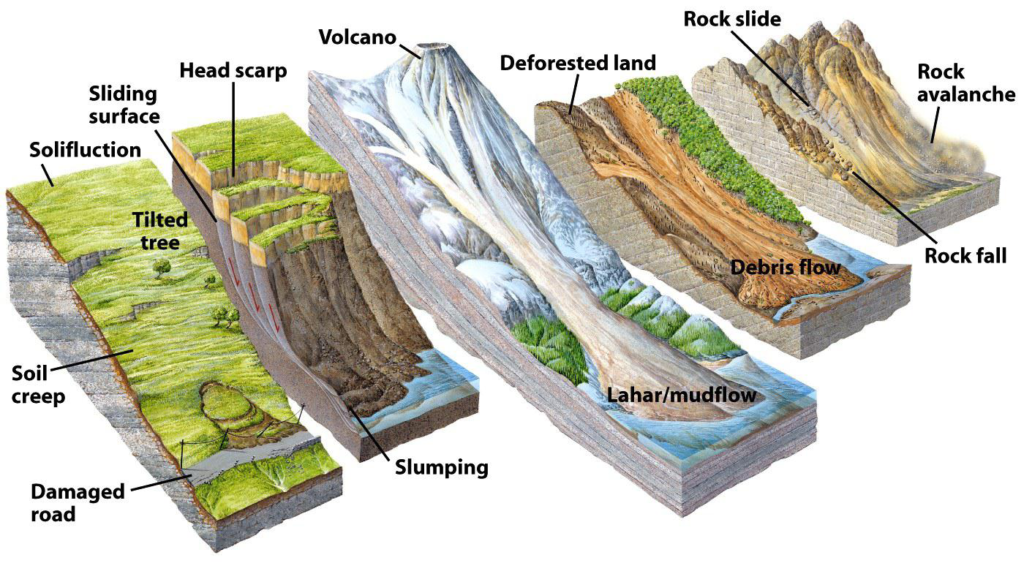
1) Rock Type
- Hard rock → thin snowpack
- Fractured rock → unstable base
- Schist or slate → slippery surfaces
2) Topography
- concave slopes collect snow
- convex slopes increase stress
- ridges create wind deposition
3) Slope Aspect
- sun-facing slopes warm faster
- more melt–freeze cycles
- higher instability
Geology defines where the snow holds and where it fails.
7. The Breaking Moment: How Avalanches Really Start
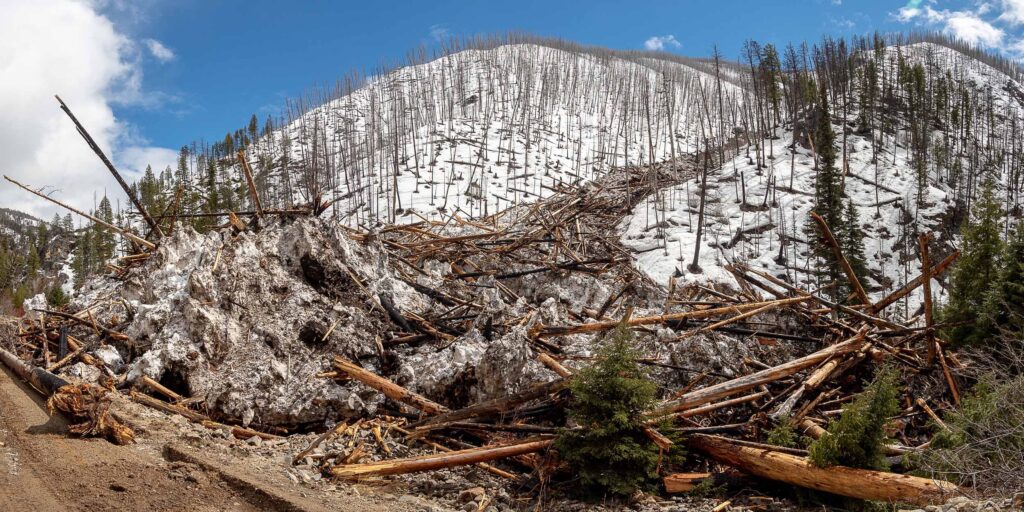
The sequence is simple but violent:
- Snow accumulates stress.
- The weak layer reaches its limit.
- A crack initiates.
- The crack propagates at high speed.
- The slab detaches.
- Gravity takes over.
- The mass accelerates down the mountain.
The transition from “stable” to “catastrophic” happens in less than a second.
8. Speed and Power
A powder avalanche can reach 300 km/h.
A wet avalanche can weigh thousands of tons.
Either way, the force is enough to destroy anything in its path.
9. Warning Signs Before an Avalanche
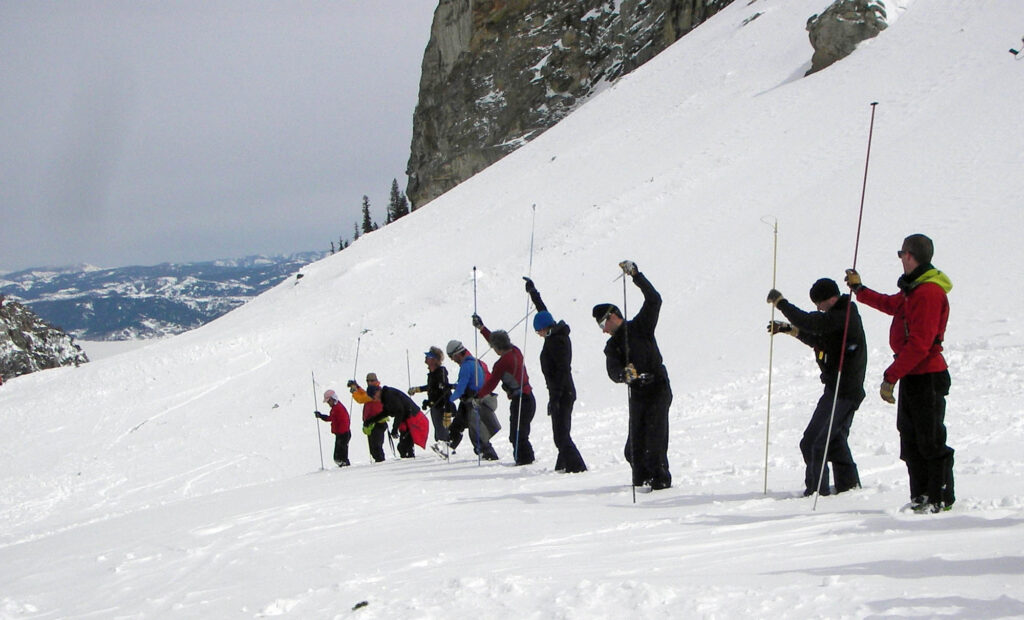
Experts watch for signs like:
- deep, hollow “whumpf” sounds
- fresh cracks on the slope
- rapid warming
- recent heavy snowfall
- wind-packed snow pillows
- visible slumps or bulges
- small test fractures
- sudden settling noises
These are all red flags.
10. Conclusion — Avalanches Are Mountains Releasing Hidden Energy
Avalanches are not random.
They are the mountain’s way of releasing built-up tension.
Snow might look soft, harmless, and peaceful, but beneath the surface lies:
- weight
- stress
- weak layers
- temperature changes
- geological influences
When all of these align, the mountain decides to let go.
An avalanche is nature’s reminder that even silence can hide overwhelming force.