








Geology
Home Geology
Geology is divided into several fields that can be grouped under the main headings of physical and historical geology.
Applied Geology
Applied Geology is geologic knowledge to solving geologic problem. In other words, application of various fields of geology to economic, engineering, water-supply, or environmental problems; geology related to the human activity.
METHODS OF GEOLOGY
Geologists use primary data associated with petrology (the study of rocks), stratigraphy (the observe of sedimentary layers), and structural geology (the have a look at of positions of rock devices and their deformation). In many cases, geologists additionally take a look at contemporary soils, rivers, landscapes, and glaciers; inspect past and contemporary life and biogeochemical pathways, and use geophysical techniques to investigate the subsurface.

Optical Properties of Minerals
Study of how light passes through thin sections – rock cut and polished to about 0.3 mm thickness
Use properties of light absorption and propogation through a mineral à affected by atomic arrangement and composition
Learn the properties of light associated with techniques governing the use of a petrographic microscope
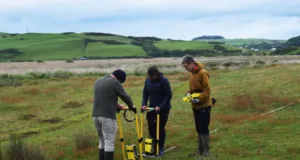
Geophysical Methods
Geophysics is a branch of Earth science that utilizes principles and techniques from physics to study the physical properties and processes of the Earth....

The Rock Cycle
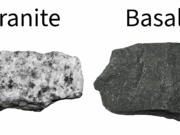
The rock cycle basic definiton is transitions among the three main rock types, which are metamorphic, igneous and sedimentary rocks. Each of the rocks can be altered when they are force out equilibrium conditions.The rock cycle describes how the three rock types are interrelated and how processes change from one to another over time.The rock cycle

Physical Properties of Minerals
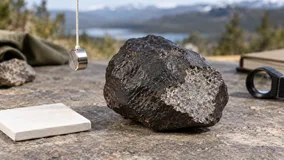
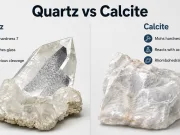
(How Geologists Identify and Classify Minerals in the Field)Understanding the physical properties of minerals is one of the most fundamental skills in geology. Every...
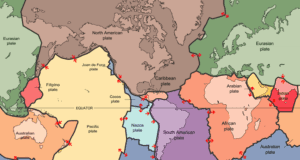
Plate Tectonics: How Earth’s Moving Plates Shape Continents, Mountains, and Oceans
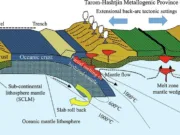
The theory of plate tectonics is the unifying framework of modern geology.It explains how the Earth’s rigid outer shell — the lithosphere — is...
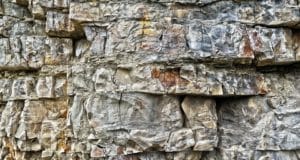
Structural Geology: Deformation, Faults, Folds & Earth’s Crust
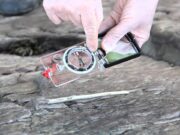
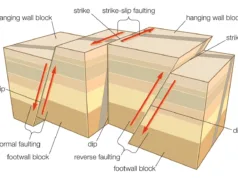
Structural geology is the study of the internal structure and deformation of the Earth's crust. Structural geologists use a variety of techniques, including field...
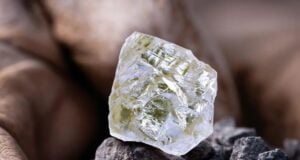
The Top 10 Most Valuable Minerals Found on Earth
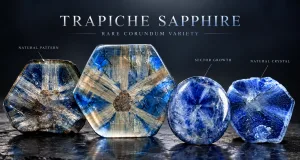
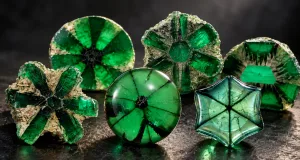
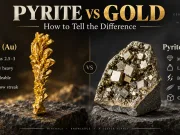
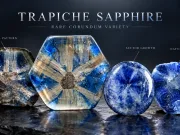
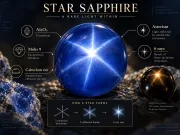
From dazzling gemstones to industrial powerhouses, minerals shape nearly every aspect of human civilization. While some are admired for their beauty, others are prized...
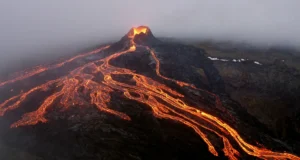
World’s Most Active Volcanoes
The World's Most Active Volcanoes: Places Where Earth Never Truly Falls SilentEarth isn't a static planet. We know this, but most of the time...

Fossils
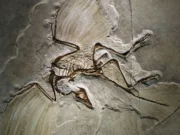
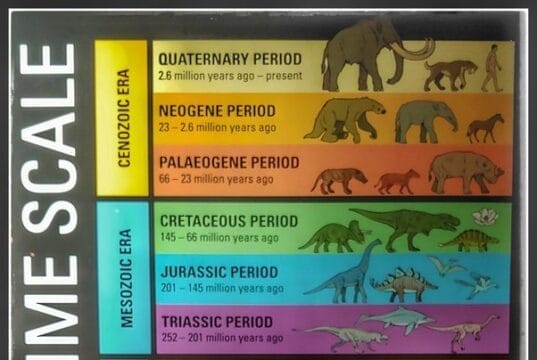
In paleontology, a fossil is the remains or traces of a plant or animal that lived in the past. Fossils can take many different...
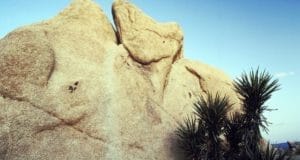
Weathering Types
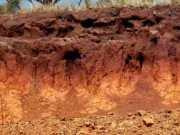
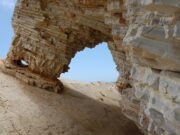
Weathering is the combination of processes that breaking down of rocks, soil and minerals, eventually transforming into sediment. On the other hand, disintegration or alteration of the rock surface in its natural or original position through physical, chemical and biological processes induced or modified by wind, water and climate.
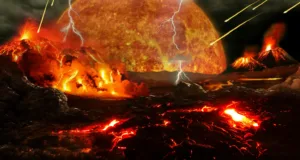
Formation of The Earth
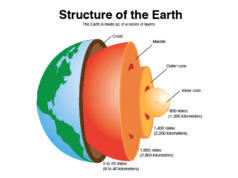
In the vast expanse of the cosmos, our home, Earth, emerges as a remarkable celestial body, bearing the signature of a complex and awe-inspiring...

Geological Maps
Geological maps are important tools used by geologists to represent the distribution and characteristics of rocks and geological features on the Earth's surface. These...