









The Joggins Fossil Cliffs in Nova Scotia, Canada, preserve the remains of tropical forests that flourished more than 300 million years ago. Some fossil tree trunks are still rooted in the sediment in which they grew, extending upward through layers of sandstone and mudstone. Coal seams, plant impressions, animal bones and ancient footprints record a landscape repeatedly transformed by rivers, floods and changing water levels.
The cliffs are particularly significant because they preserve early terrestrial ecosystems in their geological context. Among their discoveries is Hylonomus lyelli, an early reptile that helps document the emergence of vertebrates capable of reproducing independently of standing water. The modern coastline exposes a record of life long before the appearance of dinosaurs.
Joggins Fossil Cliffs at a Glance
| Location | Chignecto Bay, Nova Scotia, eastern Canada |
|---|---|
| Geological age | Pennsylvanian, late Carboniferous; approximately 300–320 million years ago |
| Geological basin | Cumberland Basin |
| Principal rocks | Sandstone, mudstone, siltstone, coal and subordinate limestone |
| Distinctive fossils | Upright lycopsid trees, early tetrapods, plant impressions and trackways |
| Protected property | 689 hectares along 14.7 km of coastline |
| UNESCO inscription | 2008, criterion (viii) |
Where Are the Joggins Fossil Cliffs?
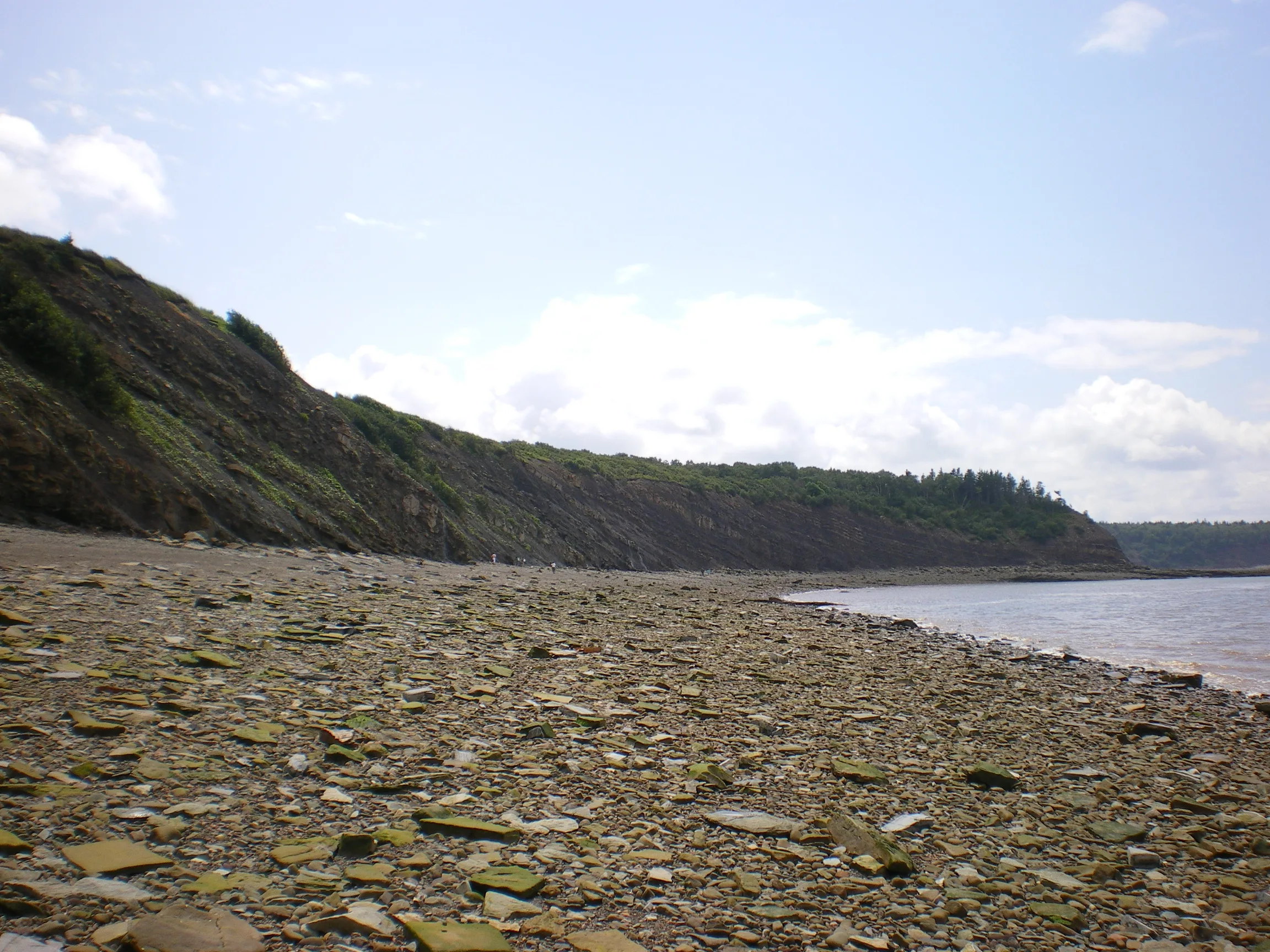
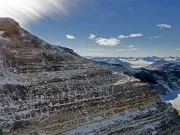
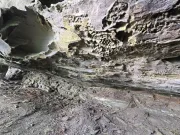
Joggins lies on the eastern shore of Chignecto Bay, a northern arm of the Bay of Fundy. At low tide, broad rock platforms become visible below the coastal cliffs. The exposed sedimentary beds allow geologists to follow changes in rock type and fossil content across the shoreline. The protected property covers a wider succession than the individual geological unit known as the Joggins Formation.
The region’s present location in Atlantic Canada is very different from its position during the late Carboniferous. At that time, continental movement placed the area near the equator. A warm climate and large sedimentary basins created conditions suitable for extensive wetlands and forests. The modern cold-temperate coastline therefore exposes rocks formed in a very different climatic and geographic setting.
The Cumberland Basin and the Carboniferous Landscape
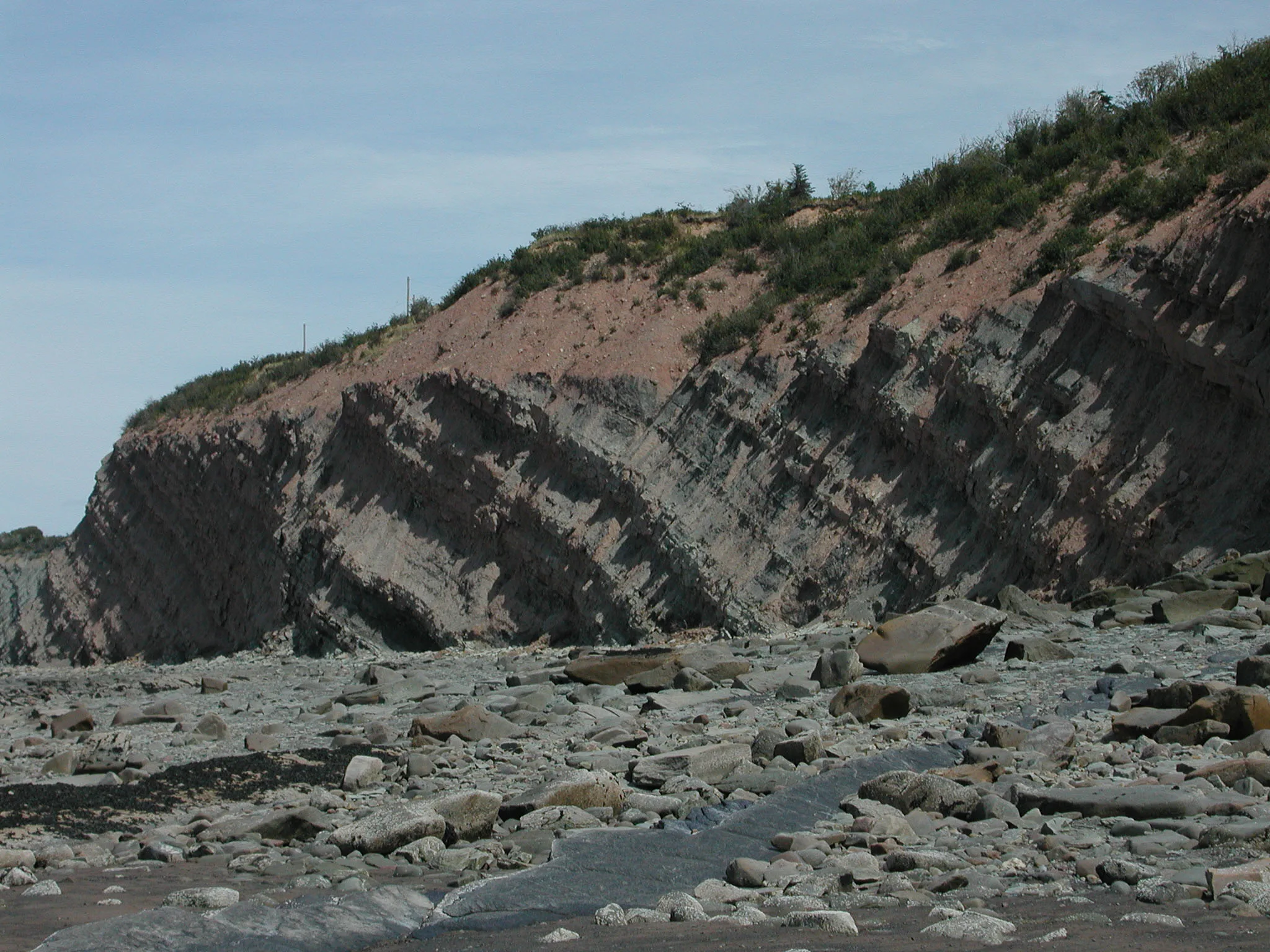
The Cumberland Basin developed within the Appalachian region during a period of substantial tectonic activity. As parts of the basin floor subsided, rivers delivered large quantities of sediment from surrounding uplands. Subsidence created accommodation space: the volume in which sediment could accumulate without being immediately removed by erosion.
Movement along basin-margin faults and subsurface salt redistribution contributed to the subsidence history. The interaction of sediment supply, changing water levels and available accommodation produced a thick succession of deposits rather than one uniform swamp layer. A detailed stratigraphic study by Davies and colleagues measured 915.5 meters of the Joggins Formation and distinguished fourteen major depositional cycles. The broader coal-bearing coastal succession is considerably thicker.
The sequence records environmental transitions over time. A single cliff can contain sandstone deposited by a river, dark fine-grained sediments accumulated in quieter water, and a coal seam representing an interval of peat development.
How Were Entire Forests Preserved Standing Upright?
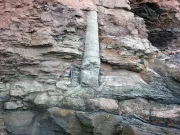
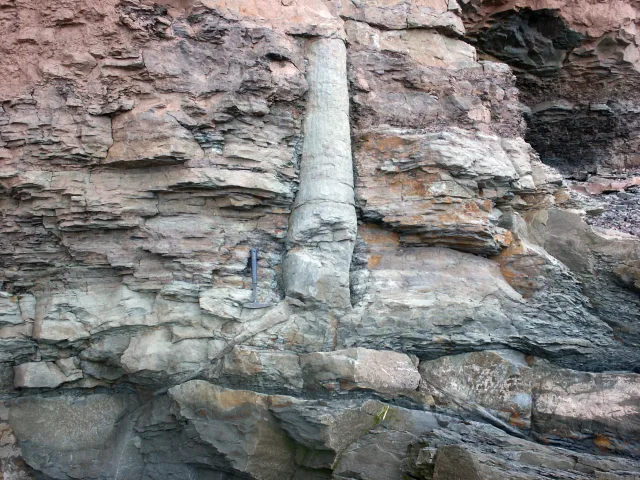
Many of the standing fossil trees belong to extinct tree-sized lycopsids, relatives of modern clubmosses. Unlike most fallen logs, these specimens can retain their original relationship to the soil in which they grew. Recognizing roots at the base of a trunk is particularly useful: it distinguishes a tree preserved in growth position from a piece of wood transported into a channel and deposited vertically.
Preservation required burial before the trunks completely collapsed or decomposed. In the Joggins wetland environment, river channels periodically spilled sediment onto adjoining floodplains. Sand and mud accumulated around standing vegetation, and some of the trees died as their root systems were overwhelmed or waterlogged. As internal tissues decayed, sediment could enter hollow trunks, leaving casts of their original shape.
The repeated occurrence of rooted trees at different levels is important. Calder and colleagues documented numerous forest horizons within the coal-bearing succession and identified flood-derived beds surrounding standing trees. Their observations indicate recurring episodes of vegetation growth, disturbance and burial, not a single event responsible for the entire rock sequence.
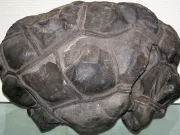
The fossil record does not always consist of original wood. A preserved trunk may be a sediment cast, an impression of bark, a carbon-rich film or a mineralized structure. Features such as bark ornament, roots and the relationship between the fossil and adjacent bedding help establish its identity and preservation history.
What Did the Carboniferous Forest Look Like?
The forests of Joggins included large lycopsids, horsetail relatives such as Calamites, and seed-bearing plants. Some grew in waterlogged soils, whereas others occupied better-drained areas. These ecological differences can be investigated through the distribution of plant remains, root horizons and sedimentary structures.
Tree-sized lycopsids are particularly striking because their living relatives are predominantly small plants. Fossil bark patterns and rooting structures reveal aspects of their architecture, even where leaves and internal tissues are missing. The fossil name applied to an isolated root, stem or leaf does not necessarily correspond to a complete reconstructed plant species: paleobotanists commonly use distinct names for organs preserved separately.
Charcoal from the Carboniferous deposits also provides evidence that fire affected some parts of this landscape. The presence of charcoal in particular beds does not mean that every swamp burned at the same time. It records episodes of burning and subsequent transport or burial, complementing the evidence preserved by the sedimentary succession.
Why Are Early Reptile Fossils Found Inside Trees?
The discovery of small vertebrate bones in ancient tree hollows is among the most unusual aspects of Joggins. During the nineteenth century, Charles Lyell and John William Dawson recovered animal remains from upright fossil trunks. Later investigations showed that these enclosed deposits preserve a distinctive assemblage of terrestrial animals, including early tetrapods and land-dwelling invertebrates.
Hylonomus lyelli, described by Dawson in 1859, is widely recognized as one of the earliest securely identified amniotes and an early reptile. Amniotes have embryonic adaptations, including the amnion, that permit reproduction on land without the obligatory aquatic larval stage characteristic of many living amphibians. The evolution of these adaptations opened new ecological opportunities for vertebrates. Hylonomus predates the dinosaurs by tens of millions of years; it should not be described as a dinosaur or a demonstrated direct ancestor of any particular later species.
Why did so many animals end up inside fossil trees? Proposed explanations include accidental trapping, flood transport, shelter and repeated occupation of hollows. A 2026 study of the Joggins tree fauna compares these possibilities using skeleton preservation, charcoal and the tree structures, favoring the interpretation that some animals used tree cavities as dens. This remains an interpretation of fossil evidence rather than a directly observed event.
Ancient Footprints and the Giant Arthropod Arthropleura
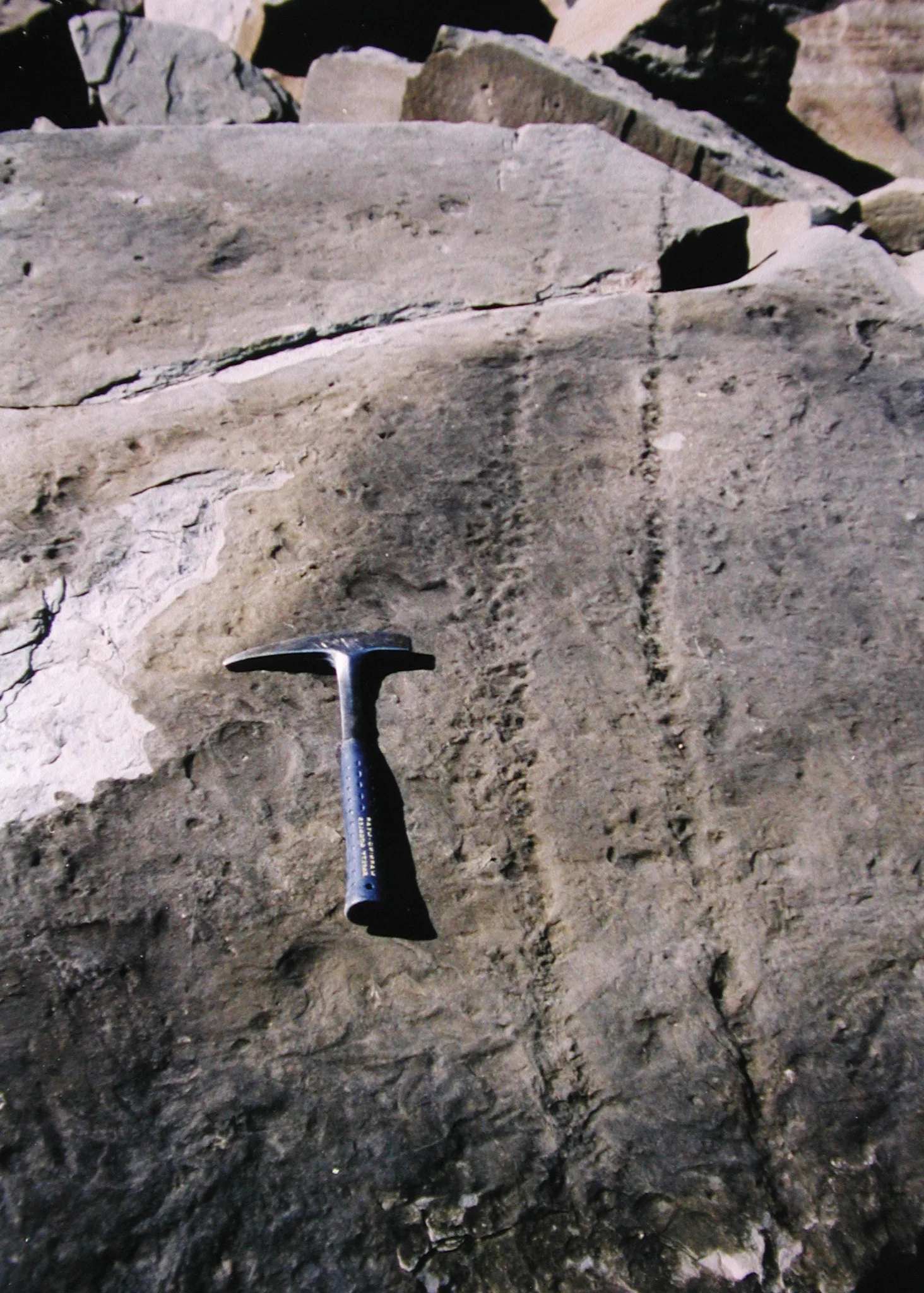
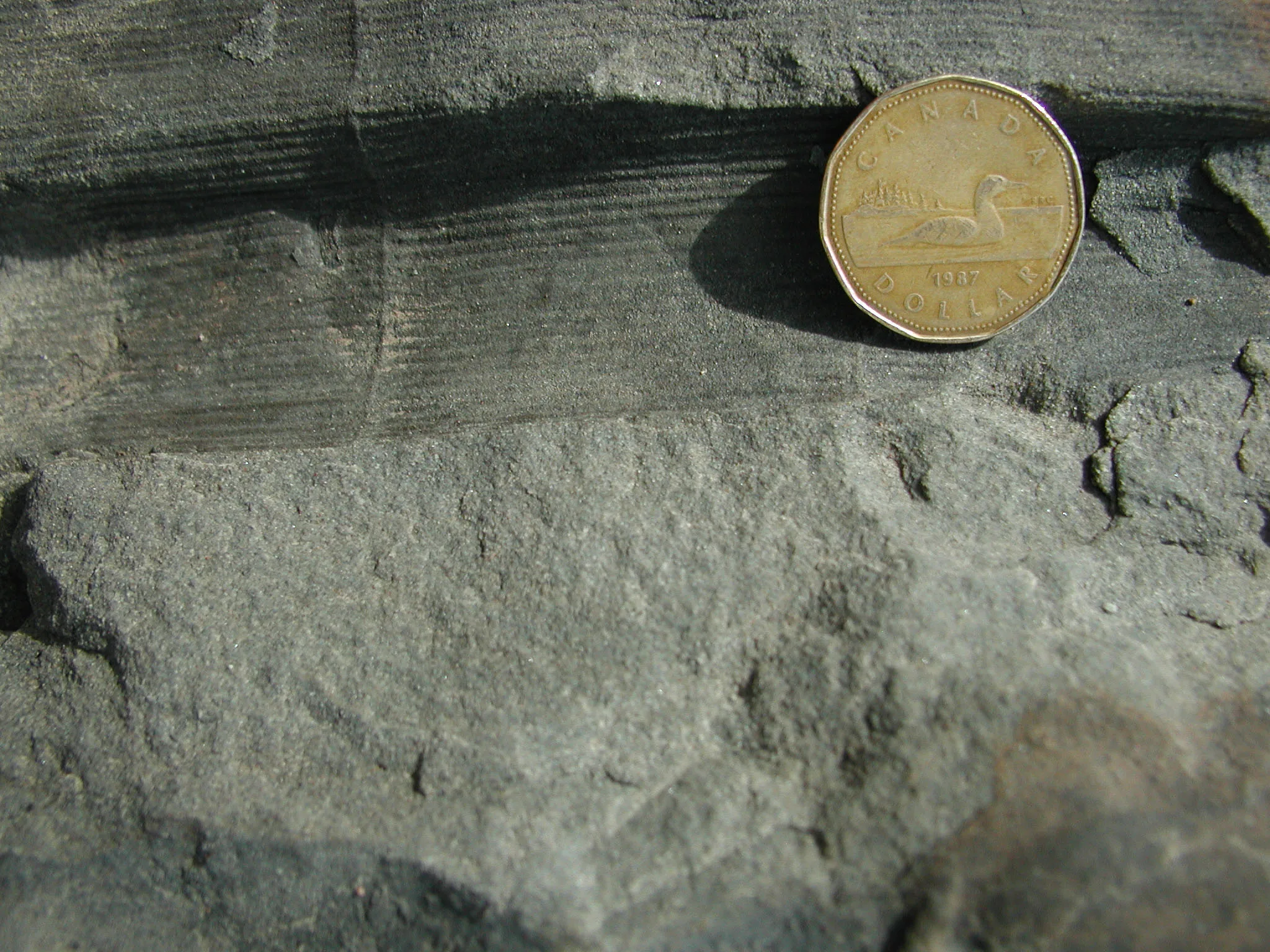
The cliffs also preserve trace fossils: physical evidence of an organism’s activities rather than its original anatomical material. Tracks, burrows and trails help identify animals that lived in an area even when their bodies were never preserved there.
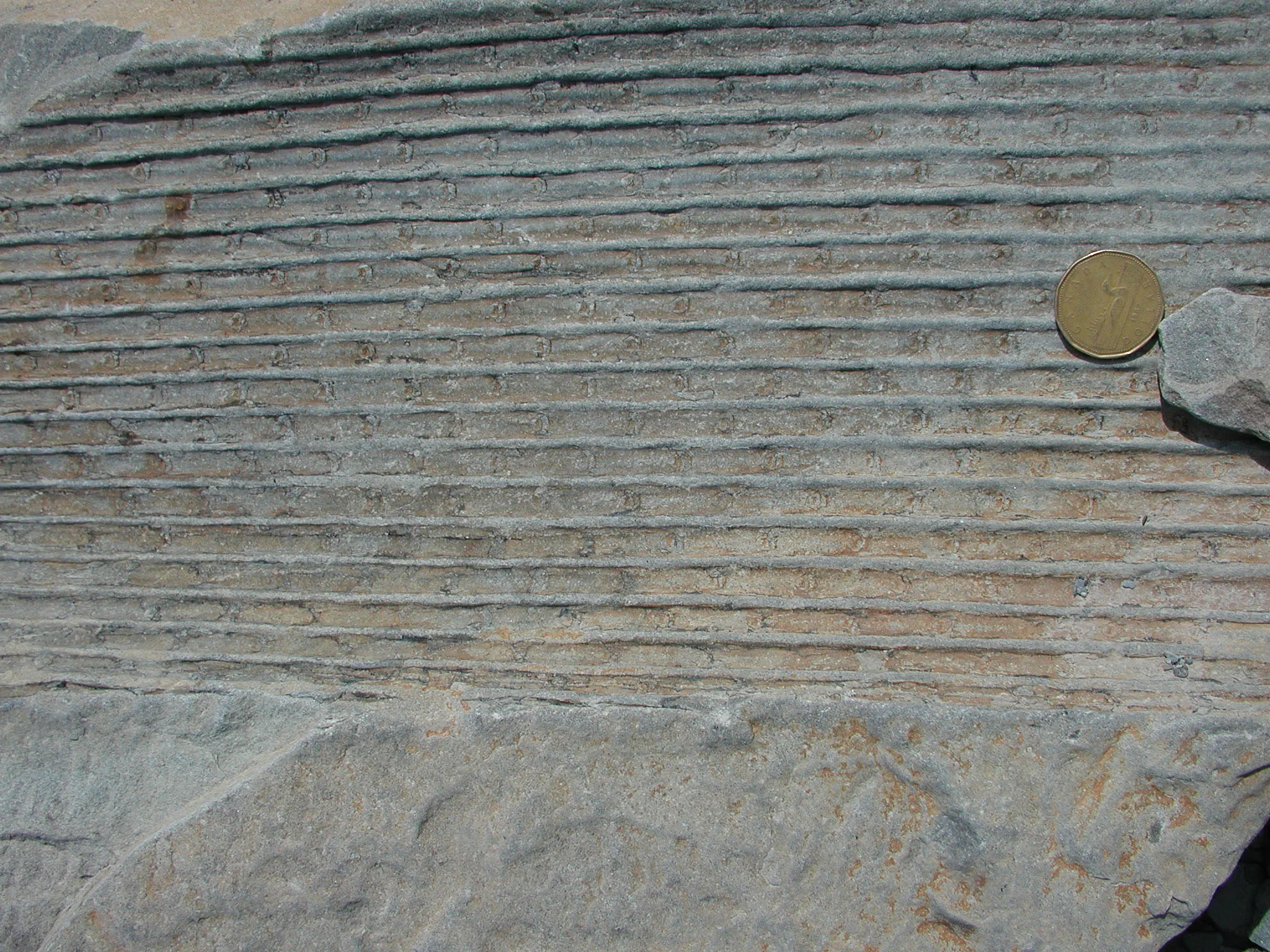
A notable example is Diplichnites, a trackway characterized by repeated impressions arranged on either side of a path. Large examples at Joggins have been attributed to Arthropleura, an extinct millipede-like arthropod. A trackway preserves the interaction between an animal and sediment, including aspects of its movement and approximate scale, but does not necessarily identify the precise biological species that created it.
Footprint preservation requires an appropriate substrate, followed by gentle burial that prevents the original impressions from being erased. A cast on the underside of an overlying sandstone can preserve a track even when the original muddy surface has eroded. Such structures allow geologists to interpret ancient surfaces that were exposed to air or covered by shallow water.
How the Coal Seams Formed
Coal develops from accumulated organic material that escapes complete decomposition. In wetlands, waterlogged conditions may restrict oxygen availability, allowing plant matter to accumulate as peat. Burial under sediment compacts the peat and progressively alters its chemistry as temperature and pressure increase. The resulting coal seam records a period during which organic accumulation was sufficient relative to mineral sediment input.
At Joggins, peat accumulation repeatedly alternated with episodes of mineral sedimentation. A flood or a prolonged rise in water level could terminate a period of peat growth, while renewed wetland development could produce a younger coal horizon farther up the succession. Coal is therefore only one component of a broader landscape record.
| Rock or feature | What it can reveal about the ancient environment |
|---|---|
| Sandstone | River channels, sediment transport and flood deposition |
| Mudstone and siltstone | Quiet-water deposition, floodplains or ponds |
| Coal | Former peat-forming wetlands |
| Rooted horizons | Former land surfaces supporting vegetation |
| Fossiliferous limestone | Water bodies containing carbonate-producing organisms |
| Tracks and burrows | Animal movement and occupation of sediment surfaces |
These interpretations depend on associated fossils, bed geometry and sedimentary structures; no single rock type uniquely identifies an ancient environment.
Why the Bay of Fundy Continues to Reveal New Fossils
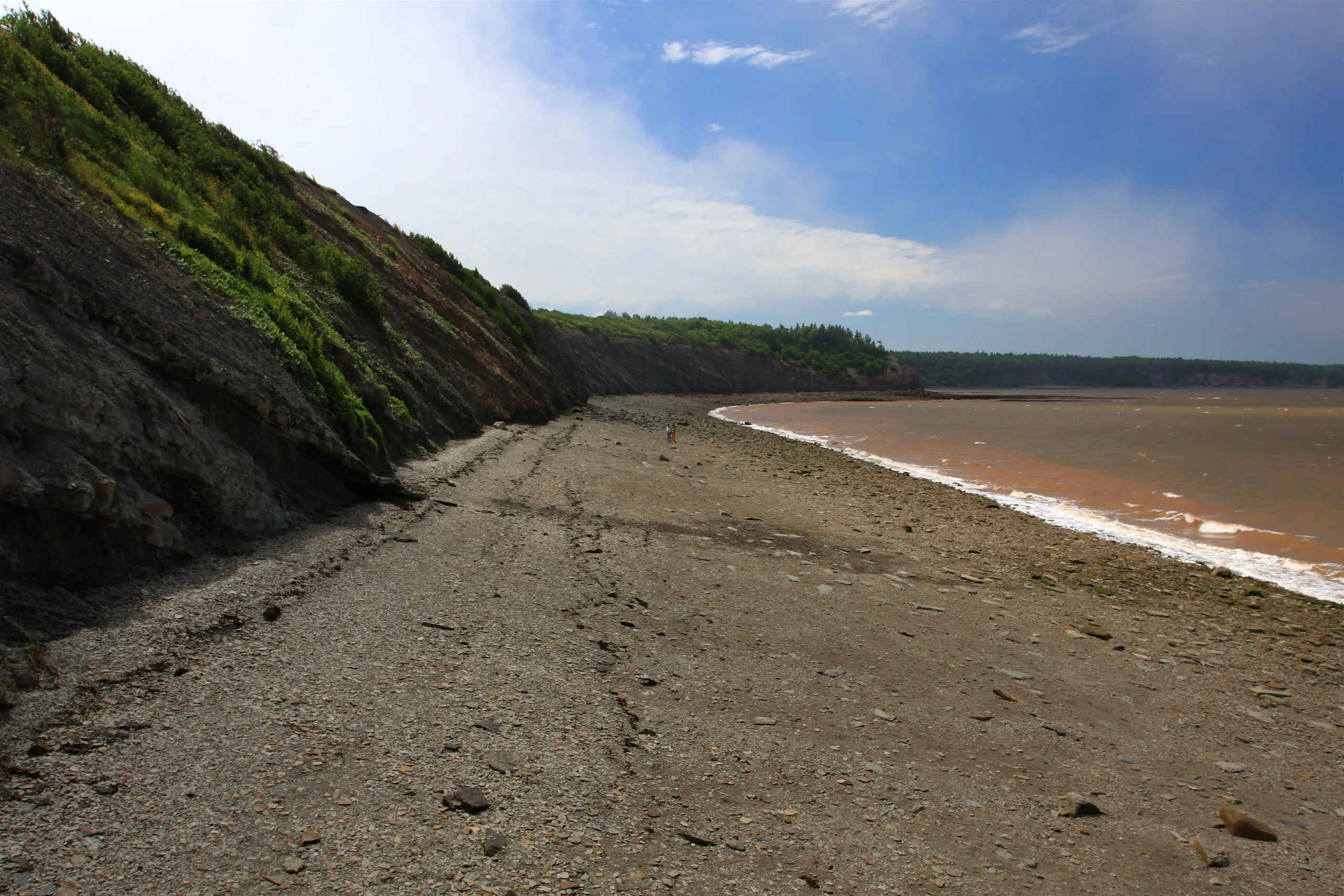
The present cliff exposure is maintained by coastal erosion. The exceptionally large tidal range of the Bay of Fundy repeatedly changes water depth along the shore. Wave action, gravitational collapse, rainfall and weathering remove loose and fractured material. Fresh rock surfaces can consequently appear after erosion events, revealing fossils that were previously concealed.
This process is scientifically valuable but also destroys or displaces specimens. A fossil found on the beach may have lost its original stratigraphic position, while one documented in an intact bed can provide much more precise evidence about its age and environment. Scientists therefore record the height within the succession, surrounding sedimentary structures, orientation, photographs and scale before interpreting a new find.
The Historical Importance of Joggins
The exposures attracted pioneering geologists during the nineteenth century, including William Logan, Charles Lyell and John William Dawson. Their observations helped establish how sedimentary sequences could preserve a succession of changing landscapes rather than a static record. Darwin also referred to the locality in his work on evolution.
The site’s continuing value lies in the relationship between fossils and their original sediments. A fossil skeleton can describe an animal’s anatomy, but its occurrence within a tree hollow provides evidence about possible behavior and habitat. Plant fossils, soils, coal seams and trace fossils interpreted together offer a more complete reconstruction than isolated museum specimens.
UNESCO designated the cliffs a World Heritage Site in 2008 in recognition of this exceptional geological and paleontological archive. The International Union of Geological Sciences also recognizes Joggins as a geological heritage site.
Visiting and Protecting the Fossil Cliffs
The coast is an active geological environment, not a controlled collecting quarry. Falling blocks and rapidly rising tides pose hazards. Visitors should consult the Joggins Fossil Centre’s official safety guidance, remain clear of unstable cliff faces and plan access around local tide conditions. Fossils are protected under Nova Scotia law and collecting requires appropriate authorization. New discoveries are best photographed in place and reported to site staff.
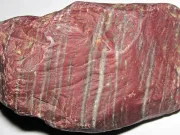
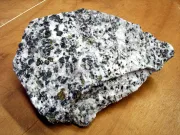
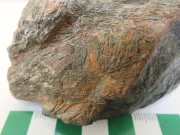
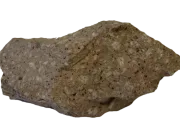
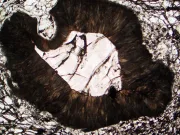
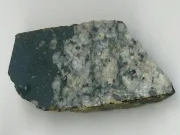
Related geological features: Bay of Fundy, Fossils, and 12 fossil-bearing rocks.
Frequently Asked Questions
How old are the Joggins fossils?
The classic fossil-bearing deposits date from the Pennsylvanian, the later part of the Carboniferous. They are roughly 300 to 320 million years old.
Are the upright trees preserved in their original position?
Many are. Rooting structures and their relationships to former soil surfaces help demonstrate that the trees were buried where they grew.
Are dinosaur fossils found in the classic Joggins Formation?
The classic deposits are much older than the earliest dinosaurs. They preserve early reptiles, other tetrapods, plants and invertebrates.
Can visitors take fossils home?
Fossil collecting in Nova Scotia requires authorization. Leave specimens in place and report significant finds to the Joggins Fossil Centre.
Scientific References
- UNESCO World Heritage Centre – Joggins Fossil Cliffs
- Parks Canada – Joggins Fossil Cliffs
- Davies et al. (2005/2006), The Pennsylvanian Joggins Formation of Nova Scotia: sedimentological log and stratigraphic framework of the historic fossil cliffs. Atlantic Geology.
- Davies & Gibling (2003), Architecture of coastal and alluvial deposits in an extensional basin. Sedimentology.
- Calder et al. (2006), A fossil lycopsid forest succession in the classic Joggins section of Nova Scotia. Geological Society of America.
- Carboniferous tetrapod fauna of the fossil lycopsid trees at Joggins and the origin of the hollow tree guild (2026).
- IUGS – Coal Age Joggins Fossil Cliffs
- Joggins Fossil Cliffs – official safety guidance
- Joggins Fossil Centre – visitor code of conduct
Featured photograph: Upright lycopsid trunk, probably Sigillaria, in the Joggins Formation. Michael C. Rygel via Wikimedia Commons, CC BY-SA 3.0. Converted to WebP.