









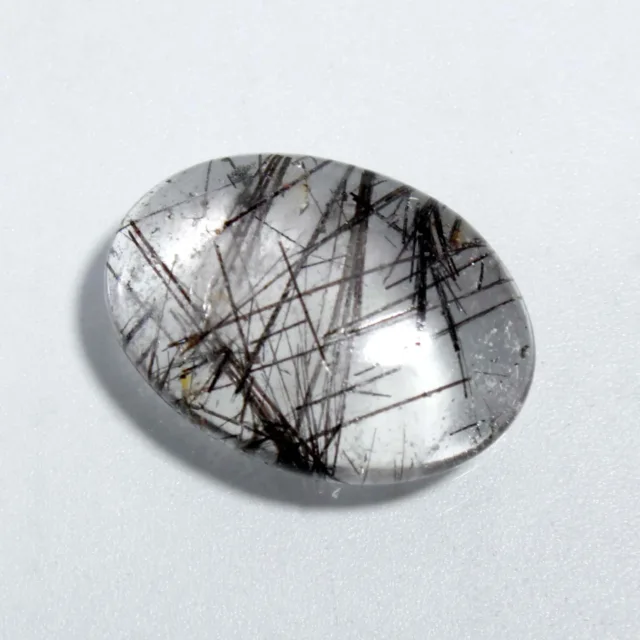
Black rutile is a fascinating and visually striking gemstone prized for its unique appearance and desirable properties. It is composed primarily of titanium dioxide (TiO₂) and occurs in various forms, with black rutile standing out due to its dark, intense color. This article delves into the geology, uses, properties, formation, and localities of black rutile, providing a comprehensive understanding of this intriguing mineral.
Geology of Black Rutile:
Rutile is a titanium oxide mineral that forms as needle-like crystals in a range of geological environments. The mineral’s name, “rutile,” comes from the Latin word rutilus, meaning “red,” referencing its common reddish-brown color. Black rutile is an unusual form of rutile, where the crystal’s color darkens due to impurities and the presence of other minerals, such as iron. It is often found as inclusions within other minerals or as part of rock formations that are rich in titanium.
Rutile generally forms in high-temperature and high-pressure environments, including granite, gneiss, and metamorphic rocks. The crystals tend to be thin, elongated, and fibrous, giving them a needle-like appearance, which is one of the key characteristics of rutile.
Properties of Black Rutile:
- Chemical Composition: Black rutile is primarily made of titanium dioxide (TiO₂). The dark color is often attributed to the presence of trace elements, particularly iron or other metal ions.
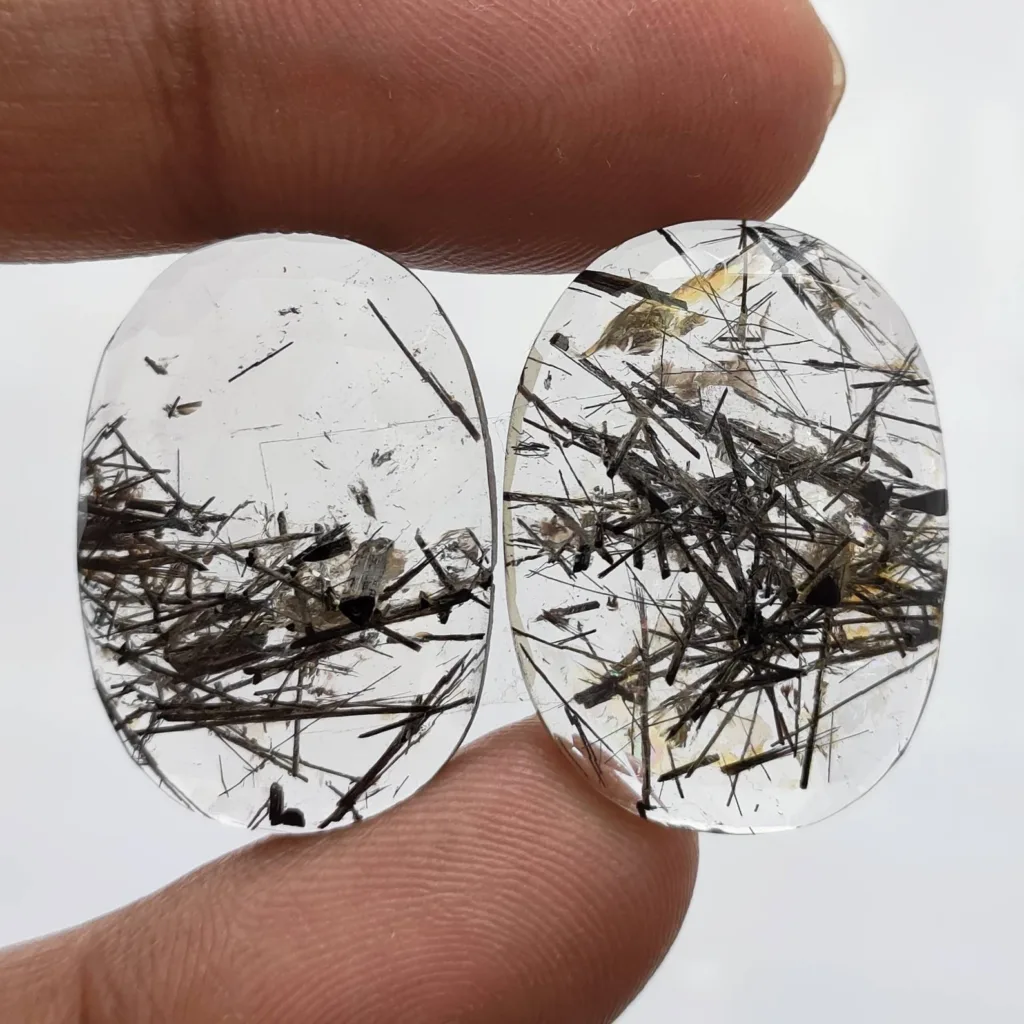
- Color: As the name suggests, black rutile is typically dark, often appearing as deep brown or black. The presence of iron and other elements can give the mineral a metallic or reflective quality.
- Hardness: On the Mohs scale of hardness, rutile has a value of 6 to 6.5, making it relatively durable but not as hard as other gemstones like diamond or sapphire.
- Transparency: Black rutile is typically opaque but can sometimes be translucent, depending on its crystalline structure and inclusions.
- Luster: The luster of black rutile is usually metallic or sub-metallic, contributing to its eye-catching, reflective surface.
- Crystal Structure: Rutile crystals are tetragonal, often forming thin, acicular (needle-like) crystals, which can grow in clusters.
Formation of Black Rutile:
Black rutile forms under high-temperature conditions, typically within metamorphic rocks like schist, gneiss, and granite. It can also form in igneous rocks such as basalt, where titanium-rich fluids interact with the surrounding minerals. The process of rutile formation involves the crystallization of titanium dioxide from molten rock or the alteration of other titanium-bearing minerals.
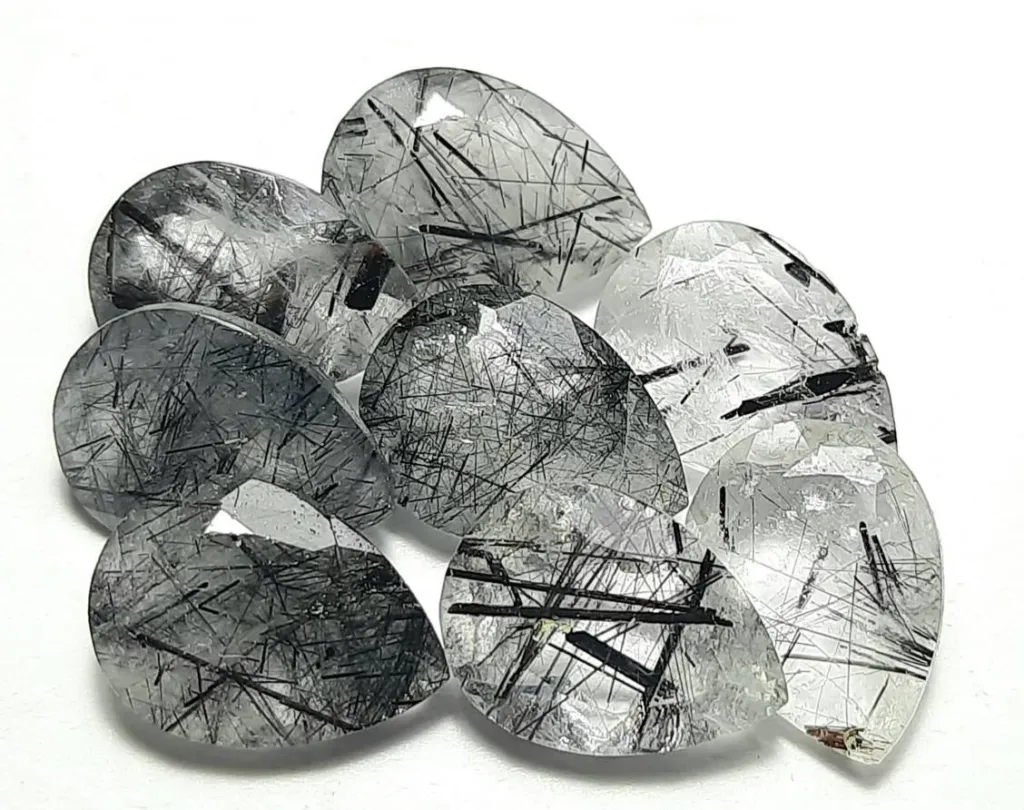
The formation of black rutile often occurs as inclusions within other minerals, such as quartz, garnet, and sapphire. The mineral can also form as part of the rock matrix itself, where its metallic luster and needle-like crystals are visible to the naked eye.
Uses of Black Rutile:
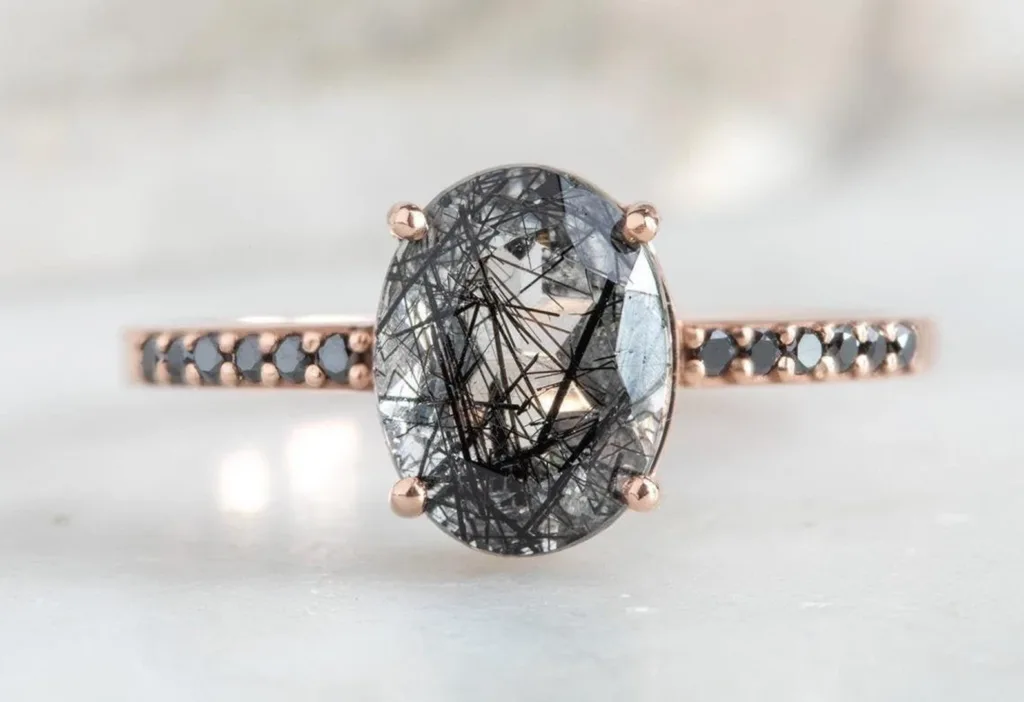
- Gemstones and Jewelry: Black rutile is sometimes cut and polished to be used as a gemstone. Its distinct dark color and the striking appearance of its needle-like inclusions make it a unique and popular choice for collectors and jewelers. It is often used in rings, pendants, earrings, and cabochons.
- Industrial Uses: Rutile is a significant source of titanium, which is used in the production of lightweight, corrosion-resistant alloys, particularly for aerospace and military applications. The black variety, while not as commonly used as the standard rutile, still contributes to the extraction of titanium.
- Decorative and Healing Properties: Some believe black rutile possesses metaphysical properties. It is thought to offer protection, promote positive energy, and help with emotional healing. Black rutile is sometimes used in crystal therapy and meditation.
Localities of Black Rutile:
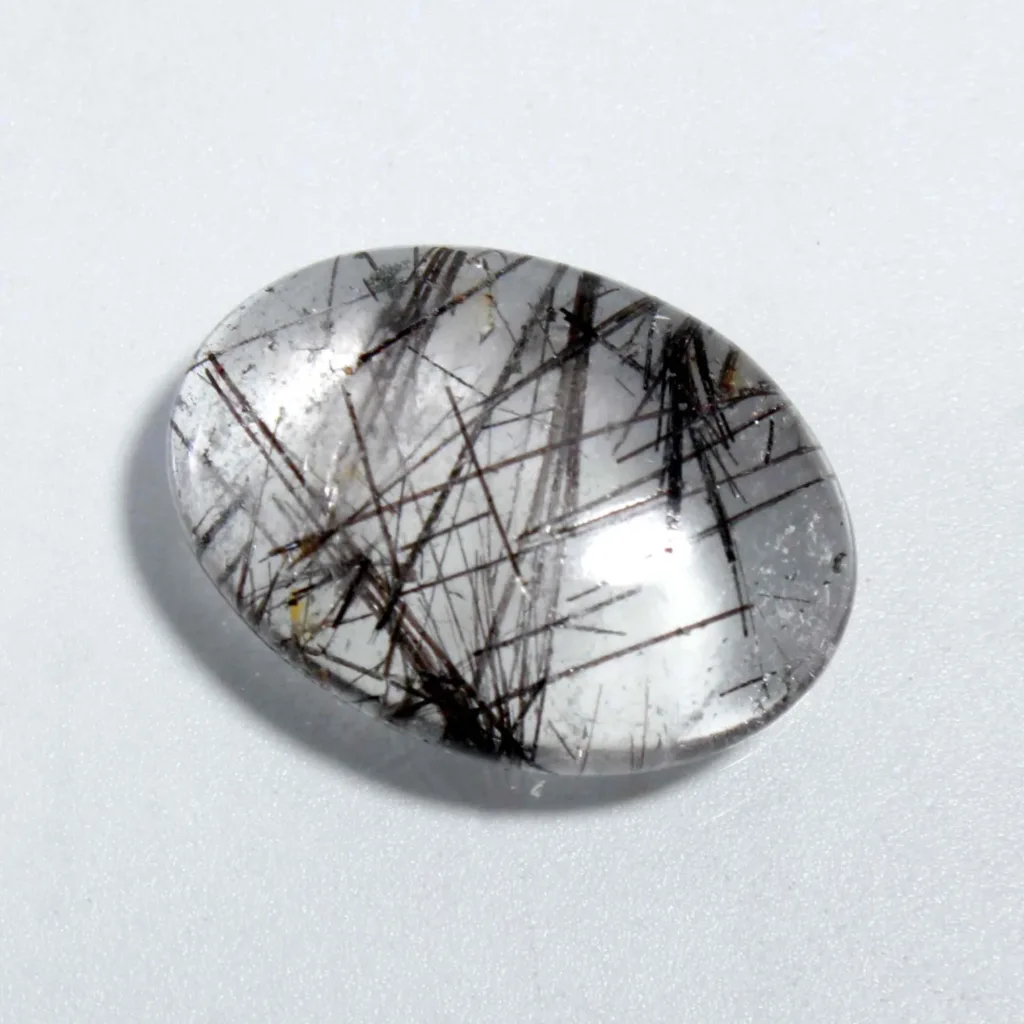
Black rutile is found in several regions worldwide, often as inclusions in quartz or as part of various igneous and metamorphic rocks. Notable localities include:
- Brazil: Brazil is one of the primary sources of high-quality rutile, including black rutile. The country’s diverse geology, including both igneous and metamorphic rocks, offers ideal conditions for rutile formation.
- Sri Lanka: Known for its high-quality gemstones, Sri Lanka produces a variety of rutile crystals, including black rutile, often as inclusions in quartz and other gemstones.
- India: India has significant deposits of rutile, especially in its southern and western regions, where the mineral is extracted from metamorphic rock formations.
- Madagascar: This island nation is another important source of black rutile, particularly as inclusions within quartz crystals.
- United States: In the U.S., rutile can be found in states like North Carolina, where it occurs in various metamorphic rocks and is occasionally found as inclusions in quartz.
Conclusion:
Black rutile is a mineral of both geological and aesthetic significance. Its unique properties, such as its dark color, metallic luster, and needle-like crystal structure, make it a valuable gem for collectors and jewelers. Its formation, typically under high-temperature conditions in metamorphic and igneous rocks, gives it a distinctive appearance that sets it apart from other minerals. While it has some industrial uses, its appeal is largely centered around its role as a gemstone. Found in various locations worldwide, black rutile continues to captivate geologists, gemologists, and metaphysical enthusiasts alike.