










Halide Minerals
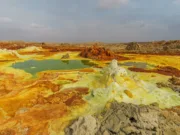
Halide minerals form when halogen elements such as chlorine, fluorine, bromine or iodine combine with metal or semi-metal cations, producing ionic compounds often crystallised during evaporation, volcanic activity or weathering of rocks. From the familiar table salt halite (NaCl) in dried-up salt flats, to sylvite (KCl) in potash deposits, and fluorite (CaF₂) in hydrothermal veins, these minerals give clear clues about the chemical environment in which they formed—high salinity water, low precipitation deserts, evaporitic basins or fluid-rich pathways. Because many halides are water-soluble or form in arid settings, they’re especially relevant in sedimentary, mining and environmental contexts. In this category you’ll discover how halide minerals form, how to recognise common examples in the field or core, how their chemistry and cleavage reflect the halogen-metal bond, and why for geologists, engineers and site professionals awareness of halide minerals can support everything from resource identification to understanding weathering, stability and geotechnical behaviour.