



Geophysics

Home Geology Branches Geophysics

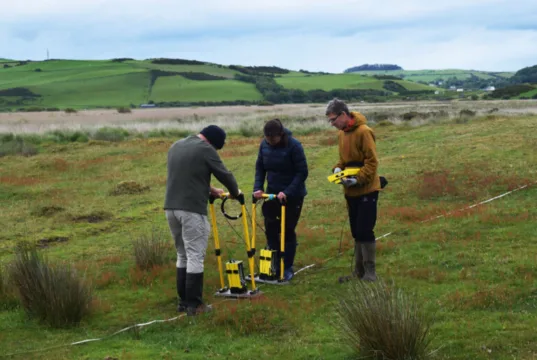
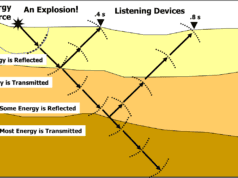
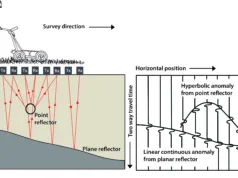
Geophysics is the field of geology that uses physics to understand what’s happening inside the Earth — from how seismic waves move during earthquakes to how gravity, magnetism, heat and electrical signals reveal hidden structures beneath our feet. Geophysicists study everything from the deep interior of the planet to shallow subsurface layers used in engineering, mining and environmental work. With methods like seismic surveys, magnetic mapping, ground-penetrating radar and resistivity testing, geophysics helps locate natural resources, assess hazards and build safer infrastructure. In this category you’ll find clear, practical explanations of how these tools work and why geophysics is essential for understanding the physical behavior of our planet.
Electrical Resistivity Surveys
Electrical resistivity surveys are geophysical techniques used to measure the subsurface electrical resistivity of soils and rocks. The method involves injecting an electrical current...

Electromagnetic (EM) Methods

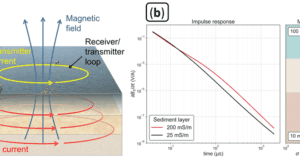
Electromagnetic methods in geophysics involve the use of electromagnetic fields to study the subsurface properties of the Earth. These methods exploit the interaction between...

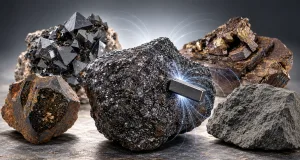
Magnetic Surveys

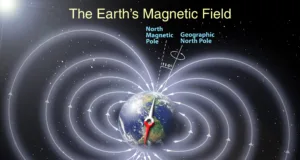
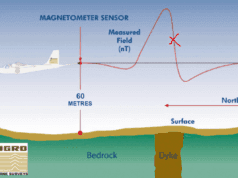
Magnetic surveys are a geophysical exploration technique used to measure and map variations in the Earth's magnetic field. The Earth's magnetic field is not...

READ MORE...

10 Places Where Fossils Tell Ancient Stories

Fossils are more than ancient remains—they are windows into vanished worlds. Each fossil preserves a moment in time, capturing organisms that lived millions of...

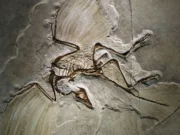
Top 10 Most Important Fossil Discoveries of All Time

A fossil sometimes looks just like bone turned into stone. But there are some fossils that, on day they're found, change direction of science. Acceptance...

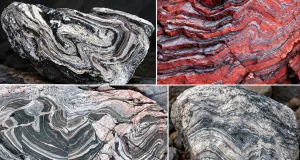
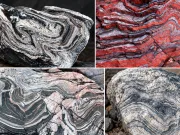
Why Do Some Rocks Break in Perfect Layers?

When rock breaks what do you expect to happen? For most people answer is simple: irregular pieces, random cracks, uncontrolled breaking. Yet in nature...

Why Do Some Rocks Break Easily While Others Don’t?

You take a stone in your hand. An ordinary stone. Neither has special color nor eye-catching shape. It falls to ground, makes short sound...

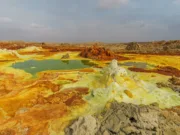
Volcanic Lakes: Deadliest Waters on Earth

Volcanic lakes may look calm, but some hide deadly gases, extreme acidity, and silent disasters beneath the surface. Learn why these waters can kill without warning.