






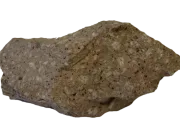
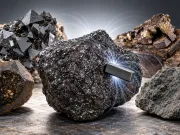













Ore mineral species are minerals that serve as economically significant sources of metals and other commodities. Examples include chalcopyrite for copper, galena for lead, sphalerite for zinc, cassiterite for tin and scheelite for tungsten. This collection groups individual mineral-species articles, rather than commodity-based ore deposit articles.
Tag: Ore Mineral Species
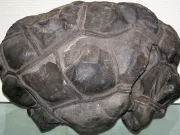
Chromite
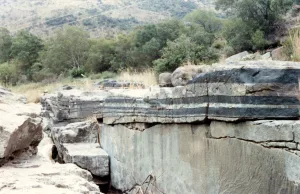
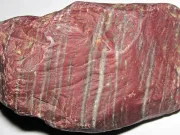
Chromite is a black iron chromium oxide mineral of the spinel group and the principal ore of chromium, found in ultramafic rocks and chromitite deposits.
Rutile
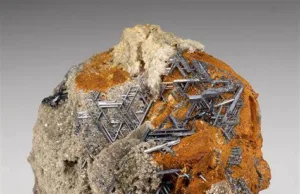
Rutile is oxide group mineral with formula: titanium dioxide (TiO2). It often appears as pale golden, needlelike crystals inside quartz. When not enclosed in quartz, it is usually yellowish or reddish brown, dark brown, or black.
Ilmenite
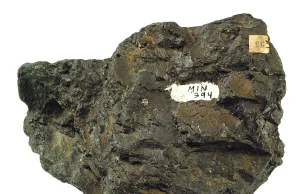
Ilmenite is an opaque iron–titanium oxide mineral (FeTiO3) and a major titanium ore, found in igneous rocks and heavy-mineral sands.
Sphalerite
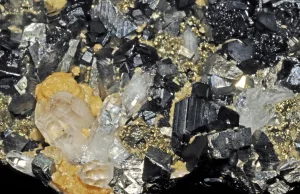
Sphalerite ((Zn,Fe)S) is the principal zinc ore mineral, characterized by perfect cleavage, resinous luster and varied colors. Its properties, identification, deposits, industrial uses and environmental considerations.
Silver
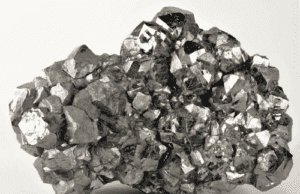
Silver is an element with the chemical symbol Ag and atomic number 47. Opaque and bright silvery white with a slightly pink tint, it...
Gold (Au)
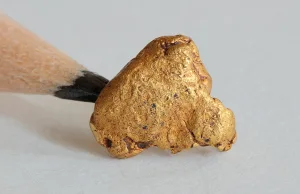
Gold is a native-element mineral. Learn about gold properties, identification, quartz veins, major ore deposit types, placer gold and geological uses.
Bismuth
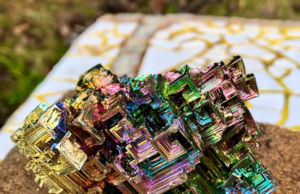
As a native metal, bismuth has been known since the Middle Ages. A German monk named Basil Valentine first described it in 1450. Bismuth is often found uncombined with other elements, forming indistinct crystals, often in parallel groupings. It is hard, brittle, and lustrous. It is also found in grains and as foliated masses. Silver-white, it usually has a reddish tinge that distinguishes it. Specimens may have an iridescent tarnish. Bismuth is found in hydrothermal veins and in pegmatites and is often associated with ores of tin, lead, or copper,
Platinum
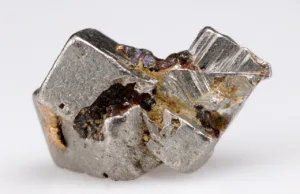
The first documented discovery of platinum was by the Spaniards in the 1500s, in the alluvial gold mines of the Río Pinto, Colombia. They called it platina del Pinto, from platina, which means “little silver,” thinking that it was an impure ore of silver. It was not recognized as a distinct metal until 1735. It is opaque, silvery gray, and markedly dense. Platinum usually occurs as disseminated grains in ironand magnesium-rich igneous rocks and in quartz veins associated with hematite, chlorite, and pyrolusite. When rocks weather, the heavy platinum accumulates as grains and nuggets in the resulting placer deposits. Crystals are rare, but when found they are cubic. Most platinum for commercial use is recovered from primary deposits. Native platinum typically contains iron and metals such as palladium, iridium, and rhodium.
Copper

Copper was probably the first metal to be used by humans. Neolithic people are believed to have used as a substitute for stone by...
Bornite (Peacock)
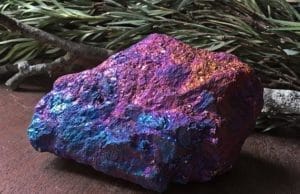
Bornite, commonly referred to as "peacock ore," is a captivating mineral known for its striking and iridescent appearance. This mineral, composed primarily of copper...
Molybdenite
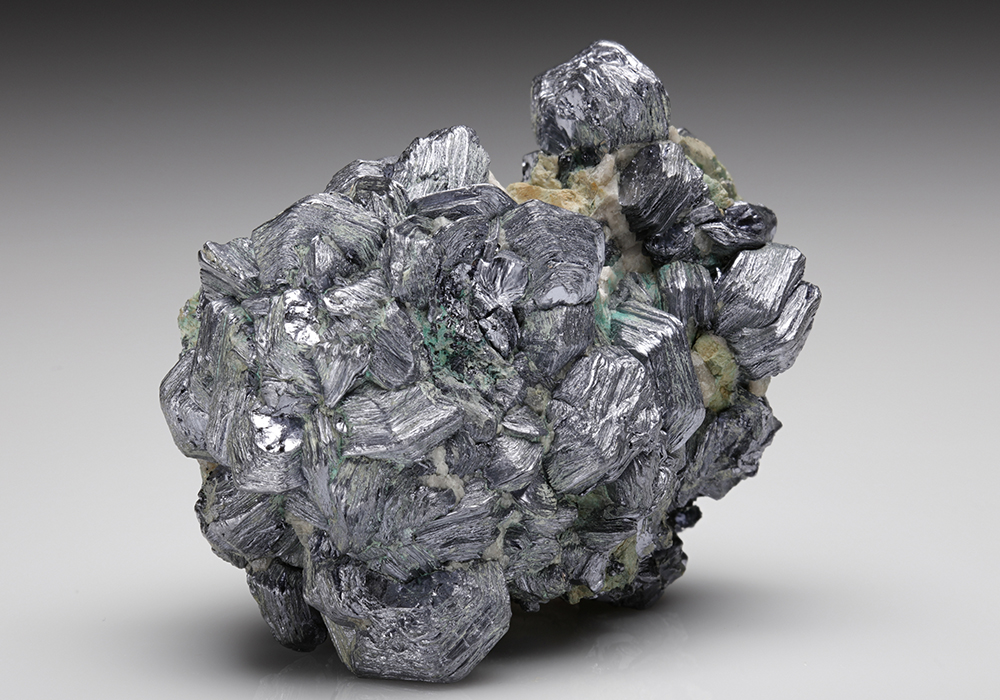
A molybdenum sulfide, molybdenite is the most important source of molybdenum, which is an important element in high-strength steels. Molybdenite was originally thought to be lead, and its name is derived from the Greek word for lead, molybdos. It was recognized as a distinct mineral by the Swedish chemist Carl Scheele in 1778.
Stibnite
The principal ore of antimony, stibnite is antimony sulfide. Its name comes from the Latin stibium. Lead-gray to silvery gray in color, it often develops a black, iridescent tarnish on exposure to light. It normally occurs as elongated, prismatic crystals that may be bent or twisted.