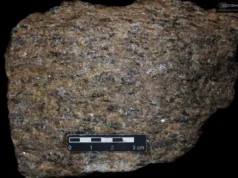
Eclogite

Granulite

Unakite

Pinolith

Soapstone

Non-Foliated Metamorphic Rocks

Home Metamorphic Rocks Non-Foliated Metamorphic Rocks

Non-foliated metamorphic rocks form when heat, fluids and pressure alter a rock, but without the strong directional stress that creates foliation or visible layering. Instead of banded textures, these rocks develop a more massive, uniform structure — whether it’s the crystalline interlocking calcite of marble (formed from limestone or dolostone), the incredibly tough quartz framework of quartzite (from sandstone), or the fine, baked, almost “horn-like” texture of hornfels created near igneous intrusions. Their textures reflect the conditions they formed under: high temperatures, contact metamorphism, and chemical reactions that erase original sedimentary or volcanic features. For geologists and engineers, non-foliated metamorphic rocks matter because they behave differently than foliated ones — they’re often harder, more homogeneous and sometimes unexpectedly strong in excavation or tunneling. In this category you’ll explore how these rocks form, how to recognise their textures in the field or core, and why understanding their origin helps interpret metamorphic environments, construction behaviour, rock strength and long-term stability on any site investigation.
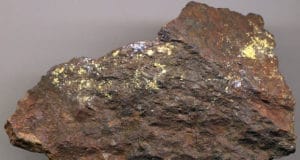
Garnetite (garnet skarn)

Skarn

Skarn is coarse-grained metamorphic rocks that forms by a metasomatism. Also called tactites. Skarn tend to be rich in calcium-magnesium-iron-manganese-aluminium silicate minerals that also...

Marble

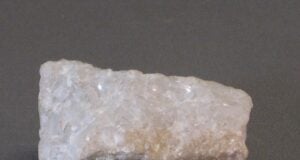
A granular metamorphic rock, marble is derived from limestone or dolomite. It consists of a mass of interlocking grains of calcite or the mineral dolomite. Marbles form when limestone buried deep in the older layers of Earth’s crust is subjected to heat and pressure from thick layers of overlying sediments.
Quartzite

Quartzite

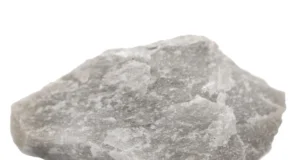
Quartzite is a nonfoliated metamorphic rock composed almost absolutely of quartz. It paperwork while a quartz-rich sandstone is altered via the warmth, pressure, and chemical interest of metamorphism. These situations recrystallize the sand grains and the silica cement that binds them collectively. The result is a network of interlocking quartz grains of incredible power.

READ MORE...

Tufa

Tufa is a type of porous limestone formed by the precipitation of calcium carbonate from water, often in environments where freshwater meets carbon-dioxide-rich waters,...

Marston Marble

Marston Marble is a unique and highly ornamental type of fossiliferous limestone, valued for its artistic and aesthetic qualities. It is characterized by very...

Lava Stone

Lava stone is a type of igneous rock formed from the rapid cooling of lava that is rich in magnesium and iron. This cooling...

Tiger Iron

Tiger Iron is a metamorphic rock composed mainly of tiger's eye, red jasper, and black hematite. It's admired for its remarkable bands of color...

Boji Stones (Shaman Stones)

Boji Stones, also known as Moqui Marbles or Shaman Stones, are small, round, naturally occurring stones found in the Navajo Sandstone formation of Utah...

Tinguaite

Tinguaite is a type of volcanic rock, primarily composed of nepheline and alkali feldspar, with lesser amounts of other minerals such as amphibole, biotite,...

Calligraphy Stone or Arabic Stone

Calligraphy Stone, also known as Mariam Stone or Arabic Stone, is a unique type of fossiliferous limestone that features intricate patterns resembling Arabic calligraphy...

Menalite

Menalite is a type of sedimentary rock characterized by its distinctive nodular or concretionary structure, often found in association with clay deposits. These nodules...