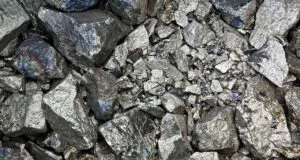
Boron (B)

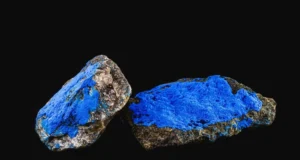
Cadmium (Cd) Ore

Lithium (Li) Ore

Chromium (Cr) Ore

Tungsten (W) Ore

Ore Minerals

Home Ore Minerals Page 2

Ore minerals are those naturally occurring minerals or mineral assemblages that contain valuable metals or elements in concentrations high enough to make extraction economically worthwhile. They form through a variety of geological processes—magmatic crystallisation, hydrothermal fluid circulation, sedimentary deposition or metamorphic re-mobilisation—and are found in locations like veins, layers, massive sulphide zones or lateritic caps. Recognising ore minerals means more than spotting a shiny metal: it’s about reading the geological story of how metals were transported, concentrated and trapped. For geologists and mining engineers this knowledge is critical during exploration, evaluation and mine development, and for site professionals it matters because the presence of ore-bearing rock may influence rock mechanics, drilling behavior, groundwater chemistry or even environmental risk. In this category you’ll explore how ore minerals form, how to identify the major groups (like sulphides, oxides, native metals, and industrial minerals), how their textures and host-rock relationships tell you about the deposit’s history, and why understanding ore-minerals gives you both the deep geology behind a resource and the practical insights needed for site work, mining operations and geotechnical planning.
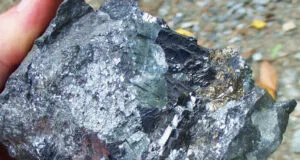
Lead (Pb) Ore
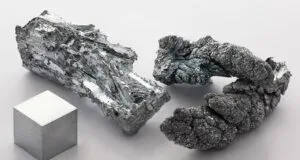
Lead ore is a naturally occurring mineral deposit that contains lead in varying concentrations. It is typically extracted from the Earth's crust through mining...

Zinc (Zn) Ore

Zinc ore refers to the naturally occurring rock or mineral that contains a significant concentration of zinc. Zinc is a chemical element with the...

Nickel (Ni) Ore

Nickel ore refers to the naturally occurring rocks or minerals that contain significant amounts of nickel. Nickel is a chemical element with the symbol...

Cobalt (Co) Ore

Cobalt (Co) is a chemical element with the atomic number 27 and an atomic mass of 58.93 g/mol. It is a hard, brittle, and...

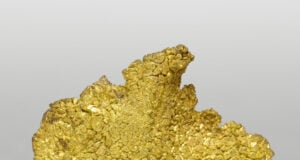
Gold (Au)

Gold is one of the oldest and most influential metals in human history. Its value, which has continued from ancient times to the present,...

READ MORE...

10 Places That Look Like Other Planets

Earth is generally referred to as the Blue Planet, but within its familiar landscapes there are places so alien that they can easily be...

10 Places Where Fossils Tell Ancient Stories

Fossils are more than ancient remains—they are windows into vanished worlds. Each fossil preserves a moment in time, capturing organisms that lived millions of...

10 Rock Landscapes That Look Like Art

Nature has been shaping the Earth's surface for billions of years. However, this shaping is not random, chaotic or unplanned. On the contrary; factors...

Top 10 Most Important Fossil Discoveries of All Time

A fossil sometimes looks just like bone turned into stone. But there are some fossils that, on day they're found, change direction of science. Acceptance...

Datolite

Datolite at first glance is not stone that calls person by shouting. Doesn't scatter light like brilliant diamond, doesn't make color explosion like opal....