














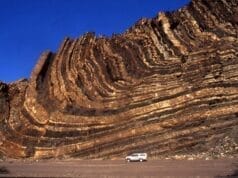
Structural Geology
Structural geology is the branch of geology that investigates how rocks and structures within the Earth’s crust deform over time — how they bend, break, fold, fault and flow under stress and pressure. Whether forming mountain ranges, controlling ore deposit locations, or influencing earthquake behavior, structural geology reveals the hidden architecture of the planet. In this section you’ll find practical guides on faults, folds, joints, structural mapping, and tectonic processes that shape the Earth’s surface and interior.
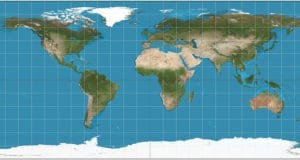
Types of Maps
ProjectionsBecause the shape of the world is spherical, it is difficult to represent it on a plain paper. Cartographers use projections to make...
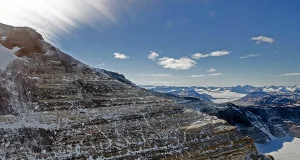
Ancient Gondwana Supermountains Traced Beneath Antarctica
New zircon evidence from Antarctica points to vast ancient Gondwana mountain belts. Here's what the study reveals—and what remains uncertain.
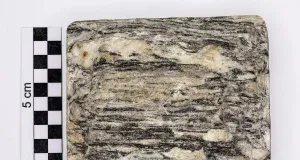
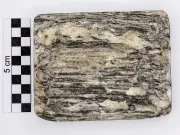
3.95-Billion-Year-Old Gneiss in China Reveals Early Crust Recycling
A 3.95-billion-year-old gneiss from Hebei, China, provides zircon isotope evidence for early crust recycling and possible subduction-like processes.
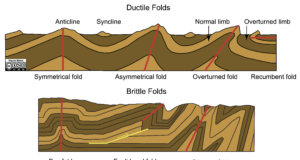
Faults and Folds
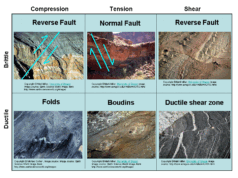
How Stress Shapes the Earth’s CrustAt a quick glance, the surface of our planet looks stable. Mountains appear fixed in place, valleys seem permanent,...