










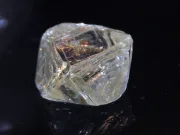




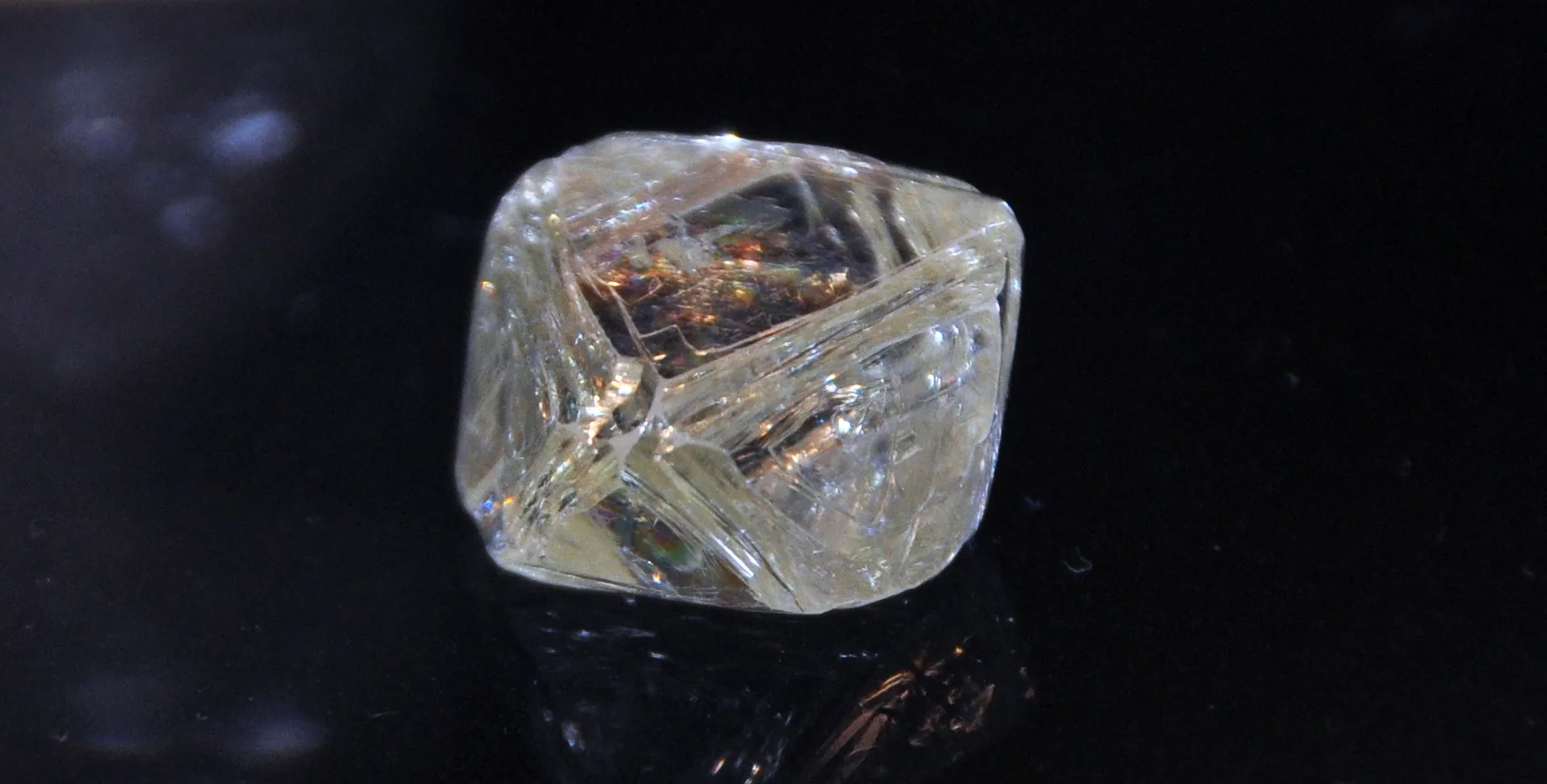
Namibia’s 176.29-carat Owishi diamond was presented in Washington, D.C., in November 2026, bringing international attention to one of the country’s exceptional coastal diamond finds. Recovered on May 10 at Namdeb’s Southern Coastal Mine near Oranjemund, the rough stone was formally named in Namibia on September 30. The November event marked its American debut, not a new discovery.
An exceptional rough diamond
De Beers announced the Washington unveiling on November 17 and described Owishi as the largest diamond of its kind recovered at the mine in more than twenty years. The exact mass of 176.29 carats corresponds to about 35.26 grams. The stone is expected to return to Namibia for planning, cutting and polishing. Its ultimate value depends on factors including colour, clarity, internal fractures and the finished gems that can be produced.
How natural diamonds form
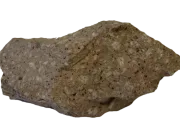
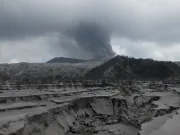
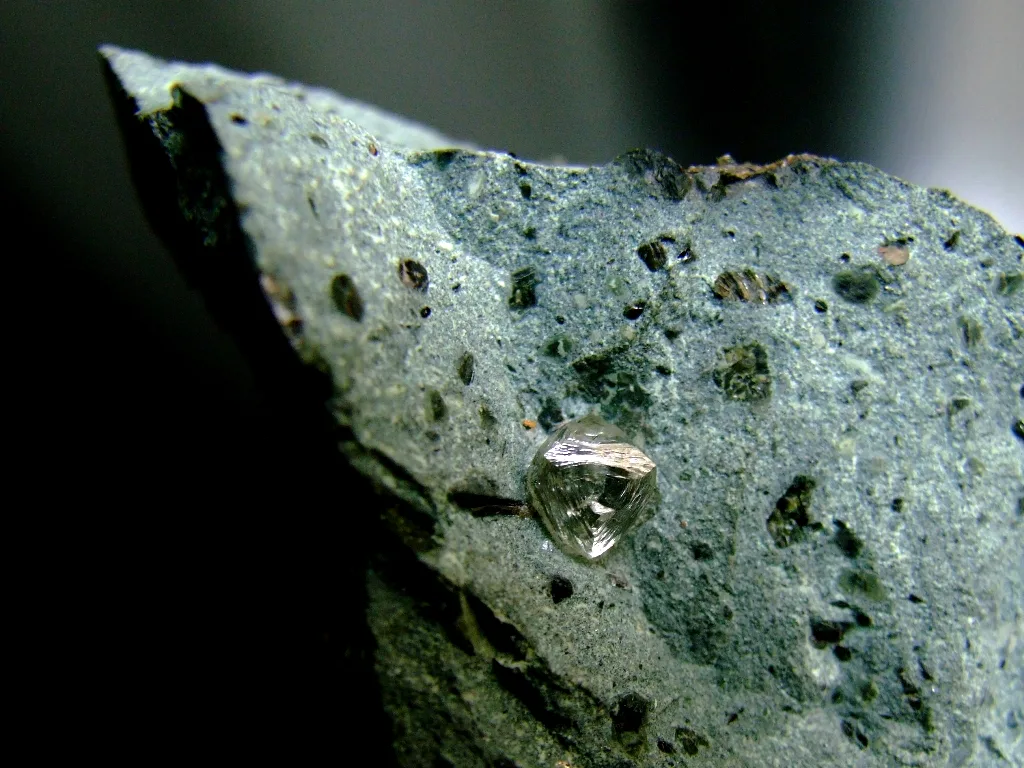
Most natural gem diamonds originate in the mantle beneath ancient continental regions, where high pressures stabilize crystalline carbon. Kimberlite magmas can carry diamonds rapidly upward, allowing the crystals to survive near the surface. Once exposed, diamond-bearing rocks weather and release durable crystals into sedimentary transport systems. The age of the Owishi crystal cannot be established from its mass or external appearance alone.
From the Orange River to Namibia’s Atlantic coast
Southern Namibia is renowned for secondary diamond deposits. Over geological time, rivers draining the southern African interior transported diamonds towards the Atlantic, while waves, tides and longshore currents reworked gravel and sand along the coastline. Dense, mechanically resistant minerals may concentrate in favorable sediment traps. These accumulations are called placer deposits, unlike primary deposits in kimberlite pipes.
Owishi’s recovery from a coastal mine exemplifies this source-to-sink geological system. The broad regional transport model is well established, but the specific ancestral kimberlite that hosted an individual recovered stone may be difficult to pinpoint.
Why large rough diamonds are scientifically and commercially unusual
Large crystals must survive mantle residence, ascent, erosion, sediment transport and mining. Diamond’s high hardness resists scratching, but cleavage planes and internal defects can permit breakage. Gem cutters use internal imaging and careful orientation to balance the size, optical quality and yield of polished stones. No final polished weight or authenticated market valuation had been announced in the cited November reports.
For additional background, visit the gemstones archive and economic geology archive.
Sources
De Beers Group, November 17, 2026 (company announcement) · Namibian president’s unveiling address, September 30, 2026 · National Jeweler, November 19, 2026