


Holes in rocks are geological clues. Some record gas bubbles trapped in lava. Others formed when acidic water dissolved mineral cement or when salt weathering loosened grains. A few are traces of organisms. Their shape and distribution tell us about the process: rounded bubbles in dark lava are very different from irregular cavities in limestone or shallow honeycomb pits on sandstone.
How to Recognize These Rocks
Begin with grain size, mineral composition, hardness, texture and geological context. The examples below describe common features rather than absolute diagnostic tests; natural specimens vary.
1. Vesicular Basalt
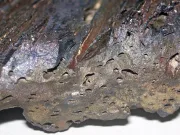
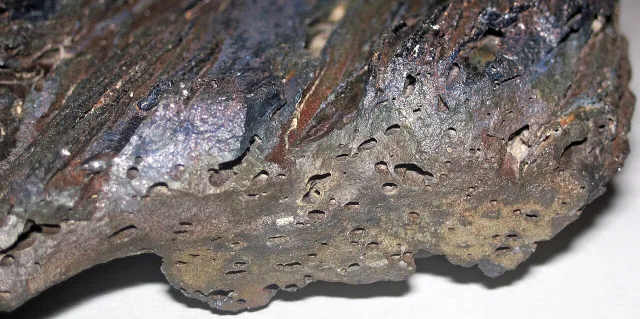
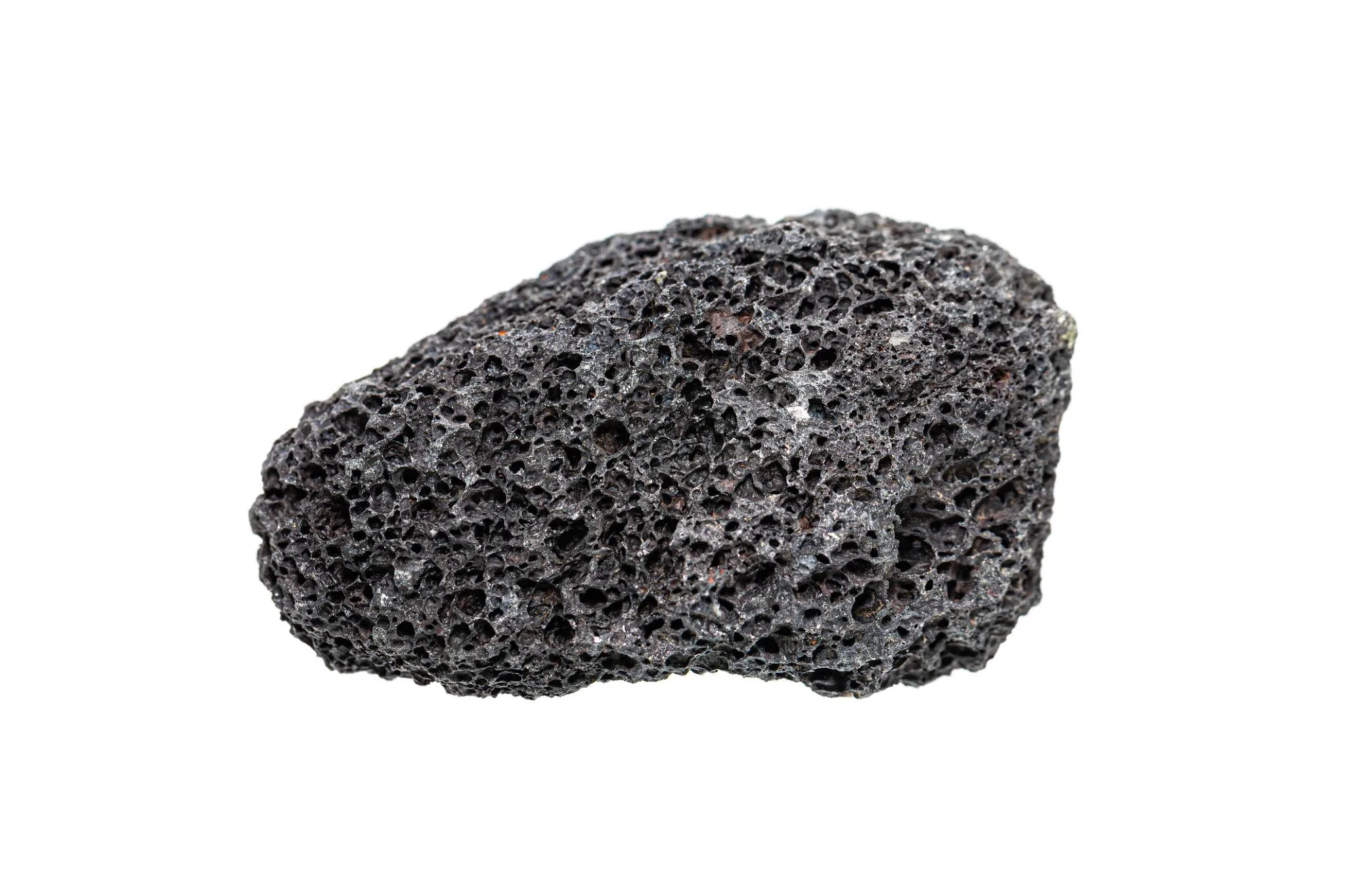
Gas bubbles become trapped in solidifying basaltic lava, leaving round or elongated cavities called vesicles. The surface is usually dark and fine-grained; large numbers of holes do not guarantee that the rock can float.
2. Scoria
Scoria is a porous, generally dark volcanic rock formed from gas-rich lava. Its cavities may have relatively thick walls and irregular outlines. Most scoria specimens sink in water despite their porous texture.
3. Pumice
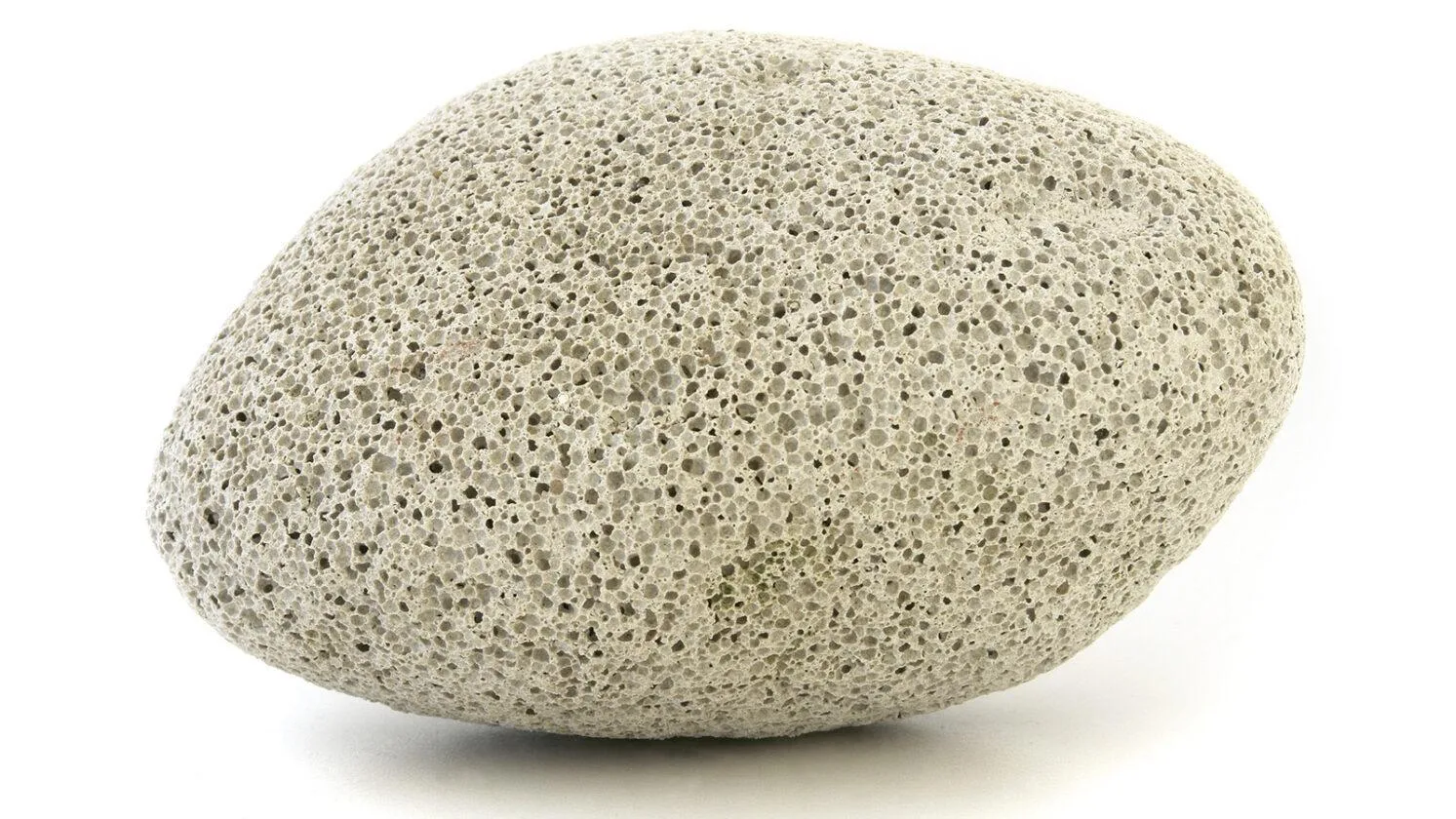
Pumice is volcanic glass with abundant tiny vesicles. Its extremely low bulk density can allow some pieces to float temporarily, although they may eventually become waterlogged. The light-colored, foam-like texture is often recognizable.
4. Vesicular Andesite
Intermediate-composition lava can trap expanding gas and acquire vesicles similar to basalt. A medium gray color is common, but mineral identification and field context are needed to distinguish andesite from other volcanic rocks.
5. Amygdaloidal Basalt
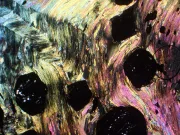
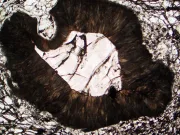
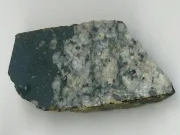
Some original vesicles later fill with quartz, calcite or zeolite. These filled cavities are called amygdales. A rock may show both empty holes and mineral-filled spots, recording two different stages of its history.
6. Tafoni-bearing Sandstone
Small pits may enlarge into a honeycomb pattern when salt weathering, wetting-drying cycles and variations in cement remove some grains faster than others. These surface cavities commonly develop in sandstone exposed to wind and moisture.
7. Karst Limestone
Carbonate dissolution along fractures and bedding surfaces can enlarge cavities into irregular holes, grooves or cave systems. Solution openings commonly connect to the direction of water movement.
8. Vuggy Dolostone
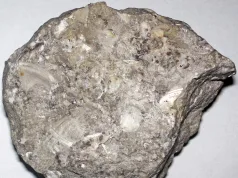
Irregular dissolution cavities in dolostone are called vugs. Some are later lined with sparkling mineral crystals. Dolostone must be distinguished from limestone using mineralogical context and, when appropriate, a carefully interpreted acid test.
9. Tufa and Travertine
Calcium carbonate precipitated around springs and streams can remain porous where gas, plant stems or uneven crust growth left openings. These holes form during deposition and early alteration, not from volcanic gas bubbles.

10. Bioturbated or Bored Rock
Marine boring organisms can excavate repeated holes into rock or shells. Burrows in soft sediment may later lithify as trace fossils. The arrangement and regular geometry can indicate biological activity.
Identification Tips and Common Mistakes
Before identifying a holed rock, decide whether its openings formed internally or at the surface. Compare bubble shapes with bedding, surrounding minerals and fracture patterns. Read our rocks that float on water guide for the practical difference between pumice and scoria.
Gas Bubbles Versus Dissolution Holes
Vesicles form inside molten lava as gases expand and escape. They are often rounded and distributed throughout the rock, sometimes stretched in the direction of flow. Dissolution cavities develop after a rock has formed, commonly along fractures, bedding or zones rich in soluble minerals. They may connect into irregular channels. The different timing is essential: one texture records lava cooling, while the other records interaction with groundwater.
What Are Vugs and Amygdales?
A vug is a cavity in a rock, often lined with mineral crystals and formed by several possible processes. An amygdale is specifically a former volcanic gas cavity that has been filled by later minerals. Quartz, chalcedony, calcite and zeolites can fill volcanic vesicles as water circulates through cooled lava. An amygdaloidal basalt can therefore contain rounded pale spots instead of open holes, even though its original texture was vesicular.
Are All Holed Rocks Lightweight?
No. Porosity and density are related but not identical. Scoria may contain many visible cavities but still have a bulk density greater than water. Pumice may float because its gas spaces make its bulk density low, yet individual pieces can eventually waterlog and sink. Basalt with a few vesicles usually sinks readily. A float test should therefore support, not replace, observations of mineral texture and composition.
Frequently Asked Questions
Can a single visual feature identify a rock?
Usually not. Combine texture, composition, structural patterns and geological setting before drawing a conclusion.
Should I break an unfamiliar specimen?
Use an existing fresh break or loose specimen when permitted. Avoid damaging protected outcrops, fossils or geological heritage sites.