

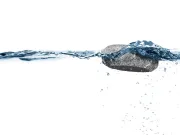




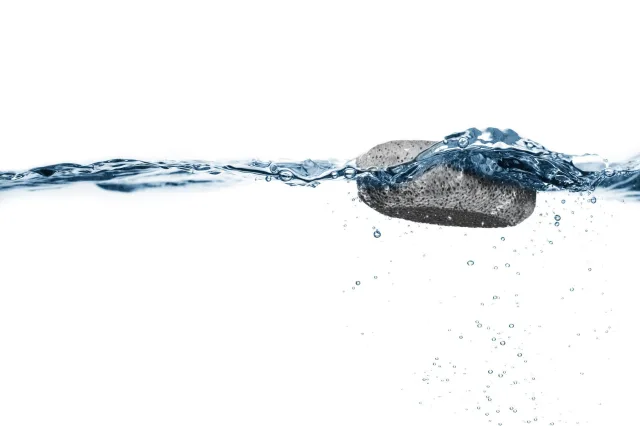
When you drop a rock into water, you usually expect it to sink. Most rocks are denser than water, so they quickly settle to the bottom. However, nature has some surprising exceptions. Certain volcanic rocks contain so many gas-filled cavities that they can remain afloat. Following major volcanic eruptions, thousands or even millions of floating fragments can accumulate into enormous masses that drift across the ocean.
The best-known example is pumice, a lightweight volcanic rock with a sponge-like texture. Its remarkable porosity allows some pieces to have an overall density lower than that of water.
But which rocks can float? What geological properties make floating possible? Where are these unusual rocks found, and why do some eventually sink?
This guide explores floating rocks, their formation, physical characteristics, geological significance, and real-world examples.
1. Pumice: The Most Common Rock That Floats
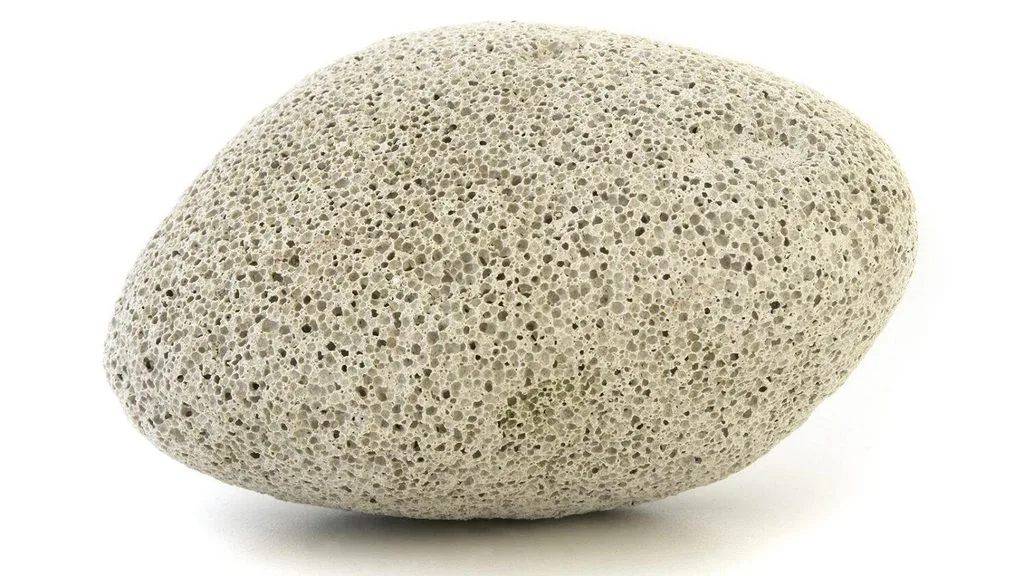
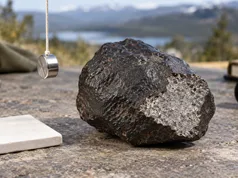
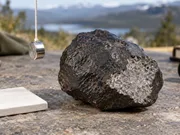
Pumice is an extremely porous volcanic rock formed when gas-rich magma rapidly cools and solidifies during explosive volcanic activity.
As magma rises toward the Earth’s surface, decreasing pressure allows dissolved gases to expand. These gases create countless bubbles within the molten material. When the magma cools rapidly, the bubbles become preserved as cavities known as vesicles.
The unusually low density of pumice results from the large proportion of its volume occupied by these gas-filled spaces.
Key Characteristics of Pumice
- Commonly white, light gray, cream, or brownish in color
- Contains numerous small and large vesicles
- Feels exceptionally lightweight for its size
- Has a rough, abrasive surface
- Often forms from silica-rich volcanic magma
- Can float when its overall density is sufficiently low
Not all pumice specimens have the same density. Some sink immediately, while others remain afloat for extended periods.
The ability to float depends not only on the number of vesicles but also on their structure and how easily water can enter them.
2. Scoria: A Volcanic Rock That Can Occasionally Float
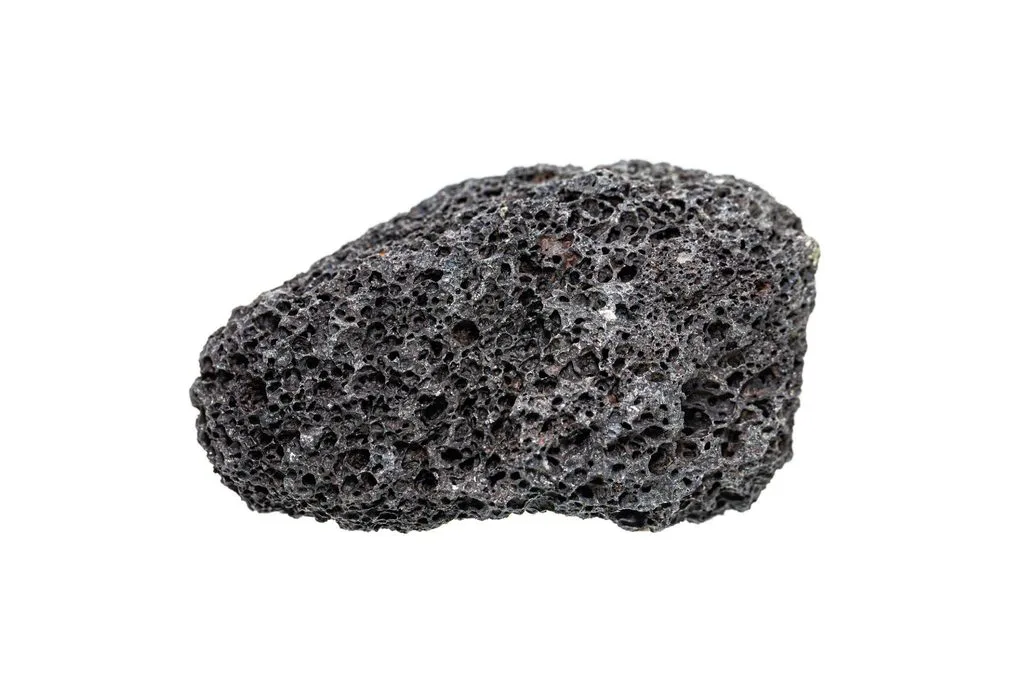
Scoria is another vesicular volcanic rock formed from gas-rich lava. Unlike typical light-colored pumice, scoria generally forms from basaltic or andesitic magma.
It is commonly dark gray, black, or reddish brown. Its vesicles are often relatively large, and the rock typically has thicker walls between cavities.
As a result, most scoria specimens are denser than water and sink.
However, exceptionally vesicular scoria fragments may float temporarily under suitable conditions, particularly when enough air remains trapped within their cavities.
Pumice vs. Scoria
| Feature | Pumice | Scoria |
|---|---|---|
| Typical color | White, pale gray, cream | Black, dark gray, reddish |
| Common magma composition | Rhyolitic to dacitic | Basaltic to andesitic |
| Vesicle structure | Often numerous fine vesicles | Usually larger cavities |
| Typical density | Can be extremely low | Generally higher |
| Floating ability | Many specimens float | Most sink; some may float briefly |
The presence of holes alone does not determine whether a rock will float. Its mineral mass, total pore volume, and the ability of water to penetrate the cavities all play important roles.
3. Highly Vesicular Volcanic Fragments
Some freshly erupted volcanic fragments can remain on the water surface if they contain enough gas-filled pore space.
These materials do not necessarily represent separate rock types. Instead, they may be volcanic fragments with different compositions and textures.
During submarine volcanic eruptions, highly vesicular fragments may rise through the water column and accumulate at the ocean surface.
Their buoyancy depends mainly on three factors:
- The total volume of gas-filled cavities
- The connectivity between pores
- The rate at which water penetrates the rock
Importantly, not every extremely porous volcanic fragment floats. Some lightweight volcanic materials have open, interconnected cavities that fill rapidly with water, causing them to sink.
4. Geological Properties That Allow Rocks to Float
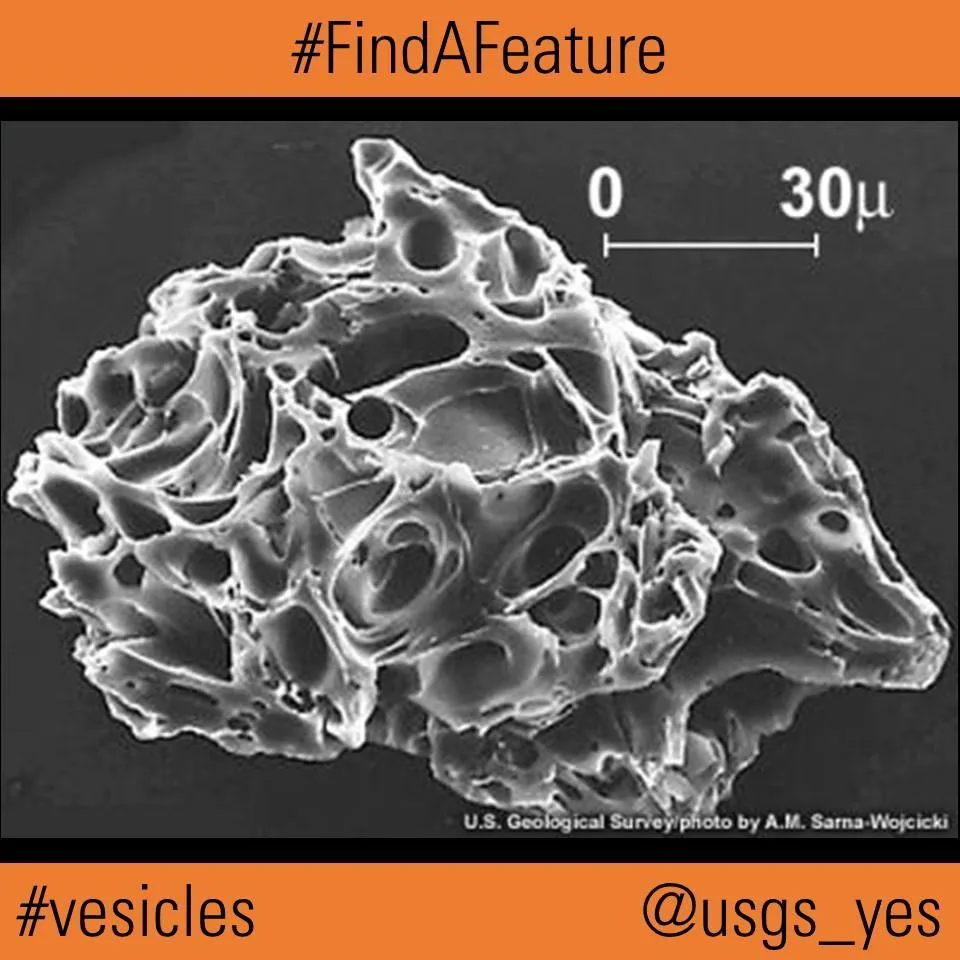
Whether a rock floats depends on its density and the buoyant force exerted by displaced water.
Freshwater has a density of approximately 1 g/cm³, while most natural rocks have substantially higher densities.
Highly porous volcanic rocks can behave differently because gas-filled spaces reduce their overall density.
Porosity
Porosity describes the proportion of a rock’s total volume occupied by empty spaces.
For example, a pumice fragment containing a large volume of trapped gas can be much lighter than a similarly sized piece of solid basalt.
However, high porosity alone does not guarantee buoyancy.
Bulk Density
Bulk density refers to the total mass of a rock divided by its overall volume, including internal pores.
A rock can float when its effective bulk density is lower than that of the surrounding water.
As water enters previously gas-filled cavities, the mass of the rock increases and its buoyancy may decrease.
Pore Connectivity
Not all pores are connected to the outside environment.
Some cavities are isolated and can retain gas for extended periods. Others form interconnected pathways that allow water to enter.
This distinction explains why two pumice fragments with similar appearances can behave very differently when placed in water.
5. Pumice Rafts: Floating Masses of Volcanic Rock
One of the most fascinating geological phenomena involving floating rocks is the formation of pumice rafts.
During major volcanic eruptions, large quantities of pumice may enter the ocean and accumulate at the surface.
From a distance, these floating masses can resemble islands. In reality, they consist of numerous individual pumice fragments drifting together.
The 2019 Tonga Pumice Raft
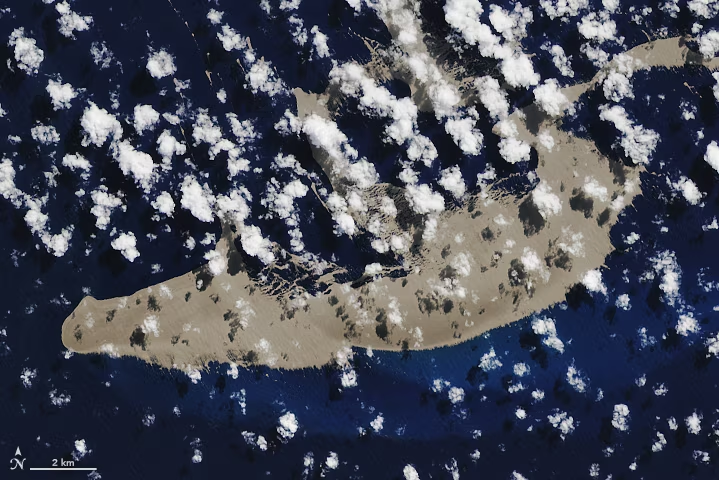
In August 2019, submarine volcanic activity near Tonga produced a massive pumice raft in the Pacific Ocean.
Satellite imagery from NASA documented the floating volcanic material as it moved across the ocean.
The pumice was first reported in early August, and portions of the floating material eventually reached Fiji by October 2019.
The event demonstrated how volcanic rocks can travel considerable distances from their original source.
It also highlighted the importance of satellite observations for tracking submarine volcanic activity.
Ecological Importance of Pumice Rafts
Floating pumice can provide temporary surfaces for marine organisms.
Over time, algae, small invertebrates, and other organisms may attach themselves to the rock fragments.
Ocean currents can then transport these organisms over long distances.
Pumice rafting may contribute to the dispersal of marine life between islands and coastal environments, although it can also create ecological concerns when organisms reach new habitats.
6. Why Floating Rocks Eventually Sink
A rock that initially floats may not remain on the surface forever.
The buoyancy of pumice depends on its original pore structure and the amount of water that enters its cavities over time.
When water penetrates open pores, it gradually replaces some of the trapped gas.
This increases the effective density of the rock. Once the fragment becomes sufficiently waterlogged, it may lose its buoyancy and sink.
However, the process is not identical for every piece of pumice.
Some fragments sink relatively quickly, while others can remain afloat for weeks, months, or even longer.
The rate of water absorption depends on several factors:
- Pore size and connectivity
- Fragment size and shape
- Initial gas content
- Water exposure and environmental conditions
Some pumice fragments can retain gas in isolated cavities, helping them remain buoyant for extended periods.
7. How to Identify a Rock That Floats
If you discover an unusually lightweight or porous rock, several observations may help determine whether it is pumice or another vesicular material.
Check Its Weight
Pumice often feels surprisingly light compared with ordinary rocks of a similar size.
Examine the Surface
Look for numerous small cavities and a rough, sponge-like texture.
The vesicles formed when gases escaped from molten volcanic material.
Observe Its Color
Pumice is commonly light gray, cream, or white, although darker varieties also occur.
Color alone is not a reliable identification method.
Perform a Simple Float Test
Gently place the specimen in a container of water.
If it floats, it may be pumice or another low-density porous material.
However, floating does not prove that a specimen is pumice. Industrial slag, lightweight concrete, and certain artificial materials can behave similarly.
Consider Its Geological Origin
Pumice is commonly associated with explosive volcanic activity.
Nevertheless, ocean currents can transport floating pumice far from its original volcanic source.
8. Where Are Floating Rocks Found?
Pumice and other highly vesicular volcanic materials are most commonly associated with regions that experience explosive volcanic activity.
Notable locations include:
- Iceland: Volcanic regions with explosive eruptive activity
- Italy: Pumice deposits on Lipari and other volcanic islands
- Turkey: Pumice deposits in Cappadocia and other volcanic regions
- Indonesia: Numerous volcanic islands within active volcanic arcs
- Japan: Explosive volcanoes and coastal areas affected by drifting pumice
- Tonga: Submarine volcanic eruptions capable of producing extensive pumice rafts
Floating pumice is not restricted to areas near volcanoes.
Ocean currents can carry fragments over considerable distances, occasionally depositing them on beaches far from active volcanic regions.
9. Do All Rocks With Holes Float?
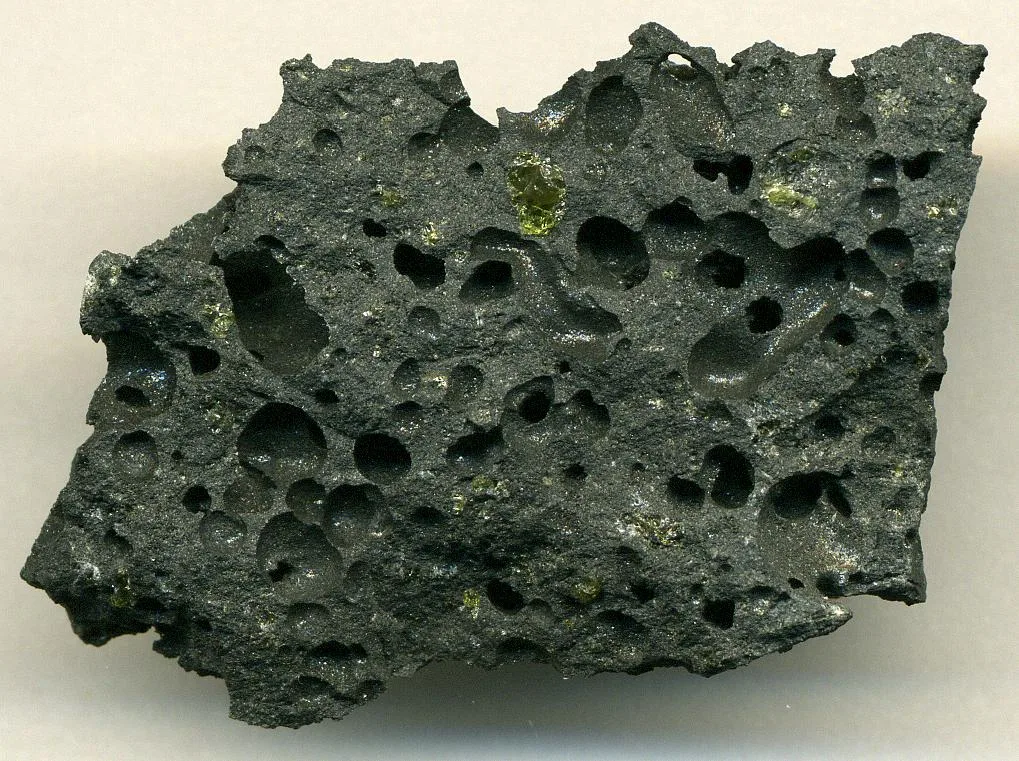
No. A porous or vesicular texture does not automatically make a rock buoyant.
Several rock types contain visible holes but are still too dense to float.
Examples include:
- Vesicular basalt: Contains gas cavities but generally remains denser than water.
- Scoria: Typically has abundant vesicles, yet most specimens sink.
- Porous limestone: May contain numerous cavities but usually has sufficient mineral mass to sink.
- Travertine: Often contains pores and cavities, but most specimens do not float.
Even extremely porous material can sink rapidly if its cavities are open and easily filled with water.
The key factor is not simply the presence of holes but the rock’s effective density and how its pore spaces interact with water.
10. Common Uses of Pumice
Pumice is valuable not only because of its unusual geological characteristics but also because of its lightweight and abrasive properties.
Common applications include:
- Lightweight concrete and construction blocks
- Building materials used for thermal and acoustic insulation
- Horticultural growing media and soil amendments
- Industrial abrasives
- Surface cleaning and polishing
- Personal care pumice stones
Its highly porous structure provides a combination of low weight, surface roughness, and physical properties useful in several industries.
Conclusion
Most rocks sink when placed in water, but certain highly porous volcanic rocks can float because their overall density is lower than that of water.
Pumice is the best-known example, while some exceptionally vesicular scoria and other volcanic fragments may also float under suitable conditions.
This unusual behavior is not limited to individual stones. Following major volcanic eruptions, enormous pumice rafts can drift across oceans and transport volcanic material far from its original source.
Floating rocks illustrate the relationship between volcanic gas expansion, rock porosity, density, and buoyancy. They also demonstrate how geological processes can influence ocean environments and the movement of marine organisms.
Frequently Asked Questions (FAQ)
What types of rocks can float on water?
Pumice is the most common example. Exceptionally porous scoria and some other volcanic fragments may also float under suitable conditions.
Why does pumice float?
Pumice contains numerous gas-filled cavities that can reduce its overall density below that of water.
Does pumice eventually sink?
Yes, some pumice fragments sink as water penetrates their pores. However, others can remain afloat for extended periods.
Can lava rocks float on water?
Some volcanic rocks, especially pumice, can float. However, most basalt and scoria fragments sink because their effective densities are too high.
Are floating rocks valuable?
Pumice has commercial and industrial uses, but its ability to float does not automatically make it rare or valuable.
Can floating rocks be found in Turkey?
Yes. Turkey has significant pumice deposits in several volcanic regions. However, not every pumice fragment from these deposits will float.
Can a rock float in seawater but sink in freshwater?
Yes. Seawater is denser than freshwater because of its dissolved salts. A rock with an effective density between those of freshwater and seawater may float in seawater while sinking in freshwater.
References
- U.S. Geological Survey (USGS). Volcano Hazards Program Glossary. Definitions and geological characteristics of pumice, scoria, volcanic rocks, and related volcanic processes.
https://www.usgs.gov/glossary/volcano-hazards-program-glossary - U.S. Geological Survey (USGS). Volcano Watch — Rocks Float Briefly Where Lava Meets the Sea. Scientific explanation of rock buoyancy, trapped gases, and pore connectivity.
https://www.usgs.gov/news/volcano-watch-rocks-float-briefly-where-lava-meets-sea - U.S. Geological Survey (USGS). Eruptions of Hawaiian Volcanoes. Descriptions of vesicular volcanic ejecta, pumice, scoria, and reticulite.
https://pubs.usgs.gov/gip/hawaii/page41.html - NASA Earth Observatory (2019). A Raft of Rock. Satellite observations of the August 2019 floating pumice raft near Tonga.
https://science.nasa.gov/earth/earth-observatory/a-raft-of-rock-145490/ - Smithsonian Institution, Global Volcanism Program (2019). Report on Tofua Arc at 18.3°S (Tonga). Bulletin of the Global Volcanism Network, 44(11). Documentation of the 2019 submarine eruption and drifting pumice rafts.
https://doi.org/10.5479/si.GVP.BGVN201911-243091