










Fossils are not spread evenly through Earth’s rocks. Most recognizable remains occur in sedimentary deposits because burial preserves biological material without the high temperatures associated with molten rock. Yet differences in grain size, mineral composition, water chemistry and sedimentation determine which organisms survive as fossils and how clearly they can be seen today.
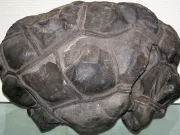
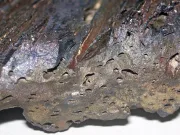
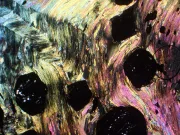
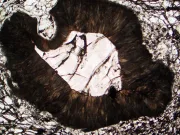
This illustrated field guide introduces twelve rock types and fossil-bearing varieties. Each photograph shows the corresponding rock or a documented fossil occurrence. Some examples contain visible shells or traces; others require microscopy to reveal their biological components.
Where to Look for Fossils
Sedimentary bedding, naturally fractured surfaces and exposed rock faces are better starting points than arbitrary stones. Record the geological context, use a scale in photographs and compare suspected remains with known fossils. A fossil may preserve actual hard parts, a mineral replacement, an impression, an internal mold or evidence of behavior such as a track or burrow.
1. Fossiliferous Limestone
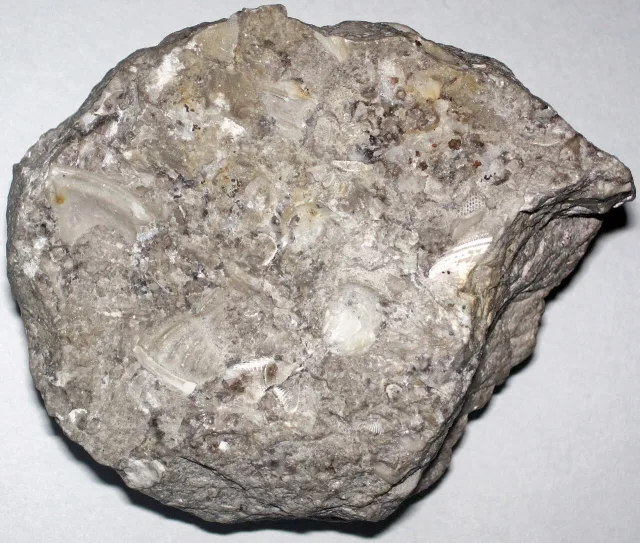
Fossiliferous limestone contains the shells and skeletal fragments of organisms cemented within a carbonate matrix. Brachiopods, corals, mollusks, crinoids and bryozoans can all contribute to its texture. Such rocks often accumulated on shallow marine shelves, although carbonate deposits also form in lakes and deeper marine settings.
Identification: Look for repeated shell outlines, ribbing, radial structures or thin sections of skeletal material in a gray or buff matrix. Calcite-rich limestone typically reacts vigorously with dilute hydrochloric acid; a reaction identifies carbonate, not the fossil itself. Examine a naturally broken surface with a hand lens rather than relying on a weathered exterior. Shell concentrations can be transported by currents, so the distribution of fragments does not necessarily represent the original living community.
2. Shale and Mudshale
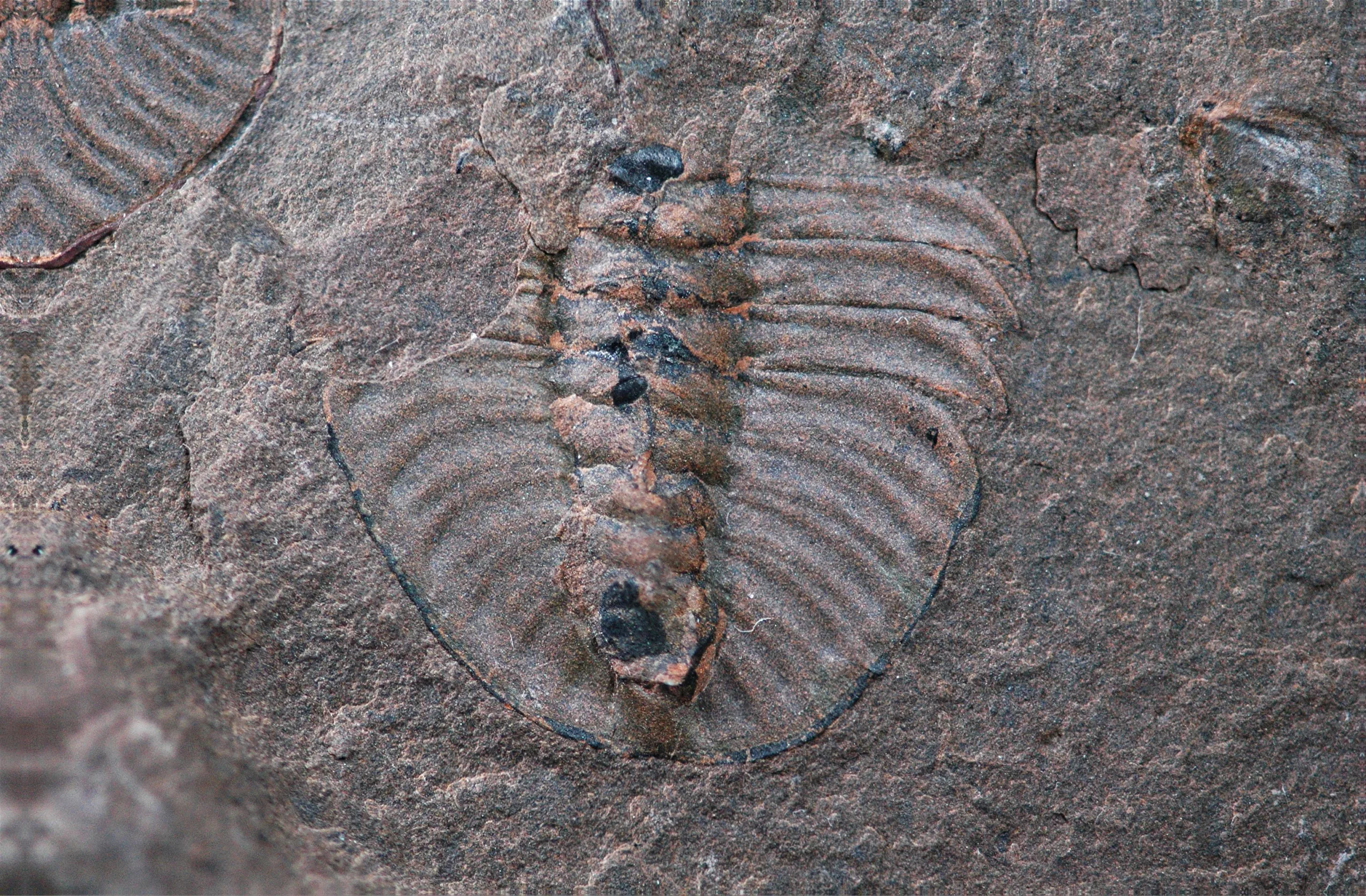
The very fine mineral particles that form shale can settle slowly in lakes, offshore basins and floodplains. Under favorable conditions, rapid burial and limited disturbance protect delicate remains. Shale commonly splits along lamination, exposing fossils such as graptolites, trilobites, compressed leaves and fish.
Identification: Look for thin, flat bedding surfaces with repeated anatomy, contrasting dark films or shell molds. Mudstone is similarly fine-grained but generally less fissile. The Cambrian Burgess Shale in Canada demonstrates the remarkable preservation possible in certain fine sedimentary deposits; not all shales preserve soft tissues. Avoid forcefully splitting protected outcrops or specimens.
3. Fossiliferous Dolostone
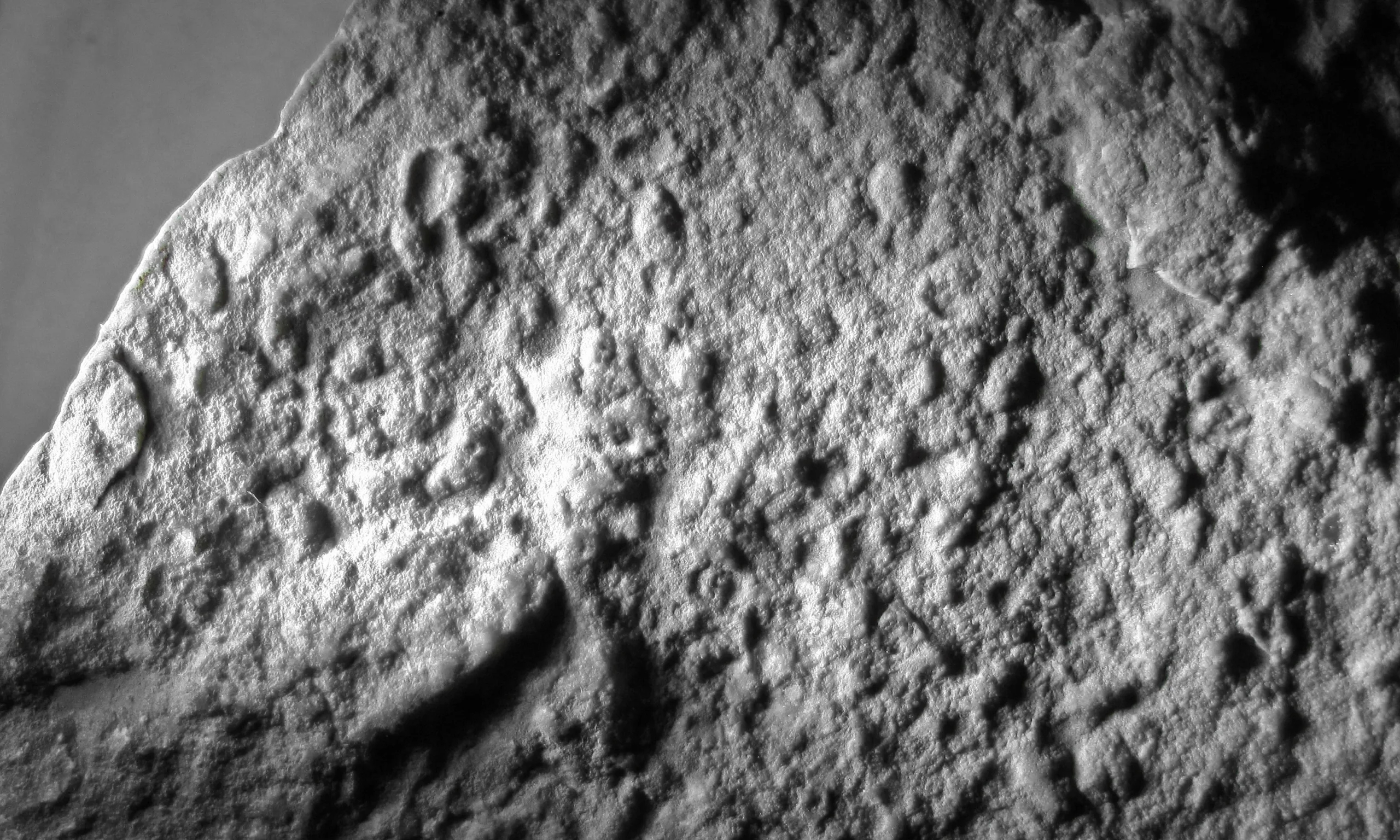
Dolostone is dominated by dolomite, a calcium-magnesium carbonate mineral. Much dolostone formed when magnesium-bearing fluids altered earlier limestone. That reaction can obscure original shell material, leaving molds, impressions or fragments. In some specimens, fossils are well enough preserved to recognize the organism.
Identification: Look for a fine crystalline texture and small fossil molds or rounded shell forms. Dolostone usually reacts more weakly than calcite-rich limestone on an unpowdered surface when tested with dilute hydrochloric acid. The small ovoid fossils in the photograph are ostracods, tiny crustaceans whose shells can help reconstruct ancient aquatic environments.
4. Fossil-bearing Sandstone
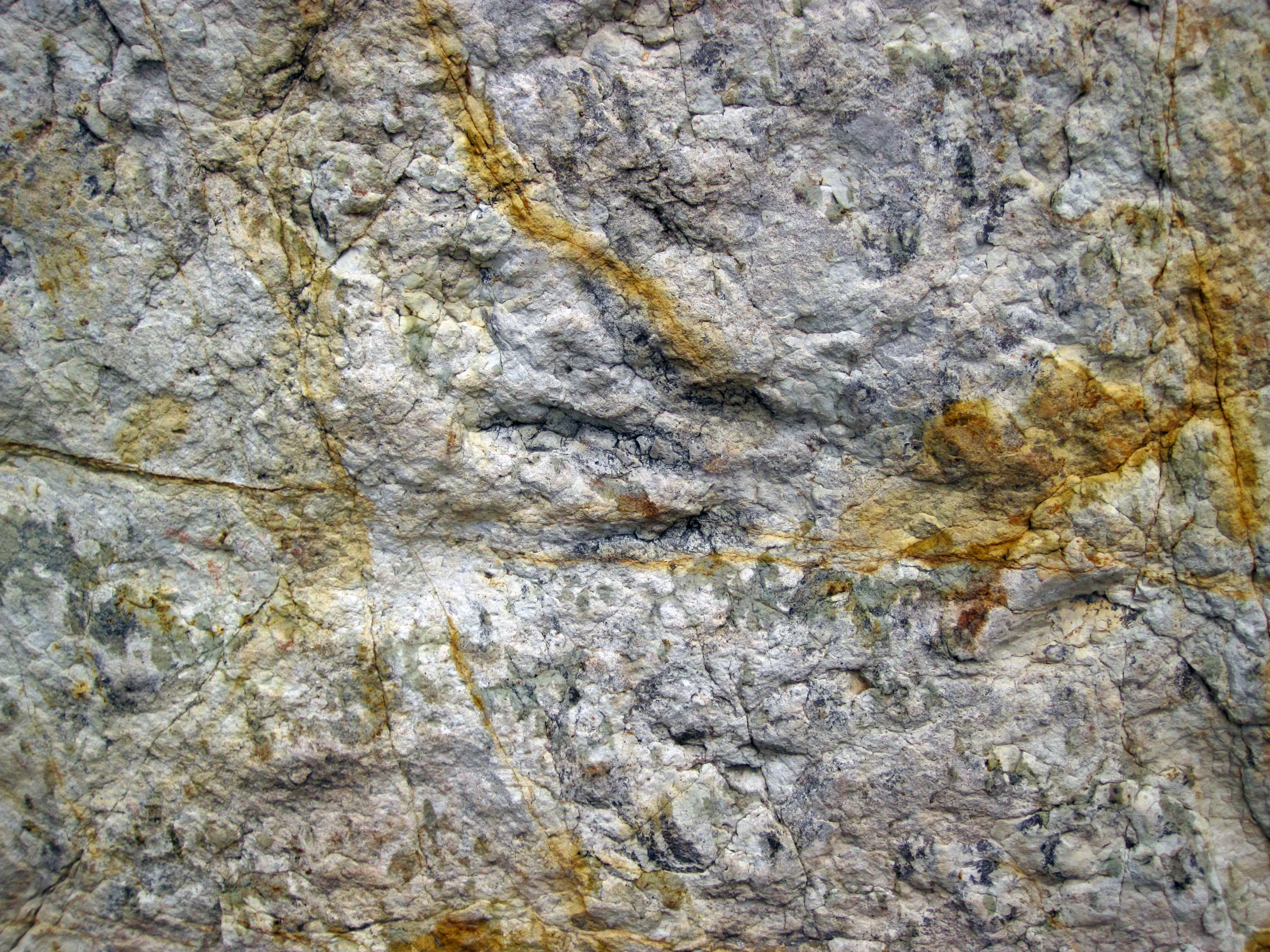
Sandstone consists mainly of sand-sized grains. Its porous or granular texture can make delicate body fossils difficult to preserve, but shells, bones, plant remains and trace fossils occur in appropriate environments. A footprint can be preserved when an animal crosses moist sediment that is subsequently filled and buried.
Identification: Examine bedding planes and changes in sediment around the structure. Genuine tracks may have recognizable toe proportions, pressure ridges or repeated spacing within a trackway. Burrows may cross lamination and be filled with different sediment. A single rounded depression is not enough to identify a footprint; erosional pits and mineral dissolution can produce similar forms.
5. Chalk
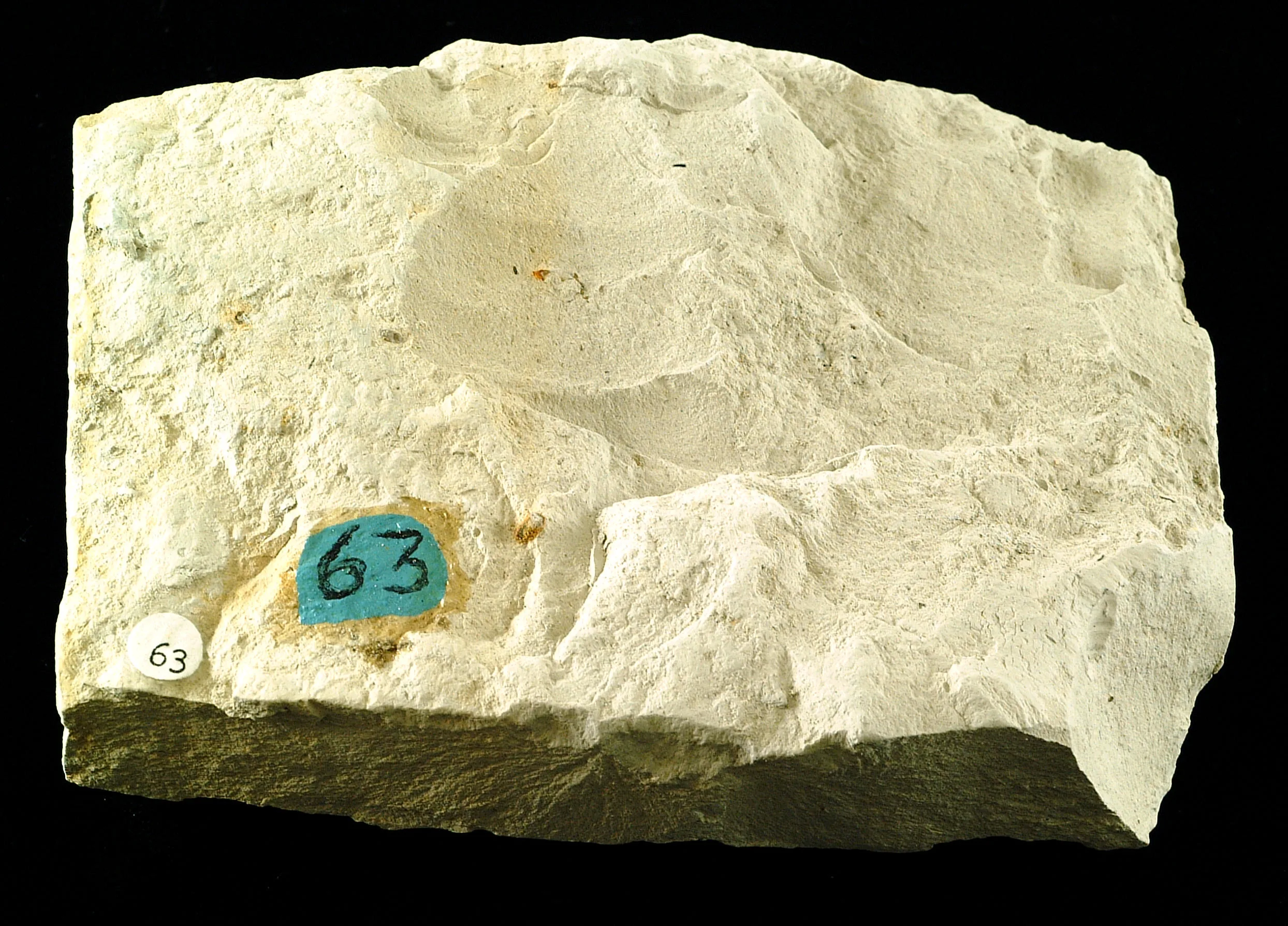
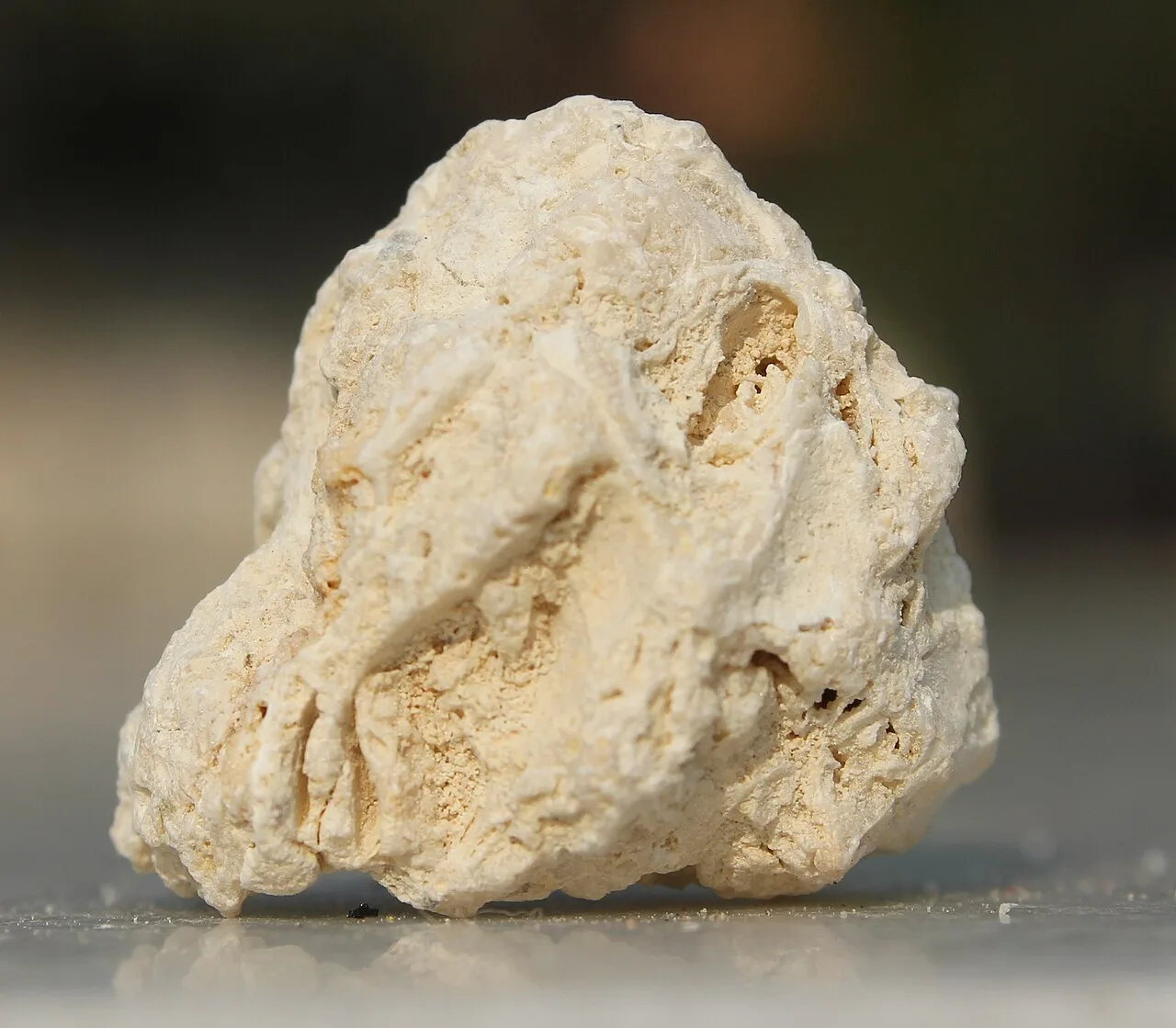
Chalk is a soft, fine-grained limestone largely derived from microscopic marine organisms, including calcareous plankton. It often looks uniform in hand specimen even though much of the rock has a biological origin. Some chalk beds also contain sea urchins, belemnites, bivalves and other larger fossils.
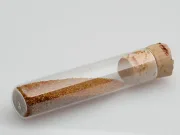
Identification: Typical chalk feels powdery, is pale and reacts with dilute acid. A hand lens may reveal larger skeletal fragments, while the smallest fossil components require a microscope. The Cretaceous Selma Chalk of Mississippi, illustrated here, is an example of a chalk containing microscopic foraminiferal shells and larger fossil fragments. Do not confuse geologic chalk with manufactured writing sticks.
6. Coquina
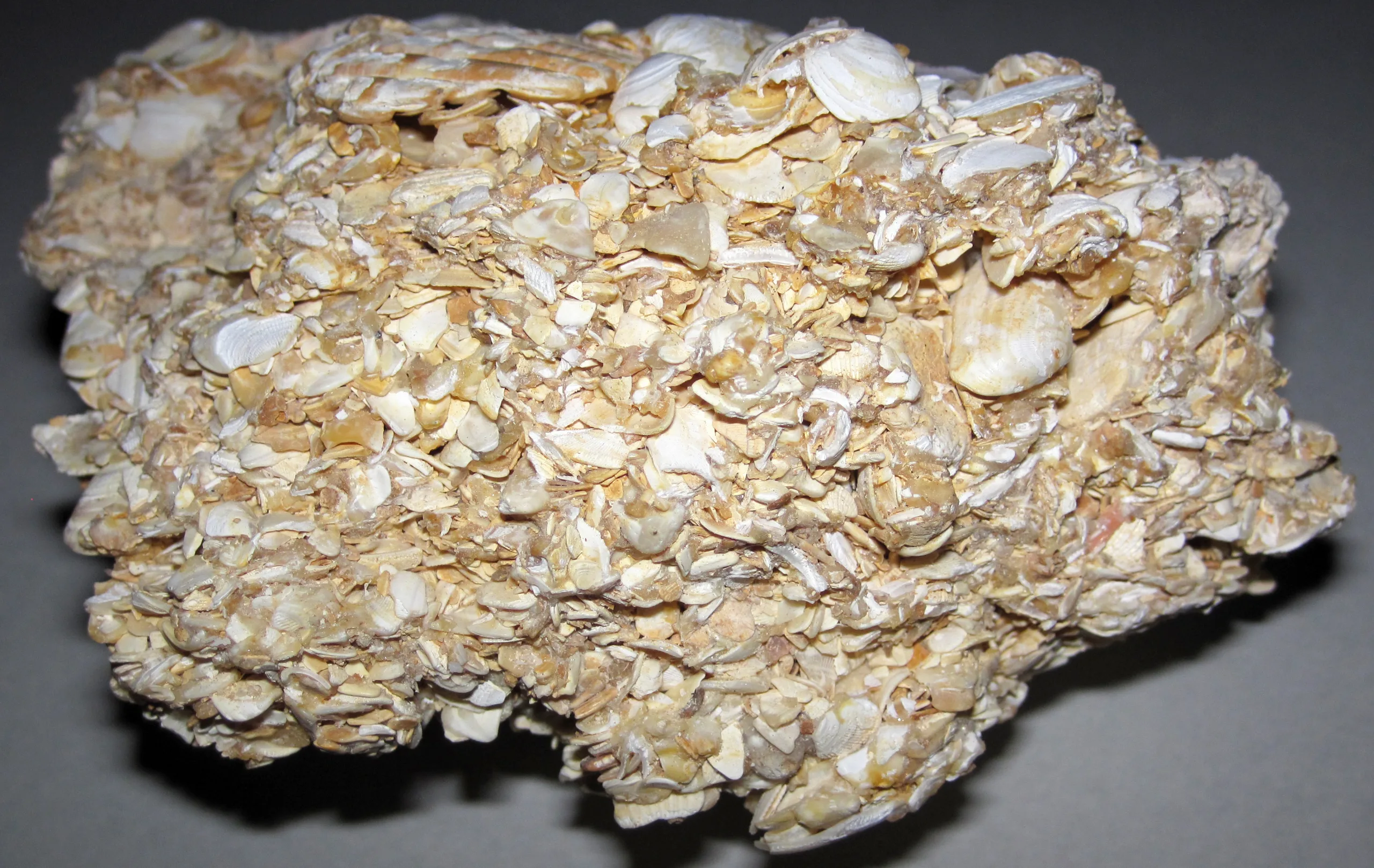
Coquina is a shell-rich carbonate rock that forms when waves or currents accumulate skeletal debris and the material becomes cemented. Bivalves and gastropods commonly supply the fragments. Open spaces between grains can give the rock a porous, coarse appearance.
Identification: The defining feature is its abundance of recognizable shell fragments rather than rounded mineral pebbles. Closely inspect broken edges for curved shell surfaces and internal growth layers. A rock consisting almost entirely of shell debris is particularly easy to recognize; material mixed with substantial quartz sand may instead be described as a shelly or coquinoid sandstone depending on its composition.
7. Fossiliferous Chert and Silicified Carbonate
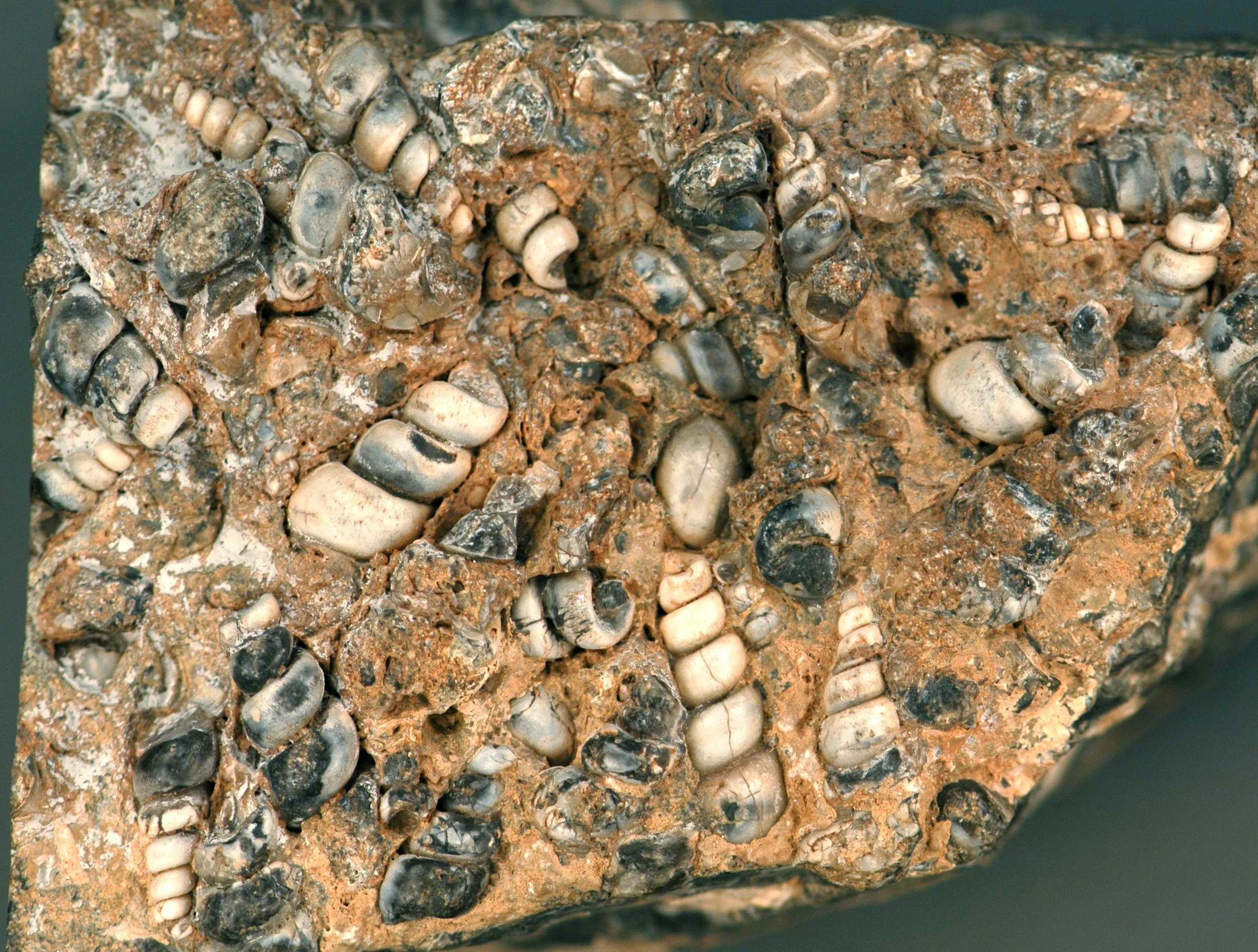
Silica can replace pre-existing carbonate rock and biological hard parts during burial, producing hard fossil-bearing material. Some cherts also accumulate from microscopic siliceous organisms. A fossiliferous chert may contain exceptionally clear skeletal outlines even though the original mineral composition has changed.
Identification: Chert commonly has a smooth, curved fracture and can scratch ordinary glass. Look for coherent anatomy rather than random colored spots or bands. The specimen illustrated is the material commonly sold as Turritella agate from Wyoming, although its snail fossils belong to Elimia and the rock is fossiliferous chert. Some examples require thin sections or microscopy for identification.
8. Coal and Carbonaceous Sedimentary Rocks
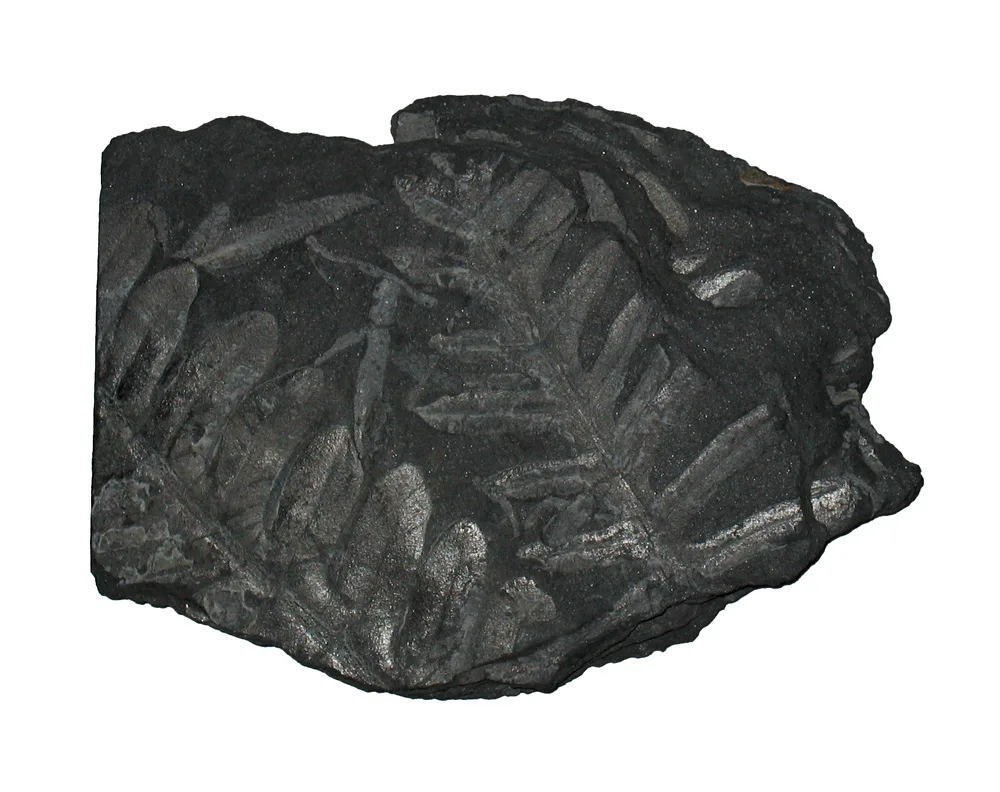
Coal originates from plant-rich material accumulated in environments such as ancient wetlands, then compacted and altered during burial. Recognizable plant fossils may occur within some coal specimens or more commonly in the associated carbonaceous shale, roof rocks and siltstone.
Identification: Leaves may retain branching veins, stems may show repeating surface structures and roots may preserve distinctive branching patterns. Examine adjacent bedding surfaces when possible and record the relationship between the plant material and sediment. A black streak or shiny surface alone cannot distinguish coal, carbonaceous shale and other dark materials. Coal-bearing successions are valuable records of ancient terrestrial environments.
9. Oil Shale
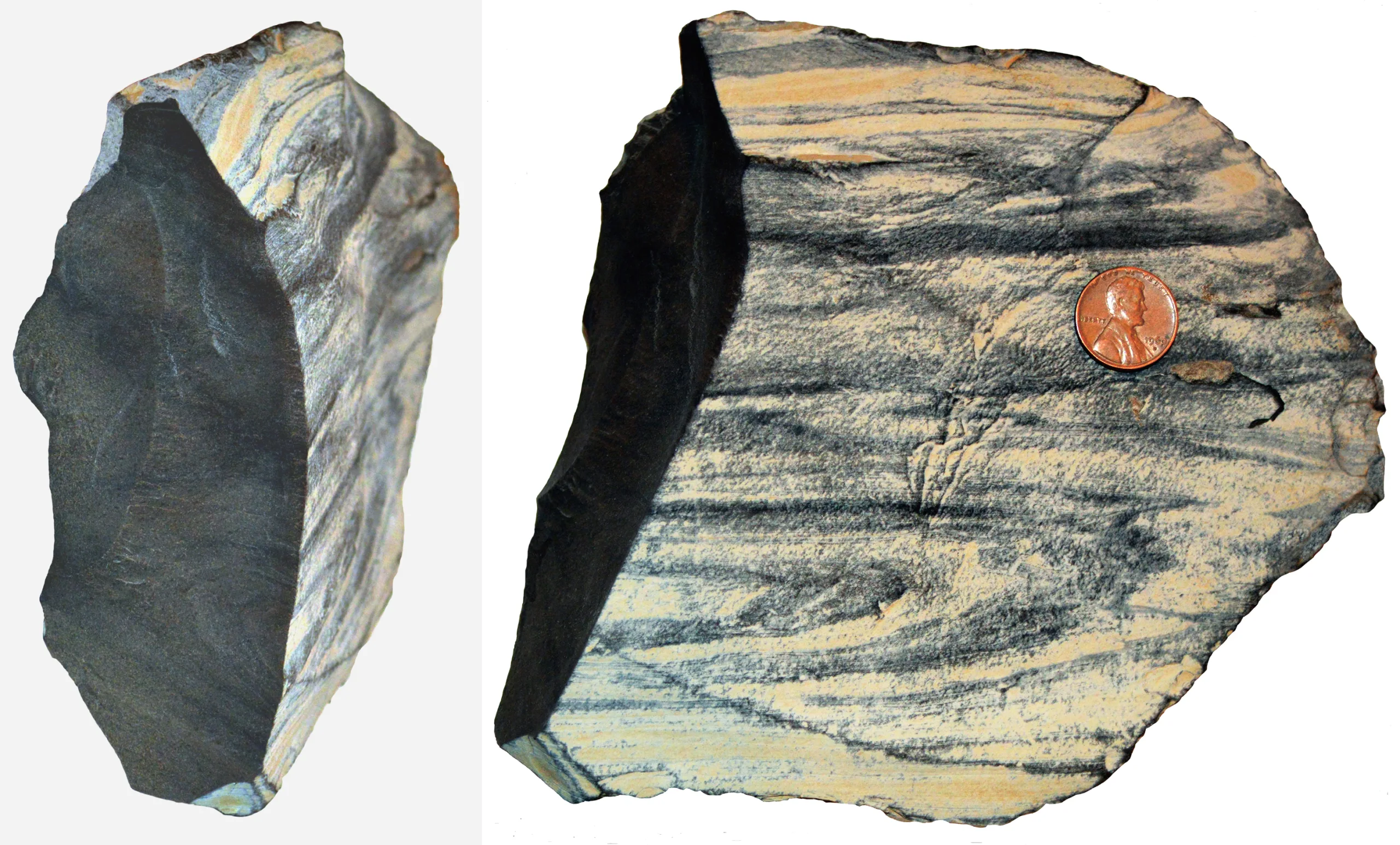
Organic-rich fine-grained sedimentary rock commonly called oil shale contains kerogen, solid organic matter that can yield hydrocarbons when heated. Some ancient lake deposits preserve fish, insects, leaves and microscopic organisms alongside the organic-rich sediments; other samples have no obvious macroscopic fossils.
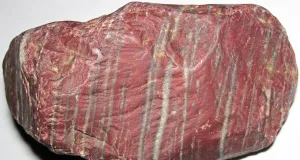
Identification: Look for fine lamination, dark organic-rich bands and coherent biological outlines. The illustrated specimen is a rock sample from the Mahogany Zone of the Green River Formation, rather than a photograph of a visible fish fossil. The Green River succession illustrates how quiet lake deposition under appropriate conditions can preserve organic material. Reliable oil-shale identification requires laboratory analysis of its kerogen content.
10. Fossiliferous Conglomerate
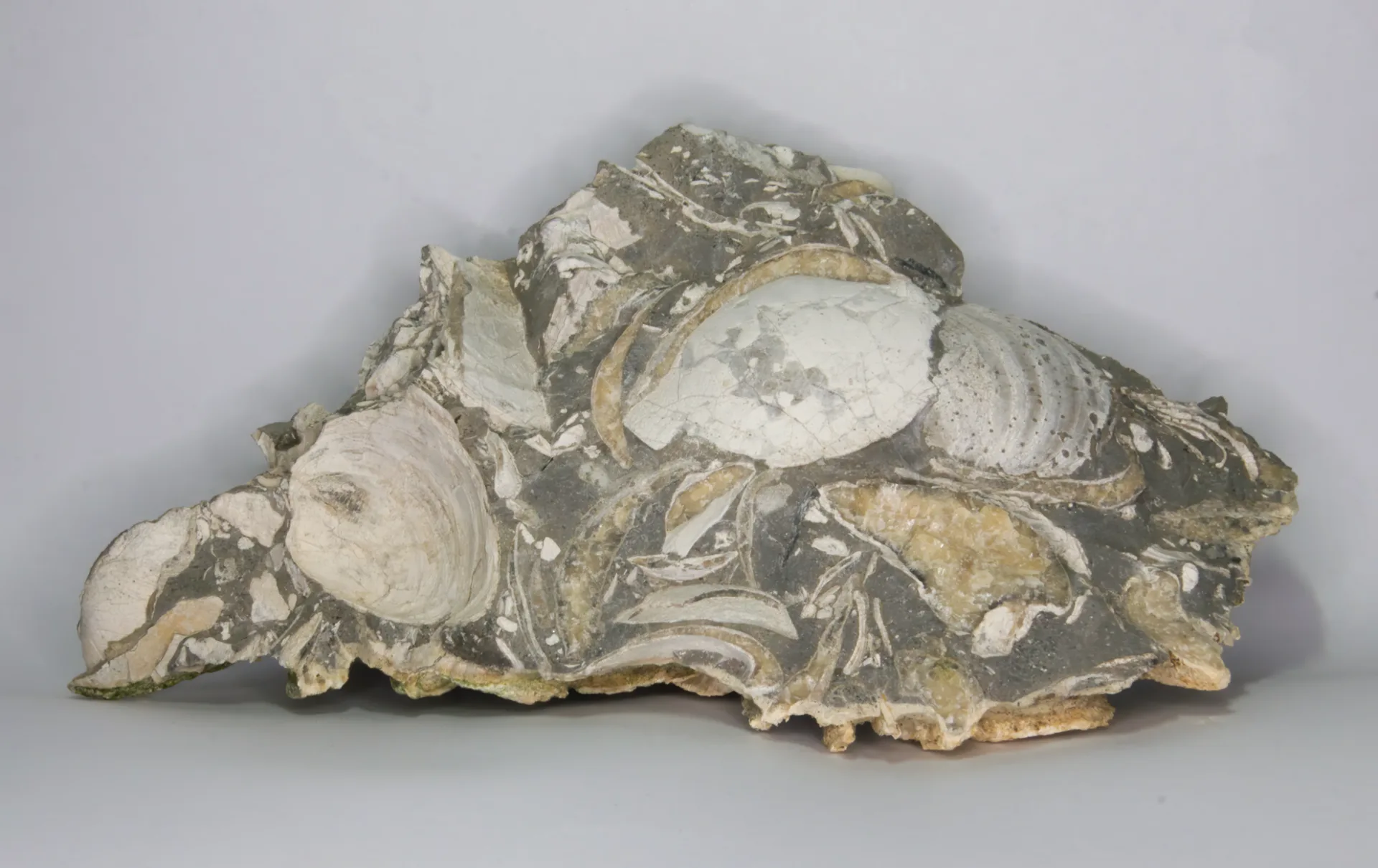
Conglomerate is made of rounded, gravel-sized clasts held in a finer matrix or cement. Fossil debris may form part of the coarse material or occur within older limestone clasts incorporated into the deposit. Shell-rich coarse accumulations are sometimes termed shell conglomerates.
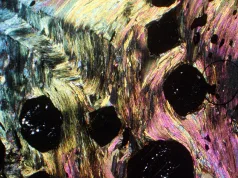
Identification: Look for the boundary between clasts and matrix. If a fossil lies inside a rounded limestone pebble it may be older than the conglomerate itself, having been eroded from another rock and transported before deposition. The illustrated Oligocene shell conglomerate preserves shell material, including parts affected by later calcite crystallization. Recognizing reworked fossils is essential when interpreting the age of a deposit.
11. Fossiliferous Ironstone Concretions
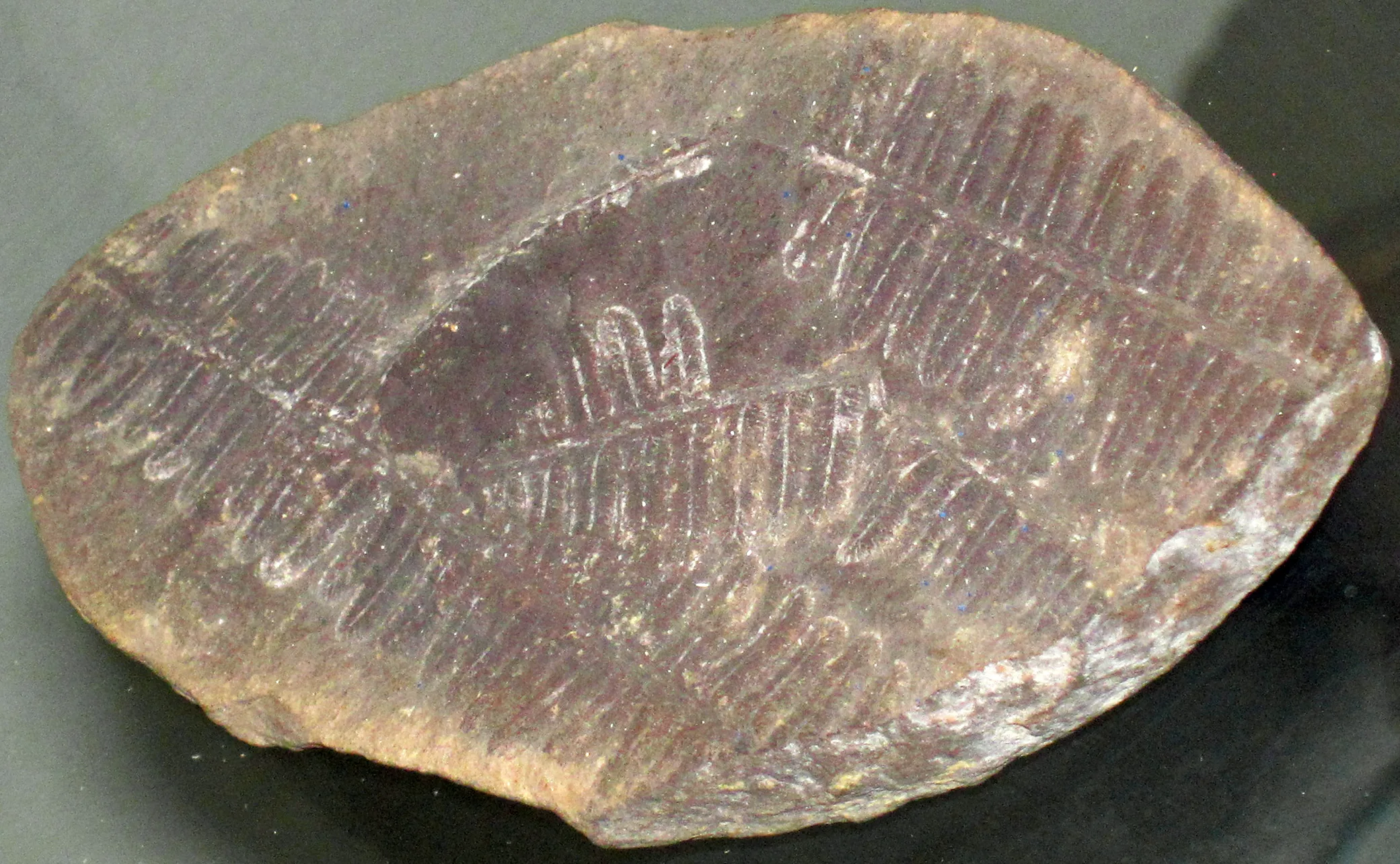
Iron-rich mineral cement can accumulate around organic remains within sediment, producing concretions. Early cementation sometimes protects delicate organisms from compaction and decay. The Pennsylvanian Mazon Creek deposits of Illinois are famous for fossils preserved in ironstone concretions, including plants and soft-bodied animals.
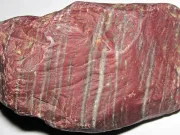
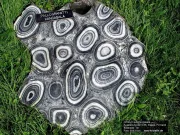
Identification: A concretion can appear plain and rounded externally, while a naturally exposed interior reveals a genuine fossil. Most concretions do not contain identifiable fossils. A round shape is not evidence of an egg, and concentric mineral bands are not automatically biological. Examine the internal structure, specimen locality and characteristic anatomical features before assigning an identification.
12. Fossil-bearing Volcanic Tuff
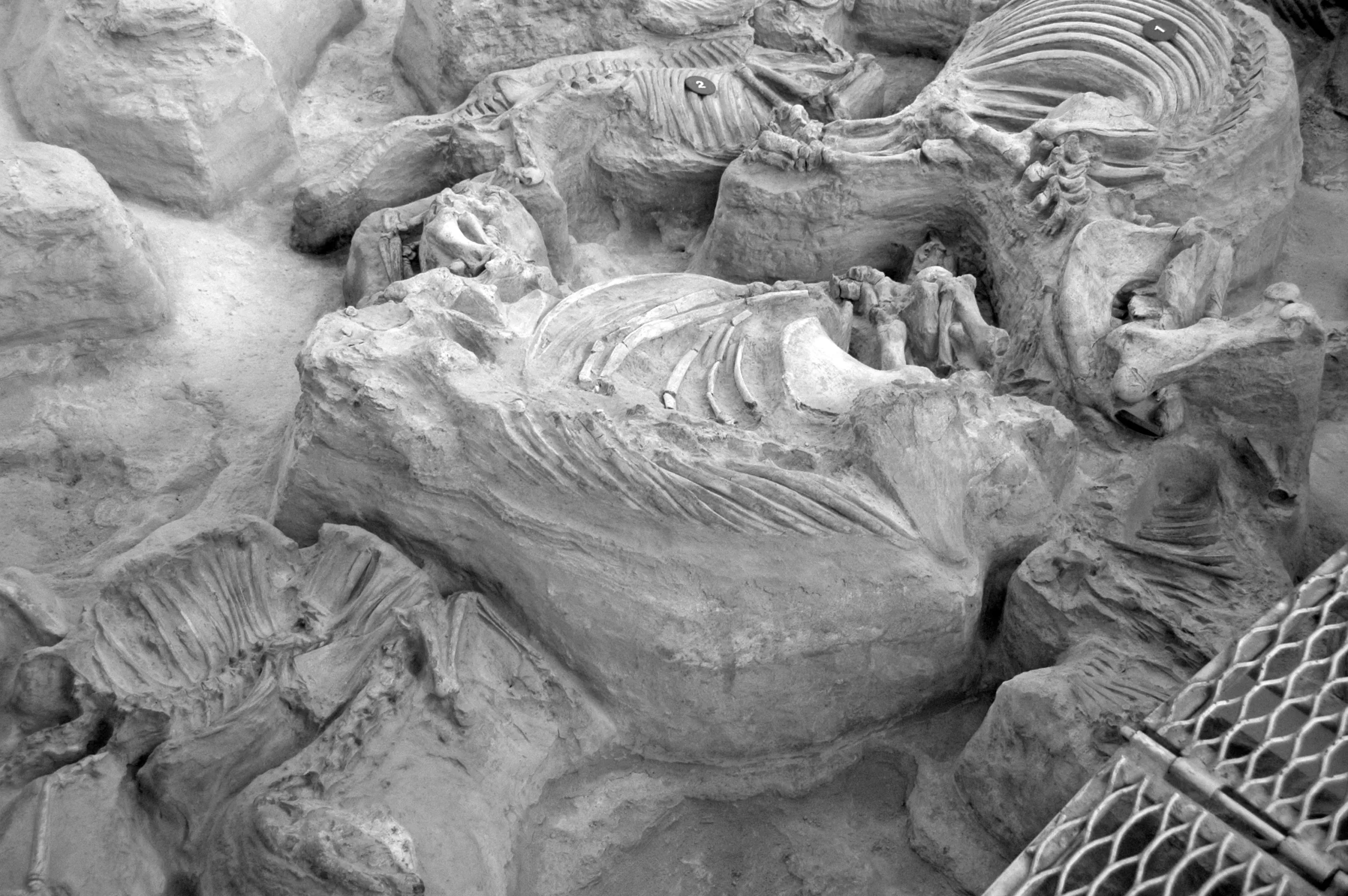
Volcanic ash can rapidly cover vegetation, animals or sediments. As ash deposits consolidate into tuff or become reworked into volcaniclastic strata, some biological traces and remains are preserved. Volcanic minerals in the same succession can provide age constraints through radiometric dating.
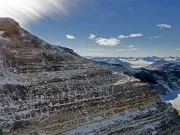
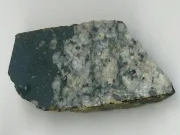
Identification: Look for fine-grained ash material associated with recognizable bones, leaf impressions or other organic structures. Nebraska’s Ashfall Fossil Beds provide an important example of animals buried in volcanic ash during the Miocene. Tuff is not an ordinary sedimentary rock when it forms directly by volcanic deposition, but it is included here because these deposits can preserve fossils. Crystalline lava is much less favorable for preserving organisms.
How to Recognize Genuine Fossils
First identify the host rock using its grain size, texture and mineral composition. Then examine the suspected fossil. Consistent symmetry, anatomical repetition, segmentation, growth structures and recognizable trace geometry can help distinguish biological features from inorganic mineral patterns. Compare several areas rather than judging a single shape. A hand lens or microscopic examination can reveal skeletal and cell structures that are invisible in a general photograph.
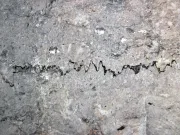
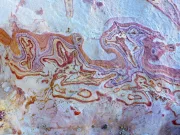
Do not mistake dendrites, mineral veins, concretions or Liesegang bands for fossils solely because they resemble an organism. Fossil-bearing rocks also vary considerably from one outcrop to another, and a particular fossil does not automatically prove the rock’s age if it has been reworked.
Frequently Asked Questions
Which rocks are most likely to contain fossils?
Limestone, shale, mudstone and sandstone are productive host rocks depending on where they were deposited. Fine sediments often preserve delicate impressions, whereas carbonate rocks commonly preserve shells.
Can igneous rocks contain fossils?
Unusual ash deposits and volcaniclastic beds can preserve buried remains, whereas molten lava generally destroys them.
Scientific Sources
- USGS — Fossils, Rocks, and Time
- National Park Service — Fossils and Paleontology
- British Geological Survey — Echinoids and the Chalk Group
Related: Fossils and Conglomerate.
Featured image: James St. John, Wikimedia Commons, CC BY 2.0; resized or converted to WebP.