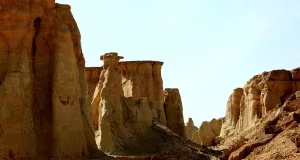

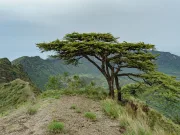
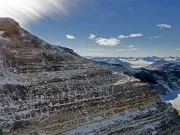
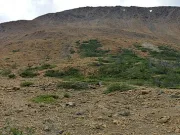
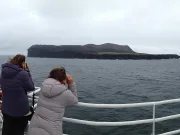




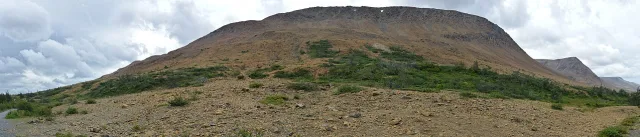
The Tablelands of Gros Morne National Park in Newfoundland, Canada, resemble a barren, rust-colored plateau. What makes them extraordinary is not simply their appearance: the rocks are largely derived from the upper mantle, the layer beneath Earth’s crust. At Gros Morne, geological forces brought a fragment of ancient oceanic lithosphere onto a continent, allowing visitors to see material usually buried kilometers below the surface.
Where Are the Tablelands?
Gros Morne National Park occupies part of western Newfoundland on Canada’s Atlantic coast. The park preserves an exceptional record of plate tectonics, including ancient oceanic crust, mantle rocks and continental sedimentary units associated with the Appalachian mountain-building history.
What Is Peridotite?
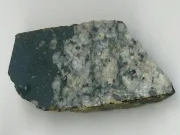
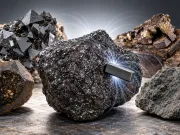
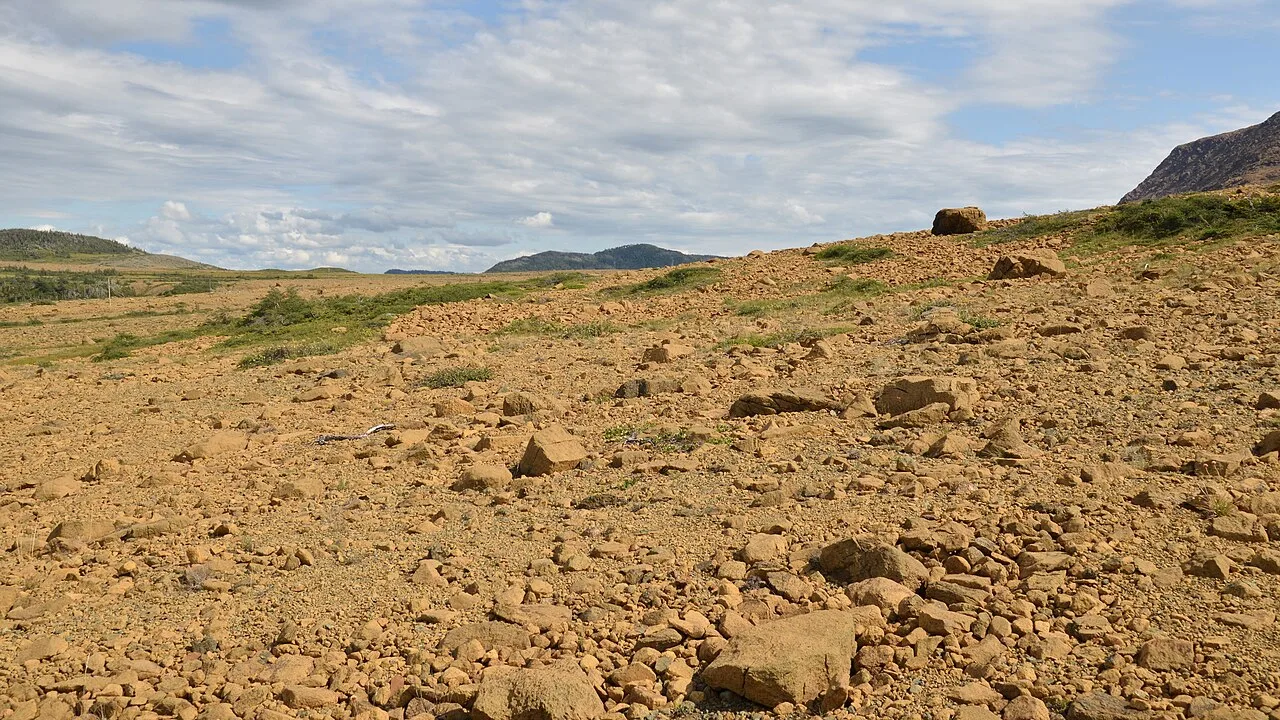
Peridotite is a dense, ultramafic igneous rock made chiefly of olivine and pyroxene. It is a major rock type in Earth’s upper mantle. Fresh peridotite can appear dark green or black, but at the Tablelands weathering and alteration give exposed surfaces distinctive brown, orange and rusty colors. Those colors do not mean the rocks are ordinary red sandstone.
How Did Mantle Rocks Reach the Surface?
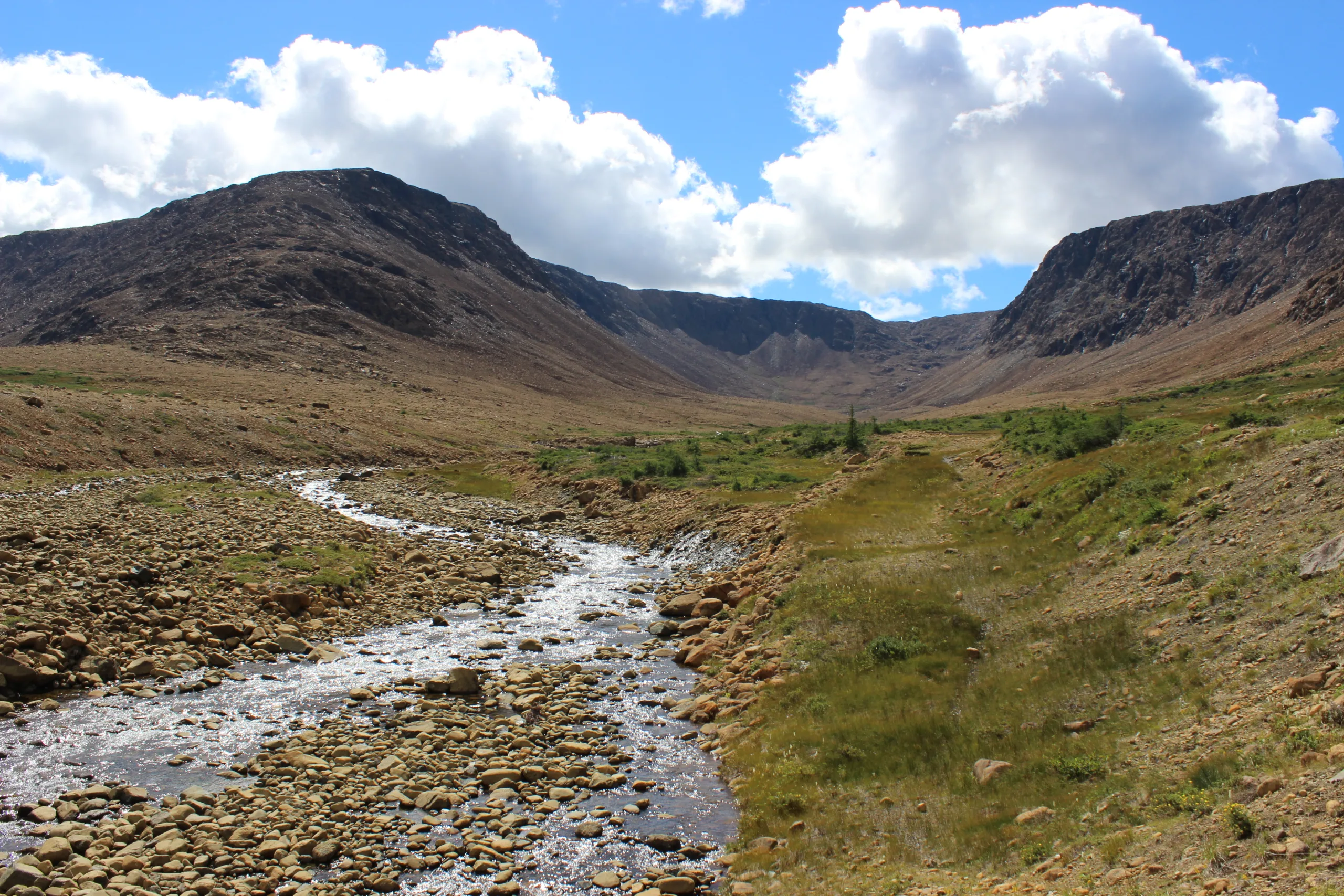
In most places, continental crust prevents us from observing the mantle directly. During ancient ocean closure and collision, sheets of oceanic lithosphere can be thrust over continental margins. This process, called obduction, can preserve an ophiolite: a slice of the former oceanic crust and upper mantle. Later uplift and erosion expose these units at the surface. The Tablelands are part of this tectonic story.
Serpentinization and Chemical Weathering
When peridotite interacts with water, some of its olivine and pyroxene can transform into serpentine-group minerals. This process changes rock properties and can release chemical energy useful in particular subsurface environments. At the surface, iron-bearing minerals also oxidize and help create the rust-colored appearance. The unusual chemistry of ultramafic soils can limit plant growth, contributing to the sparse vegetation.
Why the Tablelands Are Important
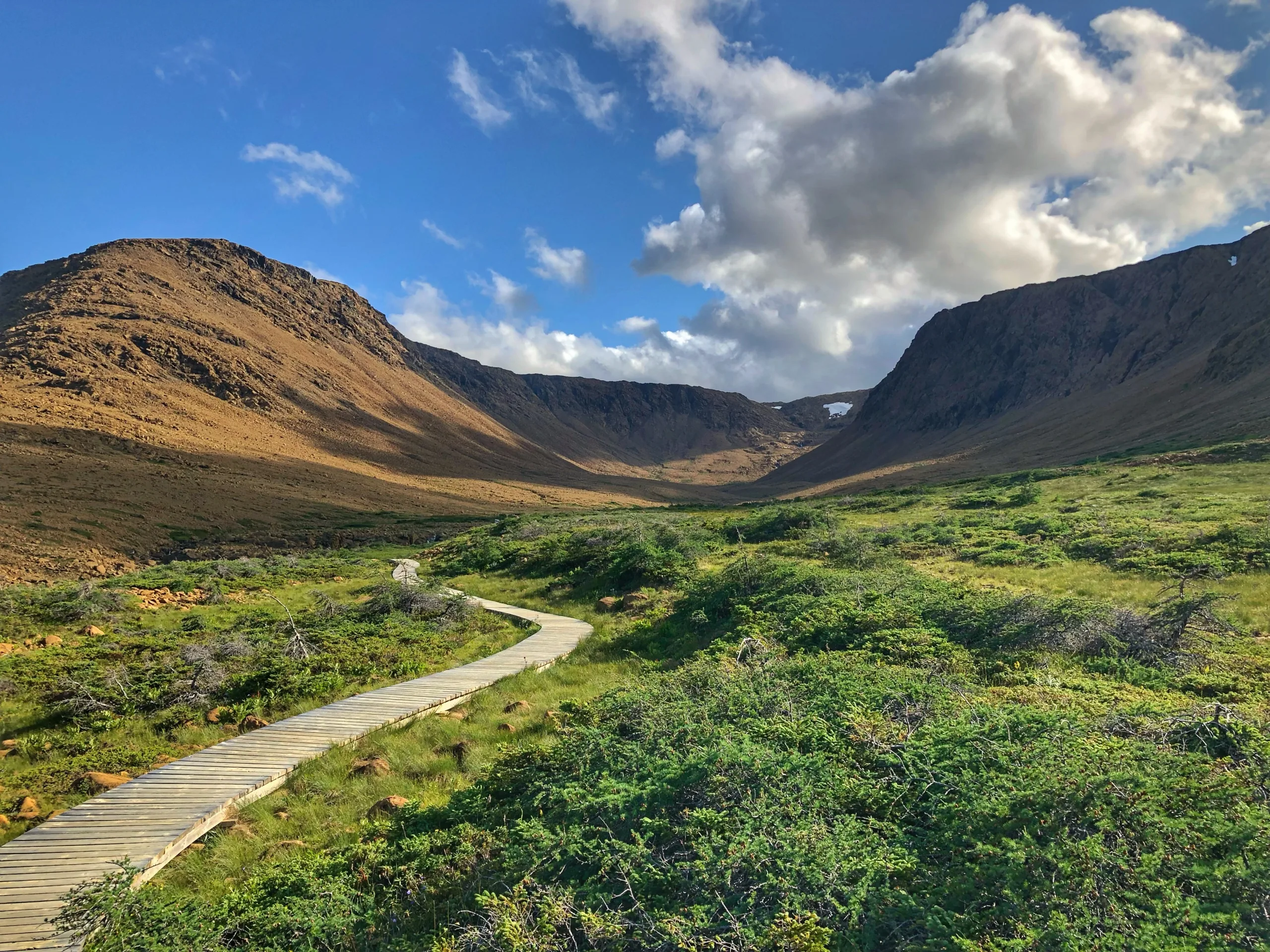
The Tablelands show why plate tectonics is more than a diagram. Structural relationships between sedimentary rocks, oceanic material and ultramafic rocks allow geologists to reconstruct the closing of ancient ocean basins and the building of the Appalachians. Gros Morne was designated a UNESCO World Heritage Site for its exceptional geology and landscapes.
What to Look for in the Field
Look for massive, jointed orange-brown outcrops, contrasting greener fresh surfaces, sparse vegetation and the structural boundaries separating the ultramafic landscape from nearby sedimentary terrains. Do not infer mantle origin from color alone; mineral assemblages, chemistry and geological context matter. Compare with our igneous rocks guide.
What an Ophiolite Records
An ophiolite preserves fragments of ancient oceanic lithosphere—potentially including mantle peridotite, gabbro, dikes and volcanic layers—transported onto continental crust. Gros Morne is especially useful because these rock packages can be studied together to reconstruct ancient plate convergence.
Serpentinization and Orange Weathering
Water interacting with ultramafic minerals can produce serpentine-group minerals. Subsequent oxidation of iron-bearing material helps turn some exposed surfaces orange or brown. The unusual chemistry of the resulting soils also contributes to the Tablelands’ sparse vegetation.
Olivine and Pyroxene: Minerals of the Upper Mantle
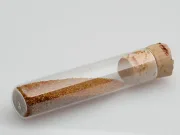
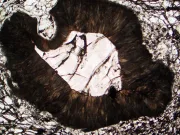
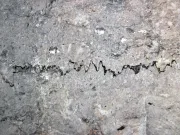
Peridotite commonly contains abundant olivine with orthopyroxene and sometimes clinopyroxene. These minerals crystallize under conditions quite different from most common continental surface rocks. Olivine can be green on a fresh fracture but may be obscured by weathering. Pyroxenes often occur as darker, blocky crystals. A hand specimen may show how the original mineral fabric has been modified by deformation and serpentinization, but chemical analysis is often necessary to describe an altered ultramafic rock precisely.
How Plate Collision Lifted the Mantle Slice
The modern Tablelands outcrop is a remnant of a much larger ancient oceanic system. Plate convergence and deformation transported pieces of oceanic lithosphere onto an old continental margin. Continued tectonic uplift and erosion later exposed rock that otherwise would have stayed buried. By mapping contacts and structures across Gros Morne, geologists can connect an observable rock to the broader story of Appalachian mountain building. That makes the site particularly valuable for teaching the theory of plate tectonics.
Frequently Asked Questions
What makes this geological site distinctive?
Gros Morne National Park occupies part of western Newfoundland on Canada’s Atlantic coast.
Is this a natural geological formation?
Yes. Its distinctive features are explained by known geological and environmental processes, supported by field observations and scientific research.
Scientific Sources
- UNESCO World Heritage Centre: Gros Morne National Park
- Parks Canada: Gros Morne geology and Tablelands
- USGS: plate tectonics and ophiolites