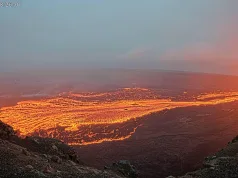















A submarine volcanic eruption near Pelorus Reef, southwest of Tonga’s main islands, produced extensive floating pumice and hundreds of acoustic signals associated with underwater explosions in mid-November 2026. The Smithsonian Institution and USGS documented the activity in their weekly report covering November 12–18, drawing on observations by Tonga Geological Services and the Laboratoire de Géophysique de Tahiti.
Satellite observations reveal the eruption
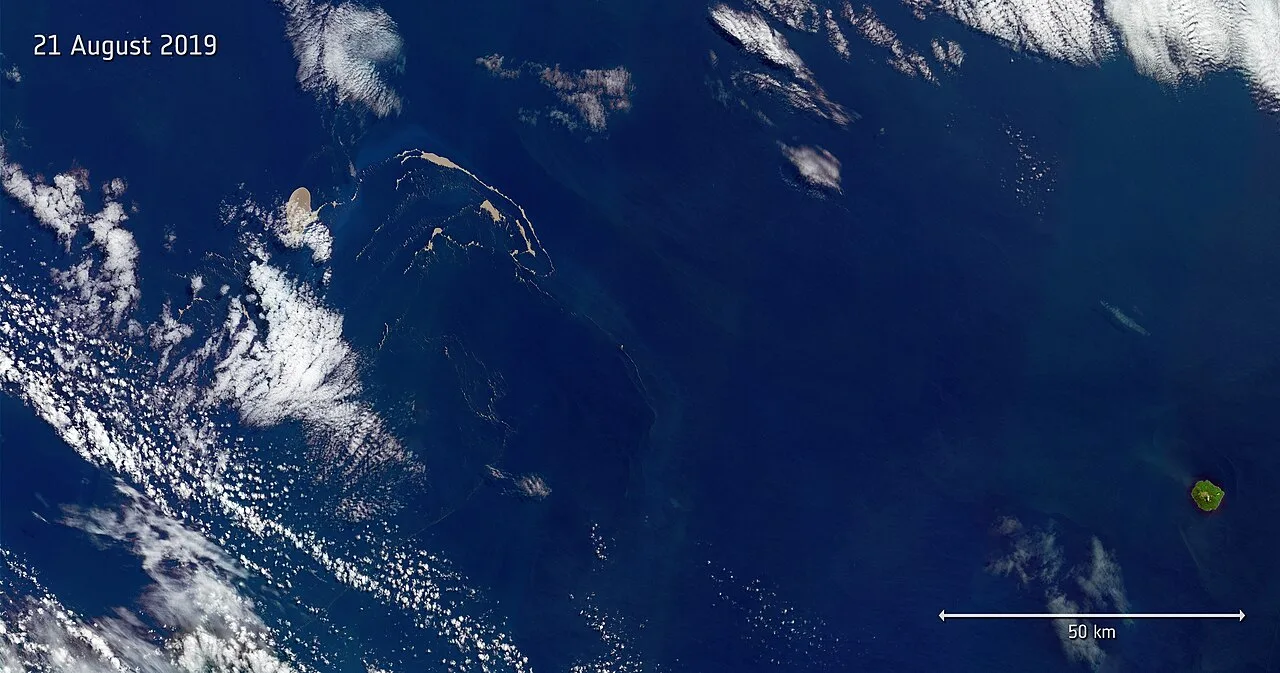
Thermal anomalies appeared on November 13 and 15, while satellite imagery on November 14 showed steam and two floating pumice accumulations approximately 13 and 21 kilometres long. Discoloured seawater covered an estimated 931 square kilometres that day. These measurements describe the surface expression of the event, not the area buried by volcanic deposits.
Hundreds of underwater explosions
A monitoring network in French Polynesia detected 300 explosive hydroacoustic signals between November 15 and 18. Sound can travel long distances through the ocean, making hydroacoustic monitoring valuable where direct observation of a submarine vent is difficult. The number of signals is not a direct measure of magma volume or eruption magnitude.
Why volcanic pumice floats
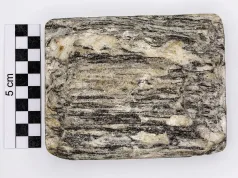
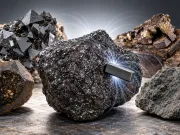
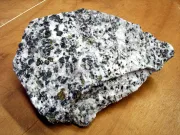
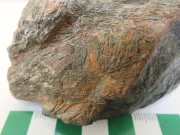
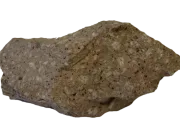
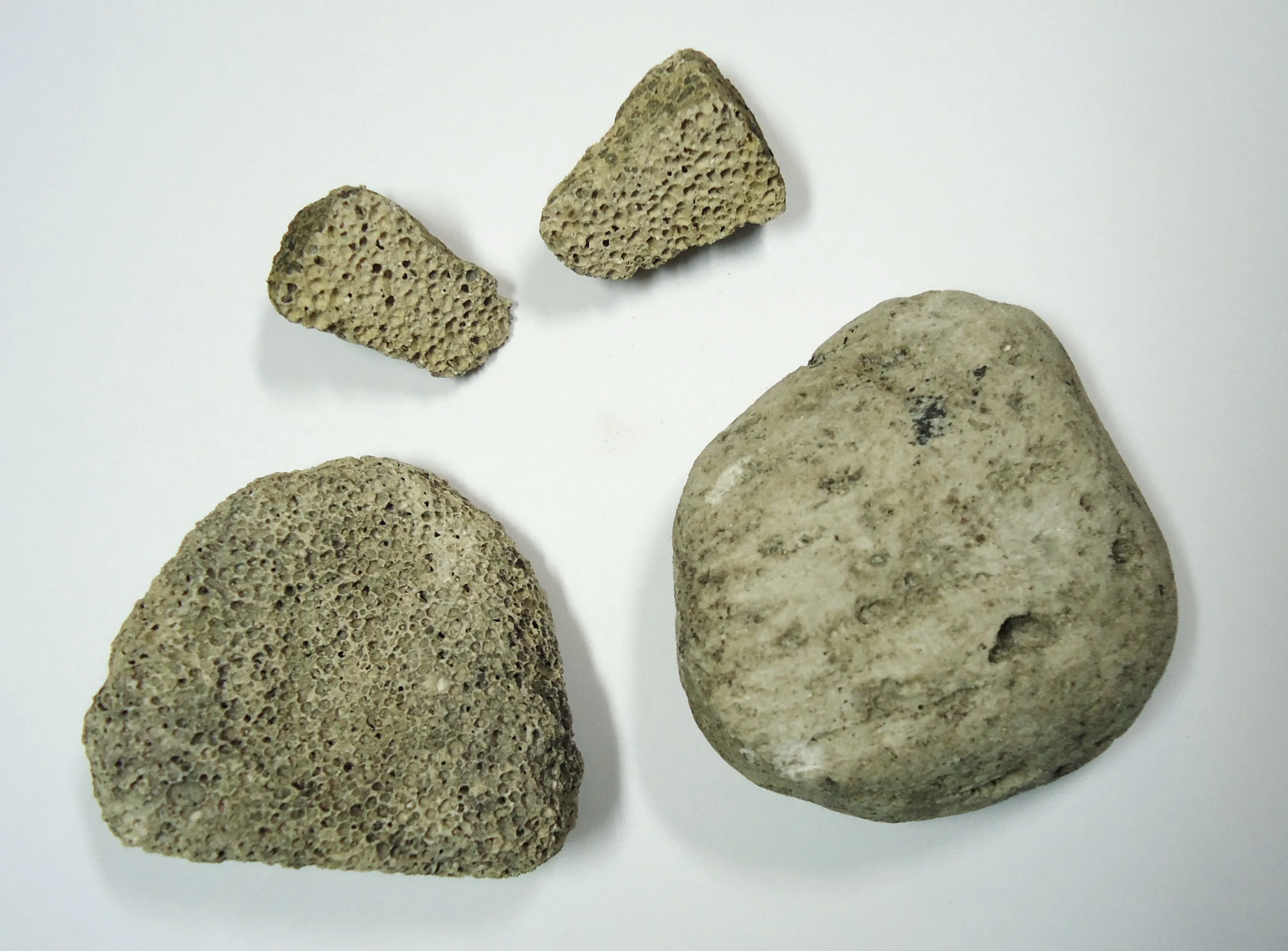
Pumice forms when gas bubbles expand inside magma and are preserved as cavities during rapid cooling. If the resulting material contains enough gas-filled voids, its bulk density can initially be lower than that of seawater. Waves and currents gather floating fragments into rafts, which may disperse as the material breaks up or becomes waterlogged. Read more about rocks that float on water.
A submerged volcano on the Tonga arc
Pelorus Reef is a submerged volcanic complex with a caldera and shallow post-caldera cones. It belongs to the Tofua volcanic arc, where melting associated with Pacific Plate subduction supplies magma to the overriding plate. Prior to the November activity, the compiled record contained no known Holocene eruption at Pelorus Reef; this is a gap in the documented record, not proof that the volcano had been entirely inactive.
What remains uncertain
The precise vent geometry, erupted volume and duration remain uncertain. Floating pumice can affect navigation, but satellite observations alone cannot establish the likelihood of future explosions or tsunami generation. Further observations from regional monitoring agencies will be needed to determine how the eruption evolves.
Sources
Smithsonian–USGS Weekly Volcanic Activity Report, November 12–18, 2026 · Global Volcanism Program: Pelorus Reef