














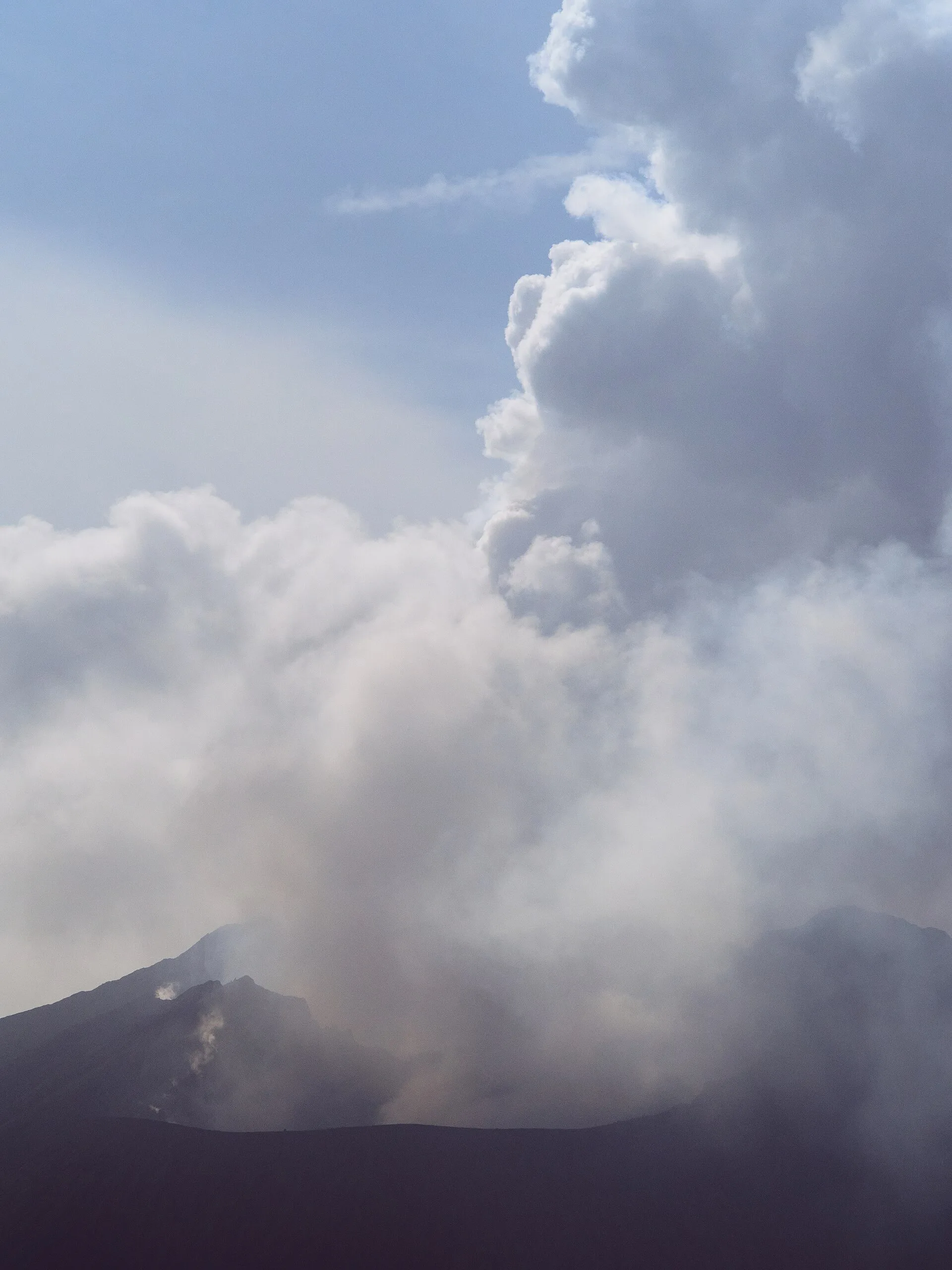
November 23, 2026. Japan’s Sakurajima volcano produced new eruptions around the turn of November 22–23, prompting the Japan Meteorological Agency’s Tokyo Volcanic Ash Advisory Center (VAAC) to issue aviation advisories. The bulletins document ash in the atmosphere above the active Aira Caldera volcanic system in Kagoshima Prefecture, on the island of Kyushu.
Several Eruptions Reported Within Hours
A Tokyo VAAC advisory issued at 00:07 UTC on November 23 recorded an eruption at 23:55 UTC on November 22 (08:55 Japan Standard Time on November 23). It reported volcanic ash at flight level FL080, equivalent to approximately 8,000 feet, or 2.44 kilometres, above sea level, extending southeast.
Another advisory documented an eruption at 00:54 UTC on November 23, also with ash to FL080. A subsequent advisory reported an event at 04:40 UTC, with ash near FL060, approximately 1.83 kilometres above sea level. These are time-stamped aviation observations, not a final count of all explosions during the day.
Flight levels should not be confused with plume heights above the summit: Sakurajima rises more than one kilometre above sea level, so the height of a cloud above its crater is smaller than the altitude reported as an aviation flight level.
What Is Sakurajima and Why Does It Erupt Frequently?
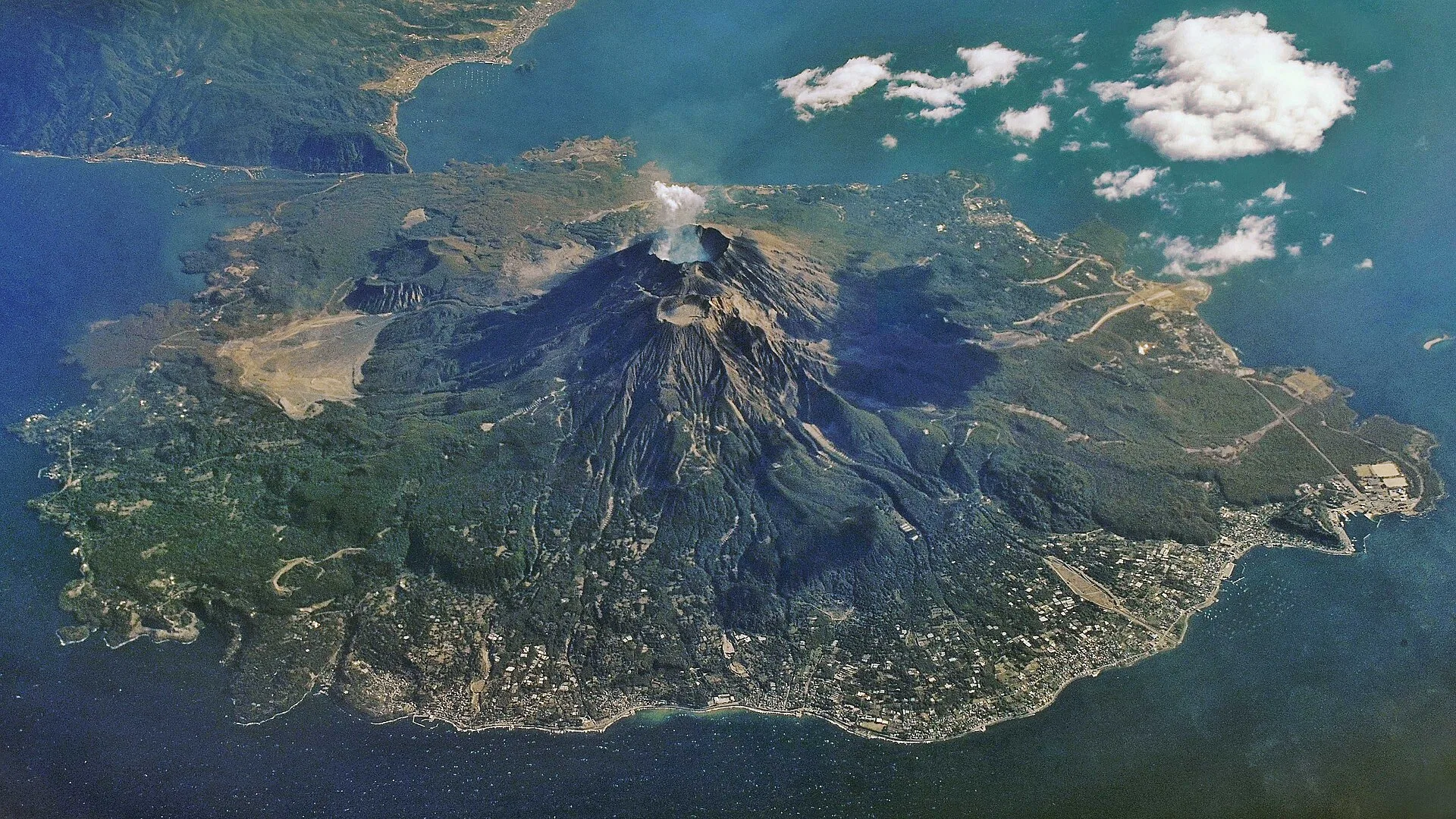
Sakurajima is an active stratovolcano situated within the larger Aira Caldera volcanic system. It is closely monitored because of its activity and proximity to densely populated Kagoshima. Magma in the region is ultimately related to plate convergence and subduction along the Ryukyu arc.
Viscous, gas-bearing magma can become pressurised beneath a vent. If gas escapes suddenly, expanding bubbles fragment magma and surrounding rock, creating ash, lapilli and volcanic blocks. A relatively small explosion may still produce a drifting ash cloud that matters to aviation and people living downwind.
How Volcanic Ash Affects Aviation
Fresh volcanic ash contains sharp fragments of glass, crystals and rock. Aircraft encountering dense ash can suffer abrasion of external components and damage to engines. For that reason, VAACs combine volcano reports, weather-satellite observations and wind forecasts to estimate where an ash cloud may travel.
The Tokyo advisories reference Himawari-9 satellite information and report different cloud altitudes and movement directions for separate emissions. Atmospheric conditions vary, so each bulletin has its own validity period. An advisory does not by itself establish the amount of ash deposited on the ground, the size of a lava flow or the level of damage.
Ashfall and Other Hazards Near Kagoshima
Even modest ashfall can reduce visibility, affect roads, irritate eyes and respiratory systems, and interfere with machinery and water collection. Sakurajima is also capable of ejecting hot material and generating debris flows during heavy rain when loose volcanic sediment is available.
Hazard zones, local evacuation information and road conditions are managed by the appropriate Japanese authorities. No specific new evacuation order or injury toll is established by the VAAC bulletins cited in this report; these details should not be inferred from ash-cloud altitude alone.
Monitoring an Active Volcanic System
Sakurajima’s recurring explosions demonstrate why volcano monitoring combines visual observations, infrasound, seismic measurements, ground deformation and volcanic-gas data. Scientists examine both immediate eruption signals and longer-term changes in the magma reservoir beneath Aira Caldera. For background, our volcano anatomy guide explains vents, magma conduits and craters; our Decade Volcanoes article provides further context about volcano risk near communities.
Sources and Image Credits
Tokyo VAAC advisory 2026/351, November 23; Tokyo VAAC advisory 2026/352; Tokyo VAAC advisory 2026/353; Smithsonian Global Volcanism Program: Aira/Sakurajima.
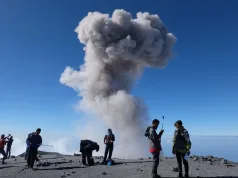
Featured photograph: Sakurajima releasing an ash plume on September 15, 2023, not the November 2026 episode. Lumoplank / Wikimedia Commons, CC0 1.0; resized for web display.