















Earth’s mantle normally lies beneath the crust, but tectonic uplift, extension and emplacement of oceanic lithosphere can bring mantle-derived rocks to the surface. These ten rare geological localities expose material from the upper lithospheric mantle, revealing its mineral composition, melt history and deformation.
How mantle rocks reach the surface
Upper mantle peridotite is rich in olivine and pyroxenes. Ophiolites are fragments of oceanic lithosphere exposed through tectonic processes. Other mantle bodies rise during continental extension or uplift along oceanic faults. Water may alter peridotite into serpentinite. Ultramafic composition alone is not proof of mantle origin because some ultramafic rocks crystallize within the crust. Geological context, mineralogy and geochemistry are essential.
1. Semail Ophiolite, Oman
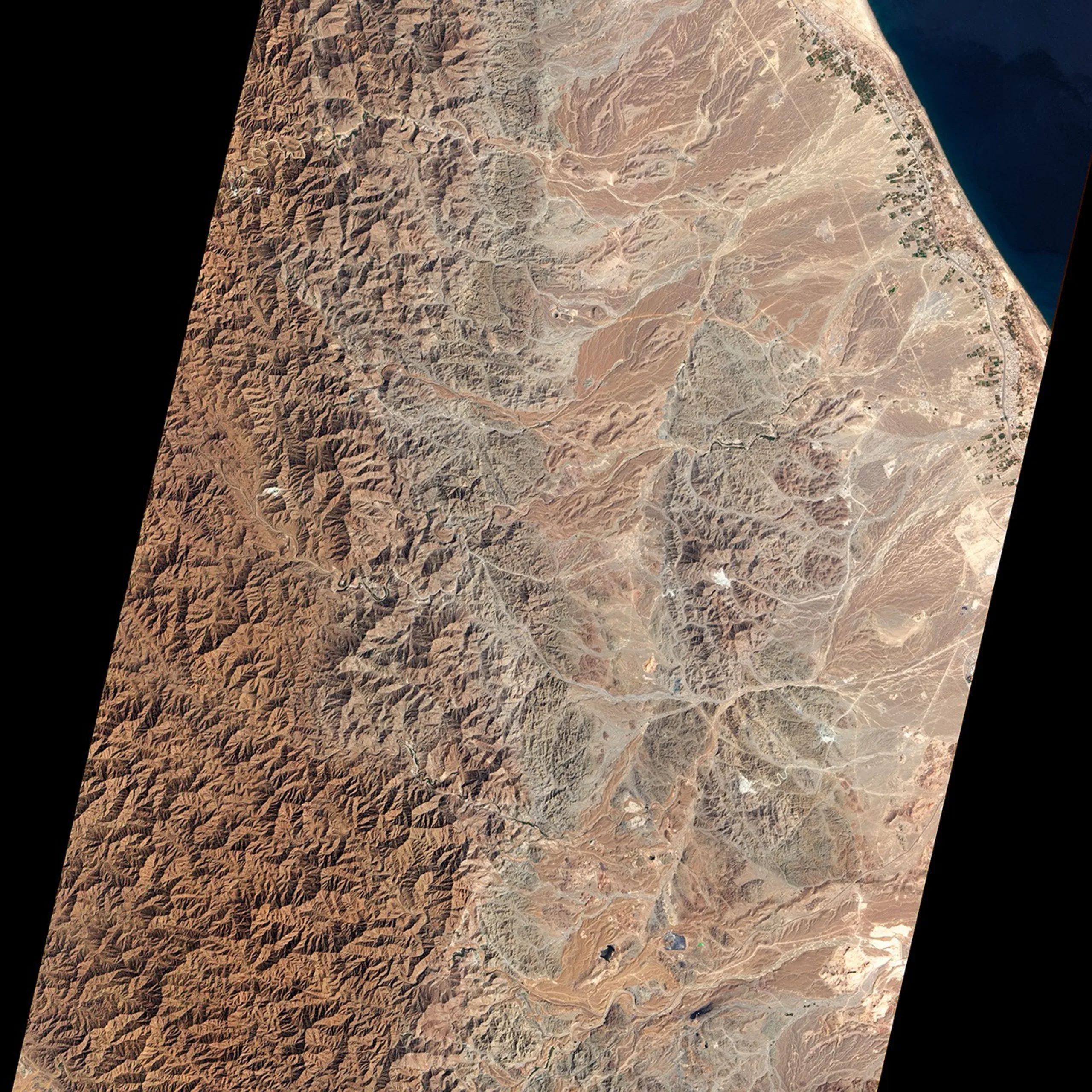
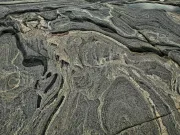
Northern Oman preserves an extensive section of oceanic lithosphere that formed during the Cretaceous and was subsequently emplaced onto the Arabian continental margin. Its lower section contains mantle harzburgite and dunite, while gabbro, sheeted dikes and volcanic rocks constitute the overlying crustal section. Partial melting removed basaltic components from fertile peridotite, leaving olivine- and orthopyroxene-rich residues. Dunite channels record interactions between migrating melts and mantle minerals. In the Wadi Fizz satellite photograph, mapped mantle rocks occupy the western part of the image. The entire exposure is not mantle: the value of the ophiolite lies in the association of crustal and mantle units and the possibility of examining their boundary in the field.
2. Tablelands, Gros Morne, Canada
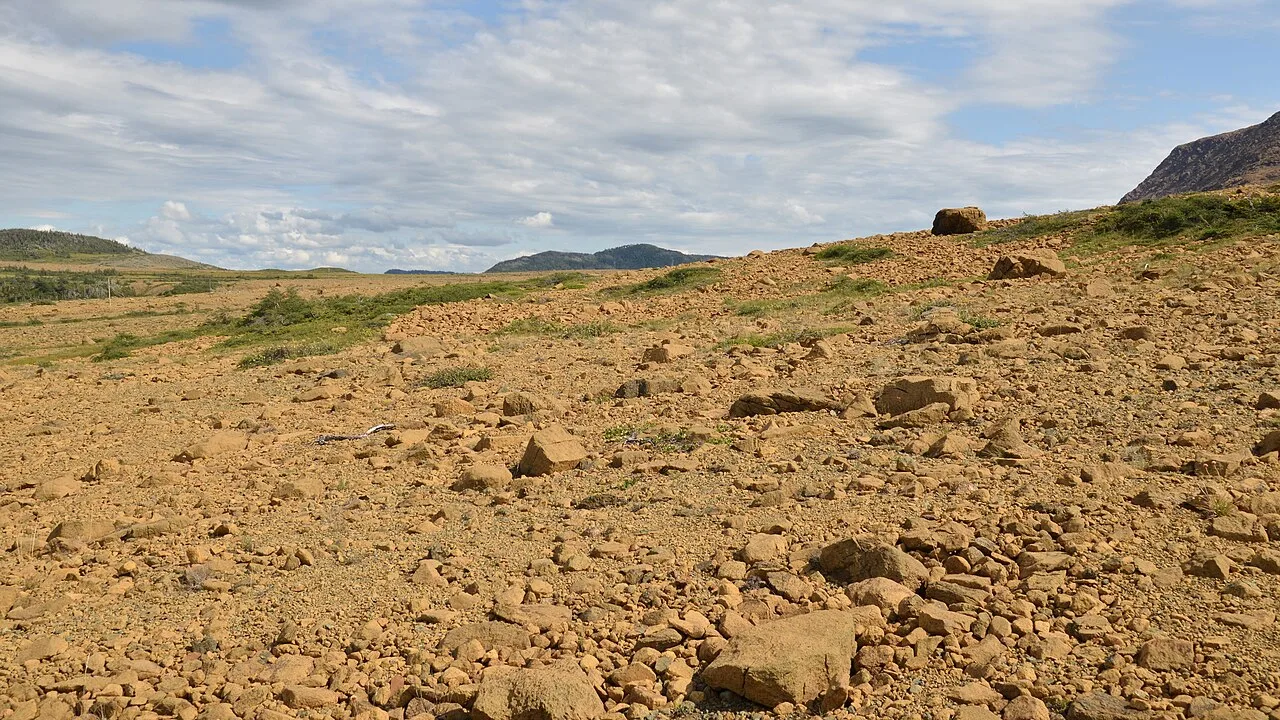
The orange-brown Tablelands in western Newfoundland expose peridotite transported during the closure of the Iapetus Ocean and assembly of the Appalachian mountain belt. Oxidation of iron-bearing minerals creates rusty weathering products; freshly exposed surfaces may be green or dark. The unusual soil chemistry also limits vegetation, emphasizing the boundary with adjacent terrain. Peridotite here represents ancient oceanic mantle that has undergone transport, deformation and fluid alteration. Mapping the contacts, examining textures and measuring mineral chemistry establish its origin, rather than relying on its distinctive color alone. The site is protected within Gros Morne National Park. Read our geological guide to the Tablelands.
3. Troodos Ophiolite, Cyprus
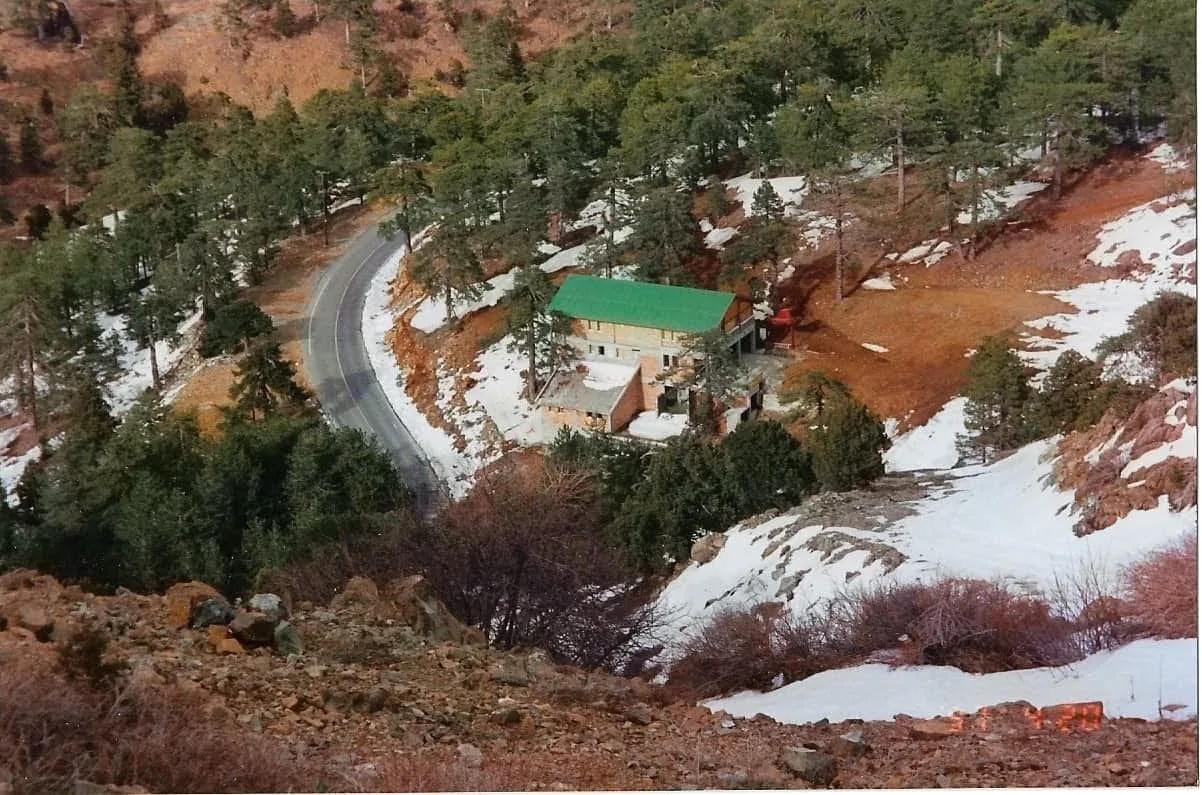
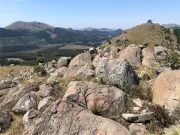
The Troodos Mountains preserve a roughly 90-million-year-old fragment of oceanic lithosphere. The central highlands near Mount Olympus include mantle-derived ultramafic rocks, many of which have been converted to serpentinite. Serpentinization occurs when water reacts with olivine and pyroxene, modifying the density, volume and mechanical properties of the original rock. These reactions helped influence the uplift and present topography of the ophiolite. Troodos has been essential to understanding how oceanic lithosphere forms and evolves in a subduction-related environment. Its complete geological interpretation requires distinguishing volcanic rocks, sheeted dikes, gabbros and ultramafic units. The regional photograph illustrates the mountain setting; a geological map is needed to locate individual mantle outcrops precisely.
4. Ronda Peridotite Massif, Spain
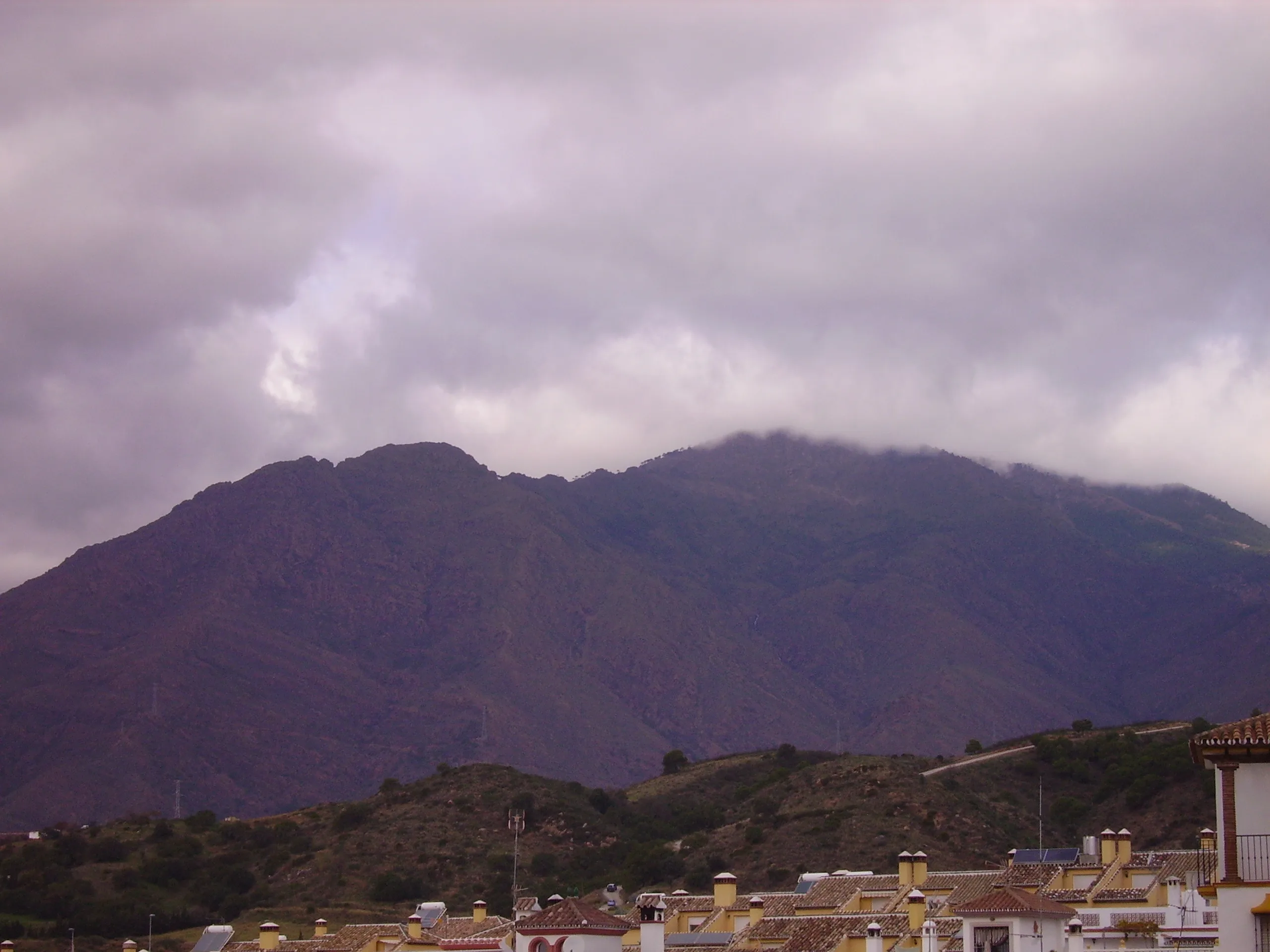
Sierra Bermeja forms part of the Ronda peridotite massif in the mountains of southern Spain. Unlike many ophiolites on this list, Ronda exposes a large body of subcontinental lithospheric mantle. Its peridotites retain evidence of high-temperature deformation, melt extraction and interaction with migrating melts. Contacts with adjacent crustal rocks help constrain the thermal conditions under which the massif was emplaced. Extensional and compressional tectonics associated with the evolution of the western Mediterranean brought deep rocks toward the surface. Weathered ultramafic rocks produce distinctive reddish landscapes. However, neither their color nor their elevation establishes a mantle origin in isolation. Structural relationships and petrological measurements allow geologists to reconstruct the history of this exhumed body.
5. Leka Ophiolite, Norway
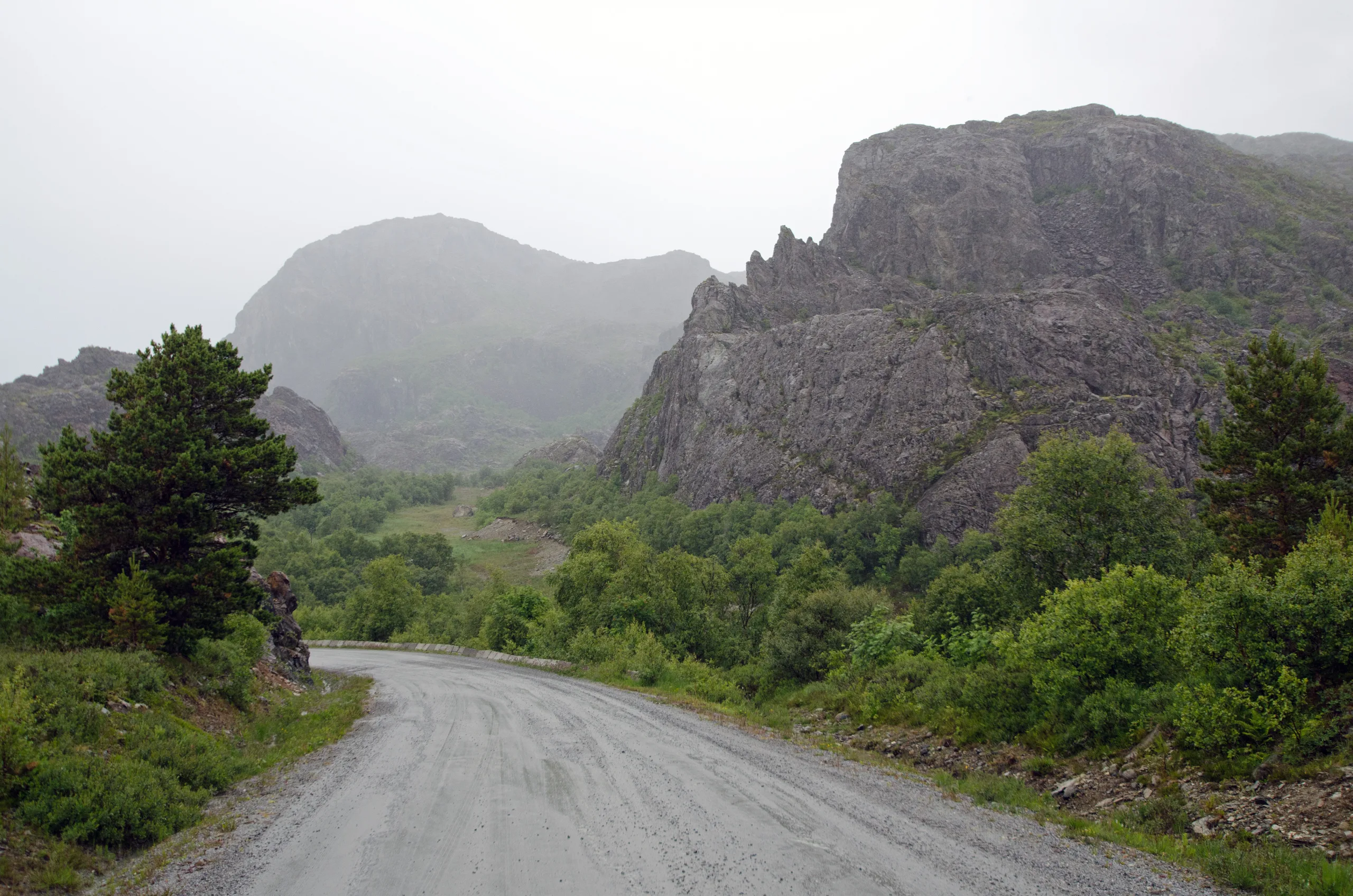
Leka Island exposes a Cambrian ophiolite approximately 497 million years old. Mantle peridotites and dunite occur alongside rocks belonging to the former oceanic crust. The assemblage was incorporated into the Scandinavian Caledonides during ancient plate convergence. Dunite bodies within mantle peridotite can preserve the geometry of melt transport pathways, recording chemical reactions between molten material and solid rock. The island offers access to a geological section through part of an ocean that disappeared hundreds of millions of years ago. Erosion and later weathering have created the modern rocky coastal landscape, but the scientific evidence comes from identifying mineral assemblages and mapped contacts. The regional photograph is a landscape view, not a mineralogical identification of every visible surface.
6. Lizard Complex, Cornwall, United Kingdom
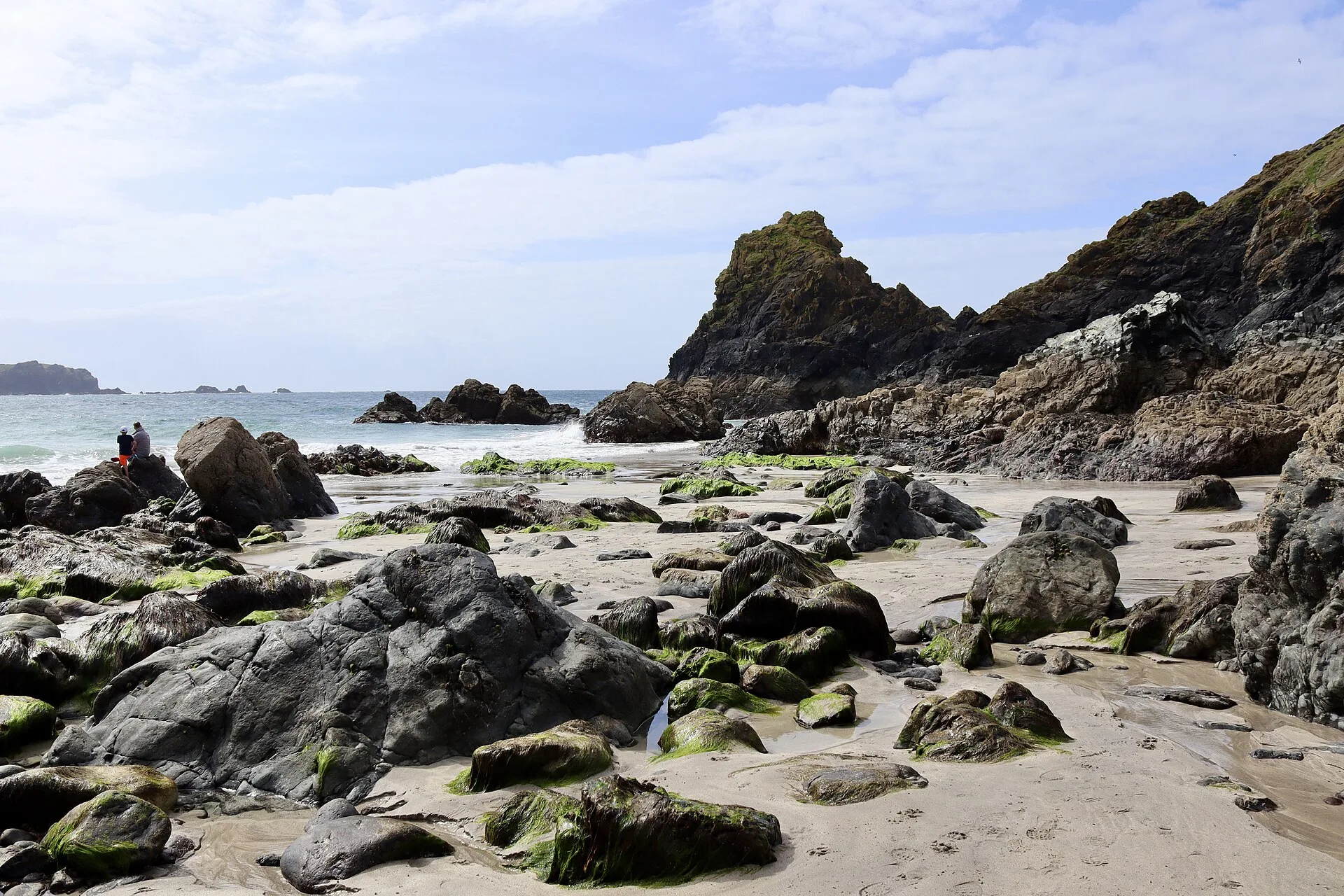
The Lizard Peninsula preserves fragments of oceanic lithosphere tectonically incorporated into the continental margin during Paleozoic mountain building. Its mantle peridotites have frequently undergone intense serpentinization. Coastal erosion reveals contrasting textures, mineral veins and altered ultramafic rocks around Kynance Cove. Serpentine-rich rock may be green, red-brown or dark gray, depending on its mineral content and weathering. Gabbro and other crustal units within the complex should not be mistaken for mantle merely because they belong to an ophiolite. This locality is particularly valuable for understanding fluid-rock interaction and the structural juxtaposition of deep-origin rocks with continental material. The coastal setting also demonstrates how wave action can continually refresh geological exposures.
7. Dun Mountain, New Zealand
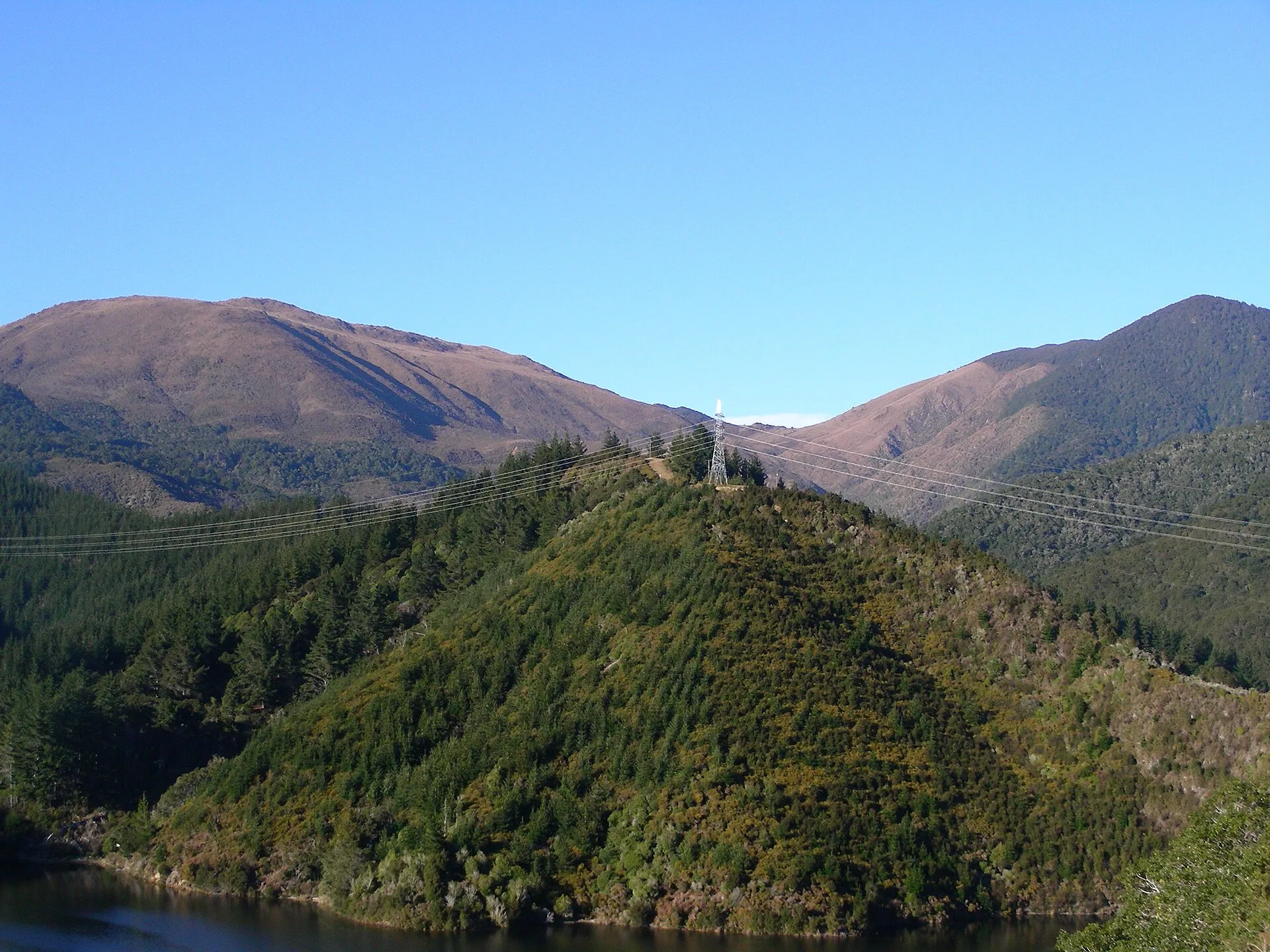
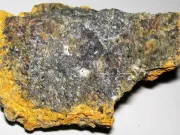
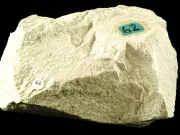
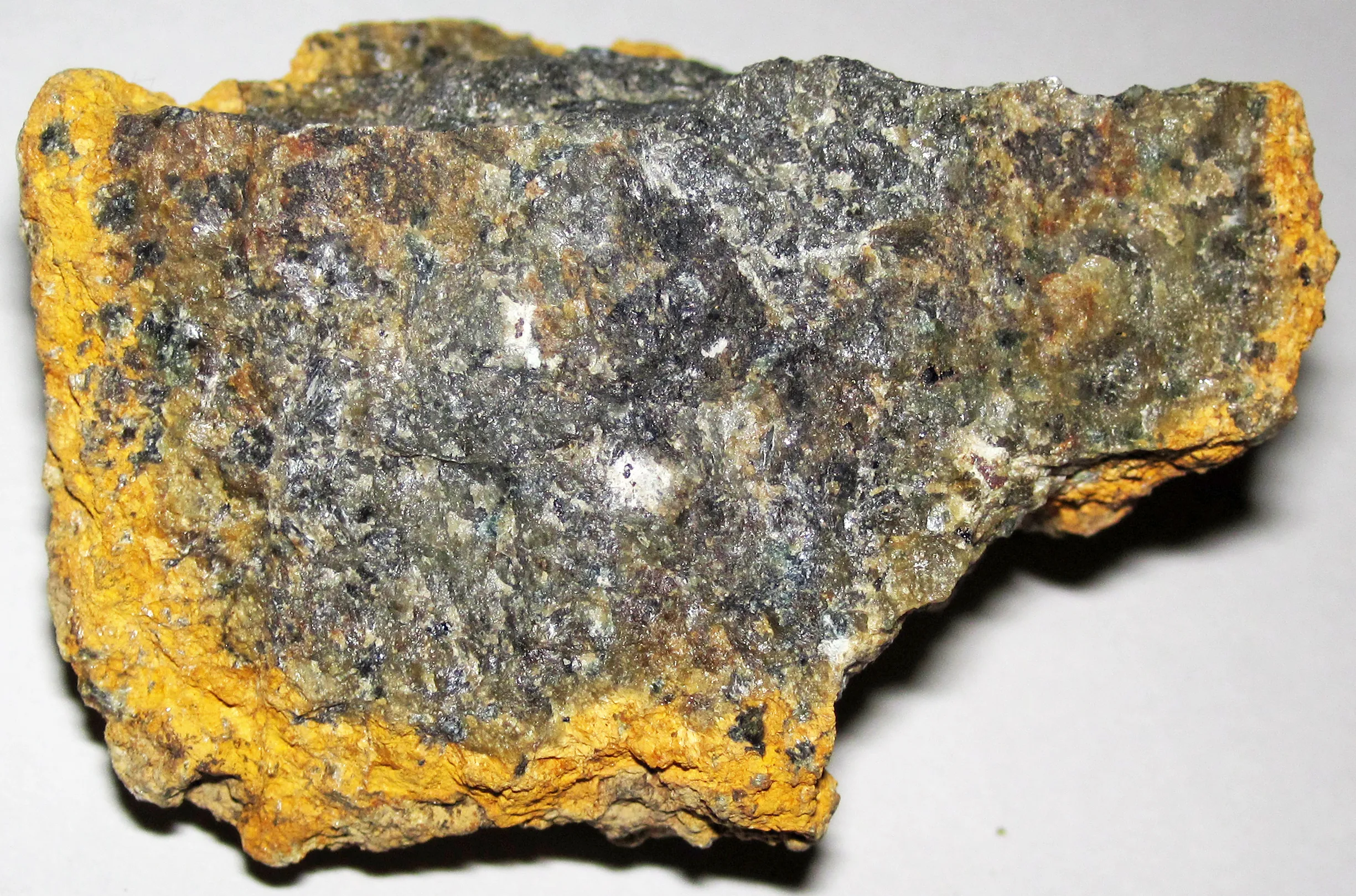
Near Nelson, Dun Mountain forms part of the Dun Mountain–Maitai ophiolite belt. The mountain gave its name to dunite, a rock dominated by olivine. The brown or yellow weathering rind of dunite contrasts with greener fresh interiors. The belt preserves fragments of ancient oceanic lithosphere, including ultramafic and crustal units, that were subsequently incorporated into New Zealand’s geological framework. Sparse vegetation on some magnesium-rich ultramafic ground helps make geological boundaries visible. Dunite itself can form in more than one setting, including as a magmatic accumulation, so mineral proportions alone do not prove mantle origin. Field observations, mineral compositions and structural associations distinguish residual or melt-modified mantle rocks from crustal ultramafic rocks.
8. Macquarie Island, Australia
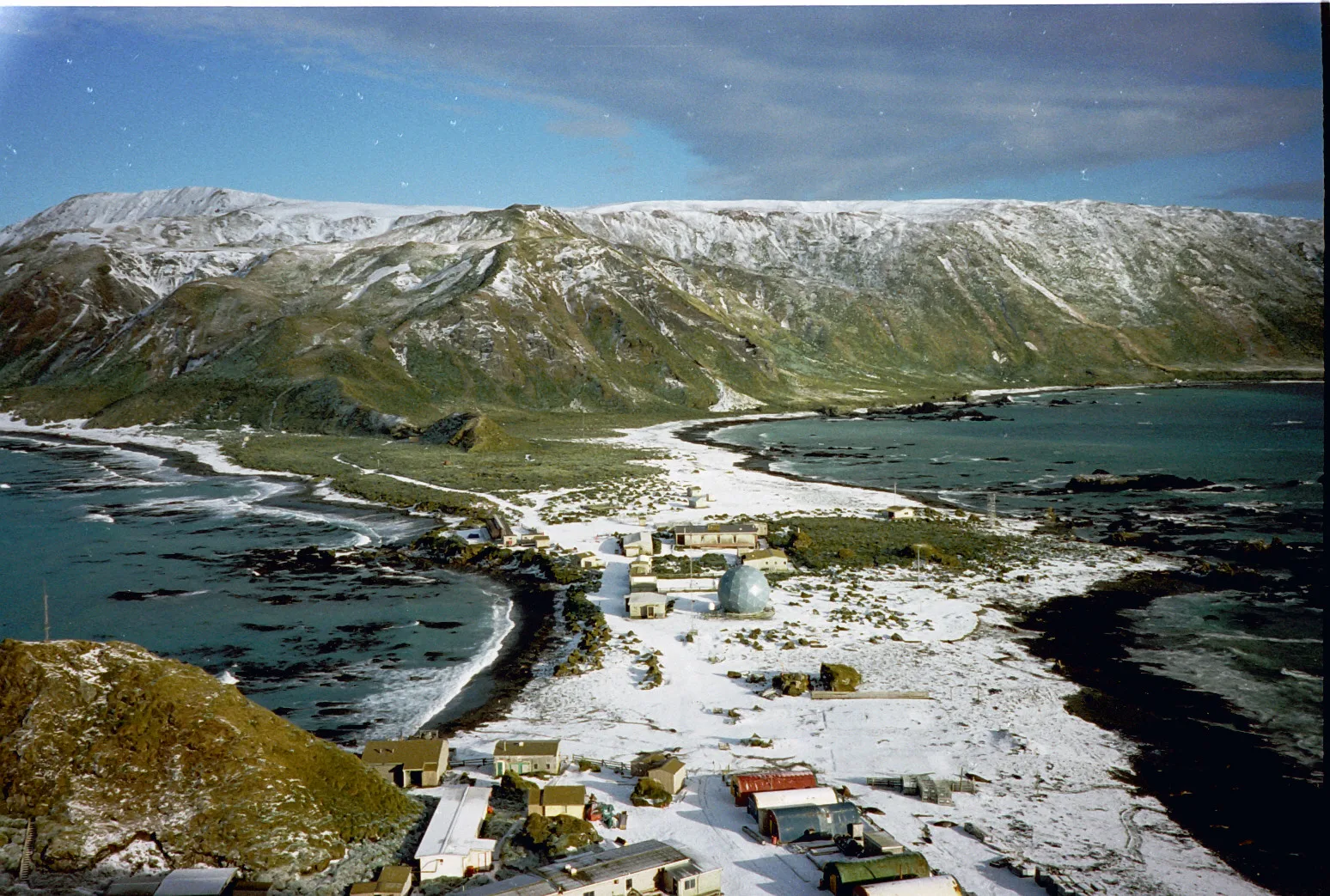
Macquarie Island rises above the Southern Ocean at the boundary between the Australian and Pacific plates. It represents a rare example of uplifted oceanic lithosphere in an oceanic setting, rather than a fragment emplaced onto a continental mountain belt. Rocks from the upper mantle and oceanic crust have been exposed by tectonic deformation and uplift. The island’s geological section includes peridotites, gabbros and volcanic rocks, each recording a different part of the former lithosphere. Subsequent erosion shaped the narrow island. The regional photograph illustrates the exceptional setting, not an exact mantle contact. UNESCO recognizes the site for its geological and ecological significance. Scientific access and collecting are regulated because of its protected and remote environment.
9. Étang de Lers, French Pyrenees
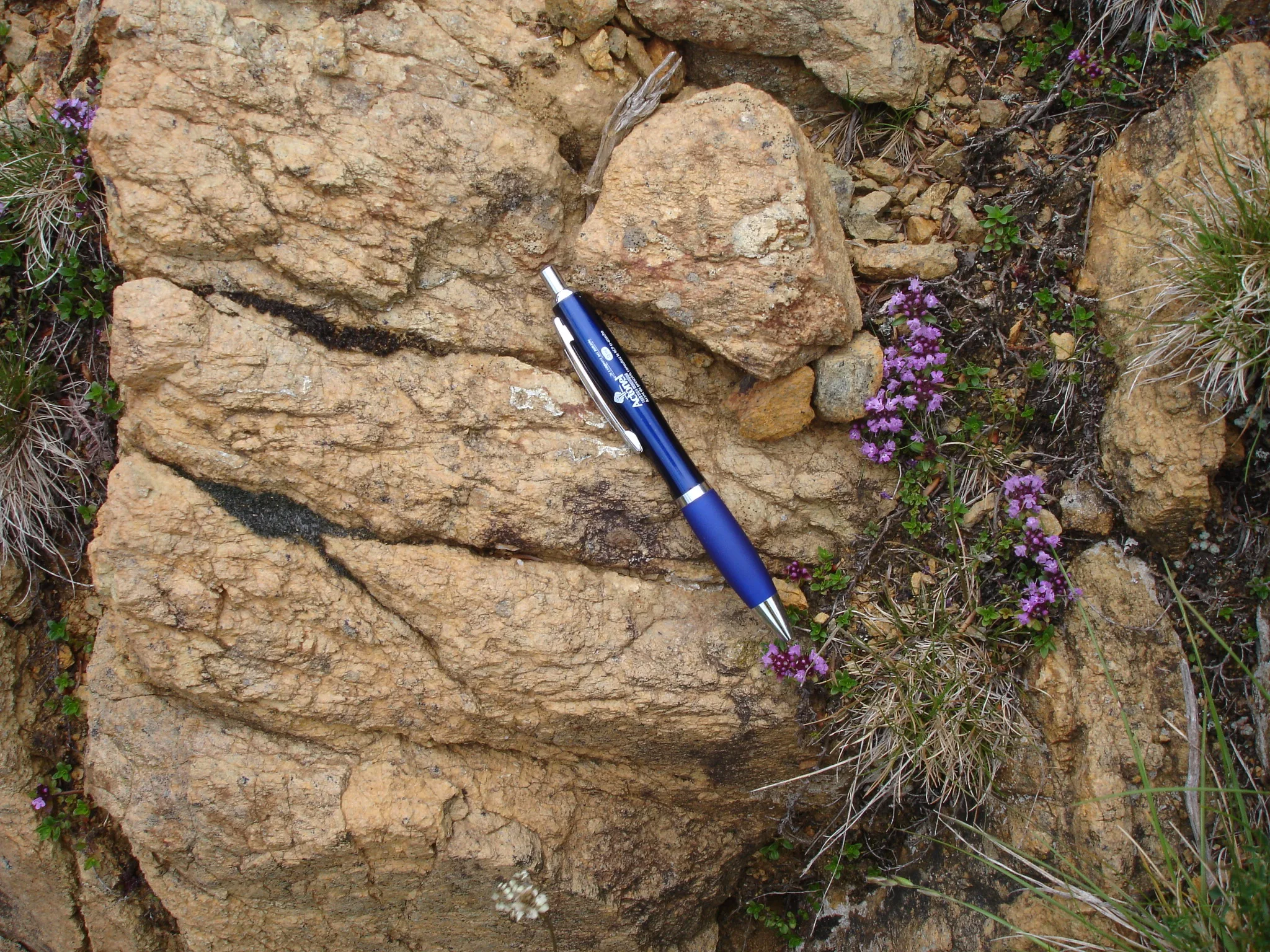
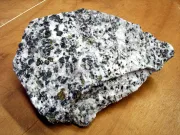
The classic locality of Étang de Lers gave its name to lherzolite, a peridotite containing olivine, orthopyroxene and clinopyroxene. The exposed mantle rocks of the Pyrenees preserve evidence of deep lithospheric material brought upward during continental extension and subsequent mountain building. Their contacts with neighboring rocks help constrain the processes of mantle exhumation and tectonic reworking. Lherzolite differs from harzburgite in its greater clinopyroxene content and from dunite in its lower proportion of olivine. The photographed rock at this locality provides a direct view of the mineralogical material under discussion. Alteration may obscure primary textures, making fresh surfaces and microscopic observations important for identifying the original mineral proportions and reconstructing the rock’s history.
10. Saint Peter and Saint Paul Rocks, Brazil
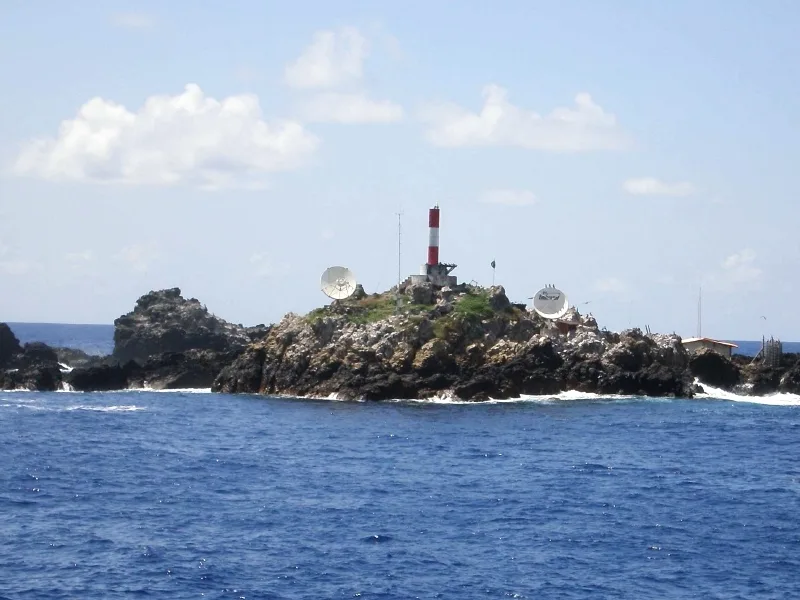
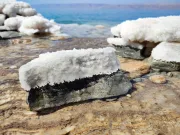
This small equatorial Atlantic archipelago exposes mantle-derived ultramafic rocks rather than the basaltic volcanic edifices typical of many oceanic islands. Deformation and uplift associated with the Saint Paul transform fault system have brought peridotite above sea level. The exposed rocks include strongly deformed material, with textures reflecting intense shearing and subsequent alteration. Their occurrence illustrates the importance of oceanic transform systems as pathways for mantle exhumation. The visible islands represent only the highest part of a much larger submarine geological structure. The exposed material is not an intact vertical section through the entire crust and mantle; it has been modified by faulting and uplift. Its geological context makes it a valuable comparison with continental ophiolite localities.
Comparing the geological settings
| Setting | Examples | Key evidence |
|---|---|---|
| Oceanic lithosphere emplaced on land | Oman, Gros Morne, Leka, Lizard, Dun Mountain | Mapped mantle–crust associations |
| Uplifted oceanic lithosphere | Troodos, Macquarie Island | Exposed rock sequences and tectonic contacts |
| Continental mantle exhumation | Ronda, Étang de Lers | Peridotites associated with continental tectonics |
| Oceanic transform uplift | Saint Peter and Saint Paul Rocks | Deformed, uplifted ultramafic rocks |
Why these exposures matter
Direct samples complement seismic observations of the inaccessible interior. Mineral chemistry constrains the conditions of melting, while microstructures preserve evidence of deformation. Reactions between water and ultramafic minerals can produce hydrogen and alter the carbon budget. These exposures are samples of Earth’s geological history rather than untouched pieces of an actively convecting deep mantle.
Frequently Asked Questions
Can you walk on Earth’s mantle? You can stand on rocks that formed within the mantle and were subsequently exposed, not on an intact layer of deep mantle.
Is serpentinite a mantle rock? Many serpentinites originate from mantle peridotite, but the protolith and geological context must be established.
Why are mantle exposures often reddish? Oxidation of iron-bearing minerals produces rusty coatings on weathered surfaces.
Scientific sources
- NASA Earth Observatory – Oman
- UNESCO – Gros Morne
- Troodos uplift and serpentinization
- Ronda peridotite tectonics
- IUGS – Leka Ophiolite
- Geological Society – Kynance Cove
- UNESCO – Macquarie Island
- Académie de Montpellier – Étang de Lers
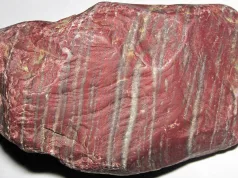
Featured photograph: Dunite specimen from Dun Mountain, New Zealand, showing olivine-rich interior and weathering rind. Image: James St. John, Source, CC BY 2.0. Resized or converted to WebP.