

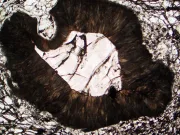
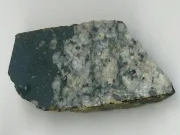
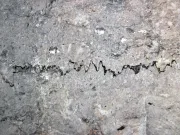
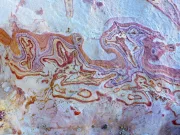




A plant-like branch in limestone or a rounded object in sandstone may look astonishingly biological, yet many such structures form without any living organism. Geologists call convincing inorganic look-alikes pseudofossils. Some are created by mineral precipitation, others by fractures, sedimentary structures or erosion. Their resemblance to plants, shells, bones and eggs can be strong, so interpretation requires more than visual similarity.
How These Structures Develop
Observe mineral composition, internal texture, surrounding rock and the environmental process that formed each feature. The outward shape is only one part of a reliable identification.
1. Manganese Dendrites
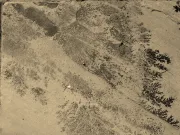
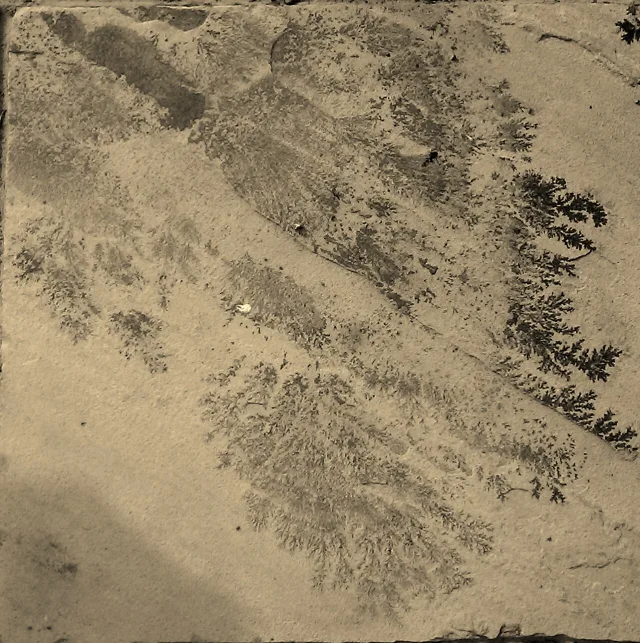
Dark branching patterns form when manganese oxides precipitate along cracks and bedding surfaces. They can resemble ferns or seaweed, but their branching is typically two-dimensional mineral growth rather than preserved plant tissue.
2. Iron-oxide Dendrites
Iron minerals can also form branching or fern-like surface patterns. Differences in mineral color and chemical composition distinguish these from typical black manganese dendrites, but neither appearance by itself proves biological origin.
3. Septarian Concretions
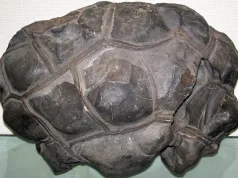
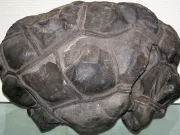
The angular network of mineral-filled cracks in a septarian nodule can resemble eggshell fragments or a fossilized shell interior. The cracks formed during geological changes to the sediment and were filled by later minerals.
4. Moqui Marbles
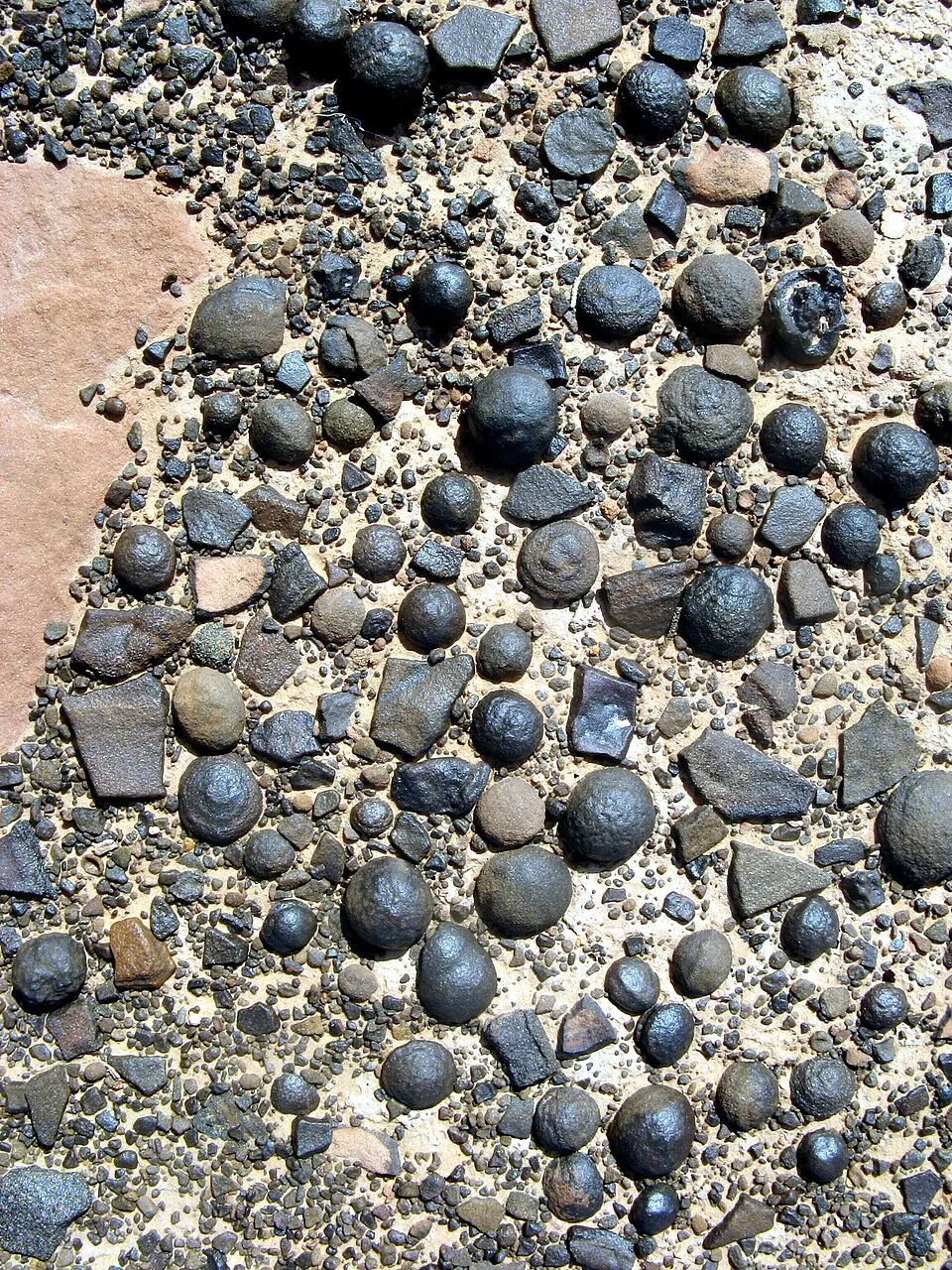
Round iron-cemented stones from sandstone may resemble fossil eggs or mysterious metal spheres. Their interiors commonly consist of sandstone with iron-oxide cement, which makes a sedimentary origin more plausible.
5. Liesegang Rings
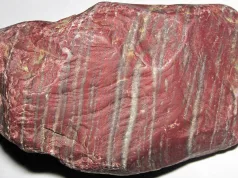
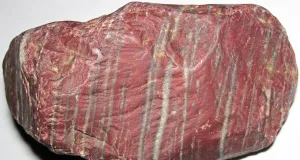
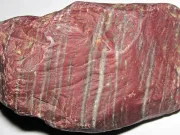
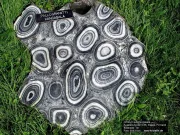
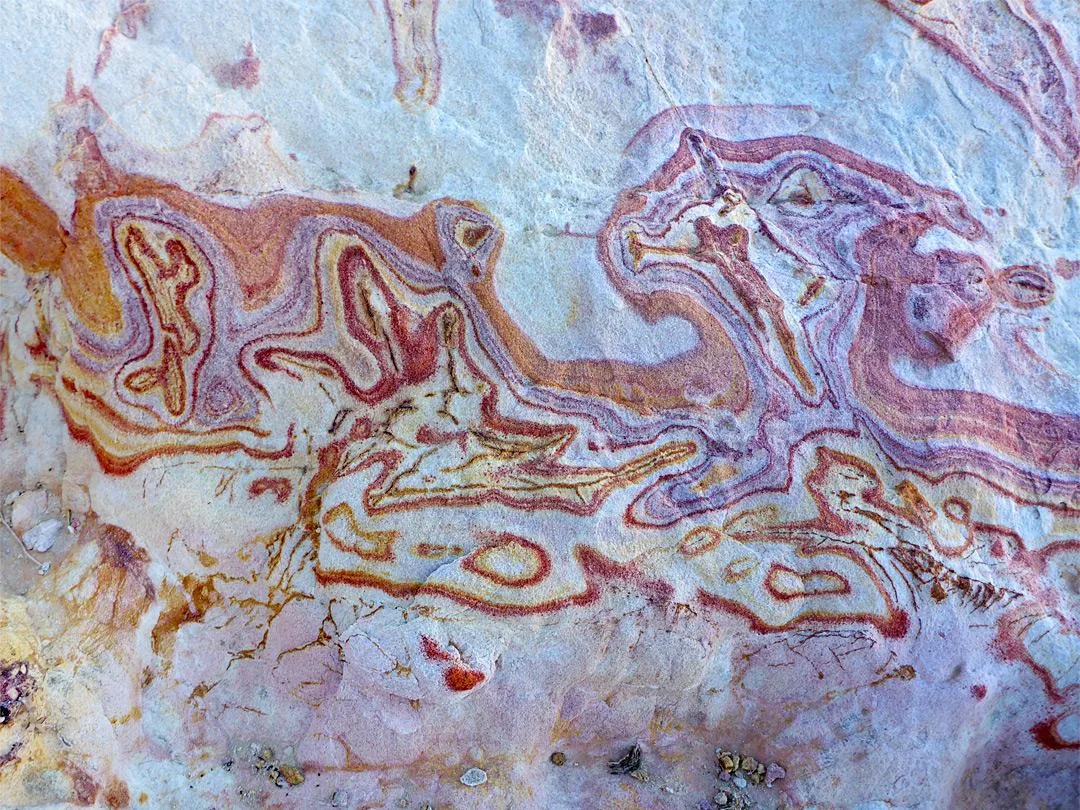
Concentric, curved or layered iron-rich bands can resemble growth rings in shells or wood. They are produced by chemical precipitation patterns in porous rocks, generally independent of organisms.
6. Flint Nodules
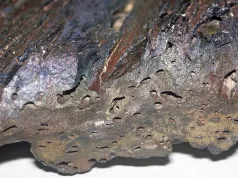
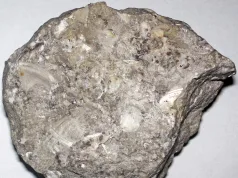
Dark, irregular flint masses occurring in chalk may have forms that recall bones, shells or animal remains. Some flints can form around organic material, however, so the distinction must be based on internal anatomy and context.
7. Mud Cracks
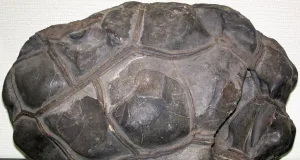
Polygonal shrinkage cracks preserved on ancient sediment surfaces can resemble reptile skin or unusual fossilized cells. Their networks record dehydration and contraction of muddy sediment.
8. Mineral Veins Resembling Roots
Branching fracture fills may mimic root systems. Their uniform mineral textures and cross-cutting relations to bedding can reveal that they formed after the rock was deposited.
9. Weathered Spherical Boulders
Round boulders shaped by spheroidal weathering may appear like giant eggs. Weathering removes corners and edges more rapidly; visible rock fabric continues through the object instead of showing distinct shell layers.
10. Ripple Marks and Load Structures
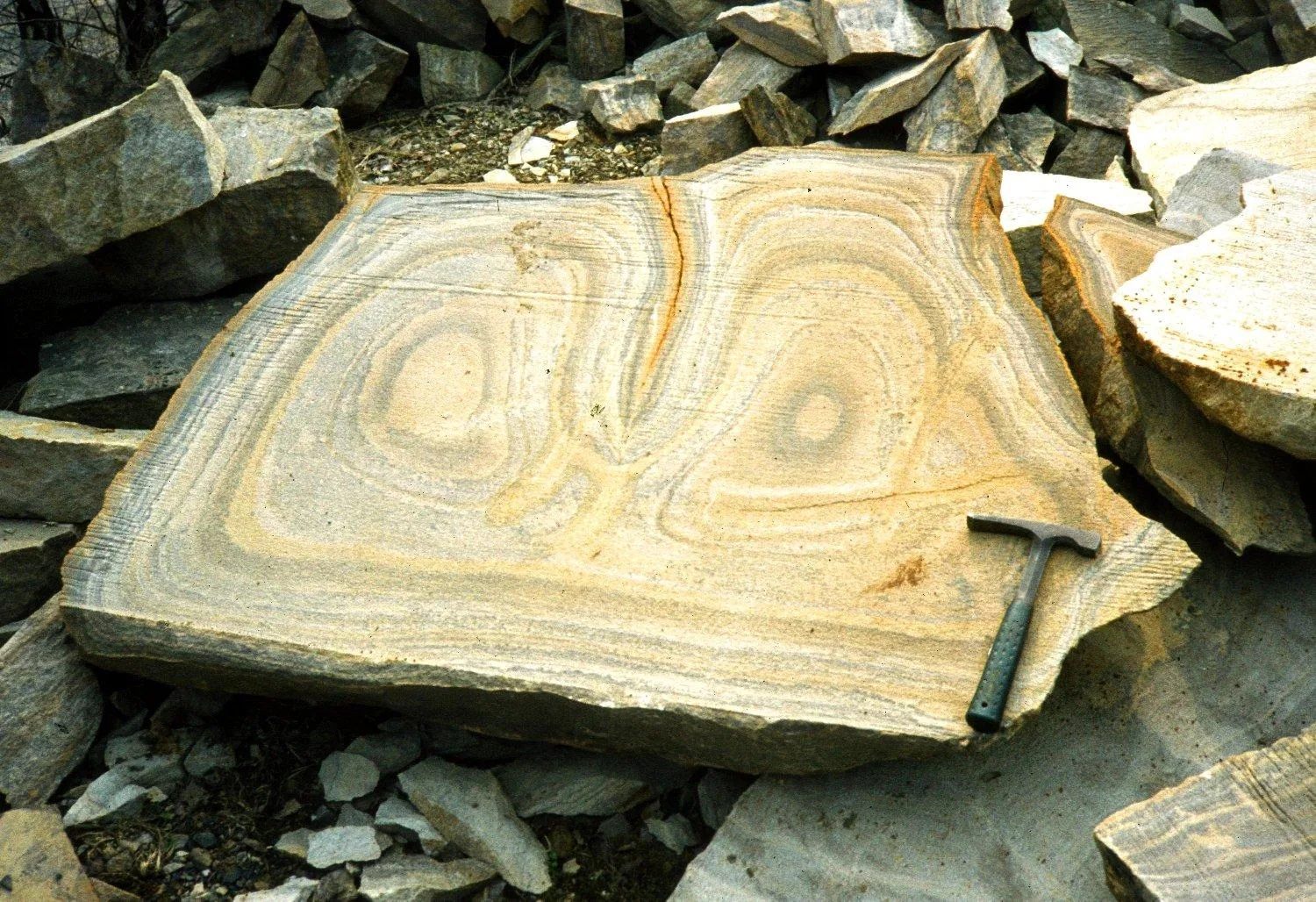
Sedimentary patterns produced by water flow or soft-sediment deformation may imitate skin, trails or body shapes. Look for repeated geometry across a bedding surface and relationships to depositional layers.
Five Ways to Distinguish Fossils from Pseudofossils
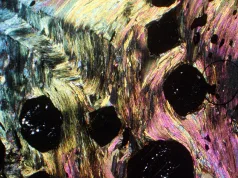
First, look for repeated biological anatomy rather than merely a familiar silhouette. Second, check whether a structure continues through the rock in three dimensions. Third, examine its relationship to bedding, veins and fractures. Fourth, compare with independently identified specimens. Finally, use a hand lens or microscope, mineral tests and expert identification when the structure remains ambiguous. Genuine fossils may preserve shells, cell structures, consistent symmetry or organized trace patterns.
Can Real Fossils Occur Inside Concretions?
Yes. Some concretions grow around an organism and help preserve fossils. A concretion is an inorganic sedimentary body, but it can still enclose authentic biological remains. This is why a simple rule that ’round stones are not fossils’ would be misleading. The correct identification depends on the internal evidence.
Field Identification Tips
The goal is not to dismiss every unusual shape but to test biological and inorganic explanations. For additional examples see Cannonball Concretions and Liesegang Rings in Rocks.
Why Pseudofossils Are Convincing
Natural systems repeatedly create branching, spiral, concentric and rounded geometries. Chemical precipitation follows diffusion and fluid pathways, while cracks and erosion produce repetitive forms. Human vision is especially good at recognizing plants, faces and animal outlines, which makes some inorganic patterns look biologically familiar. A convincing silhouette is a reason to investigate, not a conclusion about origin.
What Counts as Real Fossil Evidence?
An authentic fossil may preserve anatomical organization, shell microstructure, growth features, consistent skeletal symmetry or biological trace patterns. Its position within a rock layer and association with other fossils strengthen identification. Some fossils are impressions or molds, so they do not necessarily contain original organism material. Conversely, mineral dendrites may have delicate branching but lack structures expected of a particular plant species.
How to Document a Suspected Fossil
Photograph the whole specimen and a close-up with a scale. Describe the rock type, bedding orientation, location and any nearby similar patterns. Look at a natural cross-section, and seek expert advice where the distinction remains uncertain. Avoid cutting, acid-treating or breaking a potentially important specimen until its significance has been evaluated.
Frequently Asked Questions
Can unusual rock shapes be identified by a photograph alone?
Sometimes the texture is distinctive, but a confident conclusion may require viewing a fresh surface, field context or microscopic details.
Can geological processes create biological-looking forms?
Yes. Mineral growth, erosion, fracture patterns and sediment cementation can produce striking resemblances to living structures.