

















November 24, 2026. Waratah Minerals has announced new high-grade gold assay results from diamond drilling at its Goldenclad prospect, part of the Spur Gold Project in New South Wales, Australia. The standout reported result is a 10-metre downhole interval averaging 12.18 grams of gold per tonne (g/t Au), beginning 49 metres downhole. The result is encouraging for exploration but it does not constitute a newly established gold reserve or a completed resource estimate.
Goldenclad Drill Hole GCD002 Returns 10 m at 12.18 g/t Gold
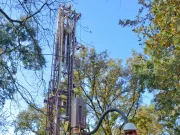
The November 24 Australian Securities Exchange (ASX) announcement identifies hole GCD002 as the first diamond-drill test of Wollard’s Line, a separate mineralised trend within Goldenclad. The highlighted 10 m at 12.18 g/t Au from 49 m lies inside a broader interval of 17 m at 7.35 g/t Au from 49 m. These are laboratory assay results for recovered drilling samples.
The company had received assays from the upper 270 metres of GCD002 when it issued the announcement. Drilling had progressed to 628 metres and was planned to continue beyond 700 metres, so the deeper sections remained unassayed or unfinished at the reporting date. A downhole interval is the length measured along the drilled hole; it must not automatically be described as the true width of the gold-bearing body.
Additional Gold Zones in GCD003
A second hole, GCD003, returned several separate mineralised intervals in the upper 155.3 metres. Reported results include 7 m at 2.58 g/t Au from 51 m, 7 m at 5.66 g/t Au from 85 m, and 7 m at 2.68 g/t Au from 137 m. The multiple intercepts suggest more than one gold-bearing zone, although the continuity and orientation of individual lodes require further geological modelling and additional drilling.
At the time of the announcement, GCD003 had reached 704 metres, with drilling planned beyond 800 metres. The preliminary nature of the assays matters: the untested or pending sections could change the understanding of the overall mineralised system.
Geological Setting: Mineralised Structures Near the Cargo Intrusive Complex
Goldenclad lies along a prospective corridor close to the margin of the Cargo Intrusive Complex. The company describes multiple trends of mineralised structures, known in its reporting as lines, that contain individual lodes. Historical workings at surface helped define drilling targets.
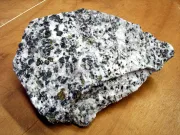
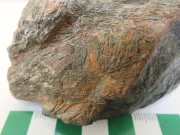
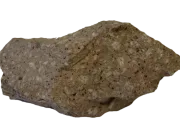
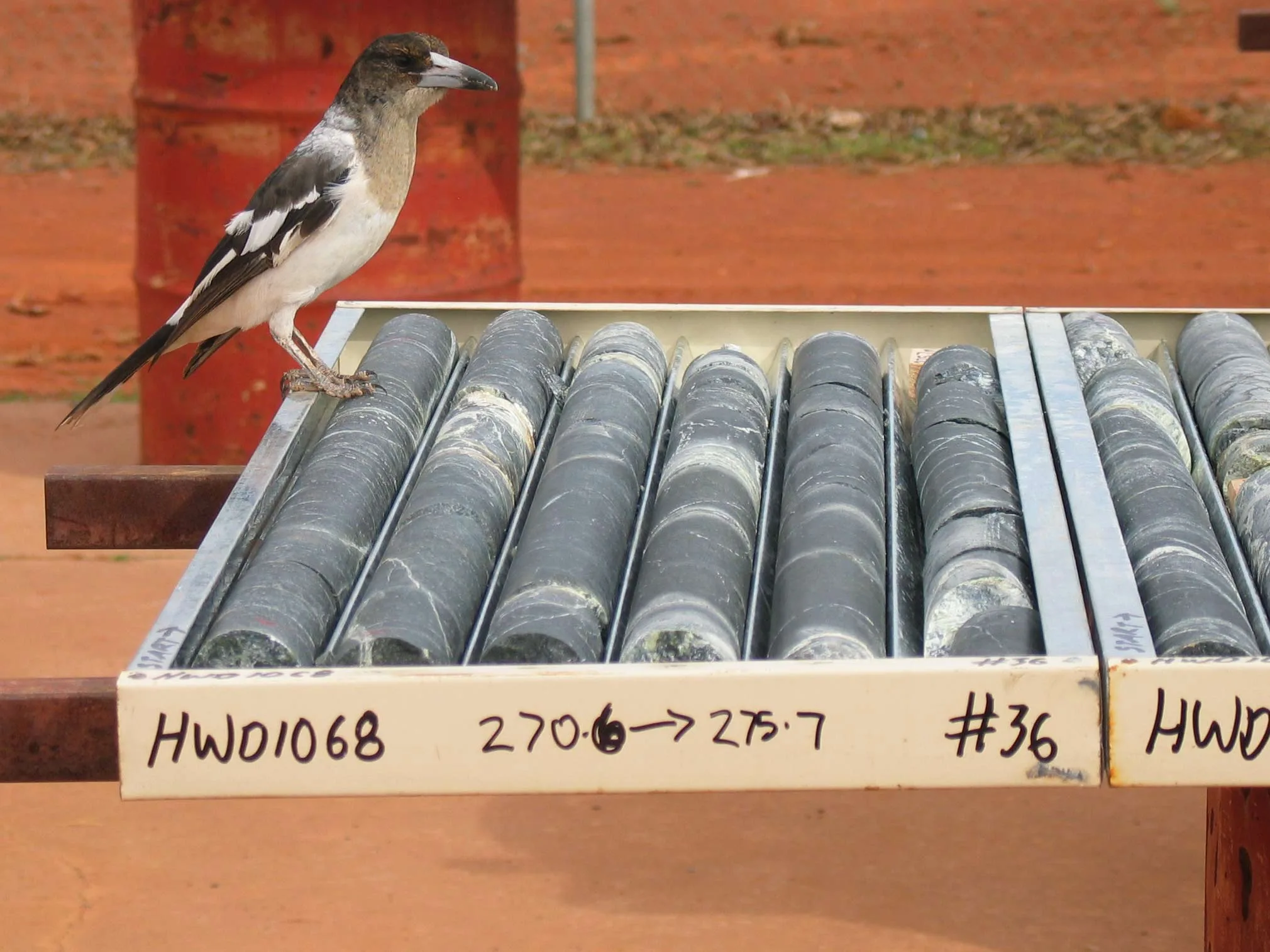
The GCD002 intercept occurred within a mineralised hyaloclastite breccia associated with chlorite and pyrite alteration, according to Waratah’s technical description. Hyaloclastite is volcanic material produced when lava or hot volcanic glass fragments during contact with water, although the present gold mineralisation and alteration may reflect later hydrothermal fluid movement. Structural zones and fractures can provide pathways for mineralising fluids and influence where gold is concentrated.
The relationship between rock type, alteration and mineralised structures is therefore central to the exploration model. A high gold grade in one interval does not establish that the same grade persists continuously between holes or at depth.
How the New Results Relate to the Spur Gold Resource
The wider Spur project already had a separately announced mineral-resource estimate as of November 2026. The company says the latest Goldenclad intercepts are outside the current mineral-resource estimate footprint. That is a distinction between an exploration target and a resource supported by sufficient geological and assay data. It would be incorrect to add the reported intersections directly to the resource without a formal estimate.
A mineral resource and an ore reserve are also different technical classifications. A resource describes a deposit with reasonable prospects for eventual economic extraction, whereas reserves require further modifying factors, including mining, metallurgy, economics, environmental constraints and other considerations. No reserve at Goldenclad is established by the November 24 drilling announcement.
What Does 12.18 g/t Gold Mean?
A grade of 12.18 g/t Au means that, on average, each metric tonne of the sampled rock along that reported interval assayed at the equivalent of 12.18 grams of gold. It does not mean the rock consists of 12.18% gold, nor does it tell us the mass of ore available. Calculating deposit tonnage requires information about geometry, true width, continuity and bulk density, and estimating recoverable gold also requires metallurgical testing.
This distinction is especially important for high-grade intersections because a few narrow intervals can look impressive while representing only a small part of a broader deposit. The value of the Goldenclad drilling programme lies in determining whether separate high-grade zones connect into a coherent, economically relevant system.
What Happens Next at Goldenclad?
Waratah said both GCD002 and GCD003 remained in progress and that final assays were expected after drilling finished. Follow-up exploration will need to establish lode orientation, continuity, structural controls and the extent of mineralisation. New drill results, quality-control data and any future updated resource estimates should be examined before making claims about mine development or recoverable ounces.
For geological background, read GeologyScience’s Gold vs. Pyrite and How Minerals Form articles.
Sources and Image Attribution
Primary evidence: Waratah Minerals, ASX announcement, November 24, 2026 (21-page PDF); independent reporting: Australian Mining, November 24, 2026; background: Waratah Minerals ASX announcements.
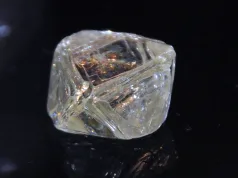
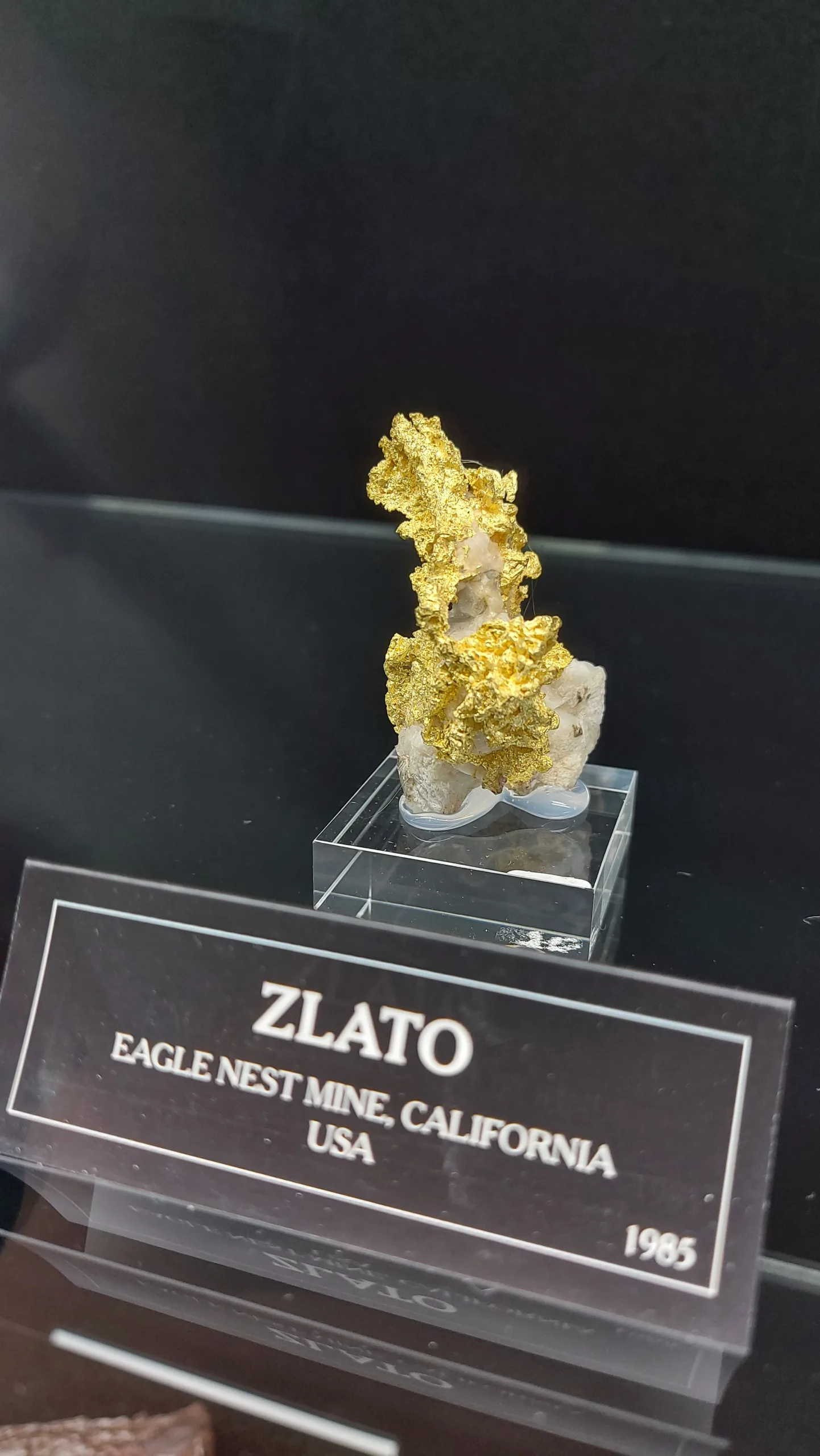
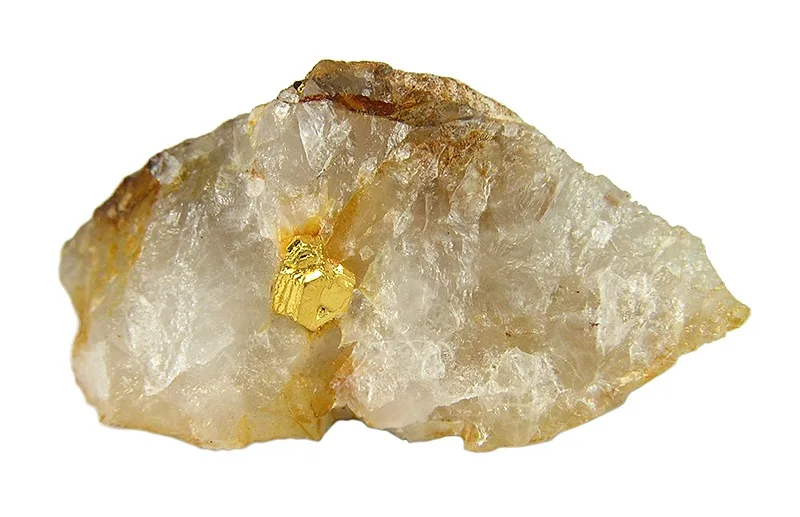
Featured mineral photograph: native gold in quartz, not a specimen collected at Goldenclad. Filip Kubálek / Wikimedia Commons, CC BY-SA 4.0 (resized and converted to WebP).