













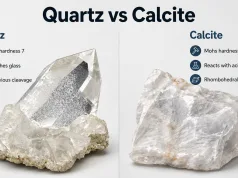
Geology
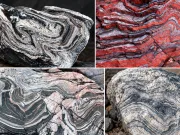
Geology is divided into several fields that can be grouped under the main headings of physical and historical geology.
Applied Geology
Applied Geology is geologic knowledge to solving geologic problem. In other words, application of various fields of geology to economic, engineering, water-supply, or environmental problems; geology related to the human activity.
METHODS OF GEOLOGY
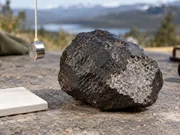
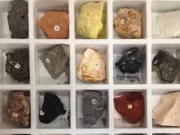
Geologists use primary data associated with petrology (the study of rocks), stratigraphy (the observe of sedimentary layers), and structural geology (the have a look at of positions of rock devices and their deformation). In many cases, geologists additionally take a look at contemporary soils, rivers, landscapes, and glaciers; inspect past and contemporary life and biogeochemical pathways, and use geophysical techniques to investigate the subsurface.
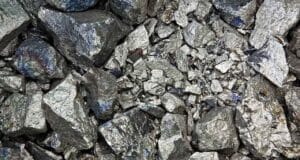
Nickel (Ni) Ore
Nickel ore refers to the naturally occurring rocks or minerals that contain significant amounts of nickel. Nickel is a chemical element with the symbol...
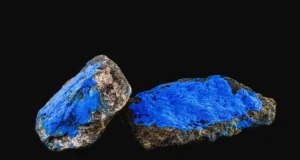
Cobalt (Co) Ore
Cobalt (Co) is a chemical element with the atomic number 27 and an atomic mass of 58.93 g/mol. It is a hard, brittle, and...
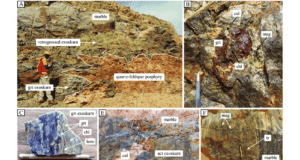
Metamorphic Ore Minerals
Metamorphic ore minerals are minerals that form during the process of metamorphism, which is the alteration of pre-existing rocks due to changes in temperature,...
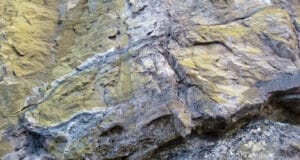
Sedimentary ore minerals
Sedimentary ore minerals are those that form as a result of various sedimentary processes. Sedimentary rocks, such as sandstones, limestones, and shales, can host...
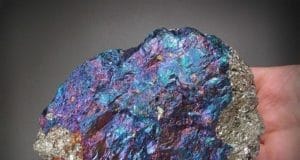
Hydrothermal ore minerals
Hydrothermal ore minerals are formed through the process of hydrothermal mineralization, which involves the deposition of minerals from hot, mineral-rich fluids that circulate within...

Magmatic ore minerals
Magmatic ore minerals, also known as primary ore minerals, are minerals that form directly from the crystallization of magma or from the hydrothermal fluids...
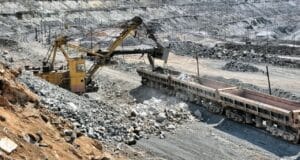
Ore Minerals
Ore minerals are naturally occurring minerals that contain valuable elements or minerals in sufficient quantities to be economically mined and processed for their desired...
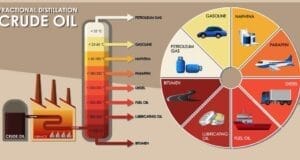
Crude oil & petroleum products
Crude oil, also known as petroleum, is a fossil fuel that is formed from the remains of ancient plants and animals that lived millions...
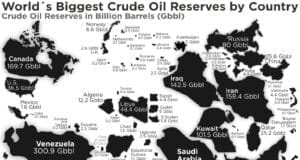
Countries with the largest petroleum reserves in the world
Petroleum reserves refer to the estimated amount of oil that can be extracted from the earth's crust using current technology and economic conditions. These...

Petrogeologist or Petroleum Geologist
A Petrogeologist, also known as a Petroleum Geologist, is a professional geologist who specializes in the study of the origin, distribution, and extraction of...
Key takeaways about the importance of petroleum geology
Petroleum geology is a crucial field that plays a vital role in the energy industry, providing a major source of the world's fuel. Its...

9 Famous Fossil Discoveries and What They Tell Us About Earth’s...
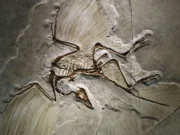
Fossils are the preserved remains of ancient life forms that provide important clues about the history of life on Earth. The study of fossils,...