








Geology
Geology is divided into several fields that can be grouped under the main headings of physical and historical geology.
Applied Geology
Applied Geology is geologic knowledge to solving geologic problem. In other words, application of various fields of geology to economic, engineering, water-supply, or environmental problems; geology related to the human activity.
METHODS OF GEOLOGY
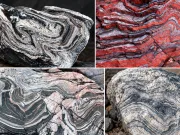
Geologists use primary data associated with petrology (the study of rocks), stratigraphy (the observe of sedimentary layers), and structural geology (the have a look at of positions of rock devices and their deformation). In many cases, geologists additionally take a look at contemporary soils, rivers, landscapes, and glaciers; inspect past and contemporary life and biogeochemical pathways, and use geophysical techniques to investigate the subsurface.

Black smokers
Black smokers, also known as hydrothermal vents, are underwater geothermal features found on the ocean floor. They are characterized by their dark appearance, caused...

Mariana Trench
The Mariana Trench is the deepest known oceanic trench on Earth, located in the western Pacific Ocean. It reaches a maximum depth of about...

Oceanic Trenches
Oceanic trenches are long, narrow depressions or deep valleys that occur in the Earth's oceanic crust. They are the deepest parts of the world's...

The Ring of Fire
The Ring of Fire is a geographical region in the Pacific Ocean known for its high level of volcanic and seismic activity. It is...
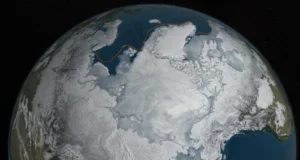
The Ice Age
The Ice Age, also known as the Pleistocene Epoch, was a period of geological time that lasted from about 2.6 million years ago to...

Uniformitarianism
Uniformitarianism is a fundamental principle in geology that suggests that the same geological processes and natural laws that operate today have been operating throughout...

Lithium (Li) Ore
Lithium (Li) ore is a type of rock or mineral that contains significant concentrations of lithium, a soft, silver-white alkali metal with the atomic...

Chromium (Cr) Ore
Chromium (Cr) ore refers to a natural mineral deposit that contains chromium in its raw form. Chromium is a chemical element with the symbol...

Tungsten (W) Ore
Tungsten, abbreviated as W on the periodic table, is a rare and valuable metal known for its exceptional physical and chemical properties. Tungsten ore...

Vanadium (V) Ore
Vanadium (V) ore refers to a type of mineral deposit that contains vanadium, a chemical element with the atomic number 23 and the symbol...

Manganese (Mn) Ore
Manganese is a chemical element with the symbol Mn and atomic number 25. It is a hard, brittle, silvery-gray metal that is commonly found...

Titanium (Ti) Ore
Titanium is a chemical element with the symbol Ti and atomic number 22. It is a lustrous, silver-grey transition metal known for its high...