










Geology
Geology is divided into several fields that can be grouped under the main headings of physical and historical geology.
Applied Geology
Applied Geology is geologic knowledge to solving geologic problem. In other words, application of various fields of geology to economic, engineering, water-supply, or environmental problems; geology related to the human activity.
METHODS OF GEOLOGY
Geologists use primary data associated with petrology (the study of rocks), stratigraphy (the observe of sedimentary layers), and structural geology (the have a look at of positions of rock devices and their deformation). In many cases, geologists additionally take a look at contemporary soils, rivers, landscapes, and glaciers; inspect past and contemporary life and biogeochemical pathways, and use geophysical techniques to investigate the subsurface.
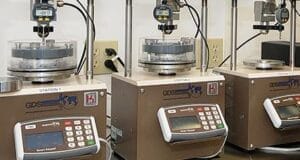
Laboratory Tests Soil and Rock Samples
Laboratory tests on soil and rock samples play a crucial role in geotechnical engineering. They are performed to determine the physical, mechanical, and hydraulic...
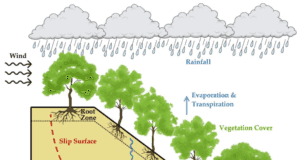
Slope Stability and Landslides
Slope stability refers to the ability of a slope or hillside to resist the downward movement or collapse of soil and rock materials. Landslides...
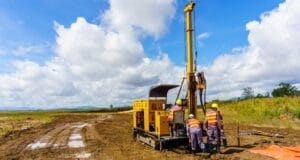
In-Situ Testing
In-situ testing refers to testing methods that are carried out directly on the ground, rock, or soil at a particular site. These tests are...

Site Investigation Techniques
Site investigation is a critical aspect of geotechnical engineering, providing important information about the geological and geotechnical properties of a site. It involves the...
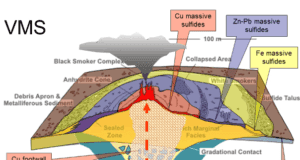
Volcanogenic Massive Sulfide (VMS) Deposits
Volcanogenic massive sulfide (VMS) deposits are a type of mineral deposit that forms on or below the seafloor as a result of volcanic and...

Skarn deposits
Skarn deposits are a type of ore deposit formed by metasomatic replacement in carbonate rocks, typically limestone or dolomite. They are characterized by their...

Vein deposits
Vein deposits are a type of mineral deposit that consist of a localized zone of fracture-filling minerals. They typically form within fractures or fissures...
Metamorphic deposits
Metamorphic deposits are a type of mineral deposit that forms as a result of metamorphism, which is the process by which rocks are altered...

Sedimentary deposits
Sedimentary deposits are mineral deposits that are formed through the accumulation of sediments on or near the Earth's surface. These deposits can contain a...

Hydrothermal deposits
Hydrothermal deposits are mineral deposits that are formed from the precipitation of minerals dissolved in hot water that circulates through rocks. Hydrothermal fluids are...
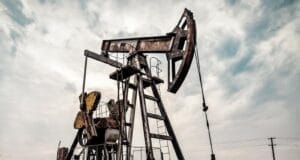
Petroleum Geology
Petroleum geology is the study of rock formations and the occurrence of petroleum within them. It is a crucial aspect of the exploration, appraisal,...
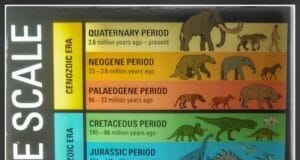
Geologic Time Scale
How Rocks Became Our CalendarEvery grain of sand, every mountain peak, and every fossil tells part of Earth’s story.But how do scientists piece together...