






















Fossils
Home Fossils
Fossils are the time capsules of the Earth — preserved remains and traces of organisms that lived millions of years ago, unearthed from rock layers and sedimentary beds. In this section you’ll explore how fossils form, what they tell us about past life and environments, and how scientists use them to reconstruct Earth’s history. Whether it’s the skeleton of a dinosaur, a delicate leaf imprint, or the burrow of a long-extinct creature, each fossil connects us to a moment in deep time and helps reveal the story of our planet.
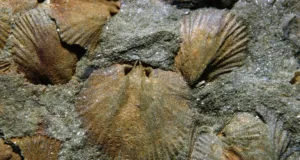
Brachiopods
Brachiopods, often referred to as "lampshells," are a group of marine invertebrates that have existed on Earth for over half a billion years. They...
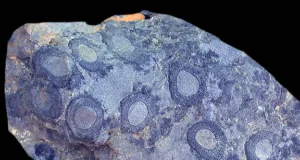
Archaeocyathids
Archaeocyathids are an extinct group of marine organisms that lived during the early Cambrian period, approximately 541 to 485 million years ago. They are...
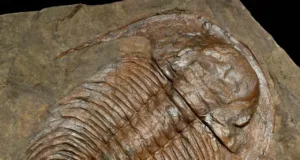
Paradoxides Pinus
Paradoxides pinus is a species of trilobite, an extinct marine arthropod that lived during the Cambrian period, approximately 540 million years ago. Trilobites were...
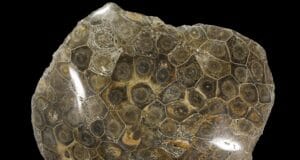
Fossil Coral
Fossil coral is essentially the preserved remains or traces of corals that existed in prehistoric times. These fossils are formed when the original skeletal...
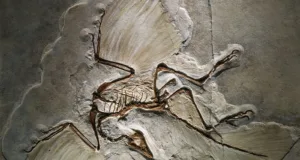
10 Places Where Fossils Tell Ancient Stories
Fossils are more than ancient remains—they are windows into vanished worlds. Each fossil preserves a moment in time, capturing organisms that lived millions of...