




















A robotic exploration of the southern Mariana Trench has uncovered rock deposits interpreted as evidence of explosive volcanic activity more than six kilometers below sea level. Published on November 23, 2026, in Frontiers in Earth Science, the study reports the deepest documented marine pyroclastic deposits and raises questions about magma generation near the Challenger Deep.
Volcanic rocks on the walls of the world’s deepest trench
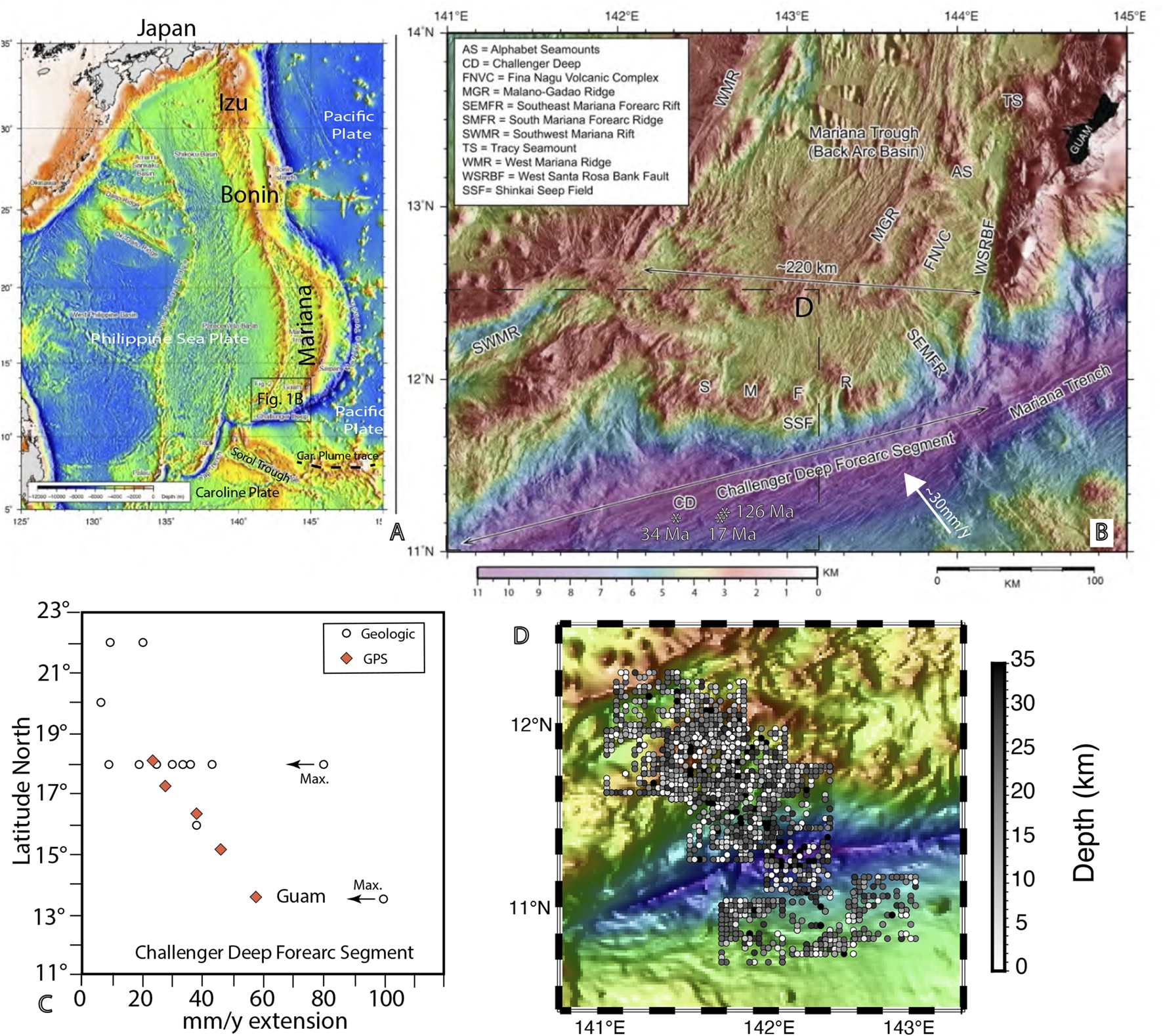
In late 2024, an international research team led by Robert J. Stern of the University of Texas at Dallas used the remotely operated vehicle Jason/Medea to investigate the Challenger Deep forearc segment. Seven dives covered approximately 300 kilometers of the southern Mariana convergent margin, reaching depths of up to 6,500 meters. The expedition explored the trench walls rather than the nearly 11-kilometer-deep floor of Challenger Deep itself.
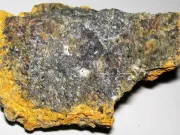
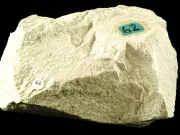
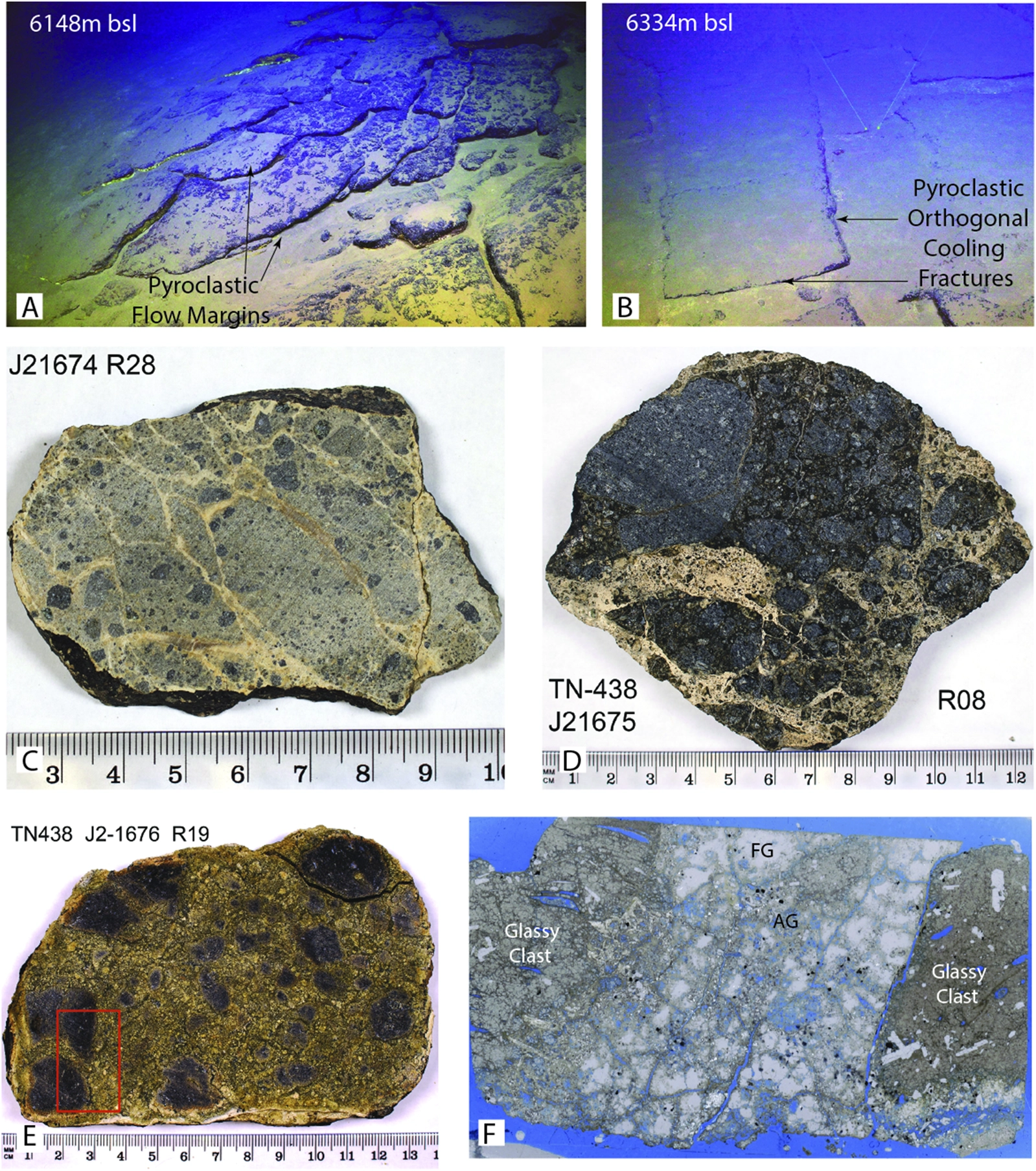
Among the most unexpected observations were overlapping, thin rock units with lobate edges at 6,148 meters and fractured slabs at 6,334 meters. Collected specimens contain volcanic fragments, including glassy material, within a consolidated matrix. The researchers interpret the deposits as products of hot pyroclastic flows that cooled and fractured after emplacement.
How can explosive volcanism occur under such pressure?
At six kilometers below sea level, seawater pressure is approximately 60 megapascals, around 600 times atmospheric pressure at the surface. This environment strongly limits the expansion of volcanic gases, one of the principal mechanisms driving explosive eruptions on land. Consequently, the fragmentation and transport of magma in the deep ocean cannot simply be assumed to resemble a typical terrestrial eruption.
The authors suggest that fluids under supercritical conditions may have contributed to magma fragmentation. A supercritical fluid has physical properties distinct from those of ordinary liquids and gases. The actual eruption mechanism remains uncertain, and the deposits do not establish the intensity or exact timing of the original activity.
An unusual location for volcanic activity
The Mariana Trench marks the boundary where the Pacific Plate descends beneath the Philippine Sea Plate. The forearc is situated between the trench and the volcanic arc. In many subduction systems, this region is relatively cool compared with the mantle beneath the arc, so the occurrence of young volcanic rocks there is noteworthy.
The expedition also identified differences between the eastern and western portions of the forearc. The researchers propose that mechanical extension dominates farther east, whereas magma addition may accommodate some of the stretching in the west. Additional sampling and radiometric dating are needed to establish the history of these processes.
What the discovery changes
The results expand the known depth range of submarine pyroclastic deposits and provide direct geological evidence for unusual processes in the hadal zone. They do not indicate that a new eruption occurred in November 2026: the samples were collected in 2024, and the original eruption sites have not yet been identified. Future deep-sea expeditions could determine the deposits’ ages, locate their sources and clarify the relationship between magma generation and tectonic extension.
Related reading: Mariana Trench, Types of Volcanic Eruptions, and Oceanic Trenches.
Scientific sources
Stern, R. J., et al. (2026). ROVing in the deep: tectonic and magmatic complexities of the Challenger Deep forearc segment, Southern Mariana convergent margin. Frontiers in Earth Science, 14, 1929806. Published November 23, 2026. See also the publisher’s research announcement.