













November 21, 2026. A newly published satellite study has uncovered an extraordinary gas release at Ethiopia’s Fentale volcano: at least 38,200 tonnes of methane escaped during an episode of volcanic unrest in early 2025, even though the volcano did not erupt. Researchers say the finding challenges a common assumption that major volcanic gas releases must accompany lava or explosive eruptions.
A Record Methane Release Without an Eruption
The research, published in Nature Geoscience on November 19, 2026, examined activity at Fentale in the Main Ethiopian Rift. It estimated more than 38.2 ± 3.9 kilotonnes of methane released between January 19 and April 9, 2025. Roughly 90% of the detected methane emerged during the first month. Researchers also estimated at least 2.9 million tonnes of carbon dioxide, although uncertainties affect the gas budget.
The important distinction is timing: the emissions happened in 2025, while the scientific results were announced in November 2026. This is a retrospective discovery, not a warning that a new eruption is occurring today.
How Could Magma Release Methane?
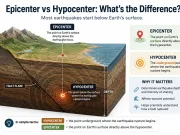
Beginning in December 2024, magma entered cracks in the crust and propagated along an extensive underground sheet-like intrusion, known as a dyke. The magma did not reach the surface as an eruption. Instead, the researchers propose that the intrusion fractured or disturbed a sealing layer above hydrocarbon-bearing sediments. Gas accumulated beneath that natural barrier could then escape to the atmosphere.
This explanation is consistent with the location of the gas plumes and ground deformation, but the exact subsurface reservoir geometry cannot be directly observed from space. The study identifies a plausible geological mechanism rather than a complete underground map. For background, explore our guide to causes of volcanic eruptions and the broader volcanology section.
What Did Satellites Measure?
Multiple observing systems were used, including TROPOMI aboard Sentinel-5P, high-resolution commercial methane observations, thermal imagery and radar measurements of surface movement. The combination helped identify a concentrated volcanic source and distinguish it from surrounding human activities and background methane. The researchers reconstructed emissions using atmospheric measurements rather than directly collecting all the escaping gas at ground level.
That distinction matters: methane estimates have uncertainty ranges, and the observations do not imply that all volcanic systems behave like Fentale. The event stands out because the inferred rate is far above methane fluxes normally associated with volcanoes.
Why This Matters for Climate and Volcano Monitoring
Methane is a powerful greenhouse gas, so a brief release can have climate relevance even without a spectacular visible eruption. The study also suggests that volcanic intrusions into sedimentary basins may occasionally mobilize gas that would otherwise remain underground. Understanding how often that happens is now an important research question.
For volcano monitoring, the lesson is broader than methane: seismicity, surface deformation, heat and atmospheric gases should be interpreted together. A volcano can undergo consequential underground change without producing lava.
Primary Research and Sources
Dualeh and colleagues, Nature Geoscience (published November 19, 2026); University of Bristol research announcement; SRON Netherlands Institute for Space Research.
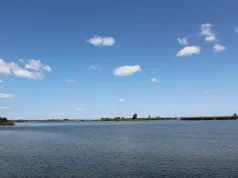
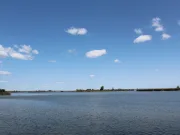
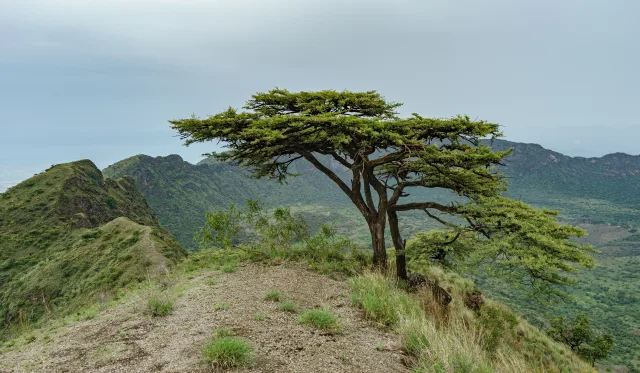
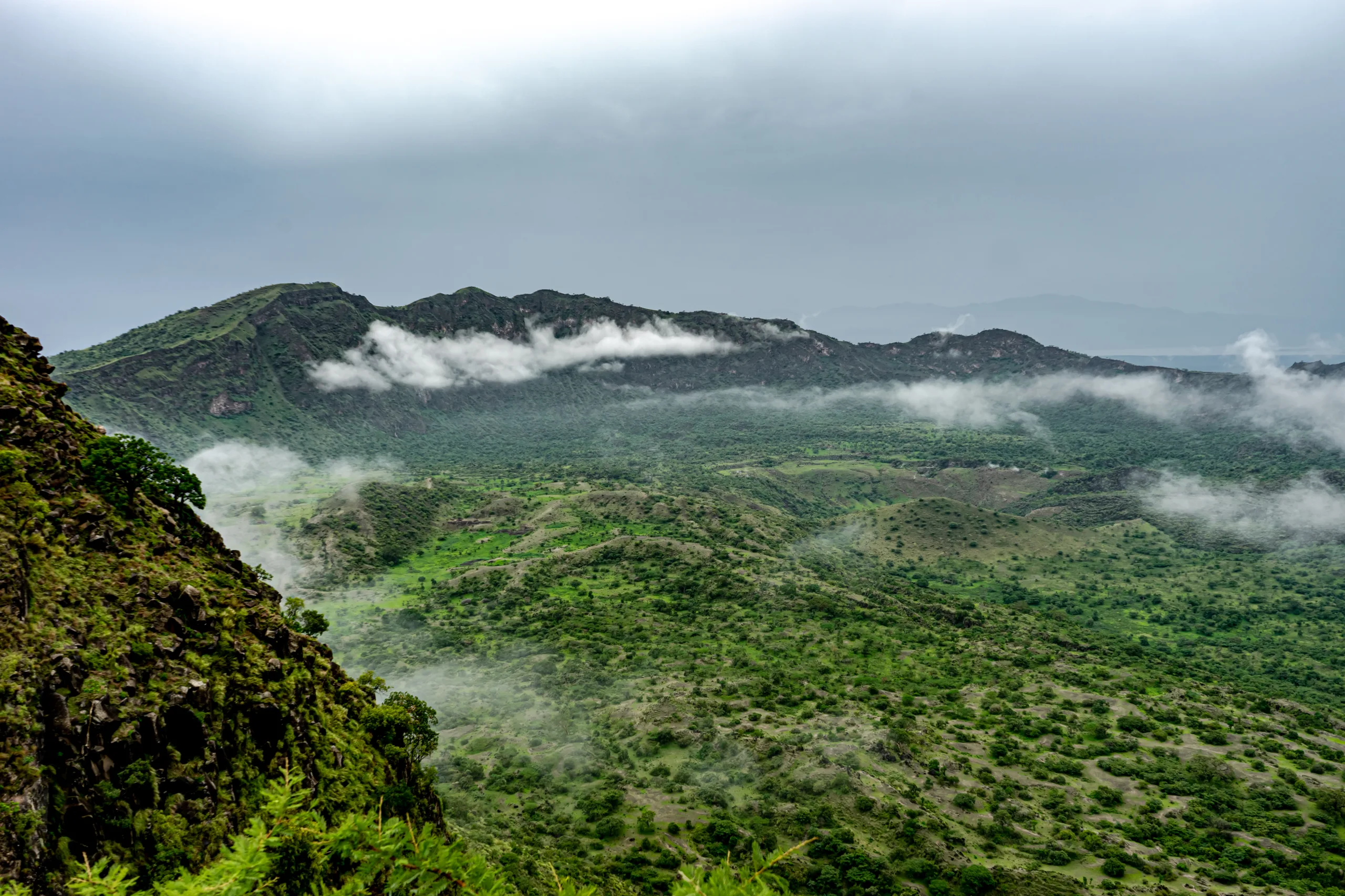
Featured photograph: Mount Fentale, Ethiopia, 2021. Nina R from Africa / Wikimedia Commons, CC BY 2.0. Historical landscape photograph, not an image of the methane plume.