Facebook
Instagram
X
Youtube
Home
News
Branches
Economic Geology
Ore Genesis
Ore Minerals
Engineering Geology
Field Methods
Geology Fundamentals
Historical Geology
Paleontology
Earth Interior
Geologic Time Scale
Plate Tectonics: How Earth’s Moving Plates Shape Continents, Mountains, and Oceans
Gallery
Geologic Lists
Geological Wonders
Canyons
Caves & Karst
Deserts & Dunes
Videos
Rocks
Igneous Rocks
Metamorphic Rocks
Rock Identification
Rock Textures & Structures
Sedimentary Rocks
Minerals
Gemstones
Gemstone Database
Gemstone Guides
Gemstone Identification
Optical Phenomena
Rare & Unique Gemstones
Disasters
Avalanches
Earthquakes
Landslides
Tsunamis
Volcanic Eruptions
Forum
Search
Contact
Privacy Policy
Register
Geology Tools
Facebook
Instagram
X
Youtube
Geology Science
Home
News
Mayon Remains at Alert Level 3 With Eight Volcanic Earthquakes
Puracé Volcano Sends Ash Plumes 6.1 Kilometres Above Sea Level
Kanlaon Records Three Ash Emissions and 17 Volcanic Earthquakes
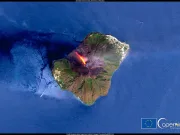
Stromboli Lava Overflow Reaches Upper Sciara del Fuoco on November 27
Deepest Known Explosive Volcanic Deposits Found Near Challenger Deep
Branches
Dunham Classification of Carbonate Rocks: Chart and Calculator
Grain Size Classification: Wentworth Scale and Phi Calculator
Soil Classification: USCS and ISO 14688
Exfoliation Weathering: Causes, Sheet Joints and Geological Examples
Deltas and Alluvial Fans: Formation, Sediments and Key Differences
All
Economic Geology
Ore Genesis
Ore Minerals
Engineering Geology
Field Methods
Geology Fundamentals
Historical Geology
Paleontology
Earth Interior
Geologic Time Scale
Plate Tectonics: How Earth’s Moving Plates Shape Continents, Mountains, and Oceans
Gallery
Mistaken Point, Canada
10 Geological Signs of Ancient Oceans
Pingualuit Crater, Canada
10 Places Where You Can See Tectonic Plate Movement
Siccar Point, Scotland
All
Geologic Lists
Geological Wonders
Canyons
Caves & Karst
Deserts & Dunes
Videos
Rocks
Gneiss vs Schist: Texture, Minerals and Field Identification
Cataclasite
Mylonite
Serpentinite
Diamictite
All
Igneous Rocks
Metamorphic Rocks
Rock Identification
Rock Textures & Structures
Sedimentary Rocks
Minerals
Why Is My Rock Magnetic? 8 Common Rocks and Minerals
Gold vs. Pyrite: 7 Ways to Tell the Difference
How Do Minerals Form? 7 Geological Processes
Quartz vs Calcite: What’s the Difference?
Why Do Some Crystals Grow Perfectly and Others Don’t?
Gemstones
Trapiche Sapphire
Trapiche Emerald
Maxixe Beryl
Star Ruby
Star Sapphire
All
Gemstone Database
Gemstone Guides
Gemstone Identification
Optical Phenomena
Rare & Unique Gemstones
Disasters
Epicenter vs Hypocenter: What’s the Difference?
P-Waves vs S-Waves: What’s the Difference?
Can Geological Disasters Trigger Each Other?
Avalanches: Geologic & Environmental Triggers
Types of Faults and How They Trigger Earthquakes
All
Avalanches
Earthquakes
Landslides
Tsunamis
Volcanic Eruptions
Forum
Avalanches
Earthquakes
Floods
Landslides
Mass Movements
Tsunamis
Volcanic Eruptions
Latest
Latest
Featured posts
Most popular
7 days popular
By review score
Random
Mass Movements
Home
Natural Hazards
Mass Movements
Mass movements involve the downslope transport of rock, soil and debris under gravity. Topics include slides, falls, flows and the geological conditions that influence slope stability.
No posts to display