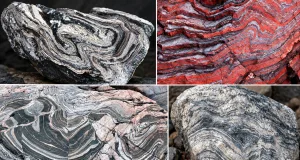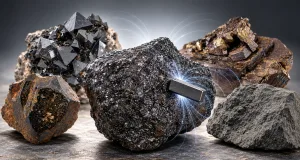











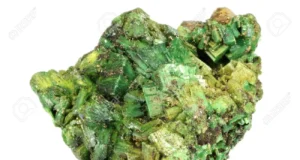
Uranium (U) Ore
Uranium ore refers to naturally occurring rock or mineral deposits that contain a sufficient concentration of uranium, a radioactive element, to make its extraction...

Titanium (Ti) Ore
Titanium is a chemical element with the symbol Ti and atomic number 22. It is a lustrous, silver-grey transition metal known for its high...

Silver (Ag) Ore
Silver ore refers to natural deposits of silver-containing minerals that are mined and processed to extract silver metal. Silver is a precious metal known...
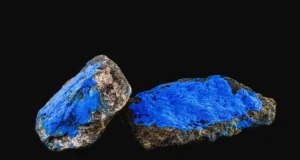
Cobalt (Co) Ore
Cobalt (Co) is a chemical element with the atomic number 27 and an atomic mass of 58.93 g/mol. It is a hard, brittle, and...

Manganese (Mn) Ore
Manganese is a chemical element with the symbol Mn and atomic number 25. It is a hard, brittle, silvery-gray metal that is commonly found...
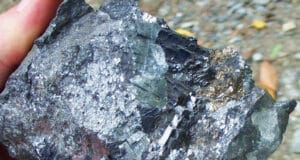
Lead (Pb) Ore
Lead ore is a naturally occurring mineral deposit that contains lead in varying concentrations. It is typically extracted from the Earth's crust through mining...
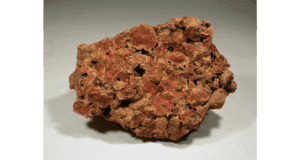
Aluminum (Al) Ore
Aluminum ore, also known as bauxite, is a naturally occurring mineral rock that contains aluminum in the form of aluminum oxide (Al2O3) mixed with...

Tin (Sn) Ore
Tin ore is a type of mineral ore that contains tin, a soft, malleable, silvery-white metal. Tin is commonly used in various applications, including...
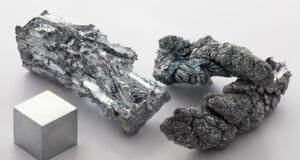
Zinc (Zn) Ore
Zinc ore refers to the naturally occurring rock or mineral that contains a significant concentration of zinc. Zinc is a chemical element with the...

Rhodium (Rh) Ore
Rhodium ore refers to a naturally occurring mineral deposit that contains the precious metal rhodium. Rhodium is a rare, silvery-white metal that belongs to...

Chromium (Cr) Ore
Chromium (Cr) ore refers to a natural mineral deposit that contains chromium in its raw form. Chromium is a chemical element with the symbol...

Platinum (Pt) Ore
Platinum (Pt) is a rare and valuable metal that is widely used in various industrial applications due to its unique properties. Platinum ore refers...