














Economic Geology
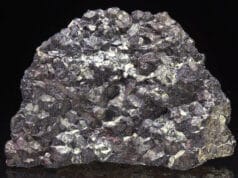
Lead (Pb) Ore
Lead ore is a naturally occurring mineral deposit that contains lead in varying concentrations. It is typically extracted from the Earth's crust through mining...
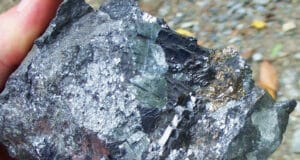
Zinc (Zn) Ore
Zinc ore refers to the naturally occurring rock or mineral that contains a significant concentration of zinc. Zinc is a chemical element with the...
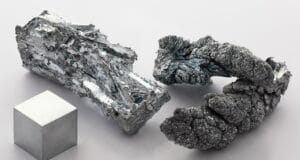
Nickel (Ni) Ore
Nickel ore refers to the naturally occurring rocks or minerals that contain significant amounts of nickel. Nickel is a chemical element with the symbol...
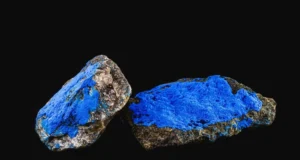
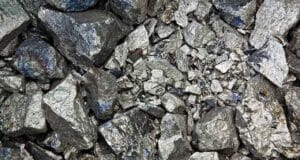
Cobalt (Co) Ore
Cobalt (Co) is a chemical element with the atomic number 27 and an atomic mass of 58.93 g/mol. It is a hard, brittle, and...
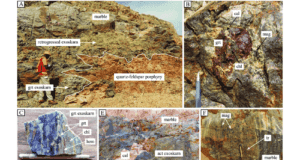
Metamorphic Ore Minerals
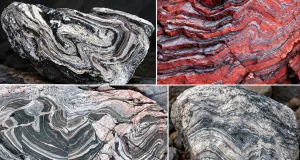
Metamorphic ore minerals are minerals that form during the process of metamorphism, which is the alteration of pre-existing rocks due to changes in temperature,...
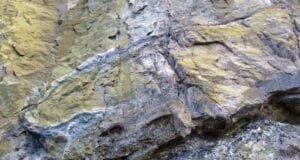
Sedimentary ore minerals
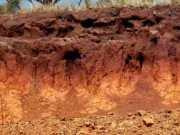
Sedimentary ore minerals are those that form as a result of various sedimentary processes. Sedimentary rocks, such as sandstones, limestones, and shales, can host...
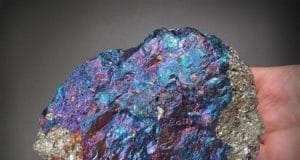
Hydrothermal ore minerals
Hydrothermal ore minerals are formed through the process of hydrothermal mineralization, which involves the deposition of minerals from hot, mineral-rich fluids that circulate within...

Magmatic ore minerals
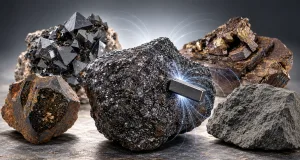
Magmatic ore minerals, also known as primary ore minerals, are minerals that form directly from the crystallization of magma or from the hydrothermal fluids...
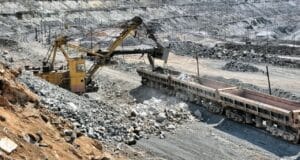
Ore Minerals
Ore minerals are naturally occurring minerals that contain valuable elements or minerals in sufficient quantities to be economically mined and processed for their desired...
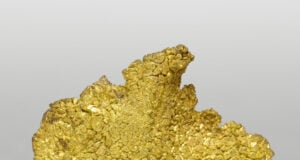
Gold (Au)
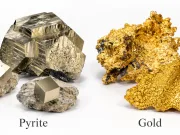
Gold is one of the oldest and most influential metals in human history. Its value, which has continued from ancient times to the present,...