























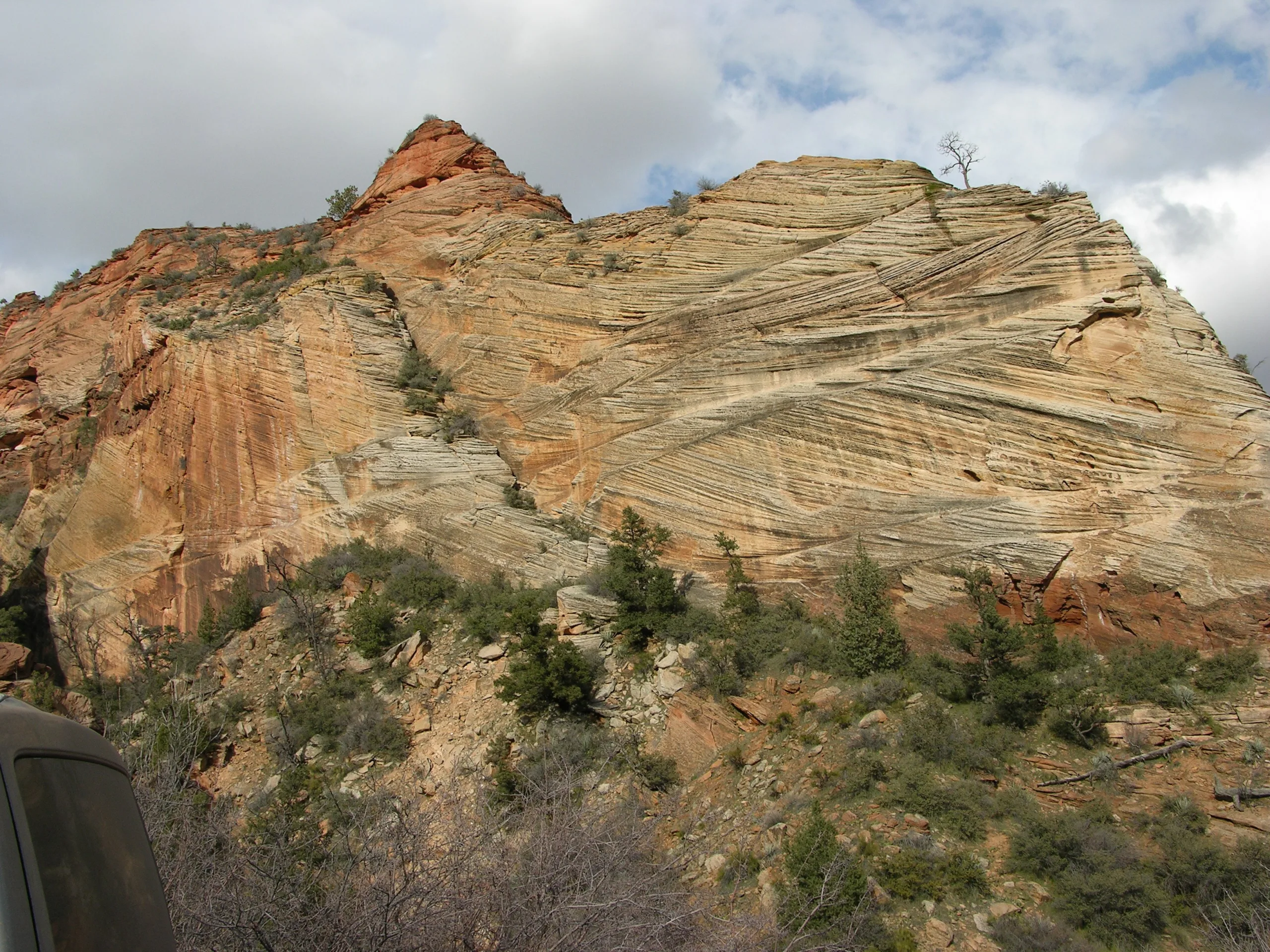
Cross-bedding is a sedimentary structure made of inclined layers, or foresets, deposited as ripples, dunes or other bedforms migrate under flowing water or wind. The inclined laminae occur within larger sedimentary beds and preserve evidence of ancient current direction, depositional processes and environmental conditions.
What Is Cross-Bedding?
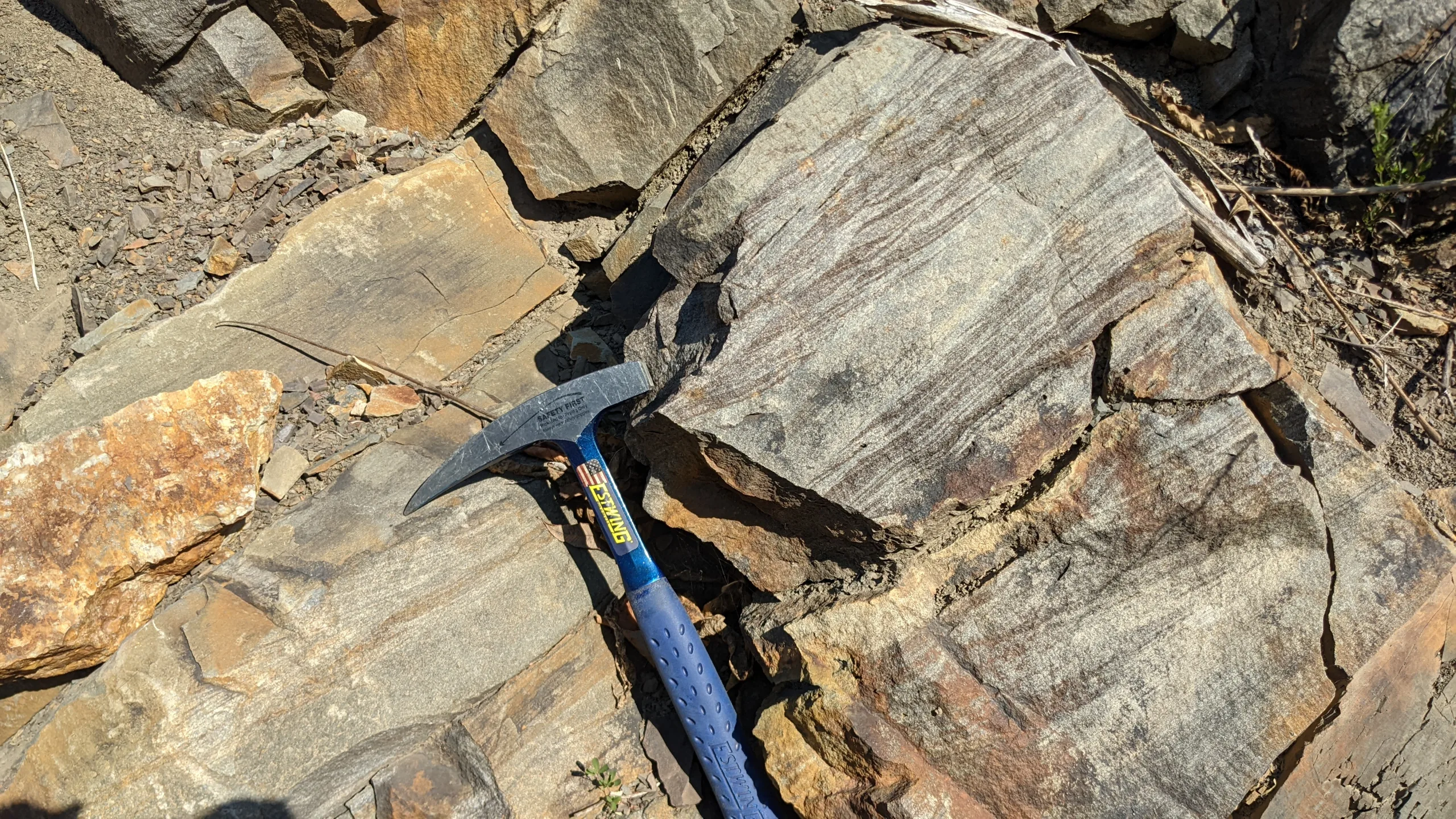
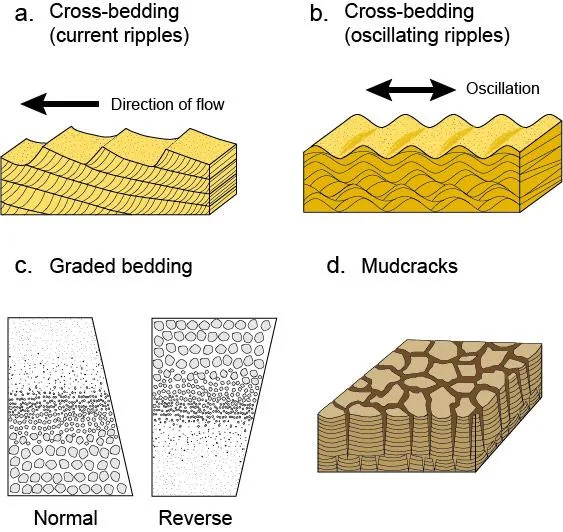
Cross-bedding consists of sets of inclined laminae bounded by surfaces that commonly truncate the foresets above or below. Each set forms as sediment moves across the crest of a bedform and accumulates on its downstream, or lee, side. As the bedform migrates, successive foresets are preserved within a thicker sedimentary unit. Cross-bedding is especially common in sandstone but also occurs in carbonate sand and some gravelly deposits.
How Cross-Bedding Forms
Water or wind moves loose sediment into ripples or dunes. Sediment transported over the crest avalanches or settles on the lee slope, forming inclined foreset laminae. Continued migration shifts the bedform forward and stacks additional laminae. Changes in flow strength, sediment supply and bedform geometry create bounding surfaces that divide one set from another.
Not every inclined layer is cross-bedding. Tectonically tilted strata, slumps and some erosion surfaces can resemble foresets. Identification requires examining the relationship between internal laminae and the surrounding bed boundaries.
Main Types of Cross-Bedding
Planar (Tabular) Cross-Bedding
Planar cross-bedding has relatively flat bounding surfaces and foresets that dip consistently in one general direction. It commonly forms from migrating two-dimensional dunes or sand waves, although natural examples may include complex internal surfaces.
Trough Cross-Bedding
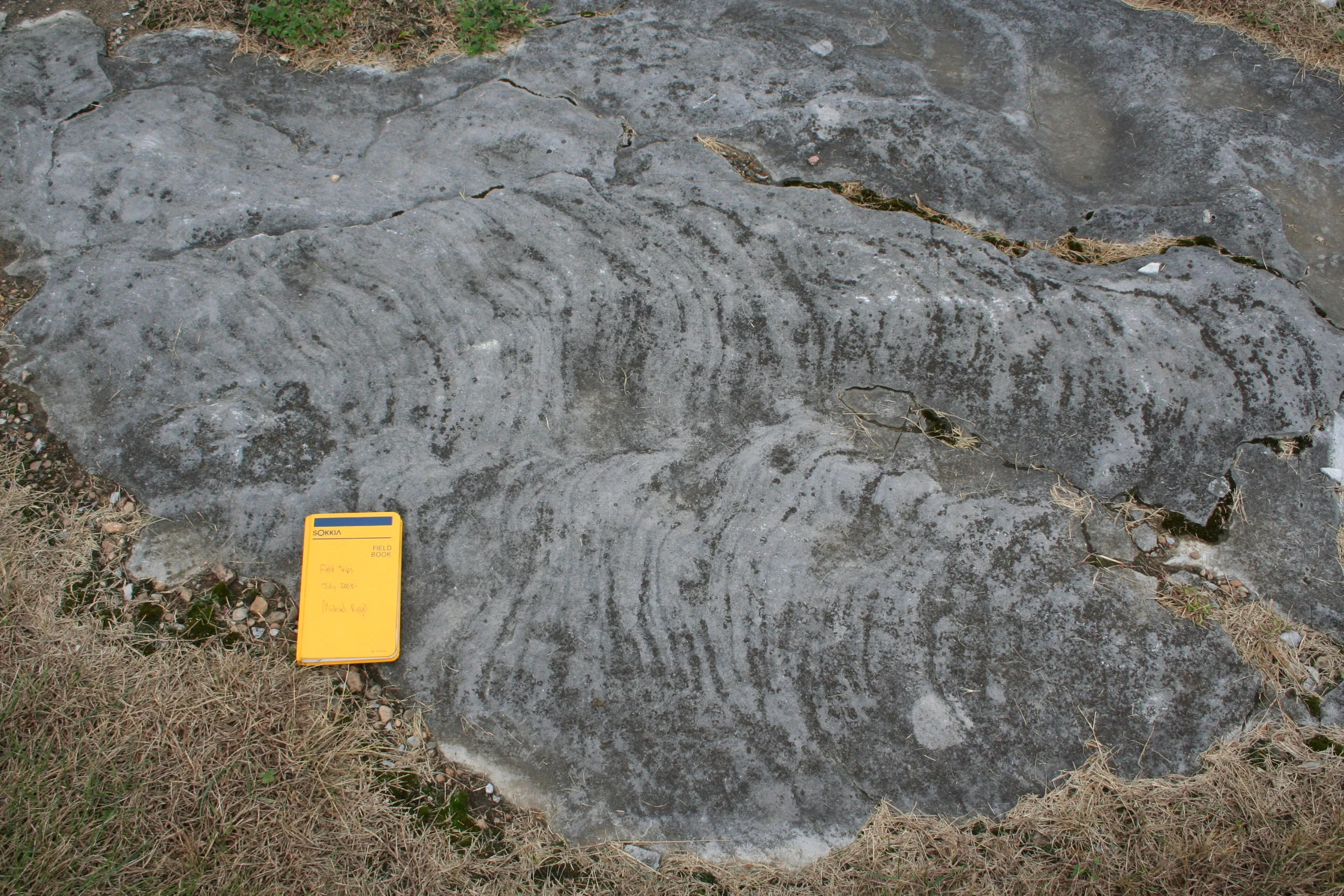
Trough cross-bedding forms in curved, scoop-shaped sets produced by three-dimensional dunes with sinuous crests. In outcrop, laminae may appear to dip in different directions depending on the orientation of the exposure. Where three-dimensional exposure permits, measure the trough-axis trend and determine flow sense from the foreset geometry. Curved foresets can yield biased mean dip directions when exposure is limited; a single vertical face generally shows only apparent dip. Record the face orientation and sample multiple independent sets before interpreting paleoflow.
Hummocky Cross-Stratification
Hummocky cross-stratification is a distinct, low-angle, gently undulating structure typically associated with combined wave and current flows during storms in shallow-marine settings. It should not be treated as ordinary dune cross-bedding.
Cross-Bedding in Rivers, Deserts and Coastal Environments
Rivers: migrating channel dunes and bars can produce cross-bedded sand and gravel. Set dimensions vary with flow depth, bedform size and sediment supply.
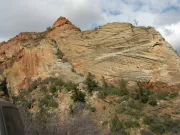
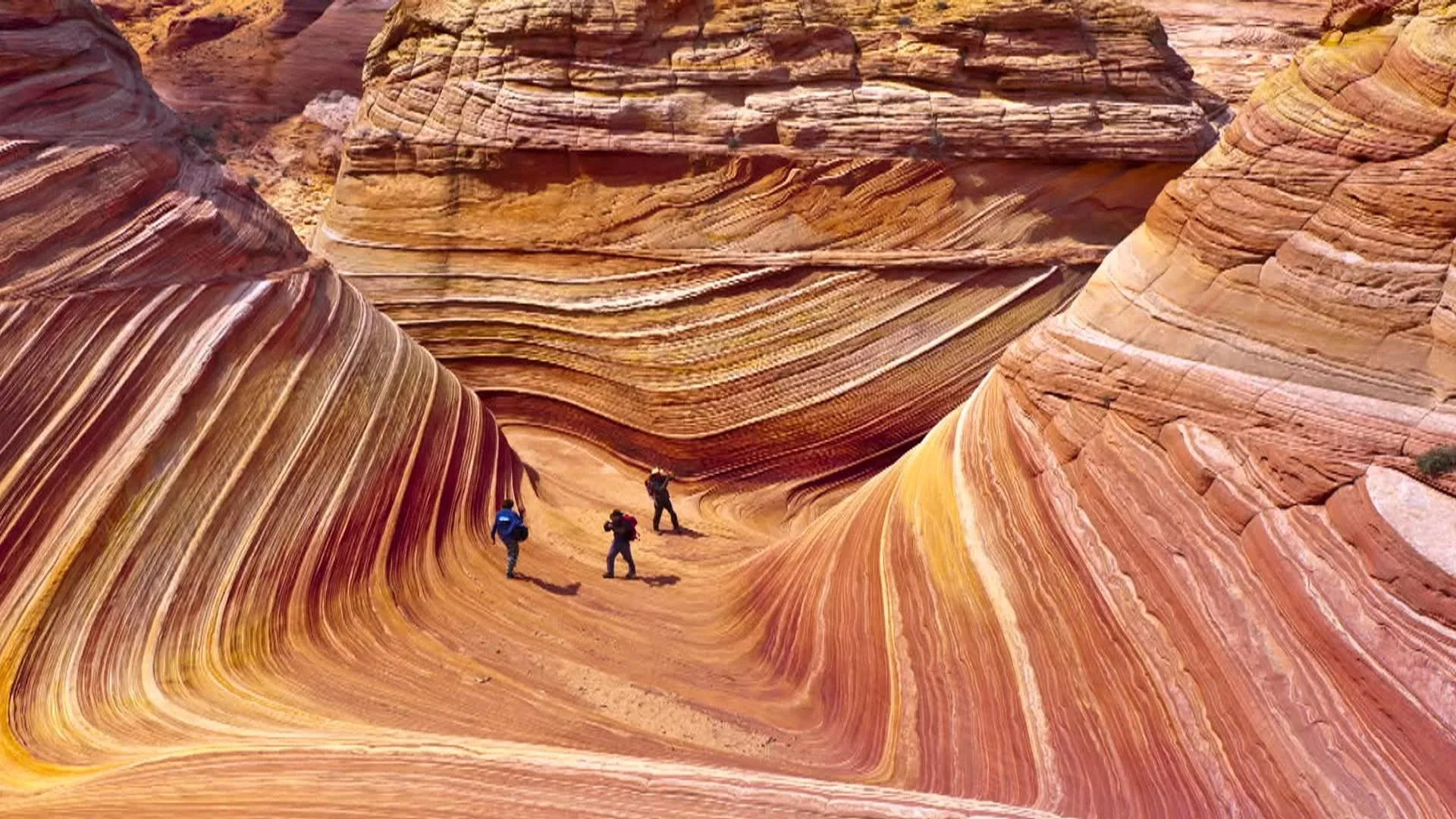
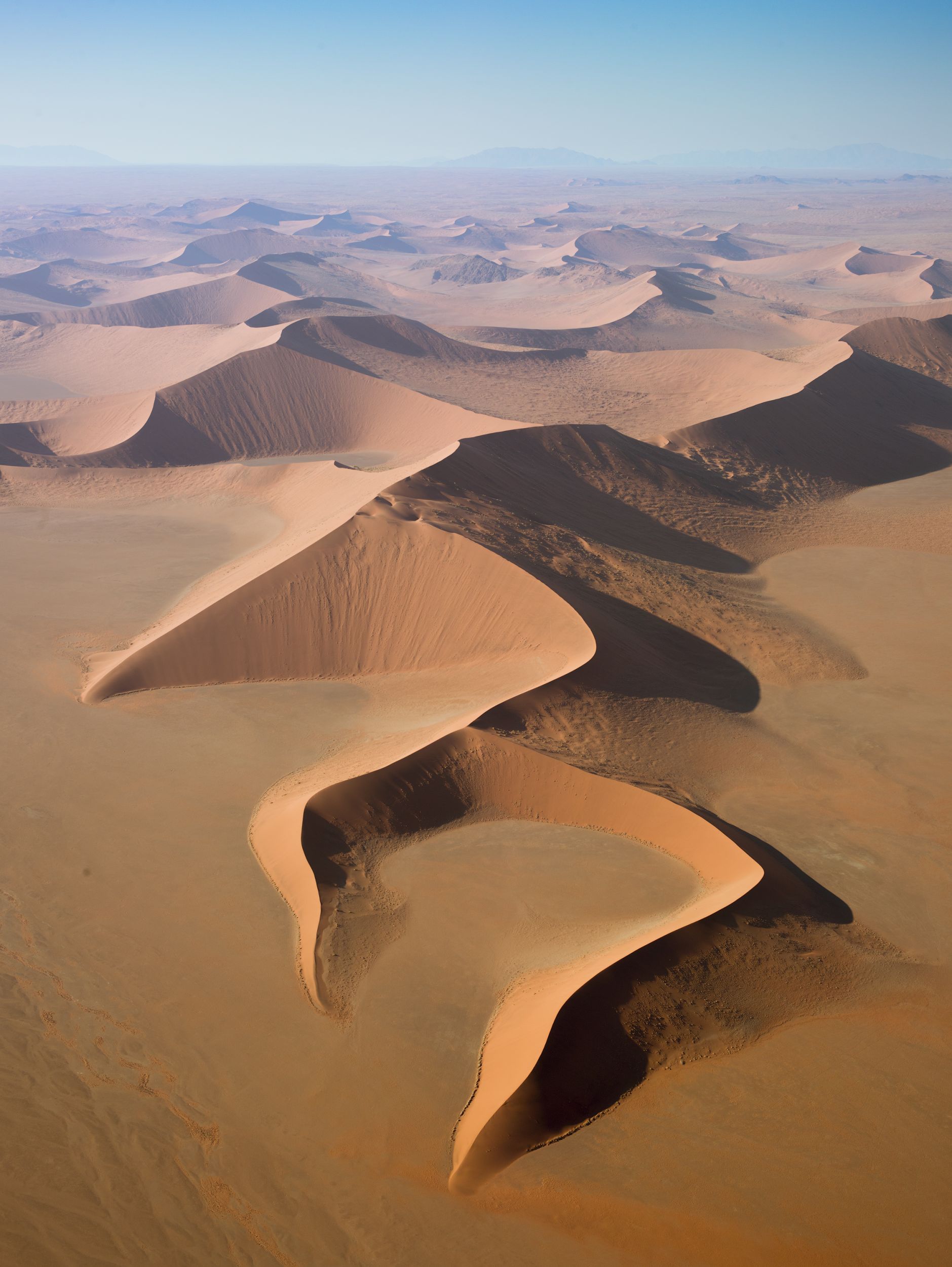
Deserts: wind-blown dunes may generate very large cross-bed sets, commonly in well-sorted sandstone. The Navajo Sandstone of the southwestern United States preserves extensive ancient eolian dune deposits.
Coasts and tidal settings: tidal currents, waves and migrating sand waves can create cross-stratification. Opposing foreset directions may indicate reversing currents, but interpretation should consider the full sedimentary facies and bounding surfaces.
How to Identify Cross-Bedding in the Field
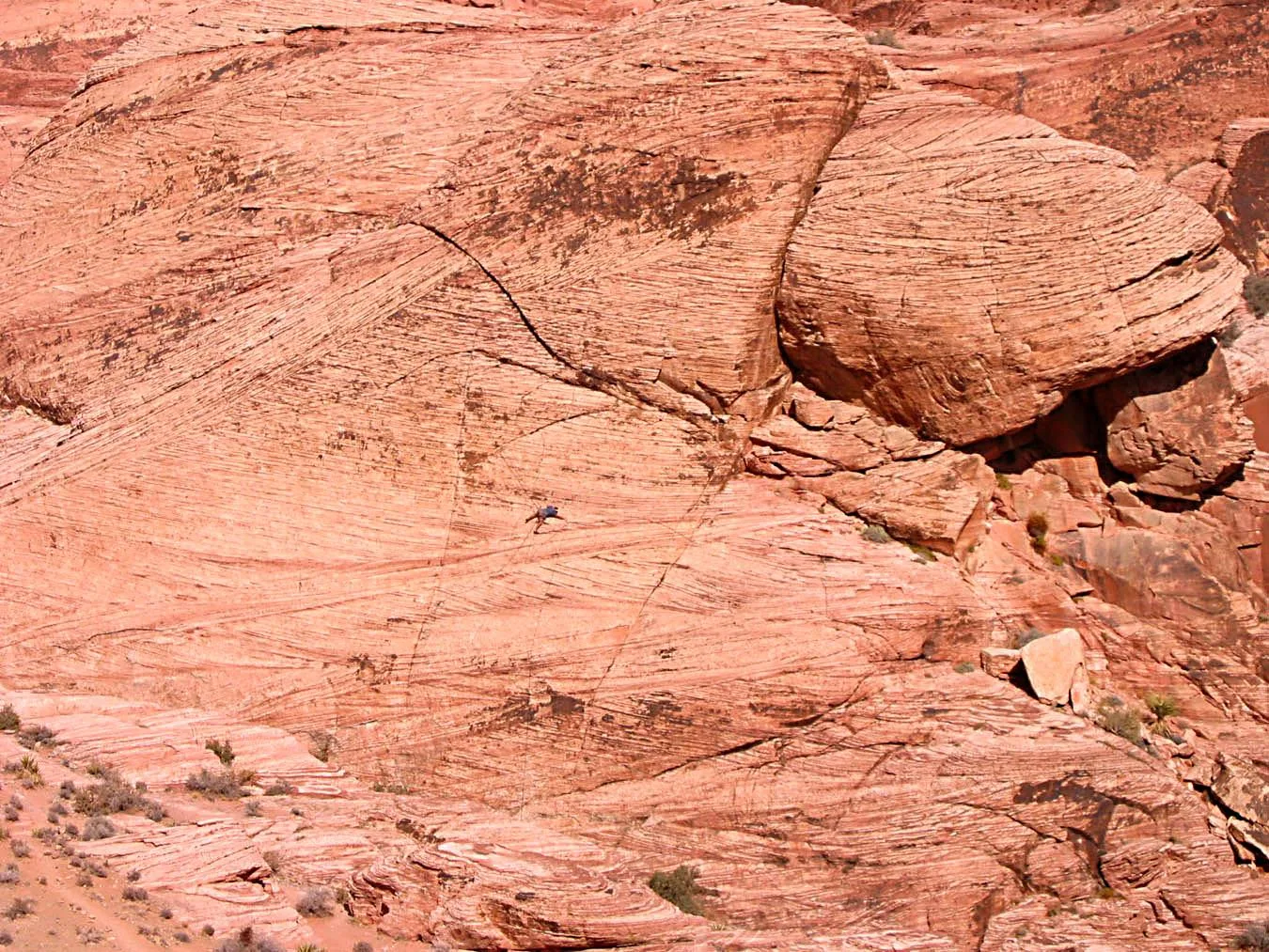
- Find the principal bedding surfaces separating major sedimentary units.
- Look for smaller inclined laminae enclosed within those larger beds.
- Check whether foresets are truncated by overlying bounding surfaces.
- Trace sets laterally to distinguish planar from curved or trough-shaped geometry.
- Record the orientation of the exposure and measure multiple foreset dips when possible.
- Compare associated grain sizes, ripple marks, mud drapes and other sedimentary structures before inferring the depositional environment.
Important: a two-dimensional cliff face can create misleading apparent dips. Three-dimensional geometry and adequate sample size are needed for dependable current-direction reconstruction.
What Cross-Bedding Reveals About Ancient Currents
Foresets generally dip in the direction of bedform migration, so their orientation can help reconstruct paleocurrent direction. However, dune migration direction is not necessarily identical to every instantaneous current direction. Reworking, tidal reversals, variable wind regimes and outcrop orientation can complicate interpretation.
Geologists collect numerous foreset measurements, correct for post-depositional tilting where appropriate, and analyze their distribution rather than relying on a single inclined layer.
Cross-Bedding vs Ordinary Bedding and Ripple Marks
| Structure | Key characteristic | Typical interpretation |
|---|---|---|
| Ordinary bedding | Primary sedimentary layers separating depositional events | Changes in sediment accumulation |
| Cross-bedding | Inclined internal laminae within larger beds | Migration of dunes or other bedforms |
| Ripple marks | Small ridges and troughs on bedding surfaces | Current or wave action at the sediment surface |
| Cross-lamination | Small-scale inclined laminae, often produced by ripples | Migration of smaller bedforms |
Cross-lamination and cross-bedding form by related processes but differ in scale and bedform geometry. The scale boundary is descriptive, not a universal environmental threshold.
Bounding Surfaces and Set Geometry

Cross-bed sets are separated by erosion or reactivation surfaces that record changes in dune shape, migration or flow. In eolian sandstones, first-order bounding surfaces may represent dune-field accumulation, whereas smaller internal surfaces record superimposed dunes or changes in slip-face activity. Set thickness should not be equated directly with the full original height of a dune because subsequent erosion commonly removes part of the deposit.
Field Measurement and Paleocurrent Analysis
In planar cross-bedding, measure the true dip and dip direction of representative foresets using a compass-clinometer, and record the exposure orientation. For trough cross-bedding, preferentially measure the trough axis where its geometry is visible in three dimensions; use foresets to establish the direction of migration along that axis. Individual curved foresets can differ substantially from the axial direction. Record bed boundaries, set thickness, grain size and stratigraphic position; where beds were tectonically tilted, restore them to their original orientation before comparing paleocurrents.

Modern Analogue: Migrating Sand Dunes
Modern dunes illustrate how transport across a crest and deposition on a lee slope generate inclined layers. Preservation requires net sediment accumulation and burial; many surface ripples and dune forms are eroded before lithification. Thus, preserved cross-bedding records a selective history of deposition rather than every stage of bedform migration.
Geological Significance
Cross-bedding is useful for interpreting ancient depositional environments, estimating paleoflow patterns and recognizing sedimentary way-up indicators when foresets are truncated at their upper boundaries. It also provides evidence for the migration of ancient rivers, coastal sand bodies and desert dunes. In reservoir geology, cross-bedded units can create directional variations in permeability because grain size and laminae vary within a bed.
Frequently Asked Questions
Is cross-bedding the same as tilted rock layers?
No. Cross-bedding is an original sedimentary structure inside a larger bed, while tectonic tilting changes the orientation of the entire rock package after deposition.
Does cross-bedding occur only in sandstone?
No. It is common in sandstone but can also form in carbonate sands and some gravelly sediments where migrating bedforms develop.
Can cross-bedding show which way a river flowed?
It can help estimate ancient sediment transport direction, especially when many foreset measurements are combined with other field evidence.
What is the difference between cross-bedding and cross-lamination?
Both consist of inclined internal layers produced by bedform migration. Cross-lamination generally refers to smaller-scale structures associated with ripples, while cross-bedding commonly describes larger dune-generated sets.
Related Geology
See sedimentary structures and textures and sandstone for broader context.
References
USGS – Cross-Bedding, Bedforms, and Paleocurrents: Bedform Geometry; Encyclopaedia Britannica: Cross-bedding. Field interpretations should consider bedform geometry, associated facies and post-depositional deformation. See also Slingerland and Williams (1979), Paleocurrent Analysis in Light of Trough Cross-Stratification Geometry.