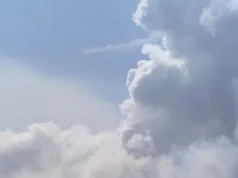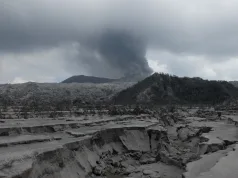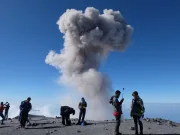












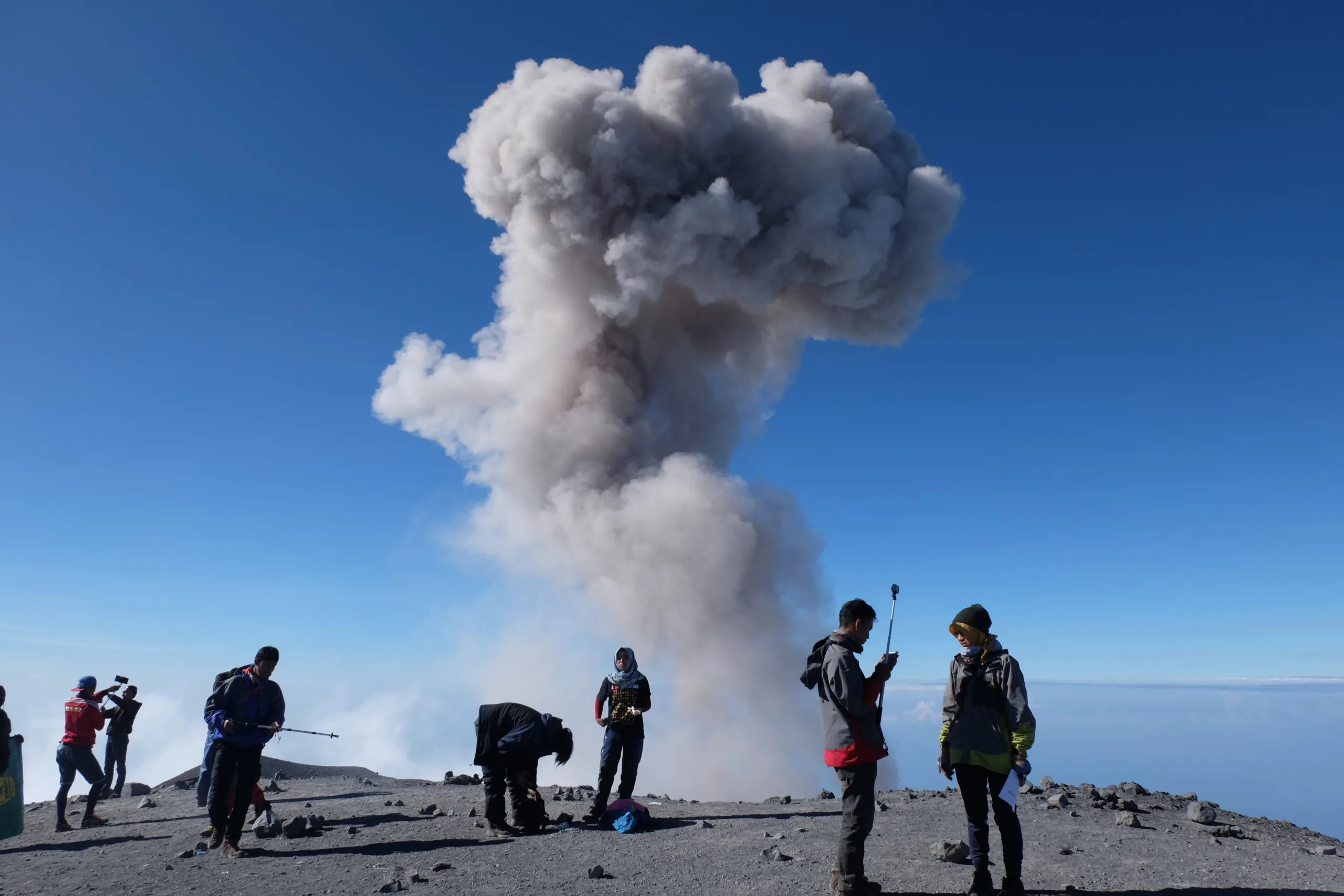
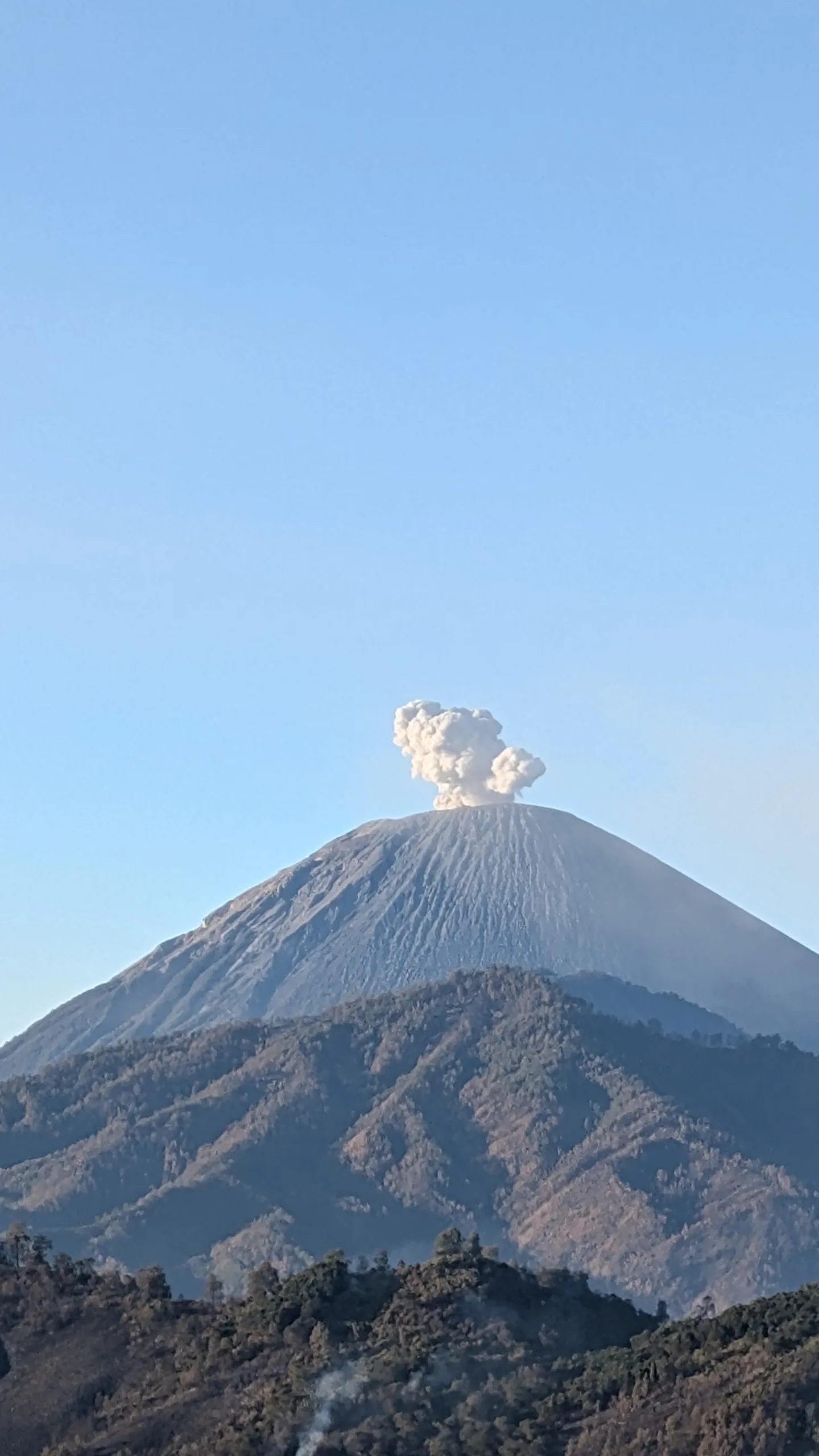
Mount Semeru in East Java, Indonesia, registered at least five eruptive events on November 21, 2026. Local reporting based on Indonesia’s MAGMA monitoring data documented continued activity at the volcano, which remained at the third level of the country’s four-tier volcanic alert system.
Repeated explosions on November 21
According to Mitigasi’s report citing PVMBG, the fifth event reported that day occurred at 19:19 Western Indonesian Time. At that reporting cutoff, monitoring data listed 50 eruptive events over the preceding seven days. The height of the ash column during the evening event was not observed. These figures reflect a reporting snapshot rather than a final daily count.
Why Semeru is repeatedly active
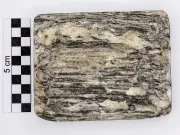
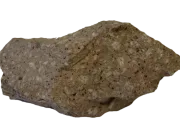
Semeru is a steep composite volcano in the Sunda volcanic arc. Oceanic lithosphere descends beneath the region, releasing fluids that promote partial melting in the overlying mantle. Magma ascends through the crust and feeds eruptions. Semeru’s volcanic products include basaltic andesite and andesite, compositions that can sustain explosive activity when gas becomes trapped in rising magma.
Ashfall, pyroclastic flows and lahars
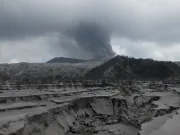
The principal hazards include falling ash, hot mixtures of gas and volcanic debris moving down slopes, and sediment-rich flows that travel along river channels. Rainfall may remobilize unconsolidated ash even after an explosion ends. Steep ravines help concentrate such flows and can extend hazards far beyond the summit.
Monitoring and volcanic alert status
PVMBG maintained Level III (Siaga). As reported on November 21, restrictions included a five-kilometre radius around the crater and a thirteen-kilometre exclusion zone along the southeastern Kobokan drainage, with additional restrictions near riverbanks farther downstream. These are dated official recommendations, not a guarantee of safety outside the zones. Residents and visitors should consult current MAGMA Indonesia notices.
Repeated explosive events at an already active volcano do not necessarily indicate that a substantially larger eruption is imminent. Monitoring changes in seismicity, deformation and eruptive behavior remains essential. For geological background, see the volcanology archive.
Sources
Mitigasi, November 21, 2026 (PVMBG monitoring data) · Smithsonian Global Volcanism Program: Semeru