














Natural Hazards
Welcome to our Natural Hazards page, where you can learn about the various hazards that pose a threat to our natural environment and society. Natural hazards are events or processes that occur naturally and can cause harm to humans, animals, and property. These hazards can take many forms, including geological events such as earthquakes, volcanic eruptions, landslides, and tsunamis, as well as weather-related events such as hurricanes, tornadoes, floods, and droughts.Understanding the nature of natural hazards and their potential impacts is crucial in developing strategies to mitigate their effects. Our Natural Hazards page provides an overview of the different types of hazards, their causes, and the methods used to monitor, predict, and respond to them.Our page also highlights the importance of preparedness and resilience in the face of natural hazards, providing guidance on emergency planning, risk assessment, and hazard mitigation strategies.We hope that this page will increase your awareness and understanding of natural hazards, and empower you to take action to protect yourself, your community, and the environment in which we all live.

Landslides
A landslide is a form of mass extinction involving a variety of earth movements such as rockfalls, deep slope failure, and shallow debris. Landslides...
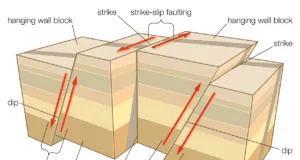
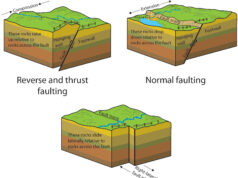
Fault and Types of Faults
Fault is a fracture or crack where two rock blocks slide past one to another. If this movement may occur rapidly, it can be causes earthquike or slowly, in the form of creep.Types of faults include strike-slip faults, normal faults, reverse faults, thrust faults, and oblique-slip faults.

10 Most Powerful Earthquakes in Earth’s Recorded History
When the Planet Trembles: The Most Devastating Quakes Ever MeasuredEarthquakes are among the most awe-inspiring — and terrifying — natural phenomena on our planet....
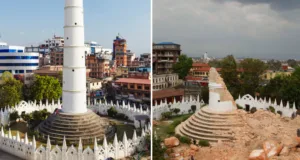
Earthquakes & Seismicity: How the Earth Breaks, Moves, and Releases Energy
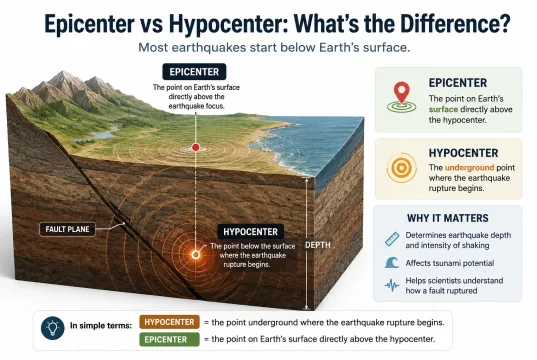
Earthquakes are natural geological phenomena that occur when there is a sudden release of energy in the Earth's crust, resulting in seismic waves. These...