

Geology Questions & Answers

Home Geology Questions & Answers

The Geology Questions & Answers section provides clear, direct explanations for the most common questions about Earth and its processes. From the formation of rocks and minerals to the mechanics of plate tectonics, this category helps students and enthusiasts understand key geology concepts quickly and easily. Each Q&A entry breaks down complex topics into simple, accurate, and accessible explanations.

Whether you’re preparing for school, exploring geology as a hobby, or simply curious about how the Earth works, these articles offer straightforward, science-based answers. Learn how mountains form, why earthquakes occur, how minerals are identified, what fossils reveal about ancient life, and how geologists study our planet’s structure.

This category is designed to be a reliable, easy-to-read resource for anyone seeking foundational geological knowledge.
Can animals detect earthquakes?

Yes, some animals can detect earthquakes. There have been many reports of animals behaving strangely before earthquakes, such as dogs barking excessively or cats...

Why is the world so cold when it’s closest to the sun in January?

This is definitely a question that would be asked by someone in the Northern Hemisphere, since January in the Southern Hemisphere is definitely...

What are some subdivisions of geology?

Geology is a vast field, stretching from paleontology to mineralogy. It is easy to see why, since there are so many features and processes...
Tōhoku Earthquake

Why do earthquakes cause so much damage?

Earthquakes can cause a significant amount of damage due to a combination of factors, including the intensity and duration of the shaking, the type...

Why is water important to geology?

Water is important to geology for a number of reasons. Some of the key ways in which water impacts geology include:Water plays a key...
James Hutton

Who are the famous geologists in history?

Geology is a science of earth. There are many geoscientists from past to present. These people have made great contributions to today's modern geology.Georgius...

How do geologists determine the age of rocks?

Geologists determine the age of rocks through a field of study known as geochronology, which involves various methods to quantify the timing of geological...

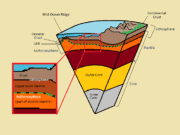
The Earth’s Layers

Our planet may look calm from the surface, but deep beneath our feet lies a world of incredible complexity and motion. The Earth is...

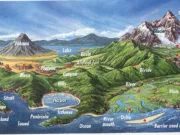
What are the types of mountain

A mountain is a large natural elevation of the earth's surface that rises sharply from the surrounding land. Mountains are typically higher and steeper...

What is Geology ?

Geology is the study of the Earth. Like so many scientific words, "geology" is constructed from root words dating back to ancient times: geo comes from the Creek word meaning "the Earth"; it is a prefix used in other related fields, too, such as geography, geodesy, and geophysics. The alogy suffix comes from the Creek logos, meaning "discussion," and is roughly translated as "the study of."

What is erosion?

Erosion is the process by which the surface of the Earth is worn away by the action of natural forces, such as water, wind,...

How old is the science of geology?

Although the science of geology as we know it today is a relatively young field, insightful observations of Earth processes were made as...

Amethyst