























Carbonation is a chemical weathering process involving carbon dioxide dissolved in water. The resulting weakly acidic water reacts with minerals, especially calcite in limestone and marble. Carbonation can enlarge rock fractures, transport dissolved material and contribute to the formation of caves, sinkholes and other karst features.
How Carbonation Weathering Works
Rainwater absorbs atmospheric carbon dioxide, and water passing through soil can acquire additional CO₂ produced by roots and microorganisms. Dissolved CO₂ participates in equilibria that produce carbonic acid and hydrogen ions.
Carbonic acid formation: CO₂ + H₂O ⇌ H₂CO₃
Calcite dissolution (net reaction): CaCO₃ + CO₂ + H₂O ⇌ Ca²⁺ + 2HCO₃⁻
Calcium and bicarbonate can be transported in groundwater or rivers. The reaction depends on water chemistry, carbon dioxide availability, mineral saturation and flow. Water that has reached calcite saturation does not necessarily continue dissolving limestone.
Carbonation of Limestone and Other Rocks
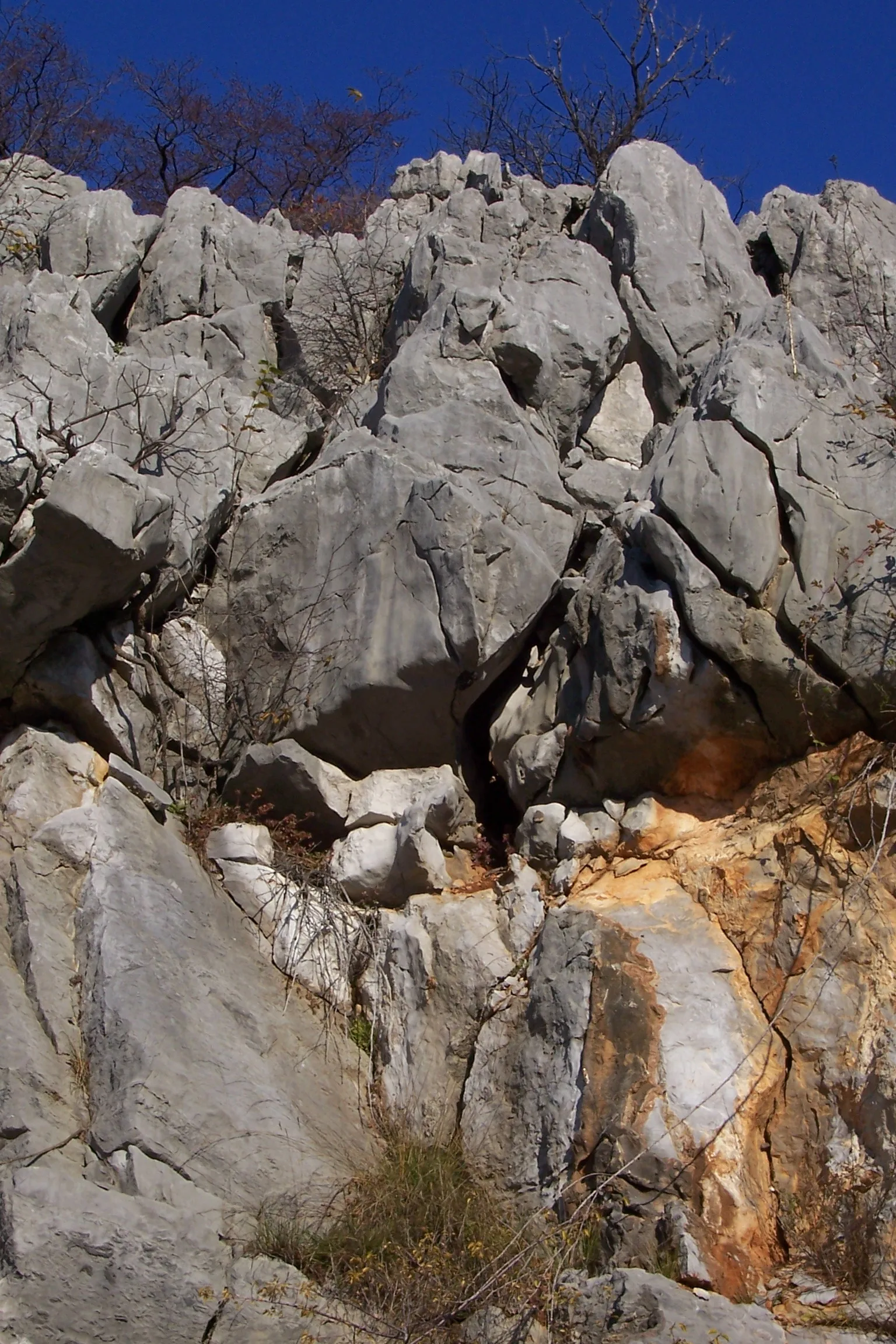
Calcite-rich limestone is especially susceptible to dissolution by carbonic acid. Dolomite can also dissolve, although reaction rates and water chemistry may differ. Carbonic acid contributes to silicate weathering as well, including reactions that release cations and produce secondary minerals. The mineral reactions are not identical to calcite dissolution.
Karst Landscapes and Caves
Dissolution is often concentrated along fractures, bedding planes and other pathways that admit water. As openings grow, drainage can become increasingly focused underground. Over time, interacting dissolution and erosional processes may produce limestone pavements, underground conduits, caves and sinkholes.
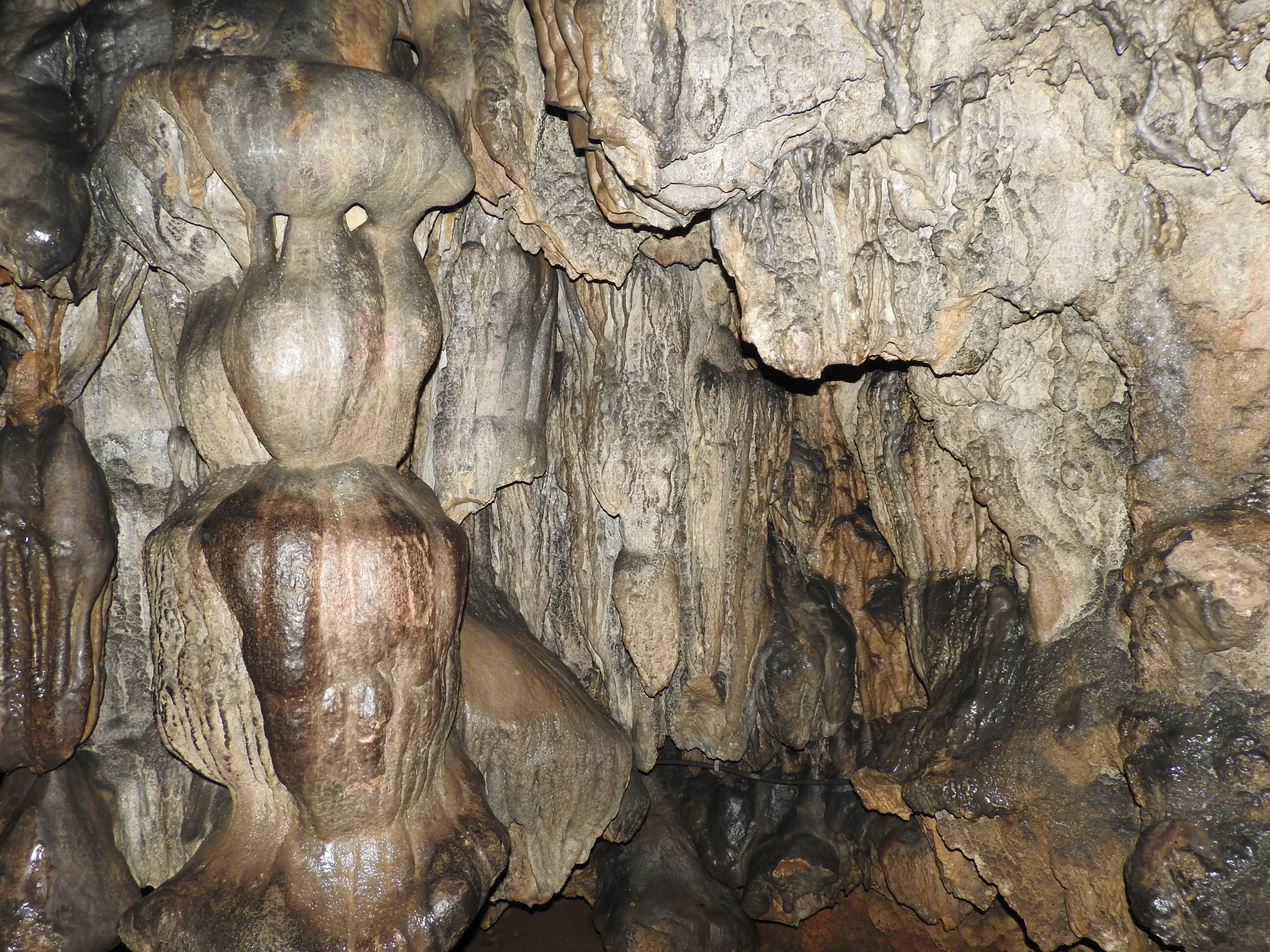
Cave deposits illustrate the reverse reaction: when calcium-rich water loses CO₂ and becomes supersaturated, calcite may precipitate. Dissolution and precipitation can occur in different parts of the same groundwater system.
Factors Controlling Carbonation
Water and CO₂ supply: moisture and soil respiration influence carbonic acid availability.
Rock mineralogy: calcite, dolomite and silicate minerals have different dissolution behavior.
Fractures and surface area: greater contact between water and minerals can increase reaction opportunities.
Flow, temperature and saturation: these affect reaction kinetics and equilibrium. A warm, wet climate may promote weathering, but the effect of temperature alone is not universal.
Carbonation and the Global Carbon Cycle
Carbonate dissolution by carbonic acid consumes CO₂ during weathering. If the dissolved products subsequently precipitate as marine calcium carbonate, CO₂ is released again. Consequently, carbonate weathering is not necessarily a permanent atmospheric carbon sink. Silicate weathering coupled with carbonate burial can contribute to long-term net CO₂ removal. Mineral carbonation, in which CO₂ is incorporated into solid carbonate minerals, is a related but distinct process.
Carbonation vs Other Weathering Processes
Unlike mechanical weathering, carbonation alters minerals through chemical reactions. Hydrolysis, oxidation and dissolution by other acids are additional chemical mechanisms. See Weathering Types and Regolith for related processes.
Frequently Asked Questions
Is carbonation physical or chemical weathering?
It is chemical weathering because reactions change minerals and dissolve material.
Does carbonation only affect limestone?
No. Carbonic acid also participates in weathering of dolomite and silicate minerals, through different reactions.
Does carbonation cause all caves?
No. Many limestone caves form through carbonic acid dissolution, but other acids and processes can create caves in different settings.
Scientific References
USGS — Carbonate-rock aquifers
USGS — Natural processes of groundwater and surface-water interaction
Carbonates in the Critical Zone — Earth’s Future
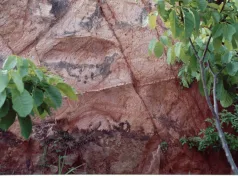
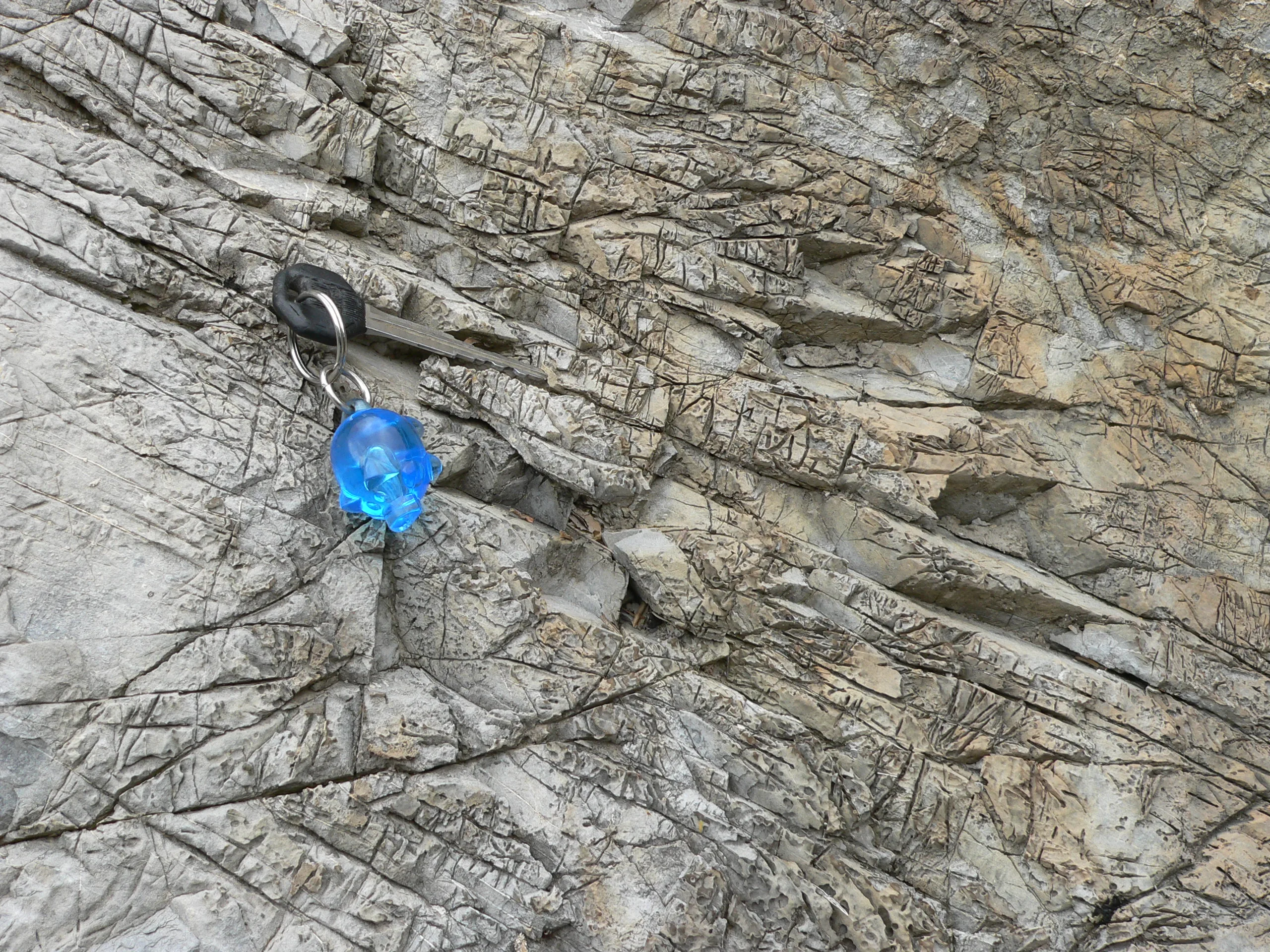
Featured photograph: limestone dissolution in the Gorges du Guil, France; Wikimedia Commons source, CC BY-SA 3.0.