













Ore Minerals
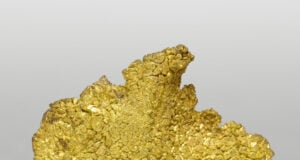
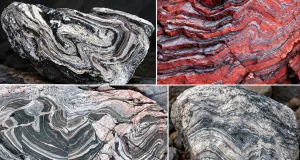
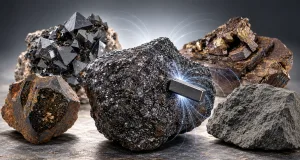
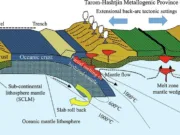
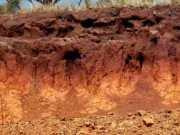
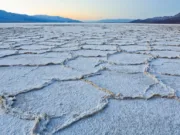
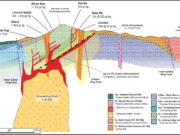
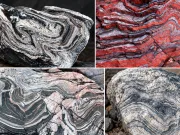
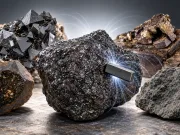
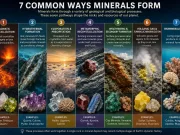
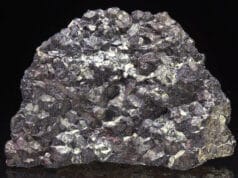
Ore minerals are those naturally occurring minerals or mineral assemblages that contain valuable metals or elements in concentrations high enough to make extraction economically worthwhile. They form through a variety of geological processes—magmatic crystallisation, hydrothermal fluid circulation, sedimentary deposition or metamorphic re-mobilisation—and are found in locations like veins, layers, massive sulphide zones or lateritic caps. Recognising ore minerals means more than spotting a shiny metal: it’s about reading the geological story of how metals were transported, concentrated and trapped. For geologists and mining engineers this knowledge is critical during exploration, evaluation and mine development, and for site professionals it matters because the presence of ore-bearing rock may influence rock mechanics, drilling behavior, groundwater chemistry or even environmental risk. In this category you’ll explore how ore minerals form, how to identify the major groups (like sulphides, oxides, native metals, and industrial minerals), how their textures and host-rock relationships tell you about the deposit’s history, and why understanding ore-minerals gives you both the deep geology behind a resource and the practical insights needed for site work, mining operations and geotechnical planning.
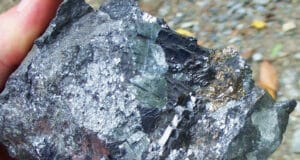
Lead (Pb) Ore
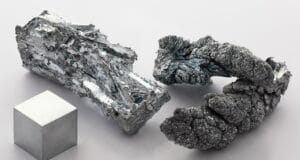
Zinc (Zn) Ore
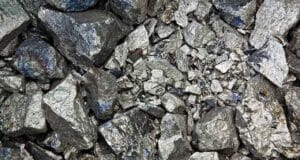
Nickel (Ni) Ore
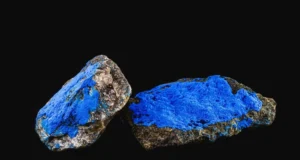
Cobalt (Co) Ore