







Rocks
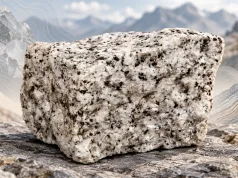
We all know that the rock is right. Locals everywhere! They and the mountains and canyons you can not help. We sipped, we sat on them, and we poured them out of our deals. However, to correct a definite definition … this is not something we all will be doing.

Pyroxenite
Pyroxenite is an ultramafic igneous rock that contain pyroxene group minerals such as augite, diopside, hypersthene, bronzite or enstatite. This is a coarse-grained rock...

Catlinite (Pipestone)
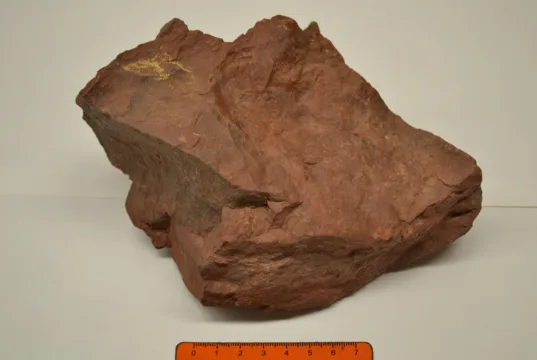
Catlinite, also known as pipestone, is a type of claystone prized by Native American tribes for its unique properties and cultural significance. It is...
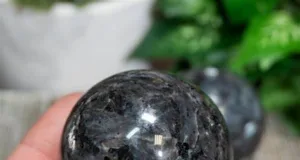
Larvikite
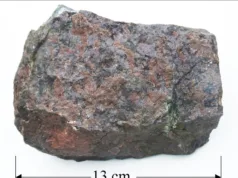
Larvikite is a unique and visually striking igneous rock that belongs to the family of feldspar-rich plutonic rocks known as syenites. It is primarily...

Marl
Marl or the other name Marlstone is a calcium carbonate non-clastic sedimentary rock. It has containt variable of clays and silt. The dominant carbonate...

Shale
Shale is the quiet giant of the sedimentary world. It doesn’t have the visual drama of sandstone cliffs or the crystalline sparkle of limestone...
Metamorphic Rocks: Foliation, Lineation, and Metamorphic Grades
The Transformation of Rocks Under PressureMetamorphic rocks are the result of an incredible transformation. When existing rocks—whether igneous, sedimentary, or even older metamorphic rocks—are...

Coquina
Coquina is a sedimentary rock that is primarily composed of fragmented shell and coral debris. The name "coquina" is derived from the Spanish word...

Granulite
Granulites are a type of high-grade metamorphic rock that forms under conditions of high temperature and pressure. They are characterized by the presence of...
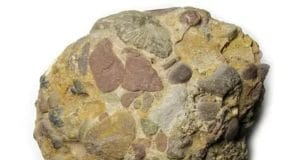
Conglomerate
Conglomerateis a sedimentary rock shaped from rounded gravel and boulder sized clasts cemented collectively in a matrix. The rounding of the clasts indicates that they've been transported a long way from their authentic source (e.G. Through a river or glacier), or that they've resided in a high energy surroundings for a while

Flint
Flint is a naturally occurring sedimentary rock composed primarily of microcrystalline quartz, or silicon dioxide (SiO2). It is renowned for its historical significance and...
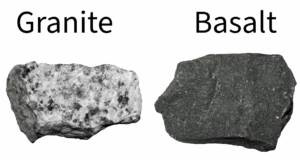
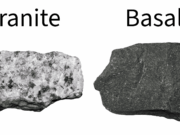
Basalt vs Granite – Key Differences
Basalt and granite are among the most common and important igneous rocks on Earth. Both form from molten magma, but under very different conditions.Basalt...

Granodiorite
Granodiorite is a phaneritic-textured intrusive igneous rock similar to granite, but containing more plagioclase feldspar than orthoclase feldspar. According to the QAPF diagram, granodiorite has a greater than 20% quartz by volume, and between 65% to 90% of the feldspar is plagioclase. A greater amount of plagioclase would designate the rock as tonalite.