


















Natural Hazards
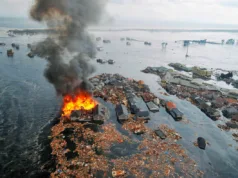
Welcome to our Natural Hazards page, where you can learn about the various hazards that pose a threat to our natural environment and society. Natural hazards are events or processes that occur naturally and can cause harm to humans, animals, and property. These hazards can take many forms, including geological events such as earthquakes, volcanic eruptions, landslides, and tsunamis, as well as weather-related events such as hurricanes, tornadoes, floods, and droughts.Understanding the nature of natural hazards and their potential impacts is crucial in developing strategies to mitigate their effects. Our Natural Hazards page provides an overview of the different types of hazards, their causes, and the methods used to monitor, predict, and respond to them.Our page also highlights the importance of preparedness and resilience in the face of natural hazards, providing guidance on emergency planning, risk assessment, and hazard mitigation strategies.We hope that this page will increase your awareness and understanding of natural hazards, and empower you to take action to protect yourself, your community, and the environment in which we all live.
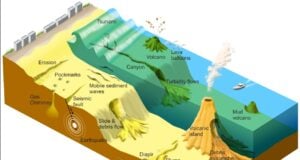
Can Geological Disasters Trigger Each Other?
At first glance this question seems bit exaggerated. Earthquake is separate event, volcanic eruption is separate, landslide or tsunami are completely different things. Most...

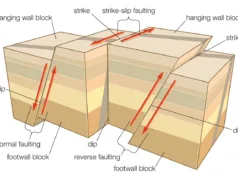
Types of Faults and How They Trigger Earthquakes
Earthquakes are not random, mysterious shakes coming from somewhere beneath our feet. They are the direct result of how Earth’s crust breaks, bends, locks,...
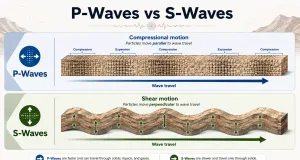
P-Waves vs S-Waves: What’s the Difference?
When an earthquake occurs, the ground does not shake in just one way. The energy released at the earthquake source travels through and along...
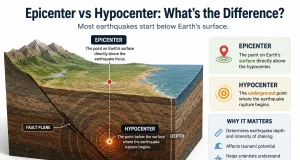
Epicenter vs Hypocenter: What’s the Difference?
When an earthquake is reported, one of the first locations mentioned is usually the epicenter. It appears as a point on a map and...