
















Natural Hazards
Welcome to our Natural Hazards page, where you can learn about the various hazards that pose a threat to our natural environment and society. Natural hazards are events or processes that occur naturally and can cause harm to humans, animals, and property. These hazards can take many forms, including geological events such as earthquakes, volcanic eruptions, landslides, and tsunamis, as well as weather-related events such as hurricanes, tornadoes, floods, and droughts.Understanding the nature of natural hazards and their potential impacts is crucial in developing strategies to mitigate their effects. Our Natural Hazards page provides an overview of the different types of hazards, their causes, and the methods used to monitor, predict, and respond to them.Our page also highlights the importance of preparedness and resilience in the face of natural hazards, providing guidance on emergency planning, risk assessment, and hazard mitigation strategies.We hope that this page will increase your awareness and understanding of natural hazards, and empower you to take action to protect yourself, your community, and the environment in which we all live.

10 World’s Most Famous Sinkholes
Across the surface of our planet lie mysterious gateways into the Earth — vast circular depressions known as sinkholes.Formed by the slow dissolution of...

Anatomy of a Tsunami
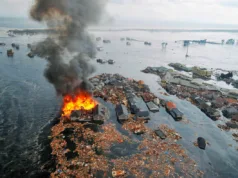
A tsunami, often referred to as a seismic sea wave, is a powerful and destructive natural phenomenon that can have devastating effects on coastal...

10 Countries With The Most Earthquakes
Earthquakes, the result of the Earth's dynamic and ever-shifting tectonic plates, have the potential to unleash immense energy and shape the landscapes of the...
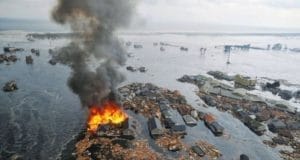
Why do earthquakes cause so much damage?
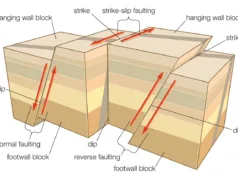
Earthquakes can cause a significant amount of damage due to a combination of factors, including the intensity and duration of the shaking, the type...

Lahar
A lahar is a type of volcanic mudflow that consists of a mix of water, rocks, and volcanic debris. Lahars are formed when a...

World’s Most Deadly Tsunamis
The 2004 Indian Ocean Tsunami is considered one of the deadliest tsunamis in recorded history. It was caused by a magnitude 9.1 earthquake off...

Coastal Erosion
Coastal erosion is the wearing away of land and the removal of beach or dune sediments by wave action, tidal currents, wave currents, drainage,...

Avalanche
An avalanche is a rapid flow of snow down a slope, often triggered by the movement of the snowpack or by external factors such...

The Great Shake: Examining Historical Earthquakes
"The Great Shake" is a phrase commonly used to describe significant earthquakes throughout history and their profound impact on societies, geology, and the environment....

Mount Ruang
Mount Ruang, also known as Gunung Ruang, is an intriguing and active stratovolcano located in the Sangihe Islands of North Sulawesi, Indonesia. It is...

10 Most Deadliest Earthquakes in Earth History
When discussing the most devastating natural disasters in Earth's history, earthquakes often top the list. These seismic events, caused by the sudden release of...
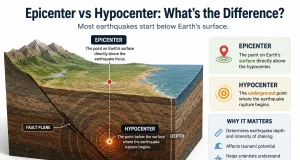
Epicenter vs Hypocenter: What’s the Difference?
When an earthquake is reported, one of the first locations mentioned is usually the epicenter. It appears as a point on a map and...