

















Natural Hazards
Welcome to our Natural Hazards page, where you can learn about the various hazards that pose a threat to our natural environment and society. Natural hazards are events or processes that occur naturally and can cause harm to humans, animals, and property. These hazards can take many forms, including geological events such as earthquakes, volcanic eruptions, landslides, and tsunamis, as well as weather-related events such as hurricanes, tornadoes, floods, and droughts.Understanding the nature of natural hazards and their potential impacts is crucial in developing strategies to mitigate their effects. Our Natural Hazards page provides an overview of the different types of hazards, their causes, and the methods used to monitor, predict, and respond to them.Our page also highlights the importance of preparedness and resilience in the face of natural hazards, providing guidance on emergency planning, risk assessment, and hazard mitigation strategies.We hope that this page will increase your awareness and understanding of natural hazards, and empower you to take action to protect yourself, your community, and the environment in which we all live.

Turkey–Syria Earthquake 2023
The 2023 Turkey–Syria earthquake was a 7.8 magnitude earthquake that struck southern and central Turkey and northern and western Syria on February 6, 2023....
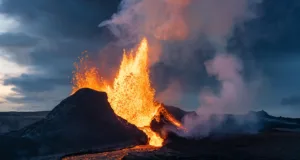
Fagradalsfjall Volcano, Iceland
https://youtu.be/KOhsOKacb-4The Fagradalsfjall volcano is situated on the Reykjanes Peninsula in Iceland, a region known for its remarkable geological and geothermal features. The Reykjanes Peninsula...

Tsunami Mitigation and Engineering Solutions
A tsunami, also known as a seismic sea wave, is a series of ocean waves with extremely long wavelengths and high energy. These waves...

10 World’s Deadliest Natural Disasters
Natural disasters have been an integral part of Earth's history, leaving a lasting impact on communities and landscapes. These events, often beyond human control,...

Deadliest Avalanches In the World History
Avalanches are natural disasters that occur when a mass of snow, ice, and rock slides down a slope. They can be triggered by a...
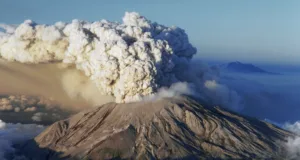
Mount St. Helens Volcano, Washington, USA
Mount St. Helens is a stratovolcano located in the Pacific Northwest region of the United States. It is part of the Cascade Range and...
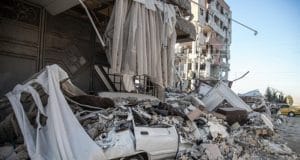
Causes and Measurements of Earthquakes
Earthquakes are one of the most powerful and destructive natural disasters that can occur on our planet. They are caused by the movement of...
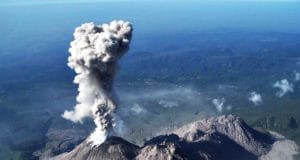
The history of volcanic eruptions
The history of volcanic eruptions goes back billions of years, as volcanoes have been a natural part of the Earth's landscape for much of...
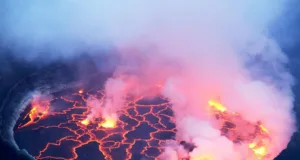
Mount Nyiragongo, Congo
Mount Nyiragongo is an active stratovolcano located in the eastern part of the Democratic Republic of the Congo (DRC), within the Virunga National Park....

Can animals detect earthquakes?
Yes, some animals can detect earthquakes. There have been many reports of animals behaving strangely before earthquakes, such as dogs barking excessively or cats...

Tsunami Warning Systems and Preparedness
Tsunamis, often triggered by undersea earthquakes or volcanic eruptions, can unleash devastating waves that pose a significant threat to coastal communities. The sheer force...

Nepal (Gorkha) Earthquake 2015
The 2015 Nepal earthquake, also known as the Gorkha earthquake, was a devastating seismic event that struck Nepal on April 25, 2015. It was...