





Silicate Minerals
Silicate minerals are by far the most abundant minerals on our planet, forming in effect the vast bulk of Earth’s crust and mantle thanks to their fundamental silicon-oxygen tetrahedral unit (SiO₄) and its countless ways of linking, sharing oxygens and accommodating various metal cations—whether magnesium, iron, aluminium, sodium or potassium. In simpler terms: you have tiny SiO₄ tetrahedra that may float alone (as in olivine), link into chains (pyroxenes), double-chains (amphiboles), sheets (micas and clays) or full 3-D frameworks (feldspars and quartz), and every structural variation changes how the mineral behaves, where it forms and how it breaks apart or weathers. Because silicates are so versatile, they show up in igneous, metamorphic and sedimentary rocks, drive engineering and geotechnical issues (think: clay swelling, feldspar weathering), and carry stories of tectonics, temperature, pressure and fluid flows. In this category you'll explore not just the chemistry and crystal architectures of silicates, but also how recognizing groups like olivine, pyroxene, mica or feldspar in the field or core can tell you about geological history, site behaviour or material performance—and why as a geologist, engineer or site-practitioner this matters deeply.
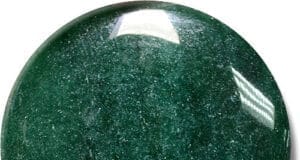
Aventurine
Aventurine is a type of quartz characterized by its unique sparkling or shimmering effect, known as aventurescence. It is a popular gemstone and is...
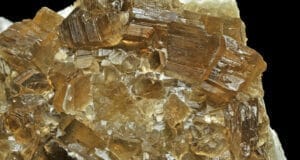
Phlogopite
Phlogopite is a member of mica group family of phyllosilicates mineral. Color is a yellow, greenish, or reddish-brown. It is the magnesium endmember of the biotite stable answer series, with the chemical formulation KMg3AlSi3O10 (F, OH) 2.

Danburite
Danburite, a mineral with the chemical formula CaB₂(SiO₄)₂, is a calcium boron silicate and a fascinating addition to the world of gemstones and mineralogy....
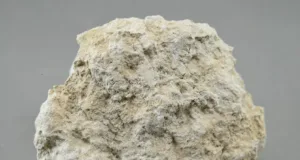
Sepiolite
Sepiolite, also known as meerschaum, is a clay mineral that belongs to the group of phyllosilicates. It is named after the Greek word "sepion,"...
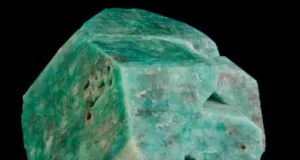
Amazonite
Amazonite is one of the most captivating green minerals in the world — a gemstone that bridges the worlds of geology, art, and human...
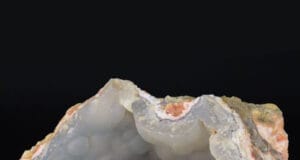
Chalcedony
Chalcedony is a mineral that is composed of microscopic crystals of quartz. It is a cryptocrystalline form of silica, meaning that its crystals are...
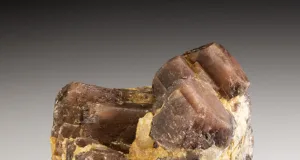
Andalusite
Andalusite is a rock forming minerals and is an aluminium nesosilicate minerals with the chemical formula Al2SiO5.At higher temperatures and pressures, andalusite may convert to sillimanite.andalusite is an aluminosilicate index mineral, providing clues to depth and pressures involved in producing the host rock.
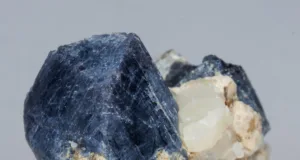
Sapphirine
Sapphirine is a relatively rare mineral known for its captivating blue color and distinctive crystal structure. It belongs to the family of silicate minerals...

Zeolites
Zeolite is a group of silicate minerals that a family of hydrated aluminosilicate minerals that contain alkali and alkaline-earth metals with unusual properties with importance industrial application. Zeolite form is usually well-formed crystals with pale colors and generally soft and can easily crushed.They are found in geologically young volcanic fields.
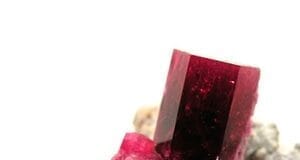
Bixbite / Red Beryl
Bixbite is a trade name used to refer to red beryl, a rare gemstone that is found in only a few locations worldwide. Red...
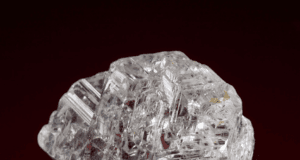
Phenakite
Phenakite is a rare and valuable gemstone known for its exceptional clarity and brilliance. It belongs to the beryllium aluminum silicate mineral group and...
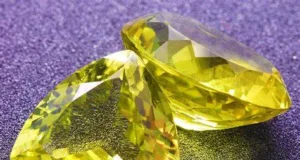
Sillimanite
Sillimanite is a mineral that belongs to the group of aluminosilicate minerals known as the sillimanite group. It is named after the American chemist...