




Geology Questions & Answers

Home Geology Questions & Answers

The Geology Questions & Answers section provides clear, direct explanations for the most common questions about Earth and its processes. From the formation of rocks and minerals to the mechanics of plate tectonics, this category helps students and enthusiasts understand key geology concepts quickly and easily. Each Q&A entry breaks down complex topics into simple, accurate, and accessible explanations.

Whether you’re preparing for school, exploring geology as a hobby, or simply curious about how the Earth works, these articles offer straightforward, science-based answers. Learn how mountains form, why earthquakes occur, how minerals are identified, what fossils reveal about ancient life, and how geologists study our planet’s structure.

This category is designed to be a reliable, easy-to-read resource for anyone seeking foundational geological knowledge.

Topographic map

Field Geology Maps Questions and Answers

What is a topographic map?A topographic map (also called a "tapa" map) is a field map that represents a scale model...
Tōhoku Earthquake

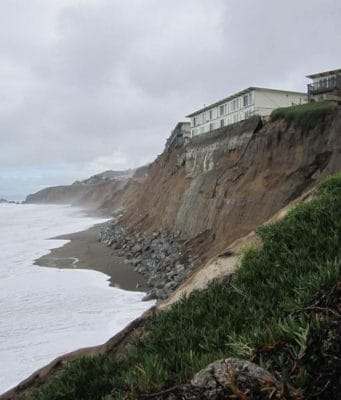
Why do earthquakes cause so much damage?
Earthquakes can cause a significant amount of damage due to a combination of factors, including the intensity and duration of the shaking, the type...

The Earth’s Layers

Our planet may look calm from the surface, but deep beneath our feet lies a world of incredible complexity and motion. The Earth is...

What is erosion?

Erosion is the process by which the surface of the Earth is worn away by the action of natural forces, such as water, wind,...

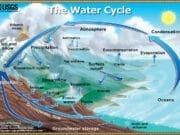
Why is water important to geology?

Water is important to geology for a number of reasons. Some of the key ways in which water impacts geology include:Water plays a key...

How old is the science of geology?

Although the science of geology as we know it today is a relatively young field, insightful observations of Earth processes were made as...

What elements are found in the Earth’s atmosphere?

The Earth's atmosphere is composed of about 77 percent nitrogen, 21 percent oxygen, and traces of argon, carbon dioxide, water, and other compounds...

What was the Precambrian?

Precambrian is the oldest part of the history of the Earth, founded before the present Phanerozoic Eon. It was called the Precambrian, because...

Age of the Earth and Earth’s Oldest Rock

How old is the Earth?Thanks to meteorites from space, rocks brought back by the Apollo astronauts from the Moon, and sundry other...

Why is the world so cold when it’s closest to the sun in January?

This is definitely a question that would be asked by someone in the Northern Hemisphere, since January in the Southern Hemisphere is definitely...

What are some subdivisions of geology?

Geology is a vast field, stretching from paleontology to mineralogy. It is easy to see why, since there are so many features and processes...

What are the types of mountain

A mountain is a large natural elevation of the earth's surface that rises sharply from the surrounding land. Mountains are typically higher and steeper...

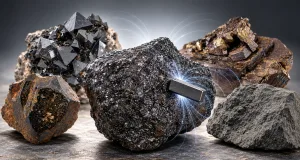
Why Is My Rock Magnetic? 8 Common Magnetic Rocks and Minerals

When you bring a magnet close to a rock and notice that it is strongly attracted, the result can be surprising. If the rock...

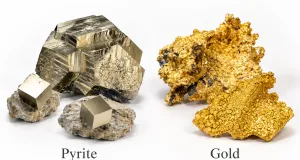
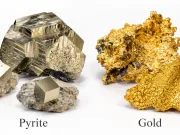
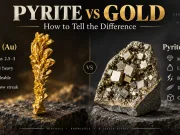
Gold or Pyrite? 7 Simple Tests to Tell the Difference

When you notice bright, yellow, metallic-looking particles inside a rock, it is natural to wonder whether you have found gold. This is especially common...

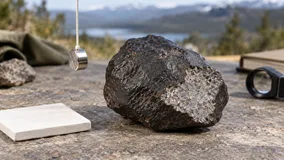
How to Identify a Meteorite: 7 Tests You Can Do at...

You find an unusually heavy, dark-colored rock in your backyard, in a field, or while hiking. The moment you pick it up, one question...