


Gemstone Guides

Home Gemstones Gemstone Guides Page 5

Gemstone Guides is your dedicated section for understanding the science, origins, and unique character of natural gemstones. Each guide explores a different stone in depth — how it forms, where it is found, what gives it its color, and how experts identify it. From rare high-value gems to commonly used minerals in jewelry, this category brings together reliable information for collectors, students, jewelers, and anyone fascinated by the beauty of gemstones.

Here you’ll find clear explanations, geological insights, and practical tips that help you understand gemstones beyond their appearance. Whether you want to identify a stone, compare varieties, learn about treatments, or explore the history behind famous gems, our guides offer a complete and accessible resource.

Gemstones are more than decorative objects — they are geological records of heat, pressure, time, and Earth’s natural processes. This category helps you appreciate them not only as jewelry, but as fascinating pieces of Earth’s evolution.

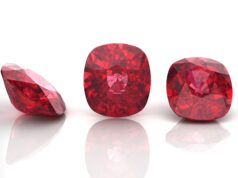
Ruby: Geological Formation and the Role of Trace Elements in Color

Rubies are one of the most coveted gemstones in the world, known for their stunning red hues and exceptional brilliance. They are a variety...

Aquamarine: The Ocean’s Gem – A Story of Beauty and Meaning
Aquamarine is a gemstone that has enchanted people for centuries with its delicate shades of blue, reminiscent of crystal-clear ocean waters. Beyond its visual...

Morganite: Why Collectors Love It

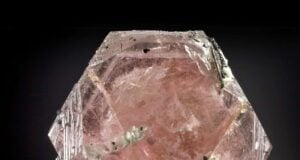
Morganite, with its delicate pink to peach hues, has captured the hearts of gemstone collectors and jewelry enthusiasts alike. A variety of beryl (the...

Labradorite: The Mystical Stone of Northern Lights – Uses and Lore
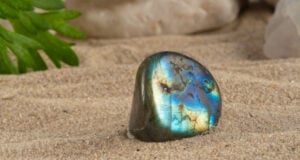
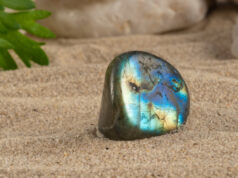
Labradorite is a captivating feldspar mineral renowned for its striking iridescence, known as labradorescence, which produces dazzling flashes of blue, green, gold, and violet. This...

What is Chatoyancy (Cat’s Eye Effect) in Gemstones
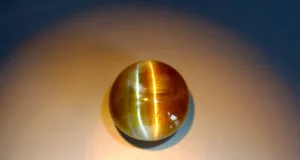
Chatoyancy, also known as the Cat's Eye Effect, is a captivating optical phenomenon found in certain gemstones. This effect, characterized by a moving band...

Petrified Wood: When Trees Turn to Stone – The Science Behind...

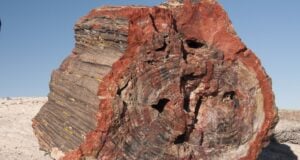
Petrified wood is one of nature’s most fascinating geological wonders—a relic of ancient forests where trees have literally turned to stone. These stunning fossils...

What is Spinel? Discovery, Properties, and Origins
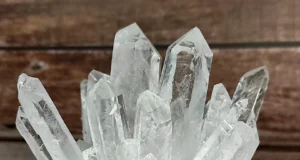
Spinel is a fascinating gemstone with a rich history and captivating properties. Known for its vibrant colors, remarkable hardness, and a history that intertwines...

Types of Quartz

Quartz is one of the Earth's most abundant and versatile minerals. Known for its durability, wide variety of colors, and stunning crystalline structures, quartz...

What Determines a Diamond’s Value?

Diamonds, formed deep within Earth's mantle under extreme heat and pressure, captivate us with their brilliance and beauty. Their value is determined by a...

Hematite: The Bloodstone – Its Geological Origins and Ancient Ritual Significance

Hematite, with its metallic sheen and blood-red streak, has fascinated civilizations for thousands of years. Known as the "bloodstone" (not to be confused with...

Gemstones: Unique Optical Effects in Geology
Gemstones have long captivated humanity with their beauty, rarity, and durability. Among the vast array of gemstones, some possess rare optical phenomena that make...

10 Gemstones That Change Color Under Light

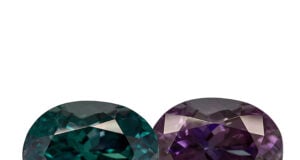
Color-change gemstones have this strange, almost hypnotic power over people. You look at them once, and they seem familiar. You look again under a...